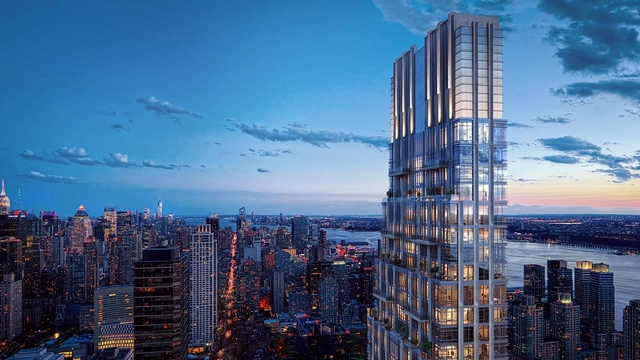
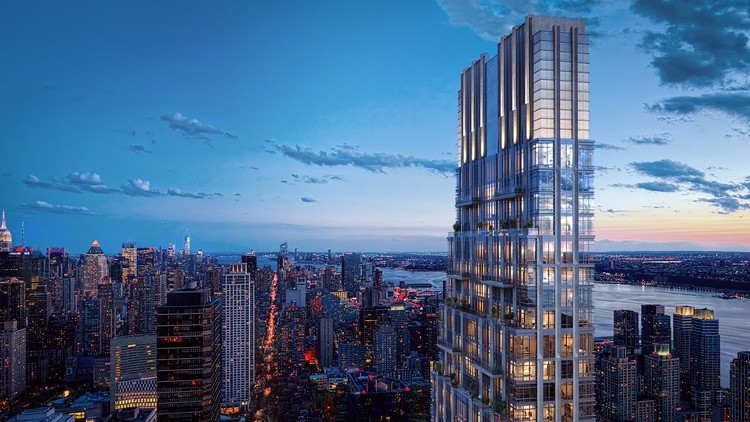
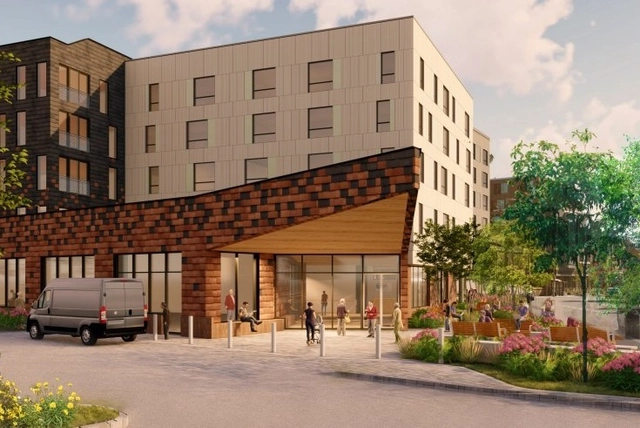
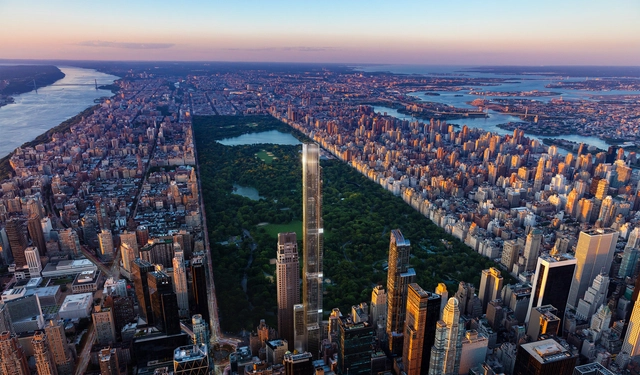
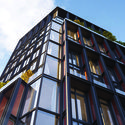
The 52-story residential tower 200 Amsterdam Avenue is set to become the tallest skyscraper on New York's Upper West Side. The project was designed by Elkus Manfredi Architects, and is being developed by SJP Properties and Mitsui Fudosan America. An appeals court recently decided to allow the tower to include it's top 20 stories on the building's site between West 69th and West 70th Streets.
JJ Carroll Redevelopment. Image Courtesy of MASS Design Group
More inclusive, equitable futures are grounded in how we design for justice and the human condition. Katie Swenson is a Senior Principal of international non-profit MASS Design Group, and she has spent her career building social equity and advocating environmental sustainability. At the heart of her work is a thread of collective optimism, a knack for bringing people together to create healthier communities that promote human dignity and joy.
Almost one year into the COVID-19 pandemic, life is starting to feel like it might regain its sense of normalcy. With promising vaccines being slowly rolled around the globe, the focus is shifting away from the immediate, and into what the future looks like- including where people want to live. At the beginning of the pandemic, stories all across the media claimed that cities were dead, people were leaving as a permanent measure of safety and well-being, and that the real estate market would experience a long and slow recovery to the boom it had experienced in the pre-pandemic world. But there’s been a shift, and it’s happening fast- people are returning to cities almost as suddenly as they once left them.
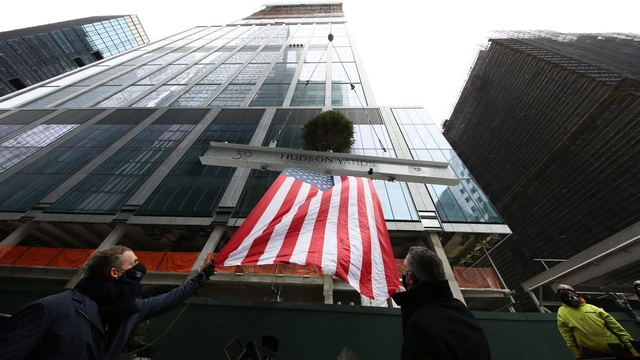
The 50 Hudson Yards skyscraper by Foster + Partners has topped out in New York. As one of the largest office buildings in the city, the project has become the fourth-biggest office tower by square footage. The 58-story office tower includes very large floor plates for up to 500 employees on each floor. The tower is the latest in a series of projects rounding out the Hudson Yards on the western edge of Manhattan.
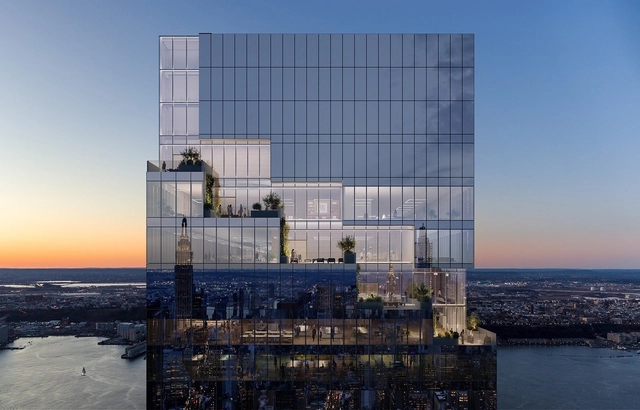
The new "Spiral" skyscraper by Bjarke Ingels Group has topped out at Hudson Yards in New York City. Rising 66 stories, the project towers over 1,000 feet tall with a series of stepped, landscaped terraces that wrap the building. With over 2.8 million square feet of office space and ground floor retail once complete, the tower will feature open floor plans with views across the Financial District and the surrounding cityscape.
Fauzia Khanani is no stranger to challenging the status quo. Working on a range of projects around the globe, from New York and Zurich to Budapest and Geneva, she continues to rethink the process of design across the built environment. Her firm, Studio For, is pioneering new prototypes for the future of work in a post pandemic era. At the same time, she's working on a number of pro-bono conceptual community-driven projects.
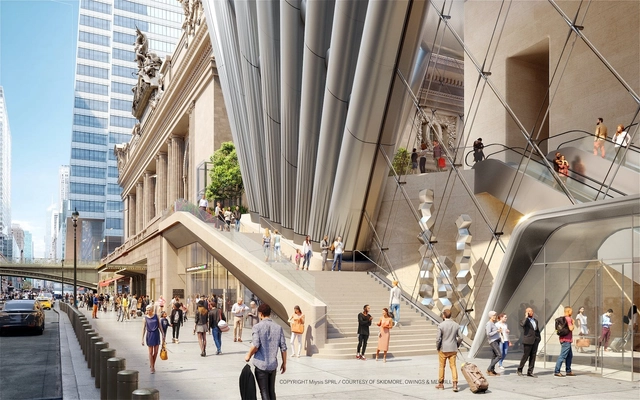
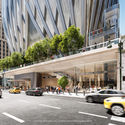
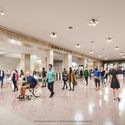
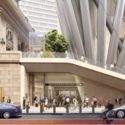
Skidmore Owings & Merrill (SOM) has shared new renderings of a tower to replace the Grand Hyatt Hotel next to Grand Central Terminal in Midtown Manhattan. With over 2.2 million square feet of space, the project is being developed by RXR Realty and TF Cornerstone with SOM, Beyer Blinder Belle and Field Operations. The mixed-use project would rise over 80 stories to 1,646 feet tall, making it the second-tallest building in New York City.
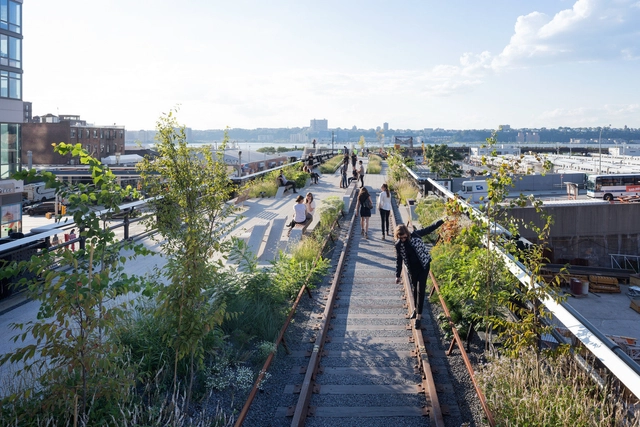
Understanding what drives economic, social, and educational disparities between communities is one of urbanism’s most critical and highly-discussed topics. It’s an increasingly complex issue, with many factors at play- one of them being the design and location of desirable urban green spaces. While sometimes they are a tool that helps to bolster underserved communities in terms of health and economic benefits, safety, and climate resistance, other times they can actually drive out the residents that they are created to serve. Now, the challenge lies in how to design these recreational sites to create better futures for all.
As long as cities have been around, there’s been one pressing question central to their future: “What makes urban areas desirable?” Over half of the world’s inhabitants live in cities and that number is projected to climb over the next decade with more than 5 billion people inhabiting urban cores globally. To prepare for this demand, cities are finding ways to be more desirable, draw in talent, and entice both big and small businesses, all while finding more ways to create equitable living opportunities for all.
Courtesy of ir Richard Rogers and Graham Stirk of Rogers Stirk Harbour + Partners
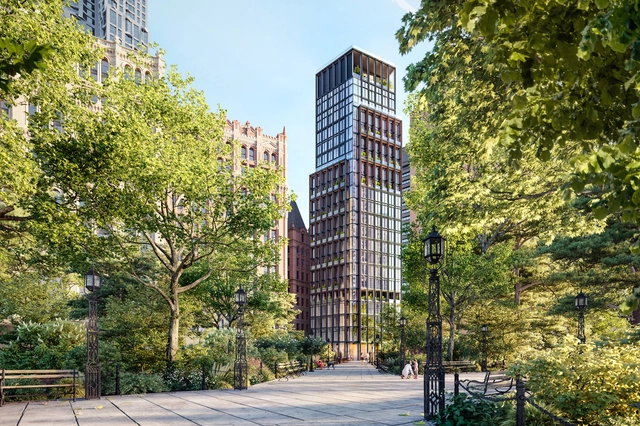
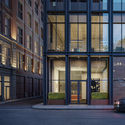
Rogers Stirk Harbour + Partners have unveiled images of their latest venture, No. 33 Park Row in New York City. Located across the street from City Hall Park in Downtown Manhattan, the project, nearing completion and set to officially launch in the spring of 2021, is the city’s first residential project designed by Sir Richard Rogers and Graham Stirk of Rogers Stirk Harbour + Partners.
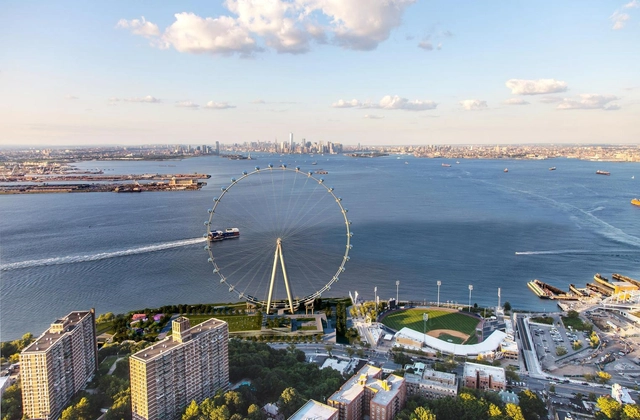
New York Wheel, Staten Island. Image Courtesy of Perkins Eastman
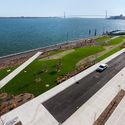
The New York City Department of Housing Preservation and Development (HPD) has released a Request for Proposals (RFP) seeking plans to build 100 percent affordable housing in Stapleton on the North Shore of Staten Island. The City-owned site provides over 100,000 square feet of land for affordable housing, community amenities and other improvements as part of the island's mixed-use development.
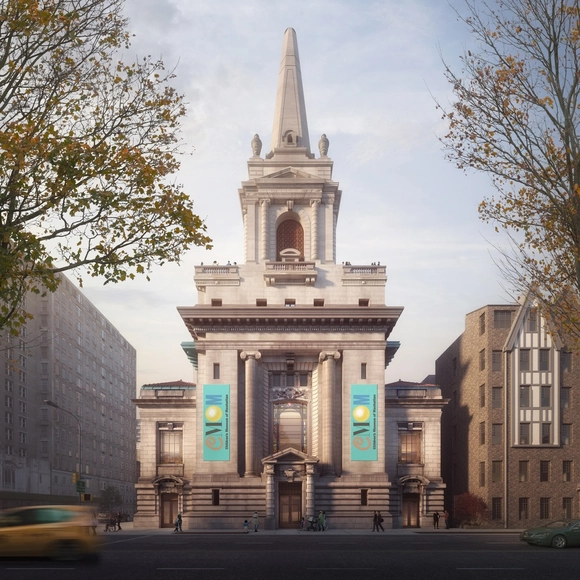
The Children’s Museum of Manhattan has announced that it will renovate an abandoned church off of Central Park in New York City. Designed by architecture firm FXCollaborative and design studio Local Projects, the new museum building enables CMOM to meet increased demand for its program and resources, and marks CMOM’s first expansion in over 40 years. The project aims to engage and inspire New York City’s youngest citizens.
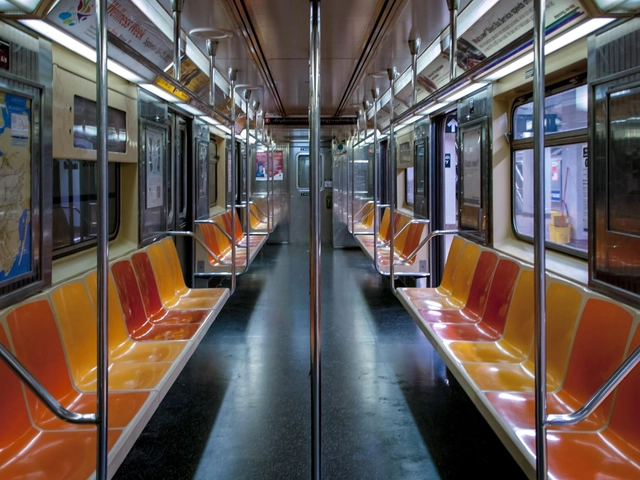
With the promising news of a potential vaccine that could soon return the world to a semi-normal way of life, questions are being raised about what the future of public transit might look like. While some predict that it will be years before we revert back to the muscle memory ways of packing like sardines into crowded subway cars during rush hour commutes, it’s not just about how individuals feel being within close proximity of one another while moving about the city. It has more to do with how our other daily habits, which have been reshaped as a result of the pandemic, might change the overall goals for public transit systems around the globe. What strategies might be implemented to bring ridership back to normal levels and to bring the mobility landscape back to where it once was as society continues to undergo major fundamental shifts?
Final Project by Khalya. Image Courtesy of PennPraxis x Fresh Air Fund
This past summer, the nonprofit design practice, PennPraxis, in partnership with The Fresh Air Fund, piloted a new program, Virtual Design Studio, that sparked the imaginations of nearly 150 students to show how design has the power to change the built environment. Their courses, which were taught by University of Pennsylvania Stuart Weitzman School of Design graduate students, generated multiple designs for a nature center operated by The Fresh Air Fund and public spaces in New York City and offered children an introduction to explore future careers in design that could have a lasting impact on their communities and the design professions for years to come. Over the course of seven weeks, these students committed over 150 hours to the program while also receiving a stipend.
In cities across the United States, an address is more than just a street name or a building number- but a brand that translates directly into a symbol of wealth and prestige. Take the tallest residential tower in the country, 432 Park Avenue in New York City, which doesn't actually sit quite on park avenue. Instead, it’s neighboring lot to the east sits on Park Avenue, and this mega structure actually faces 56th avenue- a significantly less iconic street. However, this inflated valuation doesn’t happen everywhere. Cities in other countries don't place the same weight on an address and refer to buildings or locations as landmarks or by their appearances, which doesn't force a high monetary value based on an address or a marketing scheme alone. How do places in the world differ in how they brand buildings and streets in cities, and what does that tell us about their urban culture?
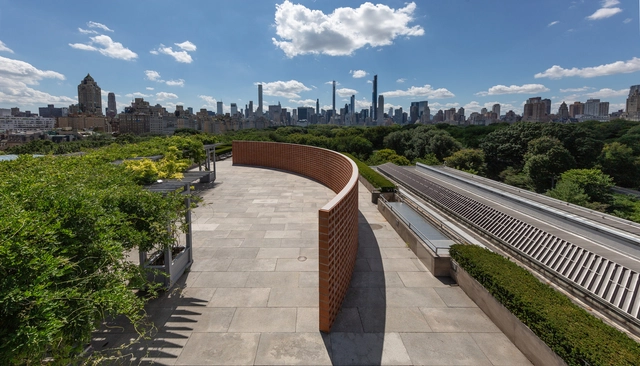
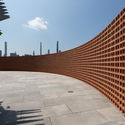
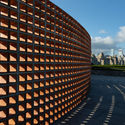
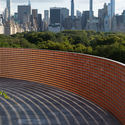
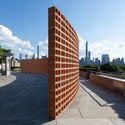
Although deploying four months later than normal (due to an obvious, unforeseen roadblock), the Metropolitan Museum of Art has revealed its 2020 Roof Garden commission, tapping Mexican artist Héctor Zamora to drop a timely intervention across the New York City institution’s outdoor terrace.
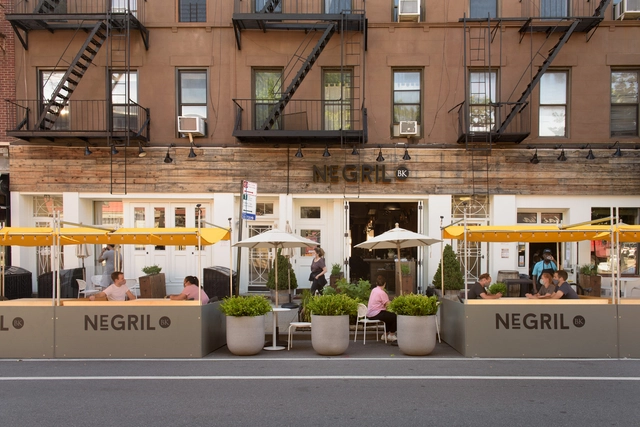
Outdoor dining has proven to be something of a lifeline for restaurants not only in New York but around the country, as indoor dining remains far out of reach at this point in the novel coronavirus crisis. Faced with restrictive mandates, however, architects, planners, and restaurateurs across the U.S. have been forced to come up with creative ways to keep patrons uninfected while assembling aesthetically pleasing outdoor dining areas.
It’s hard to imagine New York City without the packed subway cars, long lines, and overwhelming tourist crowds that felt essential to daily life. Once the fear of the COVID-19 pandemic has waned, the city, like others around the world, will become clouded and fundamentally altered even after economic prosperity has been restored. In what feels like a revolving door discussion, except now perhaps asked with a sense of urgency, what do we want cities to be like in the years to come?