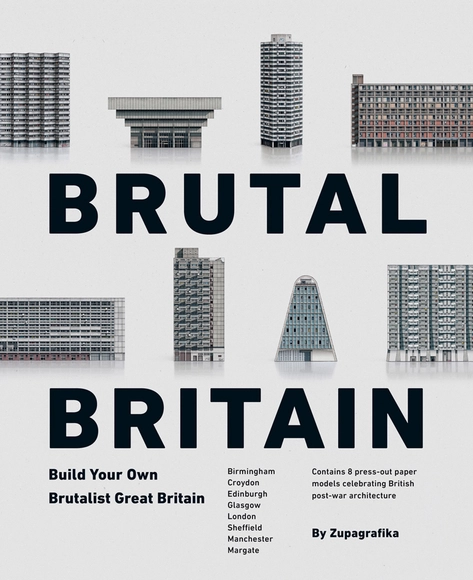
High-rise tower blocks, prefab panel housing estates, streets in the sky, new towns; some of the concrete constructions that once shaped the cityscapes of post-war Britain have stood the test of time, while others are long gone.
High-rise tower blocks, prefab panel housing estates, streets in the sky, new towns; some of the concrete constructions that once shaped the cityscapes of post-war Britain have stood the test of time, while others are long gone.
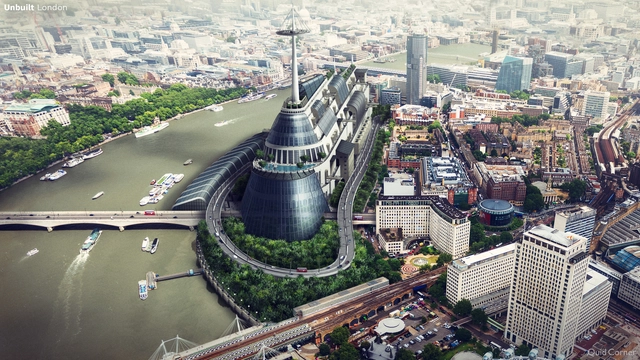
A historic hotbed of architectural styles and a current architectural capital of the world, cities in the United Kingdom are awash with iconic buildings from the Georgian, Neoclassical, and contemporary era. Such buildings, from the Clifton Suspension Bridge in Bristol to the Southbank in London, have come to define the cities in which they stand, drawing the eyes of tourists and designers alike from around the world.
It is therefore an interesting exercise to examine what these cities would look like if such structures didn’t exist. To this end, Neomam Studios has partnered with QuickQuid to produce a series of images demonstrating what six British cities could have looked like, resurrecting some of Britain’s most surprising unbuilt structures.
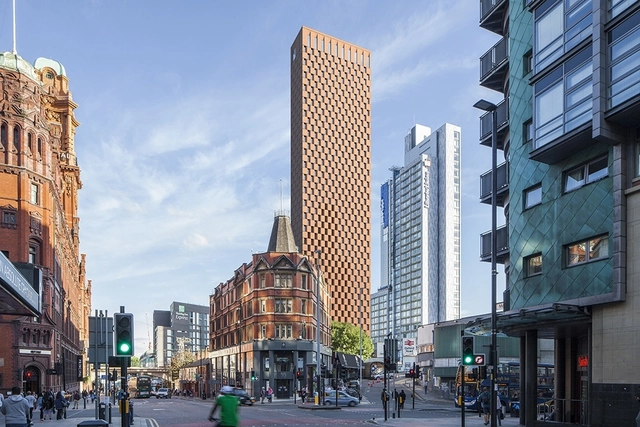
Housing developer Student Castle has partnered with Glenn Howells Architects to create a 55-story red brick tower in Manchester city center. Built to include 850 rooms and co-working space for students and start-up businesses, the new skyscraper would overlook Oxford Road station next to Great Marlborough Street tower. Glenn Howells says the scheme pays homage to the red brick chimneys that once dominated the city’s skyline.
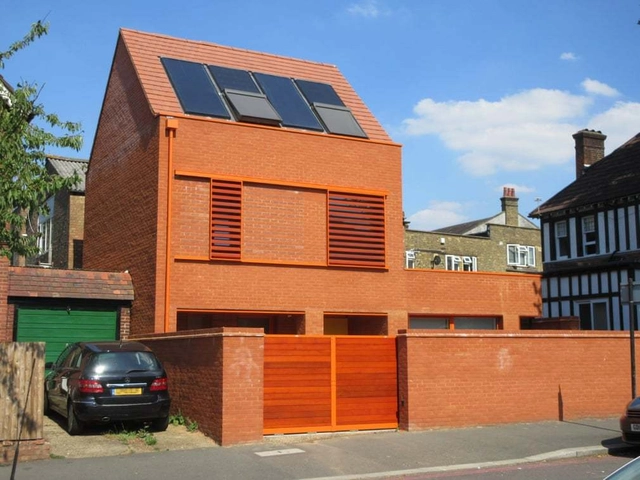
They say that bad publicity is good publicity. Nevertheless, late August is a time for baited breath among UK architects, as the readers of Building Design generate the shortlist for Britain’s "ugliest" building. Beauty is certainly in the eye of the beholder and judgment towards these unpopular designs shouldn't necessarily be generalized. However, this competition opens up important dialogues about architectural aesthetics and public reception of new projects.
Continuing the 12-year tradition of what has been called the RIBA Stirling Prize’s less fortunate sibling, the shortlist for the 2018 Carbuncle Cup showcases the six projects which British architecture followers love to hate. Previous winners of the prize include the Cutty Sark by Grimshaw in 2012, and Rafael Viñoly Architects' 20 Fenchurch Street in 2015.
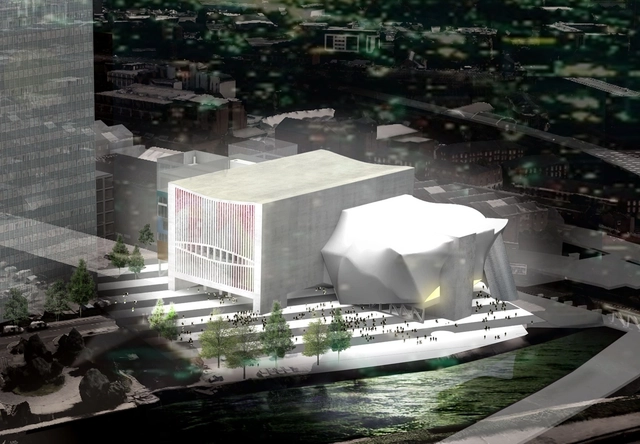
OMA’s first major public building in the UK has been granted planning approval. Known as “Factory,” the groundbreaking new cultural center will serve as a the new home of the Manchester International Festival (MIF) and as a year-round concert and arts venue.
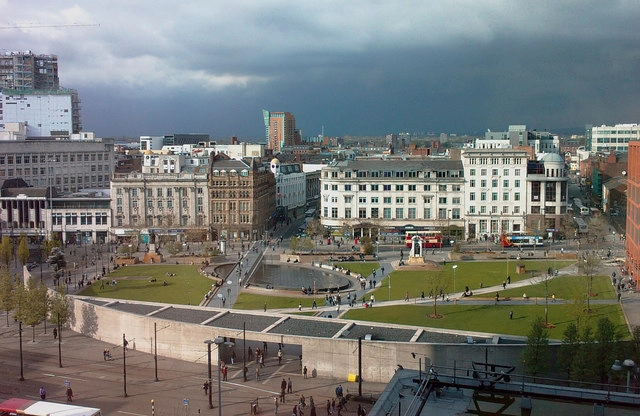
Tadao Ando’s only project in the United Kingdom, the ‘Japanese Pavilion’ at Piccadilly Gardens in Manchester, is slated for demolition as part of a £10m redesign of the park and plaza.
Built in 2002 as part of a makeover for the square, the pavilion takes the form of a long, gray concrete wall along the park’s southwestern edge, which critics have argued divide the public space, describing the design as “bleak and depressing” and comparing it to the Berlin Wall.
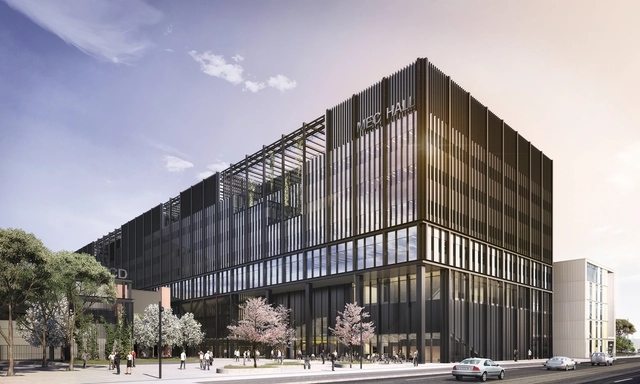
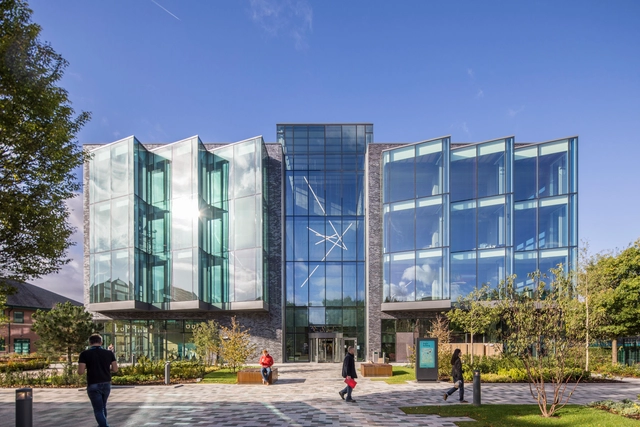
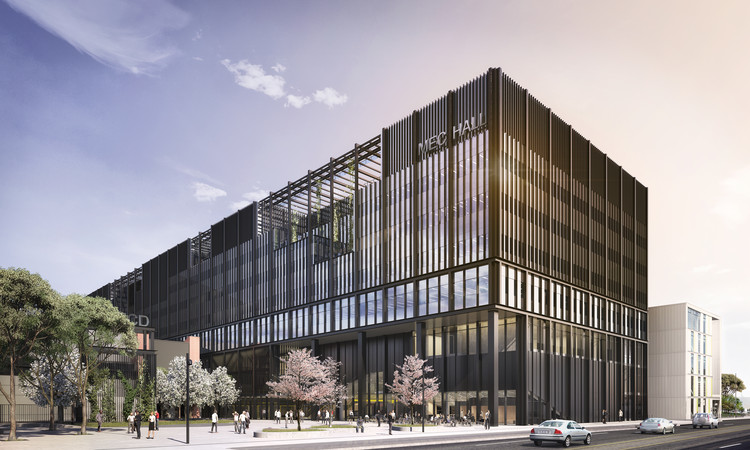
The University of Manchester’s Mecanoo-designed engineering campus has received planning permission from the Manchester City Council, greenlighting the £350 million project. The Manchester Engineering Campus Development is part of the University’s campus masterplan, meant to bring together a multidisciplinary engineering and scientific community and to consolidate the University’s campus around Oxford Road. The project is one of the largest single construction projects ever undertaken by an institution of higher education in the United Kingdom. MEC Hall, the main building of Mecanoo’s development, is 195 meters long.
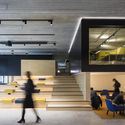
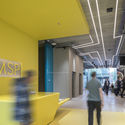
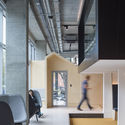
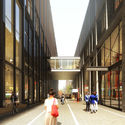
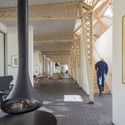
In the latest installation of NOWNESS’ In Residence series, British architect Ian Simpson describes how was told by his careers teacher "not to set [his] sights too high" when he decided that he wanted to become an Architect. Here, he discusses the design intentions behind his home – the tallest residence in the United Kingdom's second city: Manchester. For Simpson, "home is [only] forty seconds away by lift."

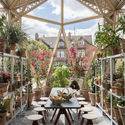
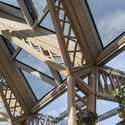
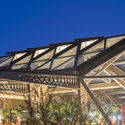
For the third consecutive year, Hello Wood—an international educational platform of design and architecture based in Hungary—have "rethought the Christmas Tree." Their three festive installations, in London, Manchester and Budapest, have been designed to live beyond the holiday season and will be recycled into new structures to help different causes in the New Year. "The role of architecture has changed a lot in the last few years," says Peter Pozsar, co-founder of Hello Wood. "Hello Wood represents this socially responsive architecture."
View the three projects after the break.
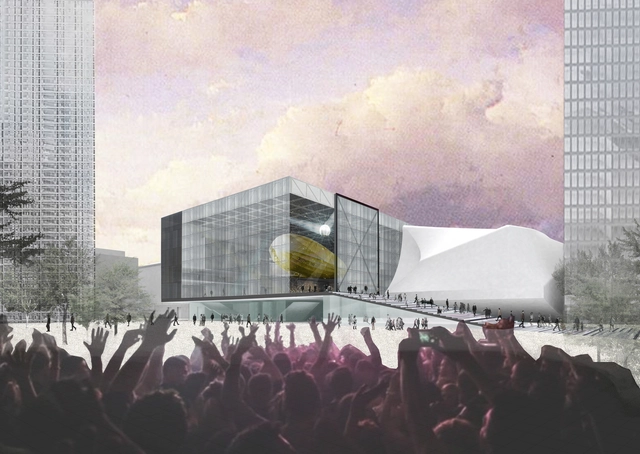
In an article for the Financial Times, Edwin Heathcote responds to the recent news that OMA, based in Rotterdam, have won the competition to design the British city of Manchester's new "ultra-flexible" arts venue. The Factory, so-named because of city's rich musical heritage, will be one of the largest cultural projects of its kind. Having gained and maintained financial support from Westminster, the building—which must be able to transform from a 2,200-seat theatre into an open 5,000-capacity space—is a flagship project for the British government.
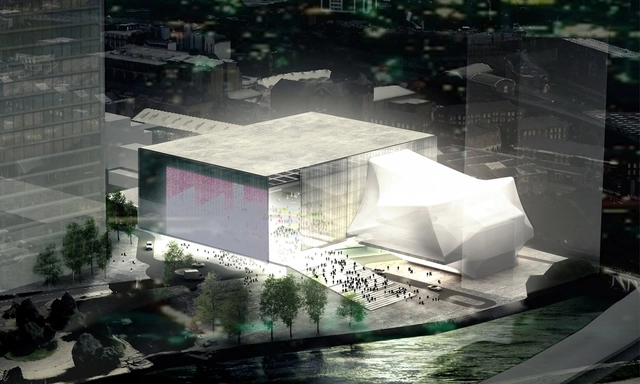
Rotterdam-based Office for Metropolitan Architecture (OMA) have been announced by the UK's Chancellor of the Exchequer as the winning team in the competition to design the city of Manchester's high-profile Factory art space. Following the announcement of the shortlist earlier this year, featuring practices including Rafael Viñoly, Diller Scofidio + Renfro, Zaha Hadid and Mecanoo, it has since been reported by The Guardian that the British government's original pledge of £78million ($117million) to the cost of the building will be raised by a further £9million per year from around 2018.

The Royal Institute of British Architects (RIBA)’s Future Trends Survey for September 2015 shows a level of consistency with the workload index remaining unchanged at a balance figure of +21. All nations and regions within the United Kingdom returned positive balance figures, with practices in Scotland responding most confidently about workloads in the next quarter. The report states that practices remain firmly positive about overall workload prospects in the medium term, though with "an apparent leveling-off in the rate of growth."
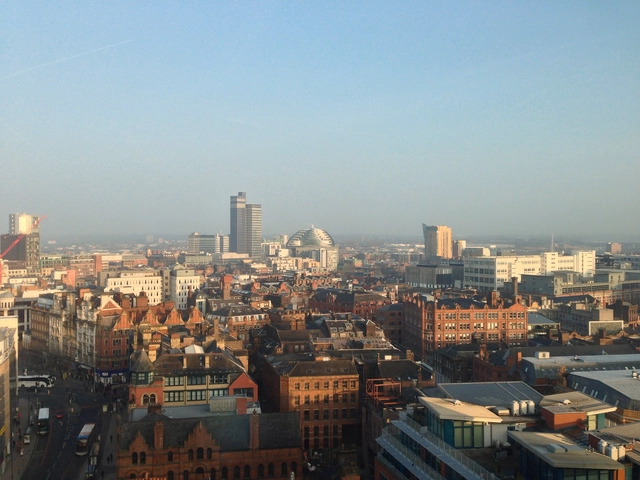
A competitive shortlist of 9 has been released for a new high-profile art space planned in Manchester. The £110 million project, known as "The Factory" (after the city's influential Factory Records), will feature an "ultra-flexible" arts venue that can transform from a 2,200-seat theater into an open 5,000-capacity space that will accommodate a wide range of art forms and performances. It will also serve as the new home of the Manchester International Festival (MIF).
"The level of international interest reflects the city’s emerging status as an internationally-renowned city of culture. This is a landmark development that will place Manchester in the highest tier of arts worldwide," said Manchester City Council (MCC) executive member Rosa Battle.
The 9 shortlisted practices are:
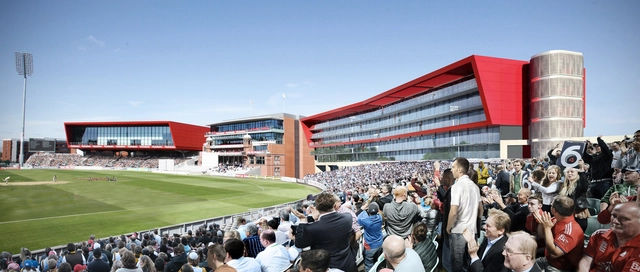
Glasgow-based firm ICA has secured planning permission to redesign the Old Trafford Lodge hotel at Manchester's famed Old Trafford Cricket Ground, creating a larger, 150-bedroom hotel and completing the recent transformation of England's second oldest cricket ground.
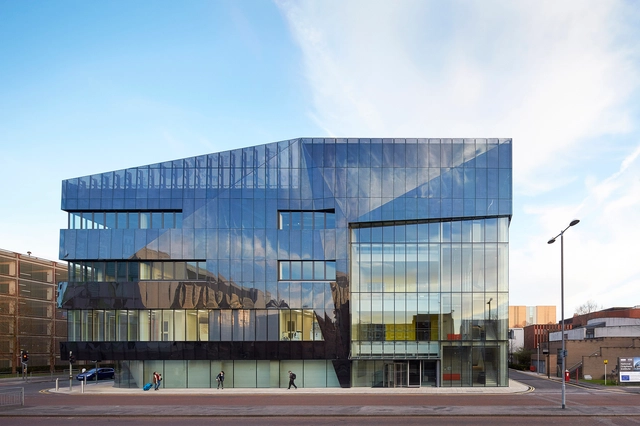
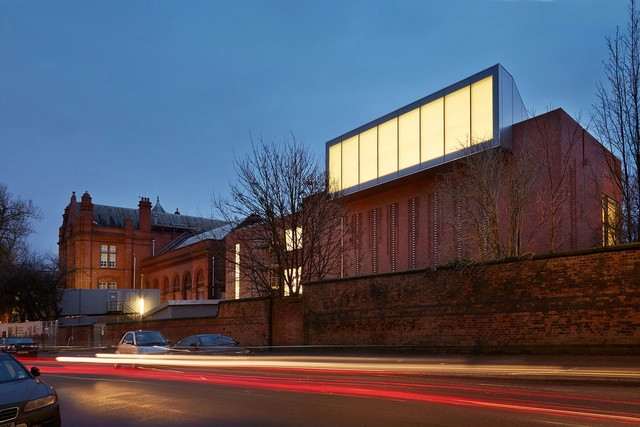
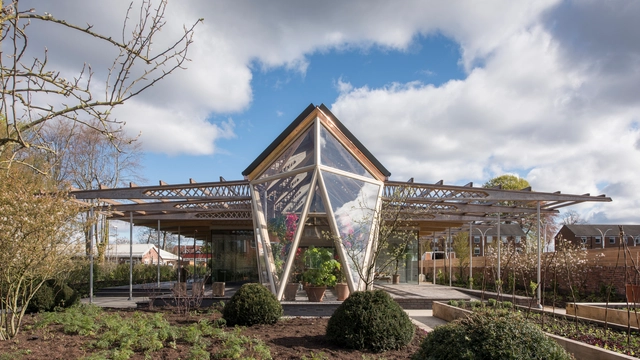
The acclaimed Whitworth Art Gallery in Manchester, northern England, has been named by the Art Fund as the 2015 Museum of the Year. The project has been hailed by the jury as "one of the great museum achievements of recent years," citing its "transformation – architecturally, curatorially, and as a destination" – as a key reason for its success. The building, which has been received well by critics, was comprehensively restored and extended by MUMA (McInnes Usher McKnight) and re-opened to the public earlier this year. Since then it has seen record-breaking visitor numbers, partly due to the appeal of the building and partly due to "the creativity and originality of its outreach programmes during closure."






.jpg?1459371467 "© Nowness")
.jpg?1459371483 "© Nowness")
.jpg?1459371408 "© Nowness")
.jpg?1459371440 "© Nowness")
.jpg?1459371518)