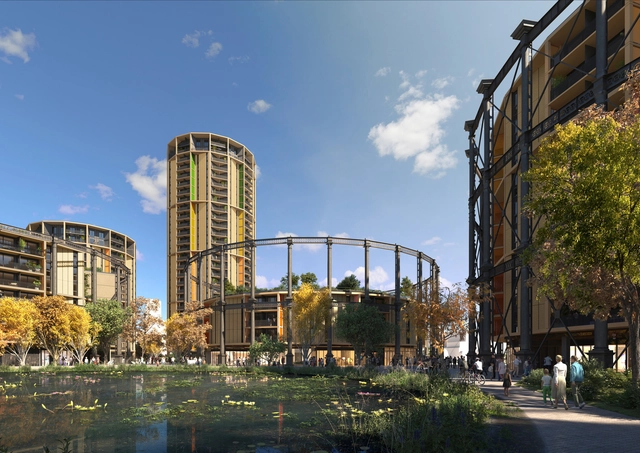
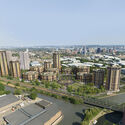
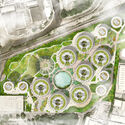
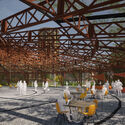
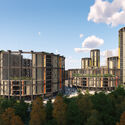
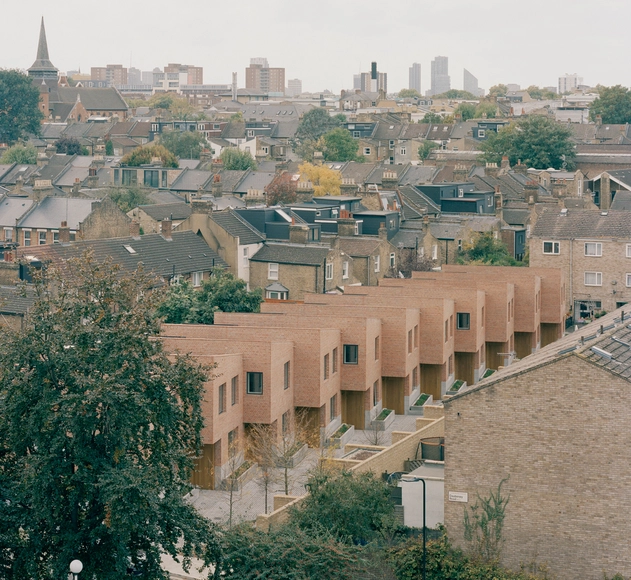
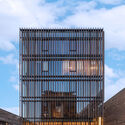
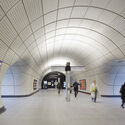
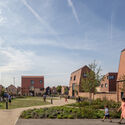
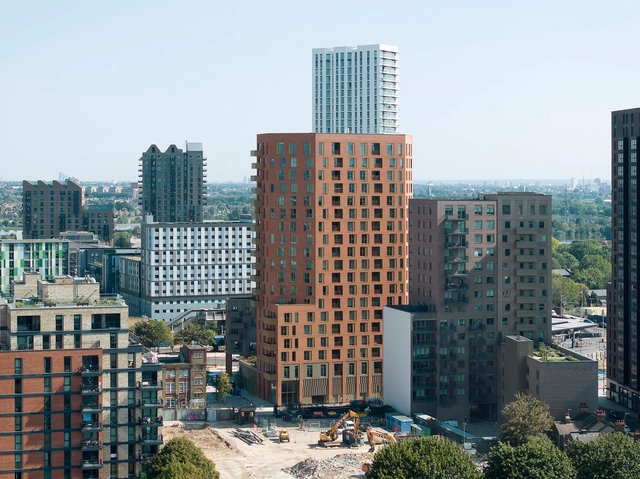
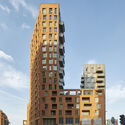
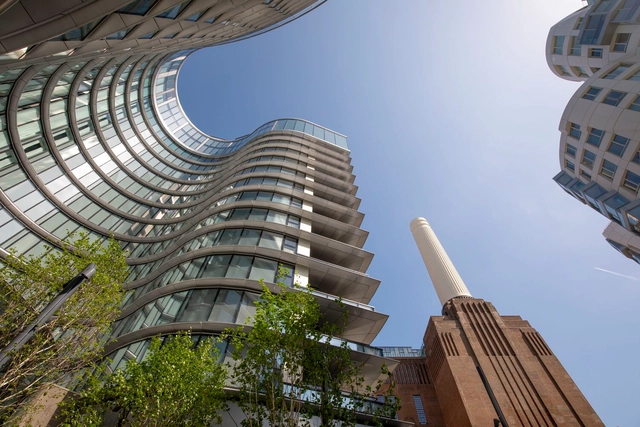
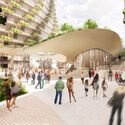
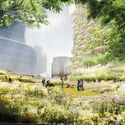
RSHP’s design proposal for the Bromley-By-Bow Gasworks regeneration project has just been approved by the London Borough of Newham’s Strategic Development Committee. The 23-acre site dates back to the 1870s, housing the largest collection of Victorian gasholders worldwide, making the project one of the largest regeneration proposals in the Lower Lea Valley in London. After three years of design development, the scheme reimagines the gas holders into a mixed-use development offering new high-quality residential architecture.
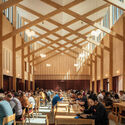
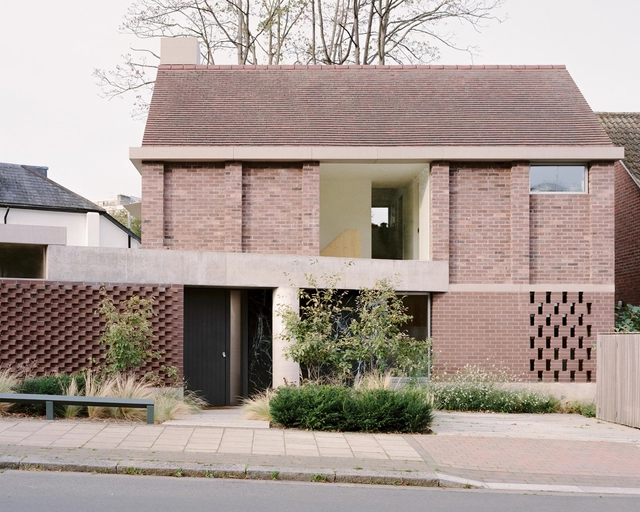
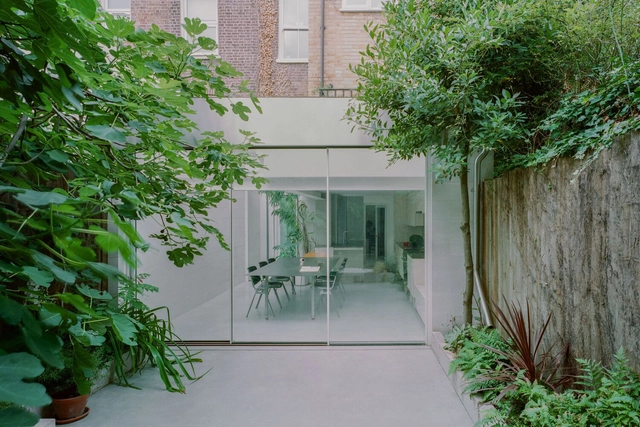
The Royal Institute of British Architects (RIBA) has unveiled the 26 winners of the 2024 RIBA National Awards for Architecture, recognizing the finest examples of UK architecture and showcasing the country's design and social trends. Established in 1996, the awards highlight outstanding architectural projects across the UK, from Northern Ireland and Scotland to the south of England. This year's award celebrates projects that feature "inspiring examples of existing buildings and structures that have been given a new lease of life." Recognized for intelligent design and collaboration with clients and local communities, the award winners also showcase innovative construction techniques and thoughtful material selections.
For cities, hosting an Olympic event represents both an honor, an important opportunity for growth, and a significant challenge. With over 200 nations taking part in the Games, the Olympics are the largest sporting competition in the world. Adapting the public and sporting infrastructure to accommodate this sudden influx of people and the scale of these events runs the risk of misunderstanding the cities’ needs after the closing ceremony, often producing “white elephants” that struggle to adapt to the rhythm and necessities of everyday urban life. Urban transformations are often cited as an advantage of hosting the Olympic Games, as cities are incentivized to invest in their traffic infrastructure, housing, and public spaces. One such example is the city of Paris, which introduced its first metro line on the occasion of hosting the second edition of the Olympic Games in 1900.
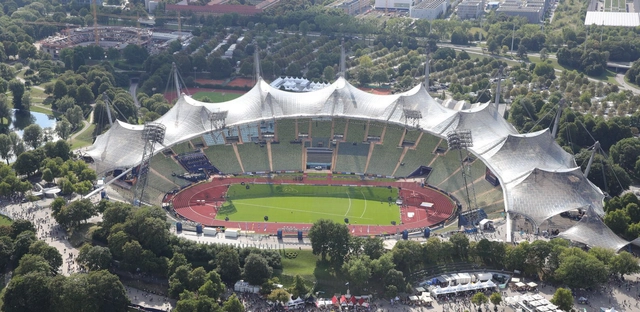
When it comes to the venues, however, the issue of adaptive reuse becomes a pressing one, as the architecture is challenged to find solutions to transform, accommodating thousands of people during the Olympics, then scaling down to become a financially sustainable part of a city’s sporting offering. Across the world, several Olympic venues have managed to extend their usability after the closing of the games, opening themselves to the local communities and welcoming a more diverse programming of sports and leisure events. While the high construction costs are often difficult to justify, these venues have become markers of local identity and attractive tourist attractions, extending their use decades after welcoming the Olympic crowds.
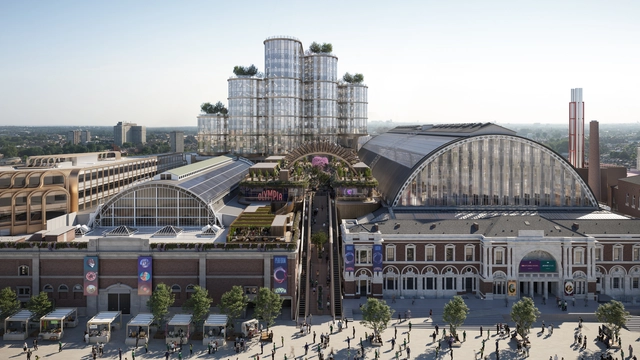
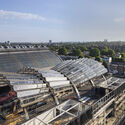
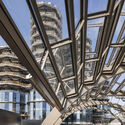
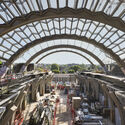
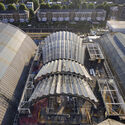
Heatherwick Studio has unveiled the design of a new large-scale glass canopy to become one of the main attractions of Olympia, an ambitious regeneration project aimed at transforming the 138-year-old exhibition halls in London into a global culture and entertainment destination. Originally designed by Sir Henry Edward Coe, Olympia is set to offer visitors a wide range of venues and activities, including two hotels, over 30 restaurants, bars and eateries, a 4,400-capacity live music hall, a theater, and spaces for the Wetherby Performing Arts School, in addition to over 2.5 acres of accessible public spaces. The revival project is co-designed by Heatherwick Studio and SPPARC.
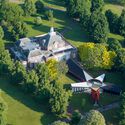
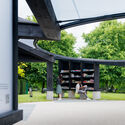
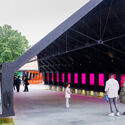
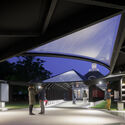
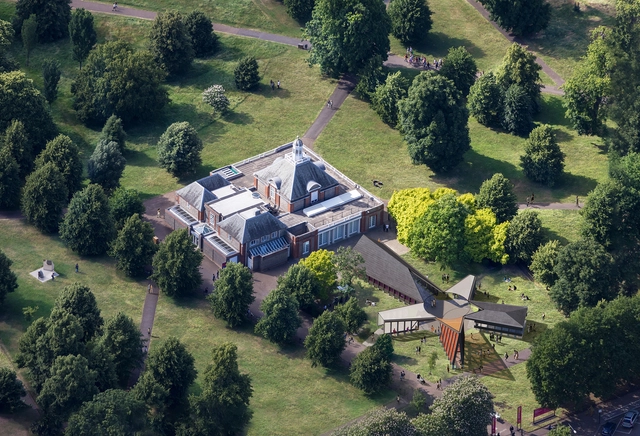
The official opening date for the 23rdSerpentine Pavilion has been announced for June 7th, 2024. The structure designed by Seoul-based Korean architect Minsuk Cho and his firm Mass Studies, will welcome visitors until October 27, 2024, in London’s Kensington Gardens. Titled “Archipelagic Void,” the pavilion is composed of five islands displayed around a central void in reference to the mandang, a type of open courtyard found in traditional Korean houses. The intervention will be activated throughout the summer with a diverse program of events, starting with a conversation between Minsuk Cho and Serpentine Artistic Director Hans Ulrich Obrist on June 7, 2024.
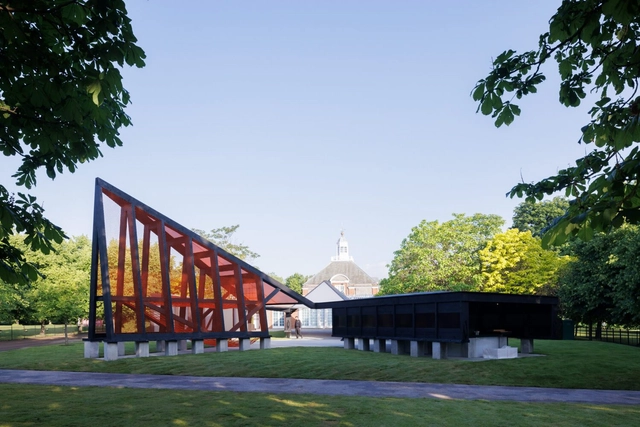
When he was invited to design the 21st Serpentine Pavilion in London’s Kensington Gardens public park, Chicago-based artist Theaster Gates envisioned a calm space to offer respite and a subtle exploration into the power of sound and music in architecture. Created out of lightweight stained wood, the “Black Chapel” demonstrates more than just artistic and architectural sensibilities. In addition to the use of sustainable materials, the project also pays close attention to how the building materials are sourced, bringing visibility to the problem of modern slavery in the construction materials supply chain.
As the demand for affordable housing grows and the availability of low-cost properties diminishes, stakeholders in housing must become more innovative in their approach to social housing development. One opportunity lies in restoring and repurposing abandoned buildings. While building new houses remains the primary strategy for Housing Authorities and Associations, rehabilitating derelict buildings can be a more economical option. This approach not only maximizes the use of dilapidating infrastructure but also provides an economic opportunity to increase affordable housing within the city. Although rehabilitating derelict residential buildings may seem like an obvious solution, it becomes even more crucial when considering abandoned commercial, institutional, or historical buildings for social housing.
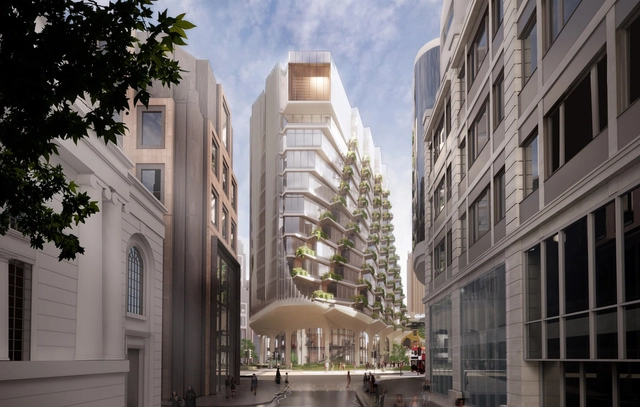
Redevelopment by Diller Scofidio + Renfro. Image Courtesy of City of London
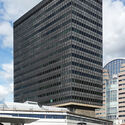
The controversial London Wall West redevelopment project, which involves the demolition of the former Museum of London and Bastion House, is set to proceed. The redevelopment, designed by architecture firms Diller Scofidio + Renfro and Sheppard Robson, will replace the landmark 1970s buildings with a modern office complex. The City of London has confirmed that the Secretary of State for Leveling Up, Housing, and Communities, Michael Gove, has decided not to call in the plans to reevaluate the former museum, allowing the project to move forward.
23rd Serpentine Pavilion by Mass Studies. Image Courtesy of Serpentine Gallery
Seoul-based Korean architect Minsuk Cho and his firm Mass Studies have been selected to design the 23rdSerpentine Pavilion, to open on June 5, 2024, in London’s Kensington Gardens. Titled “Archipelagic Void,” this iteration of the iconic commission will consist of five ‘islands’ displayed around an open space, breaking down the structure into a series of smaller elements intertwined with the park’s natural ecology. The pavilion will be open to the public from June 7, until October 27, 2024, with a press preview two days before the opening.
Delving into the realm of unbuilt architectural projects by renowned offices offers a peak into the design principles and ethos of the studios. The curated list of unbuilt projects submitted by established architecture practices has the potential to reveal new perspectives on the socio-cultural and environmental factors shaping contemporary architecture. These designs often respond to complex challenges such as sustainability, urbanization, and cultural preservation, reflecting architects' efforts to navigate and contribute meaningfully to the built environment.
Within this curated selection, one standout project is Rafael Viñoly Architects' Médano El Pinar, marking the late architect's last contribution to the architectural landscape. Other projects such as Aedas' Ellinikon Commercial Hub explore the opportunities of new developments, such as the disused airport transformed into Europe's largest coastal park in the periphery of Athens, while others are highlighting natural landscapes or offering spaces for creative and innovative programs. Featuring internationally recognized offices like SOM, Kohn Pedersen Fox, Gensler, or GAD Architecture, the selection showcases the unrealized concepts and architectural experimentations of renowned offices.