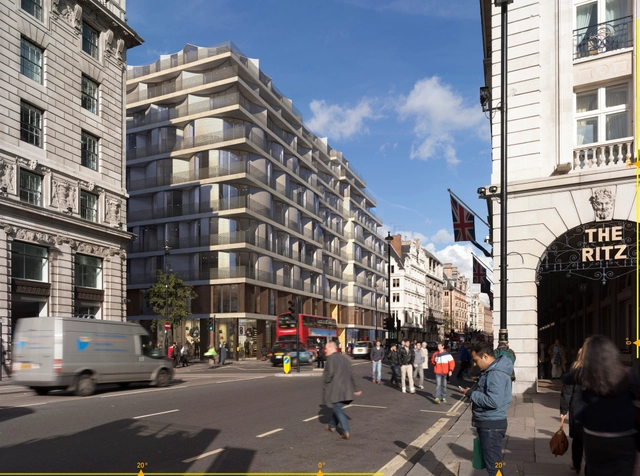
Images have been released of what will be one of Adjaye Associates’ largest UK commissions - London’s £600 million Piccadilly Redevelopment. The competition-winning scheme, selected over proposals by Rem Koolhaas, Jean Nouvel and Frank Gehry, will replace a post-war office building on 70-73 Piccadilly with a mixed-use project designed for Crosstree Real Estate Partners.
UPDATE: Within 24-hours after the Battersea Arts Centre's March 13th fire, the building re-opened and reconstruction efforts began. A fundraising campaign has been launched, aiming to help the rebuild the center's Grand Hall and Lower Hall - both destroyed by the fire. Learn how you can donate, here.
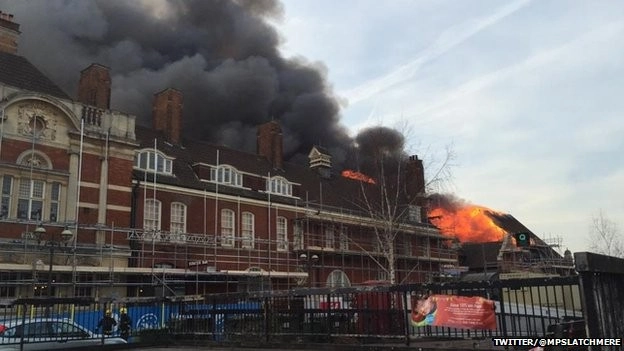
A major fire has broken out at the Battersea Arts Centre. The tower of the Grade-II listed building, known as a leading independent theater and arts venue in South London, has reportedly collapsed. Thankfully no one has been injured.
Firefighters are working tirelessly to save the building. A cause is unknown, though it seems the blaze started in the building’s roof above its main hall in an area that is currently undergoing a 10-year-long, £13 million refurbishment led by Stirling Prize laureate Haworth Tompkins.
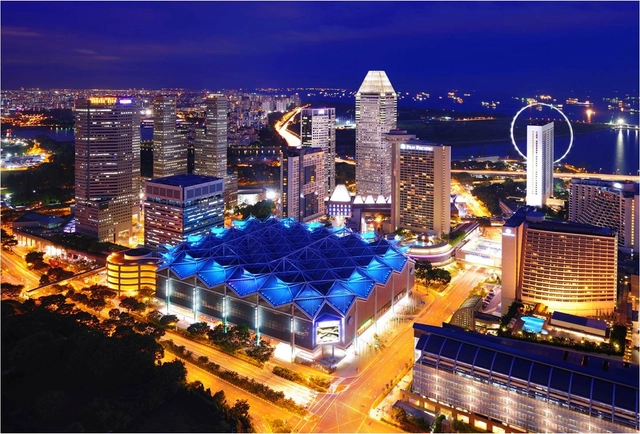
WAF 2015: Suntec Singapore Convention Centre, Singapore
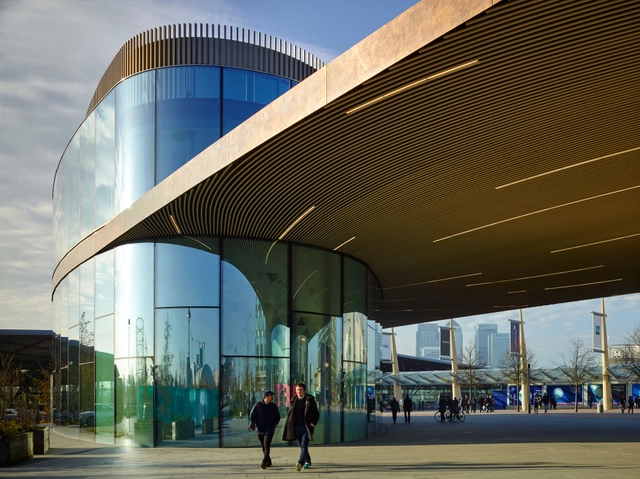
Now in its eighth year, the forthcoming 2015 World Architecture FestivalAwards (WAF) will take place in Suntec in central Singapore following three days of intensive live presentations and judging. Following a $180 million modernisation programme, the redesigned space will host WAF’s soundproofed crit rooms, auditorium and Festival Hall Stage. Entries are now invited from architects and designers for the 2015 edition of what is described as "the biggest architectural awards programme in the world." The awards are expected to attract more than 750 entries, around half of which will be shortlisted into thirty categories. The closing date for entries is the end of May, and shortlisting will take place in early June.
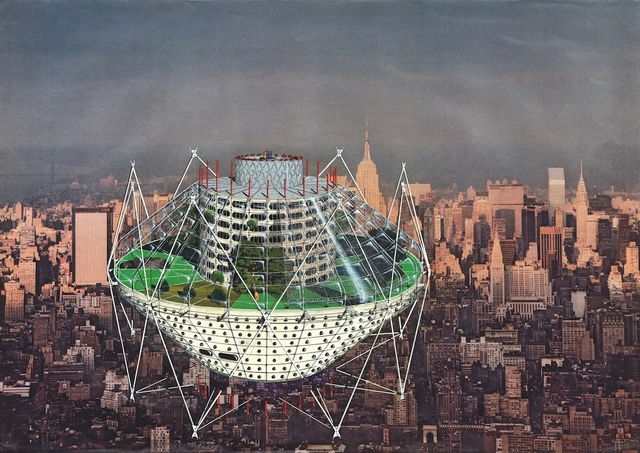
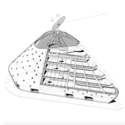
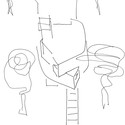
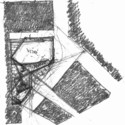
Now on view at London’s Architectural Association, Jan Kaplický Drawings presents work by the Czech architect Jan Kaplický (1937-2009) – a visionary designer with a passion for drawing as a means of discovering, describing and constructing. Through drawing he presented beguiling architectural imagery of the highest order.
The earliest projects date from the early 1970s when, for Kaplický, drawing was essentially a speculative pursuit. Whilst his days were spent working for other architects, during evenings and weekends he designed and drew at home. His architecture at this time was the plan and the finely detailed cross-section. Never satisfied, he constantly developed and honed his graphic language, perfecting the technique of the cutaway isometric which became his trademark.
A preview of Kaplický’s drawings, after the break.
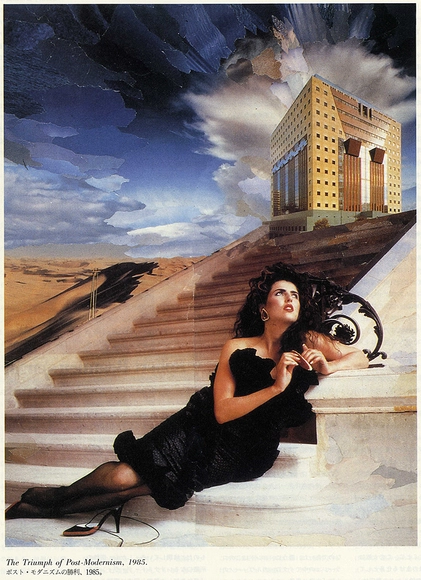
Being such a recent movement in the international architectural discourse, the reach and significance of post-modernism can sometimes go unnoticed. In this selection, chosen by Adam Nathaniel Furman, the "incredibly rich, extensive and complex ecosystem of projects that have grown out of the initial explosion of postmodernism from the 1960s to the early 1990s" are placed side by side for our delight.
From mosques that imagine an idyllic past, via Walt Disney’s Aladdin from the 1990s, to a theatre in Moscow that turns its façade into a constructivist collage of classical scenes, "there are categories in post-modernism to be discovered, and tactics to be learned." These projects trace forms of complex stylistic figuration, from the high years of academic postmodernism, to the more popular of its forms that spread like wildfire in the latter part of the 20th century.
Crystal Palace rebuild site. Image Courtesy of Bromley Council
The ambitious and seemingly well-supported plans to reconstruct London’s iconic Crystal Palace have been abandoned. As reported by the BBC, Chinese developer ZhongRong Group, who was leading the project, failed to meet the required criteria and 16-month deadline set by the south London Bromley Council, resulting in the project’s demise.
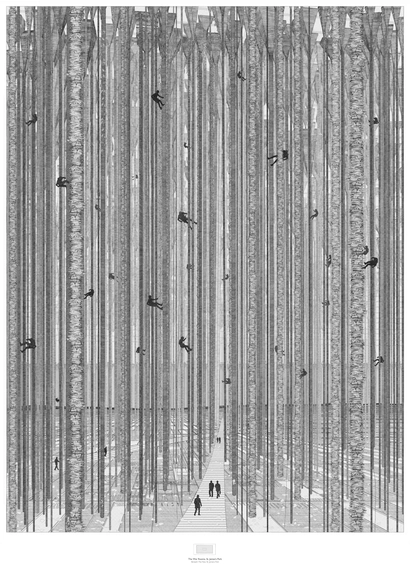
URBAN TALES will showcase three distinct architectural artwork series exploring visions of narrative based city redevelopments. Featuring RIBA Presidents Medal-winning work, these original and engaging threads of imagery from UCL architecture graduates Ned Scott, Nick Elias and Anja Kempa objectify fiction and challenge political reality. The exhibitors question the role of architecture in a changing world and use fictional narratives to design fantastical, but possible, cities. URBAN TALES will kick off with an opening party on Friday, March 6 and remain on view through April 10, 2015 at Carousel London. Read on to learn more.
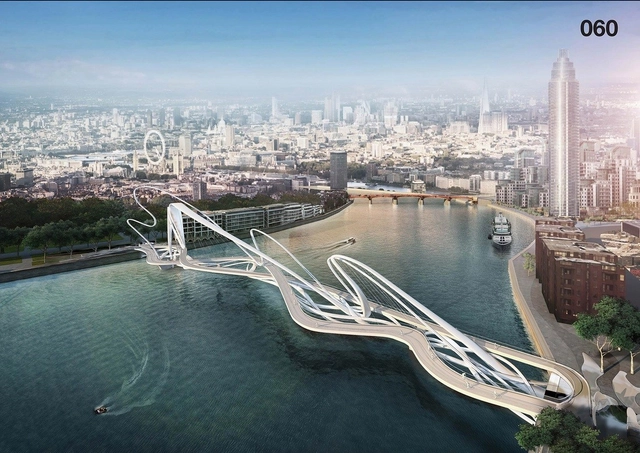
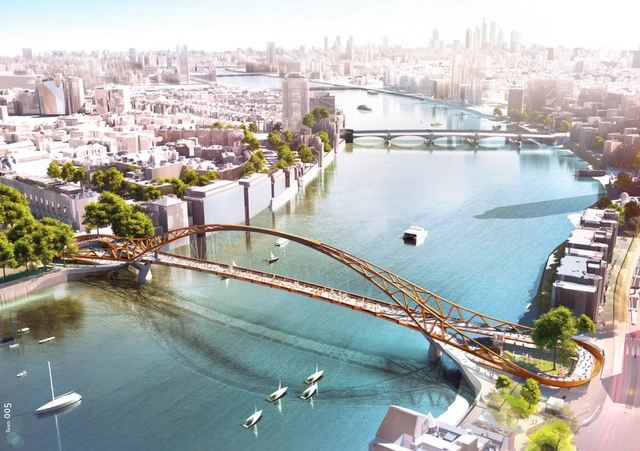
All 74 “wild designs” being considered to become London’s next “landmark” have been released to the public. As part of a two-stage competition, architects worldwide have submitted ideas for a new £40 million pedestrian and cycle bridge that will connect London’s Nine Elms and Pimlico communities over the River Thames.
The jury, chaired by Graham Stirk of Rogers Stirk Harbour, will choose four schemes to move onto the competition’s second and final round in March. These designs will be then shortlisted and further developed with input by the community and client before a winner is announced in July.
See a selection of the considered bridge designs, after the break.
The award, now in its eighth year, “celebrates design that promotes or delivers change, enables access, extends design practice or captures the spirit of the year.” 76 nominees over six categories have been selected. The jury, chaired by artist Anish Kapoor and includes architect Farshid Moussavi, will choose category winners on May 4. An overall winner will be revealed June 4.
Videos
New image showing the copper-nickel (cupronickel) cladding. Image Courtesy of Arup
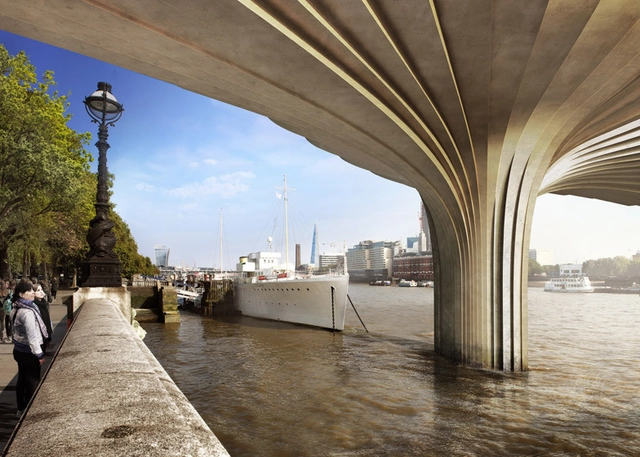
Arup have released a new image of the proposed copper-nickel alloy cladding that will adorn Heatherwick Studio's Garden Bridge in London. According to a report by the Architects' Journal, the "concrete structure will be coated in 'cupro-nickel', from its feet on the riverbed up to the base of the balustrades on the bridge deck." The copper will be donated from Glencore, a multi-national mining company, forming "a protective skin to the carbon steel structure giving it a maintenance free 120-year life, protecting the bridge from river and environmental corrosion." More than 240 tonnes of the metal alloy, which often finds use in medical equipment and ship propellers, will be used.
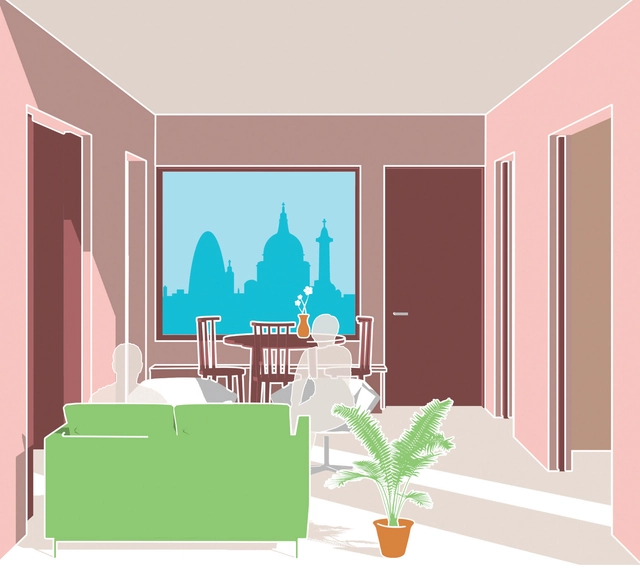
London based practice Henley Halebrown Rorrison’s (HHbR) have unveiled a scheme for affordable housing based on a model inspired by Andrea Palladio's Villa Capra (1566-1571) near Vicenza. The Pocket Rotunda model hinges around their developer’s ambition to offer new two-bedroom accommodation that will help open up home ownership to couples with young children, joint buyers, and single parent families who earn too much to qualify for social housing but are, nevertheless, priced out of the UK market.
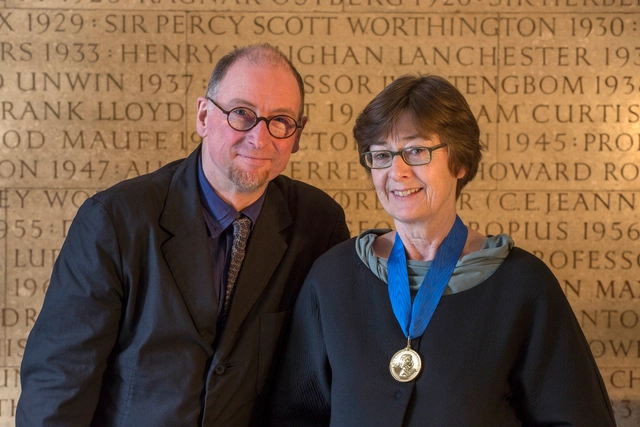
John Tuomey and Sheila O'Donnell - recipients of the 2015 Royal Gold Medal. Image Courtesy of RIBA
When Sheila O'Donnell and John Tuomey, who practice in partnership as O'Donnell + Tuomey, were named as this year's recipients of the RIBA Royal Gold Medal, a palpable collective satisfaction appeared to spread throughout the profession. No one could find criticism in Joseph Rykwert and Níall McLaughlin's nomination, nor the ultimate choice of the RIBA Honours Committee, to bestow the award upon the Irish team. Their astonishingly rigourous body of work, compiled and constructed over the last twenty five years, has an appeal which extends beyond Irish and British shores. A robust stock of cultural, community and educational projects, alongside family homes and social housing projects, leaves little doubt about the quality, depth and breadth of their mutual capabilities and the skill of those that they choose to collaborate with.
Read the conversation with the Gold Medallists after the break.
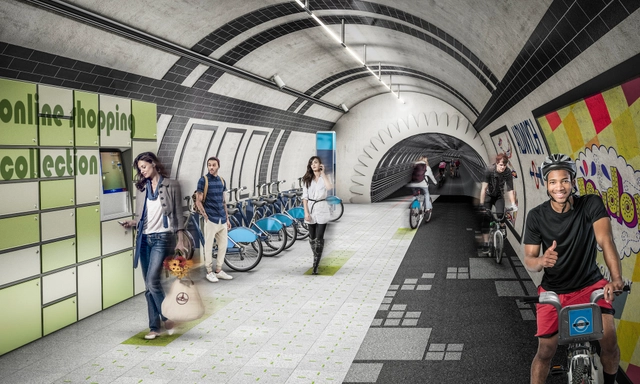
Last night, international design firm Gensler received the London Planning Award for Best Conceptual Project for its latest vision: London Underline. The proposal explores the potential of an underground bicycle and pedestrian park beneath the streets of London. Not only does this public interest design utilize existing abandoned space, but also generates the electricity to support itself simply by being used.
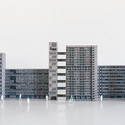
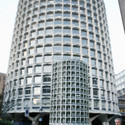
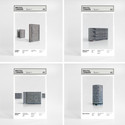
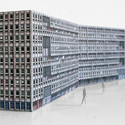
Polish studio Zupagrafika has released a collection of five paper cut-out models representing London’s brutalist architecture from 1960s and 70s. Scattered around the districts of Camden, Southwark and Tower Hamlet, the “raw concrete (paper) tour begins with iconic tower blocks (Balfron Tower and Space House), leads through council estates doomed to premature demolition (Robin Hood Gardens and Aylesbury Estate) and concludes with a classic prefab panel block (Ledbury Estate).”
The series, "Brutal London" is Zupagrafika’s unique way of cataloging London’s modernist architecture at risk of demolition.
According to a document published last month, London's aspiration to become "a great cycling city" has taken one step closer to reality. The office of the Mayor of London has approved plans to develop Europe's longest segregated bicycle lane through the centre of the city following modifications to an original plan that drew sharp criticism from residents and commuters. The new plans, which have been supported by a number of private companies and public bodies, aims to maintain vehicular traffic capacity whilst allowing the segregated cycle lanes to cater for a large capacity of cyclists.