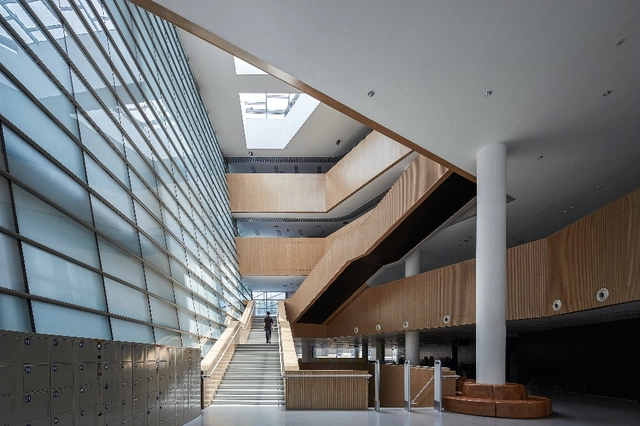
Library: The Latest Architecture and News
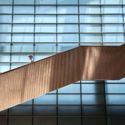
Dazhou Public Library / China Southwest Architectural Design and Research Institute

https://www.archdaily.com/792399/dazhou-public-library-china-southwest-architectural-design-and-research-institute杨奡
KAAN Architecten Integrates Historic School into New Library & Performing Arts Center
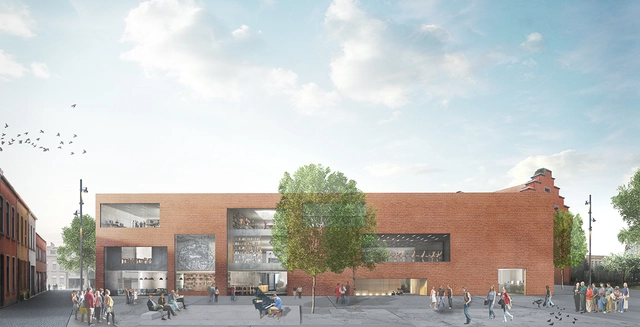
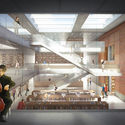
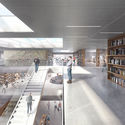
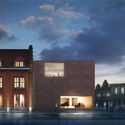
The city council of the Flemish city of Aalst have awarded KAAN Architecten with the commission for a new library and home of the Academy of Performing Arts. The building will also integrate the existing “Pupillenschool” (formerly a military school for children) to anchor the new tenant into the Belgian town’s rich history. The complex will be located at the corner of Oude Graanmarkt and Espalnadestraat, becoming a new cornerstone project where the many communities of Aalst can gather, learn and engage in cultural activities.

https://www.archdaily.com/790894/kaan-architecten-integrates-historic-school-into-new-library-and-performing-arts-centerPatrick Lynch
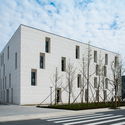
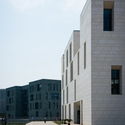
The Elegance of the White, the Charm of the Cube / STI Studio


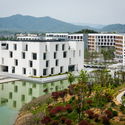

https://www.archdaily.com/789084/the-elegance-of-the-white-the-charm-of-the-cube-sti-studio周咪咪


British Library Releases Millions of Images for Public Use on Flickr
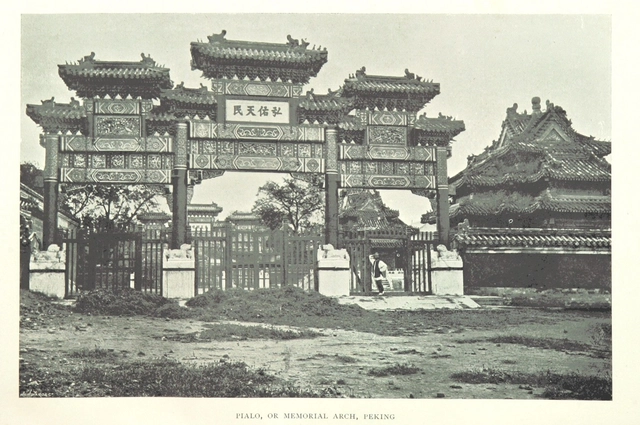
The British Library has continued to release images from its digitized collection, now bordering over one million images on public image-sharing platform Flickr, reports Quartz. Since 2013, the institution’s “Mechanical Curator” has been randomly selecting images or other pages from over 65,000 public-domain books from the 17th, 18th and 19th centuries.


https://www.archdaily.com/786826/british-library-releases-millions-of-image-for-public-use-on-flickrEric Oh
Call for Submissions: Obama Presidential Center

1. INTRODUCTION
“The Obama Presidential Center will bring to life the vision and legacy of President Obama, including inspiring an ethic of citizenship, expanding opportunity in a global age, and promoting peace, justice, and dignity throughout the world.” (Source: Obama Foundation)
This competition challenges designers to create an exceptional presidential library for U.S. President Obama (OPL). We look for design proposals with wide reaching architectural interventions that deal with the challenging South Side of Chicago, and make a case for a sustainable urban and economic growth. There are currently two potential site locations – one on the east side and the other on the west side of the University of Chicago (see p1.jpg): The Washington Park site and Jackson Park site. You are asked to make a choice between the two sites. There were numerous alter-native site proposals, e.g. sites in New York, Hawaii, Chicago etc. The Obama Foundation has identified these two properties as the ones with the most potential, based on key assumptions, opportunities and limitations relative to their contexts.
https://www.archdaily.com/782227/call-for-submissions-obama-presidential-centerRene Submissions
Marcel Breuer's Central Library in Atlanta Faces Demolition Threat
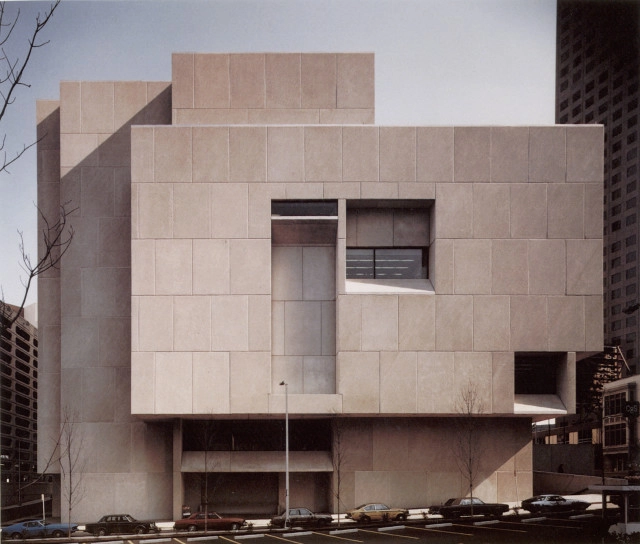
Like many Brutalist buildings in America, the Central Library in Atlanta by Marcel Breuer is facing demolition, reports The Architect's Newspaper. Completed in 1980 with a 300-seat theater, restaurant and 1 million books, the building exemplifies Breuer’s sensibilities, with its bush-hammered concrete panels and Bauhaus-inspired forms. However, over the years the building has fallen into disrepair, with its theater closing in the mid-1990s, and the restaurant closing a few years later. In 2002, the city spent $5 million on restoration. Even so, in 2008, voters approved a $275 million bond referendum, which included a proposal to replace the library by Breuer with another. Despite protests from preservationists, the building’s future is uncertain, with voters clearly calling for a new library building.
https://www.archdaily.com/785636/marcel-breuers-central-library-in-atlanta-faces-demolition-threatEric Oh
Video: Gifu Media Cosmos by Toyo Ito
The latest video in French architect and filmmaker Vincent Hecht’s Japanese Collection series features the Gifu Media Cosmos by Toyo Ito. The library/gallery features an undulating wooden ceiling and multiple large, suspended translucent funnels that define areas for different activities. A series of intermittent openings in the roof allows natural light into the space.
https://www.archdaily.com/785574/video-gifu-media-cosmos-by-toyo-itoEric Oh
15 Awe-Inspiring Libraries That Will Make You Want to Read All Day
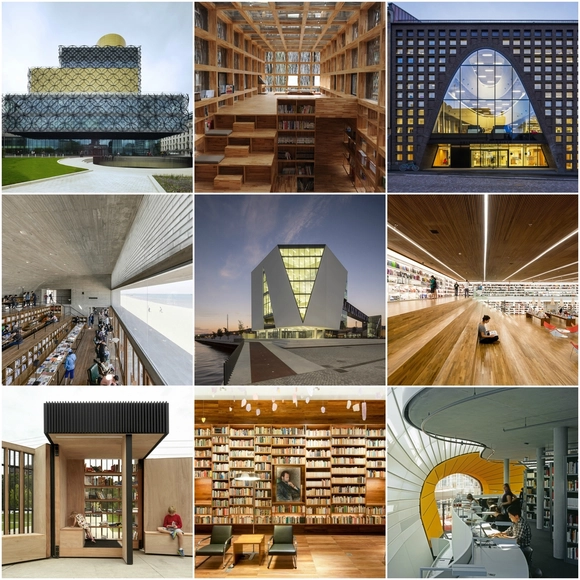
From community meeting hubs to secluded refuges, places to learn and places to study, libraries can be so much more than just a place to a check out a book. With this in mind, we’ve rounded-up 15 awe-inspiring libraries, including a Canadian church that was converted into a library, the first library in Muyinga, Burundi – built using participatory design and local materials – and the largest academic library in Finland. See what makes each of the libraries unique after the break.
https://www.archdaily.com/784703/these-awe-inspiring-libraries-will-make-you-want-to-read-all-dayKatie Watkins
OPEN's Competition Entry for New Shenzhen Art Museum and Library
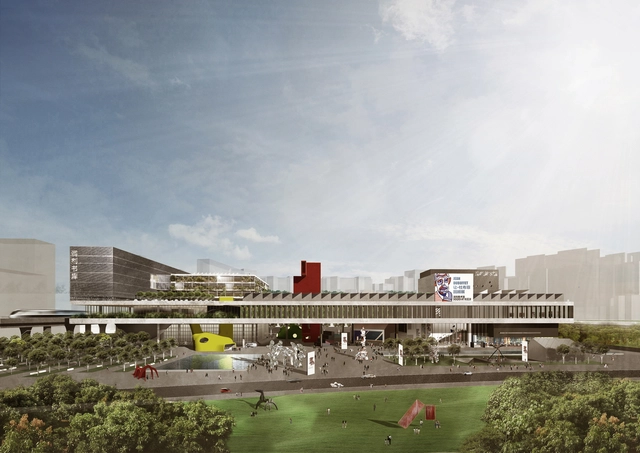
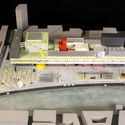
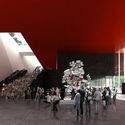
In May 2015, Shenzhen Art Museum and Shenzhen Library organized an international design competition for their new homes in Longhua District. 134 firms submitted concept proposals for the first stage, eight firms were selected to enter the second phase competition in July, among them OMA, Steven Holl, Mecanoo, OPEN, KSP, and others. Below is OPEN’s competition entry for the second phase.


https://www.archdaily.com/778163/shenzhen-art-museum-and-library-open-architecture杨奡
Atelier Thomas Pucher to Expand and Renovate the University of Graz's Main Library
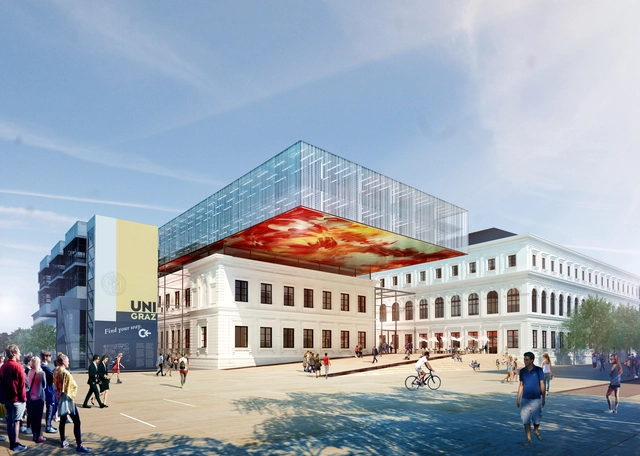
After an international competition, the contract for the extension and renovation of the Main Library at the University of Graz in Austria has been awarded to Atelier Thomas Pucher. The project, located at the heart of the campus, includes the addition of a 430 student auditorium; 650 reading/work areas; study and examination rooms; and administrative and storage areas. Read more about the winning design proposal after the break.
https://www.archdaily.com/776733/atelier-thomas-pucher-to-expand-and-renovate-the-university-of-grazs-main-libraryEric Oh
Call for Submissions: AR Culture Awards
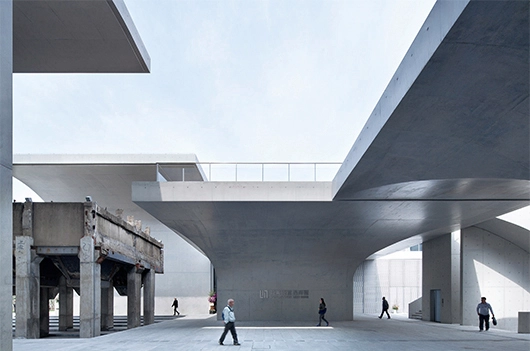
The Architectural Review is seeking the most exciting cultural buildings in the world completed in the last 5 years – from museums to performance spaces, galleries to libraries. This is your chance to be recognised on the global stage as a leading designer of cultural projects!
https://www.archdaily.com/775919/call-for-submissions-ar-culture-awardsRene Submissions
Open Call: Help House Over 860,000 Books and Media – Design the New Varna Library

The Municipality of Varna and the Chamber of Architects in Bulgaria have launched a competition open to architects worldwide to design the new Varna Regional Library. Varna, the third-largest city in Bulgaria, has lacked a proper library building for years, and the library’s collection of over 860,000 items is spread across six different buildings in the city. The new competition aims to create a single space where the collection can be brought together, while creating an attractive public space in the city’s centre.
https://www.archdaily.com/774150/open-call-help-house-over-860000-books-and-media-nil-design-the-new-varna-libraryEric Oh
The Long(ish) Read: Walter Benjamin Unpacking his Library
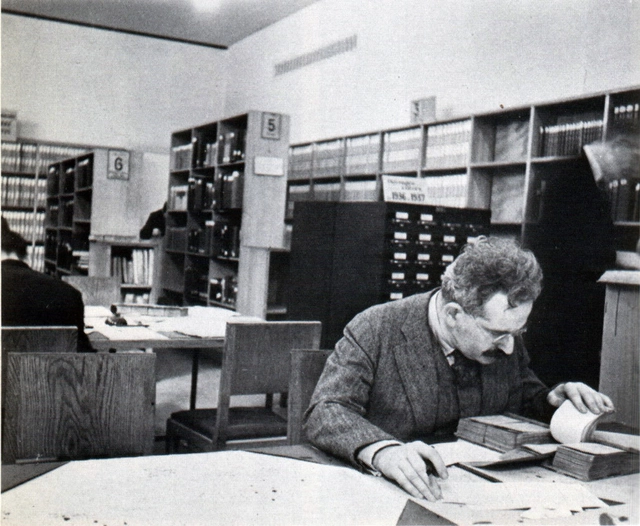
Welcome to The Long(ish) Read: a new AD feature which uncovers texts written by notable essayists which resonate with contemporary architecture, interior architecture, urbanism or landscape design. In this essay, written in 1931, Walter Benjamin narrates the process of unpacking his library. All in boxes, he takes the reader through elements of his book collection: the memories attached to them, the importance he placed on the act of 'collecting' and the process of accumulation, and how objects like books inhabit a space.
https://www.archdaily.com/771939/the-long-ish-read-walter-benjamin-unpacking-his-libraryJames Taylor-Foster
Babeliothèque: Reimagining the East Side Gallery in Berlin
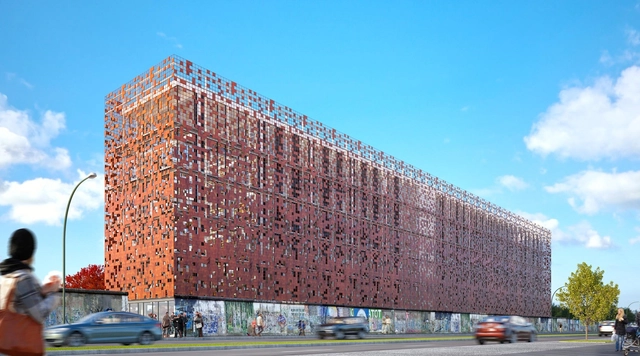
As the longest open-air gallery in the world, the East Side Gallery in Berlin is undoubtedly a popular destination for art enthusiasts, historians, and tourists alike. Covered in political artwork, the Eastern side of the largest remaining portion of the Berlin Wall has a strong historic as well as aesthetic presence. The other side, however, seems much more barren and abandoned.
With this contrast in mind, architects Emiliano Lareu and Marie de Testa have developed an idea to overcome the sense of desolation found on the opposite side of the wall. Though the designs are only a concept, they are easily imagined in the context of Berlin’s greater cityscape.


https://www.archdaily.com/771870/babeliotheque-reimagining-the-east-side-gallery-in-berlinSabrina Santos
The Chicago Prize Highlights Two Speculative Proposals for Obama's Presidential Library

The Chicago Architectural Club (CAC) has revealed the winners of its fourteenth annual Chicago Prize Competition - The Barack Obama Presidential Library - following Chicago's recent selection as one of three cities being considered to host the presidential library.
Inspiring designs across the United States, the winning entries aimed to envision a library that could both recognize the President by displaying a collection of mementos from his life and provide the basis for community programs. Contestants were asked to consider the building's context within the city of Chicago to generate a speculative proposal that not only fosters learning and exploration, but also inspires public discussion. To further encourage creativity, the library's program was unspecified, allowing participants to decide how to incorporate these civic and educational elements in their designs.
Ultimately, a distinguished panel selected two winners and three honorable mentions emerged from the competition. The winning proposals and honorable mentions are as follows:
https://www.archdaily.com/598131/the-chicago-prize-highlights-two-speculative-proposals-for-obama-s-presidential-libraryHolly Giermann
Casa de las Ideas Library / CROstudio



https://www.archdaily.com/571046/casa-de-las-ideas-library-crostudioJaviera González
Critics React to Mecanoo's Birmingham Library

With Birmingham's new public library opening last week, Mecanoo's latest large-scale public building has received mixed reviews from critics in the UK. Check out the critical responses from Hugh Pearman, The Telegraph's Stephen Bayley, The Guardian's Oliver Wainwright, The Observer's Rowan Moore, and The Financial Times' Edwin Heathcote after the break...
https://www.archdaily.com/426491/critics-react-to-mecanoo-s-birmingham-libraryJames Taylor-Foster