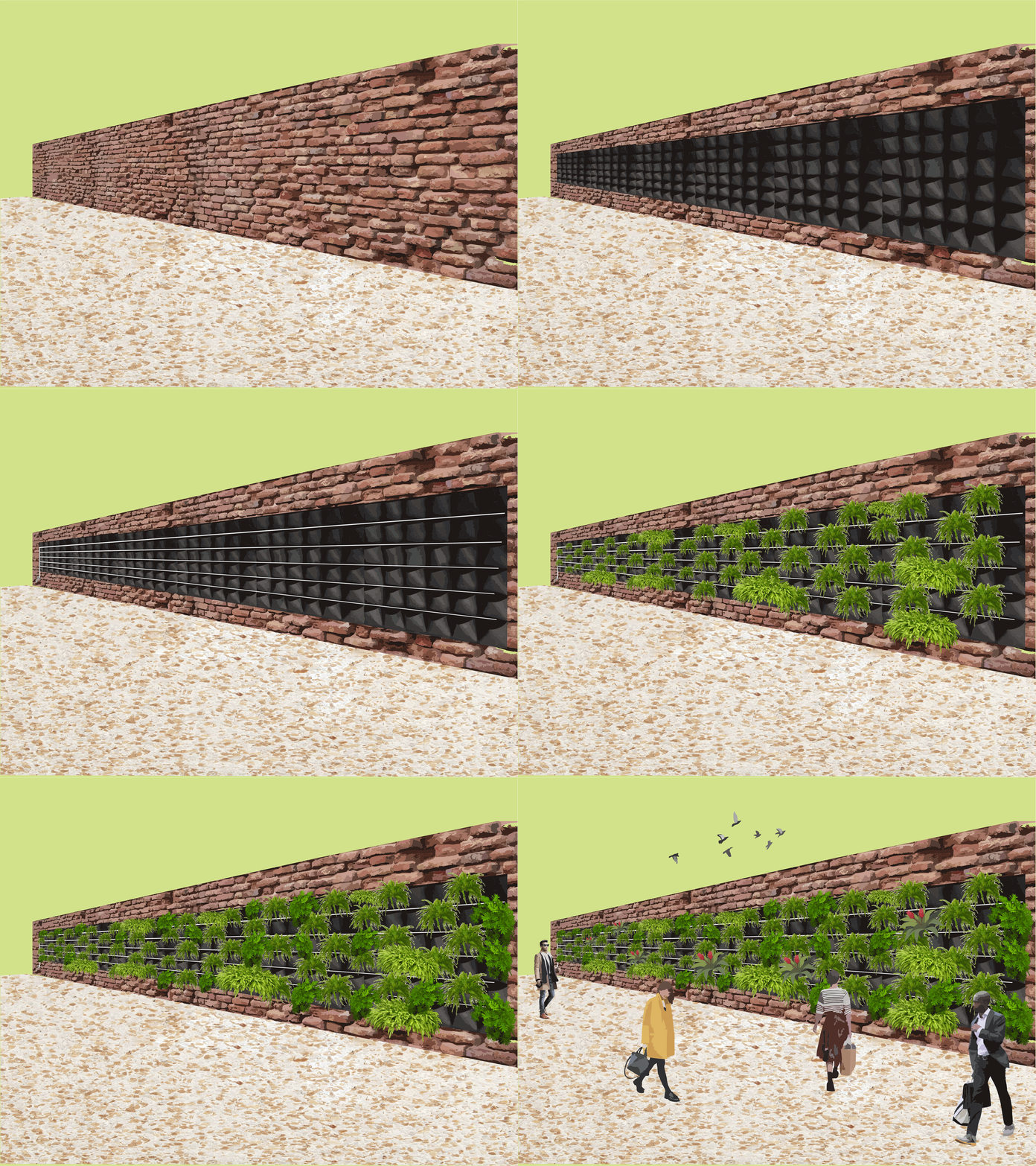
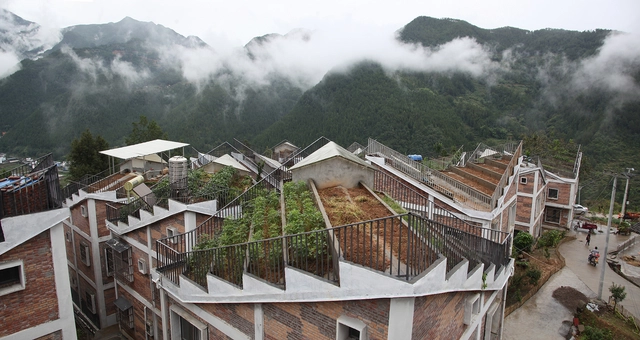
About thirty years ago, French landscape architect Patrick Blanc became a pioneer in the implementation of vertical gardens in Paris, and later in other cities around the world. Through the creation of vertical structures capable nourishing plant species, these systems allow species to grow on the facades of buildings, considerably reducing a structure's internal temperature and allowing the expansion of green areas to new (vertical) territories within the city.
Blanc's creation was part of a series of developments in understanding what nature adds to the city, recognizing the value of green spaces and their contribution to social, environmental and urban policies.
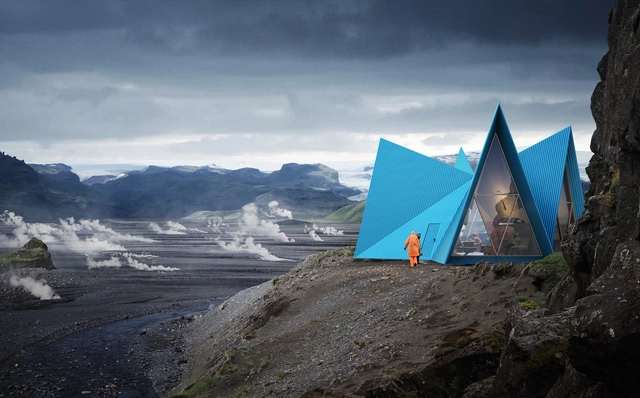
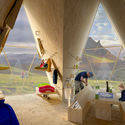
Stockholm-based architecture firm Utopia Arkitekter has designed Skýli, they are bright blue cabins that are popping up in one of the world's most beautiful landscape. The idea came from a desire to develop a structure which could be easily placed along some of the most famous trekking trails in Iceland. Not only are the lodges striking and beautiful in itself, they can be easily constructed and are built to withstand the harshest weather conditions.
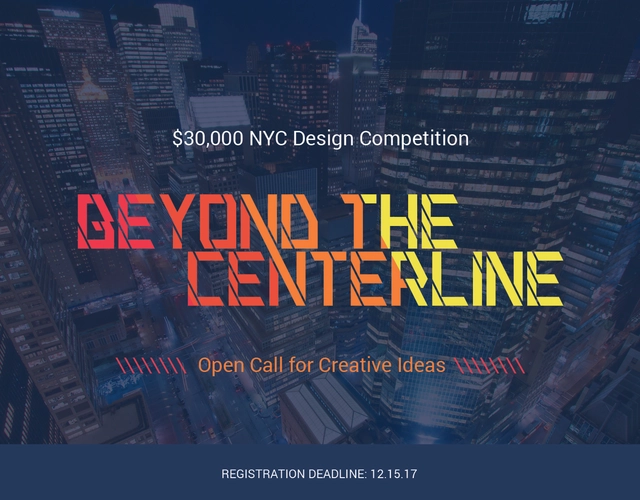
Park Avenue, one of the world’s premiere thoroughfares, is traditionally known for its tall buildings that are home to Fortune 500 companies. The medians of Park Avenue, or the “centerlines,” are traditionally characterized by plantings and periodic sculpture installations. Park Avenue medians represent a traditional element of New York City but also provide an opportunity for reinvention. Other areas of New York City, such as the High Line, have successfully transformed into an exciting destination for city dwellers and visitors alike.
Fisher Brothers is pleased to sponsor a $30,000 privately-funded design competition using the Park Avenue medians (between 46th – 57th
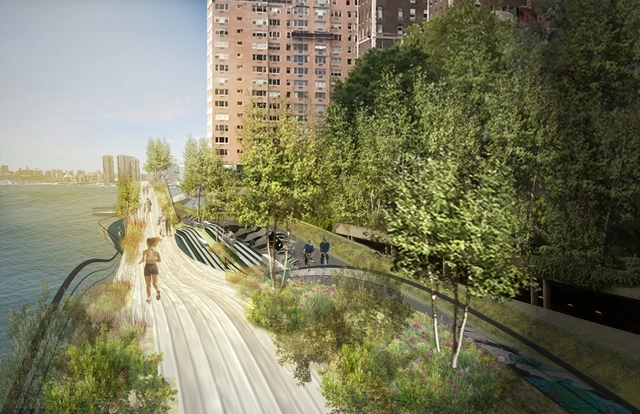
The city of New York is connecting all 32-miles of coastline with public amenities, piece by piece. To link the East River’s greenways, the interdisciplinary practice, wHY has submitted an RFP to the New York City Economic Development Corporation for the 1.1-mile long coastal stretch.
The landscape and urban design workshop as part of wHY -- wHY GROUNDS, has tackled the linear site, stretching from 53rd to 61st street, encompassing 1.72-acres of public space. The site is exceptional with its views to Roosevelt Island, the Queensborough Bridge, the Queens/Brooklyn waterfront and down to Lower Manhattan.
London Mayor Sadiq Khan proposed the challenge -- how does London become a designated National Park City-- and WATG, London-based landscape team, headed by Demet Karaoglu, accepted the challenge. In addressing the Mayor’s challenge, the team worked with Daniel Raven-Ellison, Guerrilla Geographer and Creative Explorer leading London’s campaign to become the world’s first National Park City.
Global Design Firm, Hart Howerton Announces 2018 Travel Fellowship Program
Global design firm, Hart Howerton, is now accepting applications for its 2018 Travel Fellowship Program. Open to undergraduate and graduate students in planning, architecture, landscape architecture or urban design, Hart Howerton’s Fellowship program offers students the advantages of professional office experience, collaborative interdisciplinary design and global travel and research. Fellows receive a competitive salary during their internship and a generous stipend for housing assistance along with living and travel support.
reTH!NKING team is delighted to introduce the new competition Sahara Eco House, The competition consists of the realization of a project that provides a new concept of housing in the existing environment based on the concepts of use of passive techniques that will provide a home with comfort and sufficient architectural quality.
European Urban Green Infrastructure Conference 2017
EUGIC 2017 Budapest—interactive, dynamic, exciting—urban green infrastructure leaders share nature-based solutions for cities. Global practitioners, local experts, projects from Europe and around the world.
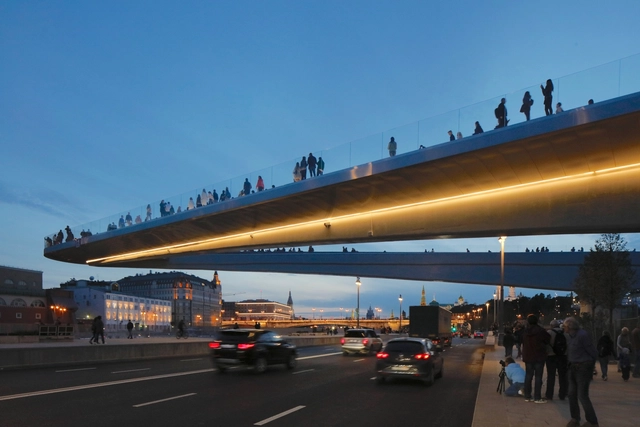
As part of the series of new urban developments sprawling up in Moscow, Zaryadye Park is the latest to open this month in a bid to improve the city’s green space. Commissioned by Moscow Chief Architect, Sergey Kuznetsov, an international consortium led by Diller Scofidio + Renfro in collaboration with Hargreaves Associates and Citymakers has designed this new public space that encourages integration and celebrates the amplitude of regions across Russia by artificially emulating each of their climates: the steppe, the forest, the wetlands and the tundra.
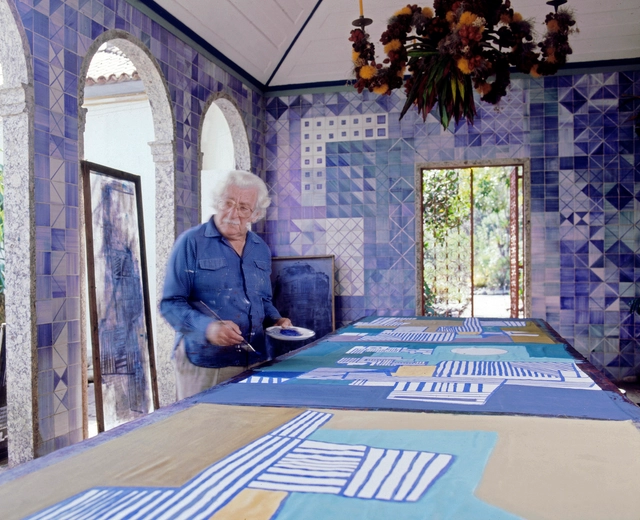
There wasn’t much in the way of art that Roberto Burle Marx couldn’t do. He was a painter, print-maker, sculptor, stage designer, jeweler, musician, tapestry-maker and one of the leading landscape architects in the 20th century. Marx’s passion for art, in all forms, strengthened his ability to design landscapes.
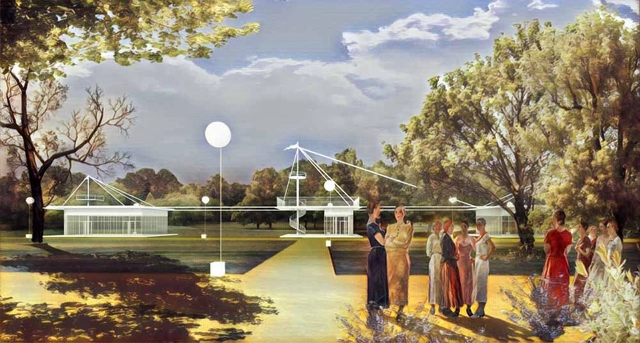
Kleinewelt Architekten in partnership with Citizenstudio / Gorozhane Group, created a re-design proposal for the Northern River Boat Station Park, also known as the Park of Five Seas, in Moscow. Built in the 1930’s, the current park is supposed to act as the city’s gateway to the five seas: the White, Baltic, Black, Azov, and Caspian Sea. However, the park is removed from city life and separates Moscow from it’s historic waterways.
Adding a plant makes any space instantly cozier. No need to have a large balcony to grow them, there are many species that develop well in living rooms, kitchens, and even bathrooms, with little maintenance as well as space efficient. The vases used also add to the composition of well-decorated environments. Flowers add color and diversity to all environments, but it is worth mentioning that species that do not produce flowers do less photosynthesis and therefore require smaller amounts of sunshine and are therefore more suitable for indoor cultivation. It is also important to note that popular names can be quite different, so you should always pay attention to its scientific names when choosing your species.
Below, we selected 12 ornamental plants ideal for indoor cultivation.
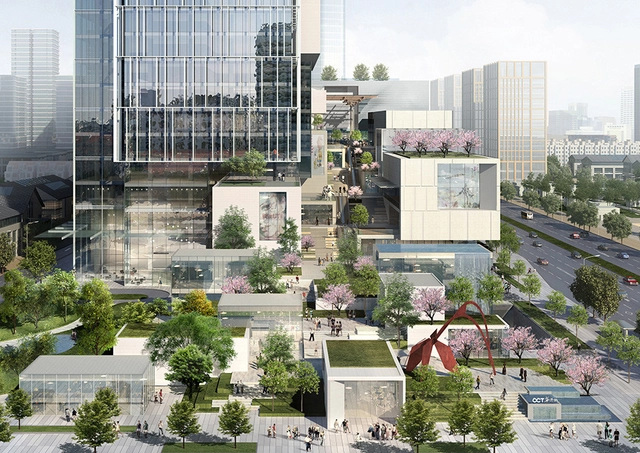
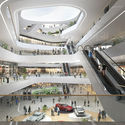
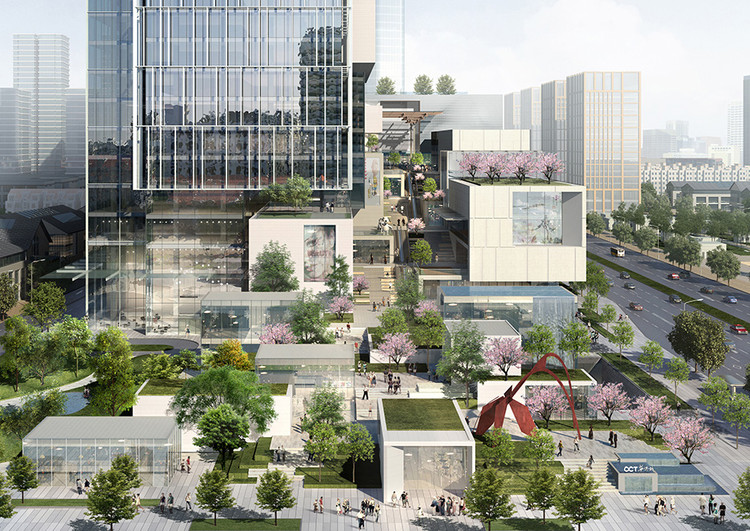
After winning a recent international design competition, EID Architecture out of Shanghai aims to redefine high-density mixed-use development in Asia through their design for the OCT Xi’an International Center (OXIC) in Xi’an, China. The architects consider their approach an exploration of vertical urbanism; the project consists of a 320-meter tall tower for offices and a boutique hotel, a 220-meter tall apartment tower, and a 12-floor podium full of retail and entertainment spaces. Visualized as an icon and cultural landmark, the design is strategically organized horizontally and vertically to create a vibrant, permeable urban center.
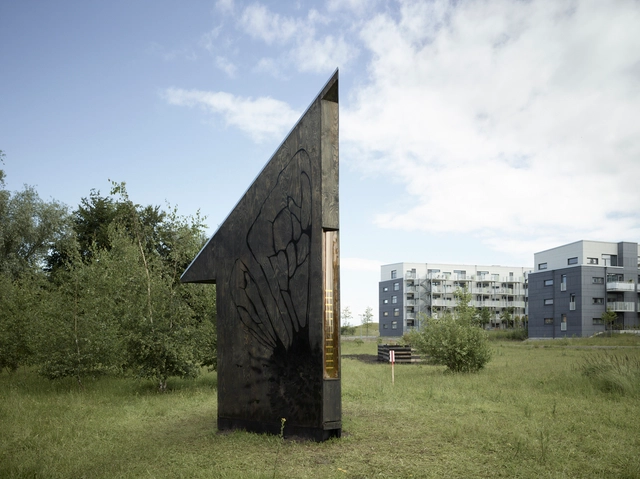
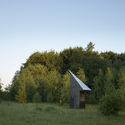
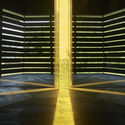
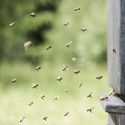
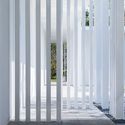
Constructed as part of Agrikultura—a triennial of public artworks and urban interventions in Malmö, Sweden—this installation, described by the designers a "maquette of a monument to the honeybee", is in fact home to an entire colony. It references—by design—the mysterious elements of 'bee orientation': verticality (gravity), geometry (the cell structure of the beehive), and the position of the sun relative to the hive. The project is, on the one hand, "a potential memorial for the bees" while, on the other, "a celebration of the sun on which all life depends."
Be seen by 1,000,000 A|N readers and Members of the A/E/C Design Community! Our Fifth Annual Best Of Design Awards is a unique project-based awards program that showcases great buildings and building elements.