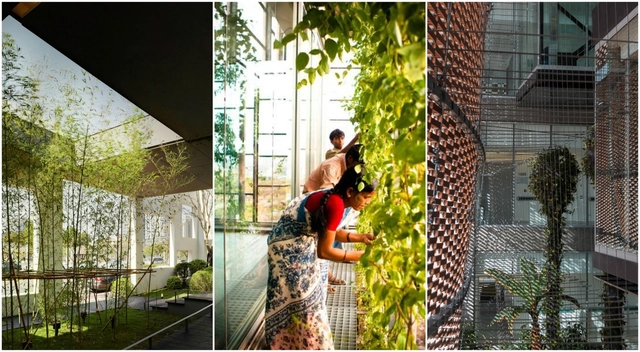
The SingaporePavilion for Expo 2020 Dubai illustrates the city's aspiration towards a sustainable future that merges architecture, nature, technology and culture. Under the title "Nature.Nurture.Future", the pavilion designed by WOHA Architects and landscape design practice Salad Dressing showcases a sample of Singapore's urban environment that epitomizes its City in Nature vision. The multi-layered green space creates a self-sufficient ecosystem highlighting ideas of sustainability and resilience through the marriage of technology and nature.
Henning Larsen has been creating projects that address cross-cultural design, tackle diverse climatic zones, and try to achieve ambitious sustainability objectives. All of this wouldn’t be possible without the use of technology and specially crafted digital and generative design tools that allow architects to treat any element as a parameter in design.
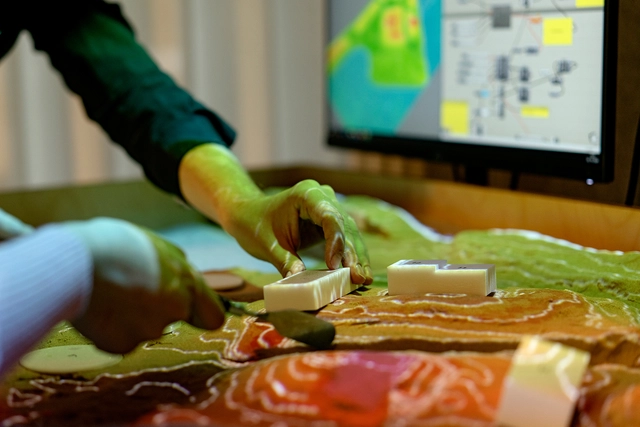
In a special interview with ArchDaily, Jakob Strømann-Andersen, Partner and Director of Henning Larsen’s Innovation and Sustainability Department talks about digital tools and their incorporation in the design process. Focusing specifically in this conversation on Sandworm, a new modeling program that uses sandboxes, Anderson explains how they have achieved to scan and directly transfer manipulated landscapes into a 3D model.
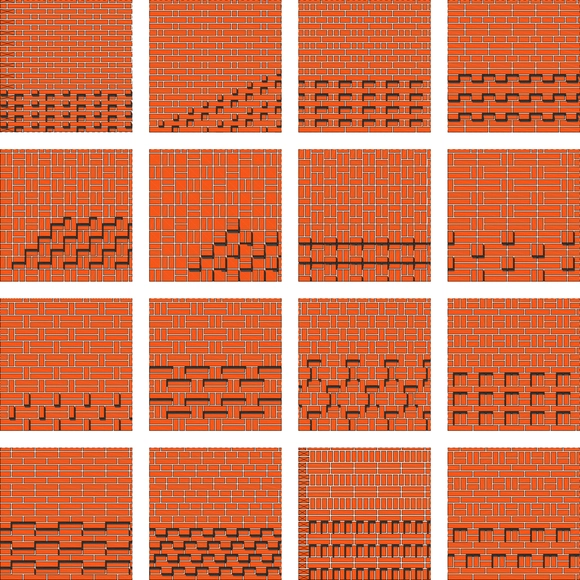
"Welcome to this strange book. With all the drawings, it might appear like a manual, but it isn't. The book is as much about joints as it is about pieces. Above all, it seeks the order that is inherent in things". These words are part of the introduction to Koen Mulder's book, "The lively surface: Masonry associations as a pattern art and tool of composition". Available in German, the 160-page manual, rigorously illustrated, presents a universe of possible pattern variations that can be created when you start designing.
We interviewed Koen to find out what inspired him to talk about this topic and to understand how he managed to gather all this information, while also figuring out the impact that this type of study can have on architecture students and architects.
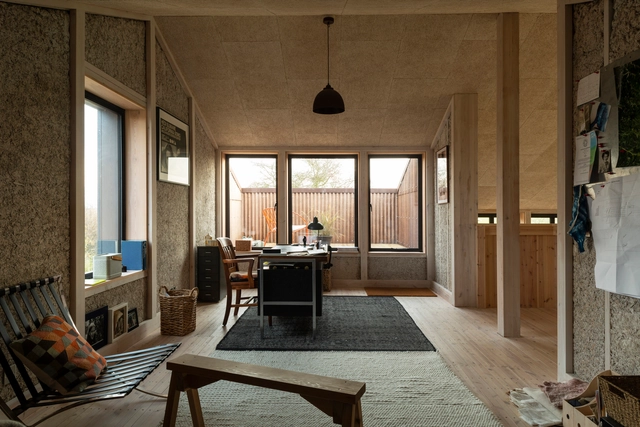
Every time we publish an article about Hempcrete, we get a lot of comments on social media - with a certain level of irony - about what would happen if the material caught fire. This is actually a legitimate question, as there is still a lot of confusion about the differences between marijuana and hemp, both of which come from the same plant species (Cannabis Sativa). But while marijuana has psychoactive effects due to tetrahydrocannabinol (THC), mainly present in the flowers of the plant, hemp-based building materials are produced from its stem, which contains small amounts of THC. To quickly answer the title question: no, the building won't be destroyed in the event of a fire. In fact, some tests have shown that these materials have excellent behavior against fire, dissipate flames, maintain structural integrity, and don't emit toxic smoke.
Over the past couple of years, many designers have voiced their commitment to ethical and ecological sourcing, resorting to frugal designs through local materials, traditional techniques, and equitable architecture. Having this approach in mind, many found inspiration in their cultural heritage, reimagining ancient designs in contemporary contexts.
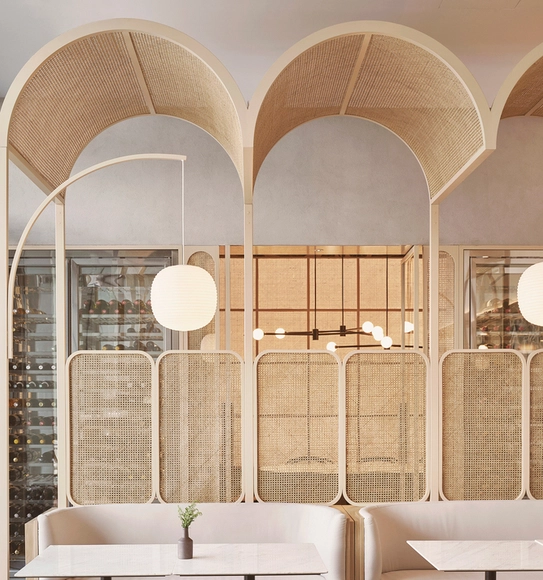
When thinking of recycled design trends, we can't overlook one of the most well-known and popular materials that was shared by nations all around the globe over the span of 100 years; on balconies, outdoor patios, gardens, and indoor living spaces: rattan. It is estimated that almost seven hundred million people worldwide use rattan, with many countries presenting it as an integral part of their cultures. In this article, we look at how architects and designers integrated rattan in their designs and found numerous ways to make the best out of Southeast Asia's popular local material.
Zero kilometer materials can be purchased locally, do not need to be transformed by large stages of industrial processing or toxic treatments and, at the end of their service life, they can be returned to the environment.
For example, wood from a nearby forest eliminates the need for long transfers, valuing local resources, and allowing architecture to lessen its environmental impact while committed to the landscape and context.
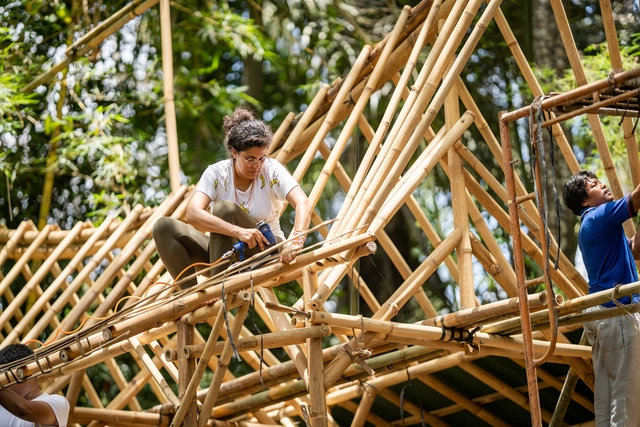
While bamboo holds incredible potential as a building material, efforts to build durable bamboo structures often fall short with errors made in both the design and building process. Bamboo structures are often criticized for their lack of durability, and before treatment technology was discovered, this was one of the pitfalls to building with bamboo, nowadays however, architecture firms like IBUKU have proven that if designed well, treated right, and maintained a bamboo structure can last a lifetime.
Besides poor treatment, there are other errors made when building with bamboo and these are often overlooked, but they hold equal weight in ensuring the longevity of a bamboo structure. There are plenty of great guides that explain how to build with bamboo, however information falls short when addressing what not to do. In this article, we will share how to avoid the most common mistakes when building with bamboo.
Ronald McDonald House of British Columbia . Image Courtesy of reSITE
In a Design and the City episode - a podcast by reSITE on how to make cities more liveable - Vancouver-based architects Michael Green and Natalie Telewiak advocate for more sustainable building on Earth, with a special mention for one of their preferred materials - wood. The interview sees the two architects balance the benefits and disadvantages of mass timber construction, which they are a strong proponent of as evidenced by their project T3, a LEED Gold Certified, seven-story timber office building in Minneapolis, Minnesota.
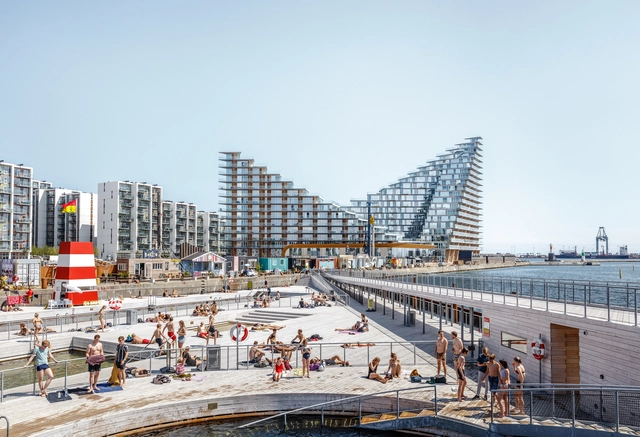
AARHUS, Image by Rasmus Hjortshoj . Image Courtesy of BIG
"The future is already here, it's not just very evenly distributed". Starting off with this William Gibson quote, BIG’s latest publication Formgiving looks at the past and present in order to determine the future. Talking of predictions that aren’t so far down the road, but rather than could occur in 5, 10, or 50 years, the book seeks to “give form to the future”, or to what has not taken shape yet.
ArchDaily had to chance to interview Kai-Uwe Bergmann, Partner at BIG-Bjarke Ingels Group, and discuss not only the firm’s latest manuscript but the trilogy of publications: Yes is More, an “Archicomic on Architectural Evolution”, Hot to Cold an “Odyssey of Architectural Adaptation”, and Formgiving, an “Architectural Future History”.
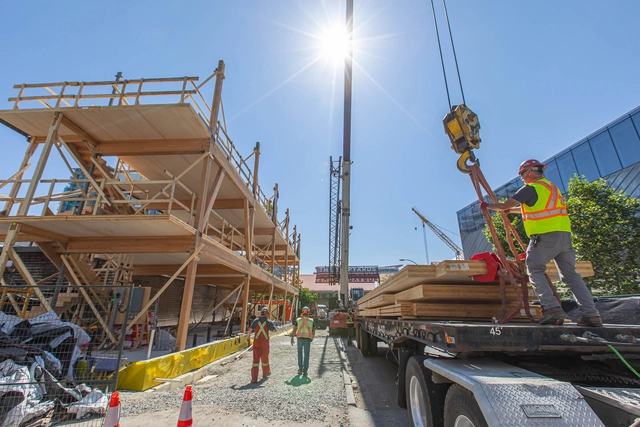
Mass timber components for this project were prefabricated offsite which not only aids in the ability for on-site assembly but also aids in the disassembly of projects in the future if needed. Timber's versatility allows it to be disassembled and then reassembled into other buildings and furnishings, sequestering carbon for longer so long as it stays out of the landfill. Photo: PH1 construction by Naikoon Contracting, KK Law. Image Cortesia de naturallywood.com
The first Shikinen Sengu was held in the year 690, in the city of Ise, Mie Prefecture, Japan. It consists of a set of ceremonies lasting up to 8 years, beginning with the ritual of cutting down trees for the construction of the new Ise Shrine and concluding with the moving of the sacred mirror (a symbol of Amaterasu-Omikami) to the new shrine by Jingu priests. Every 20 years, a new divine palace with exactly the same dimensions as the current one is built on a lot adjacent to the main sanctuary. Shikinen Sengu is linked to the Shinto belief in the periodic death and renewal of the universe, while being a way of passing on the ancient wood construction techniques from generation to generation.
The idea of creating a building that will have an expiration date is not a common one. In fact, the useful life of a structure is often given little consideration. When demolished, where will the materials go? Will they be disposed of in landfills or could they be reused in new projects? There are certain construction methods and materials that make this process easier. Others make reuse unfeasible, due to several factors.
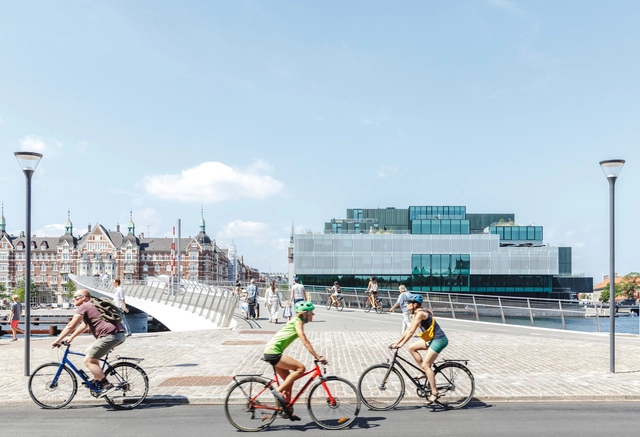
Following Rio de Janeiro’s inaugural hold of the title, Copenhagen has been named World Capital of Architecture for 2023 by UNESCO and will host the International Union of Architect’s World Congress 2 years from now. At its second edition, the initiative supported by UNESCO in partnership with UIA is meant to highlight the role of architecture and urban planning in shaping a sustainable future and tackling global challenges. Designated triennially, the city World Capital of Architecture will become an international forum for debate around issues related to the urban environment.
Bringing the weather inside is usually the opposite of what you want from a building envelope. However, new research from the University of Oregon, described in an article by The Washington Post, aims to show the physical and psychological benefits of letting nature inside. Signs of nature and change are both beneficial to our well-being, yet we don’t always have access to them when inside buildings—and humans are now spending 90% of our lives inside. But even in an urban setting, where nature may be hard to come by, there’s no escaping the weather. When researchers found ways to bring things like wind and dappled reflections of the sun inside, they found that exposure to these natural movements lowered heart rates, while being less distracting than similar artificially generated movements.
By now, green buildings are a familiar concept, but the article in The Washington Post proposes moving beyond green buildings as we know them today. While green building can be great in new construction, that excludes a lot of existing buildings that could and should also benefit from an intervention of nature. Ideally, buildings should actively demonstrate their relationship with nature, moving beyond simply “doing no harm.”
It is believed that copper was the first metal to be found by men and used in the manufacture of tools and weapons. This occurred in the last period of prehistory, more than 10,000 years ago, in the so-called Metal Age, when groups, until then nomadic, started to become sedentary, developing agriculture and starting the first urban settlements. Copper has since been used in diverse ways. Used for decorative objects, jewelry, automotive parts, electrical systems, and even for dental amalgams, the material has had huge demand. In architecture, copper coatings are greatly appreciated for their aesthetics and durability. But a factor worth mentioning is that copper can be recycled infinitely, practically without losing its properties.
Vertical Glass House / Atelier FCJZ. Image Cortesia de Atelier FCJZ
When water runs down the drain or we flush it down the toilet, we usually don't care where it ends up. This is because with adequate basic sanitation, wastewater shouldn't be a concern. Yet, although humanity has already taken man to space and plans to colonize Mars, it continues to fail to provide basic living conditions for a large part of its population. A comprehensive study estimates that 48% of global wastewater production is released into the environment untreated. The UN, in turn, presents a much less encouraging figure, citing that 80% of the world's sewage is released without treatment. But returning to the question of the title, there are basically two destinations for sewage if it is not being released directly into the natural environment: it can be treated locally through septic tanks, or connected to a sewage treatment plant through the sewage network, eventually returning to nature after a series of treatment processes.
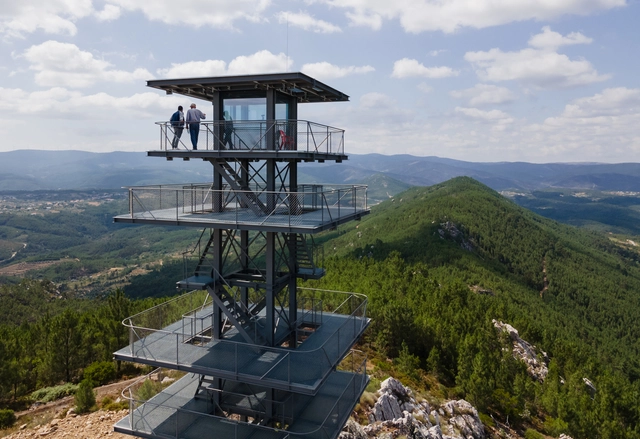
Álvaro Siza's latest project in Portugal is a 16-meter high watchtower built with a lightweight steel structure featuring photovoltaic panels on the roof. This project is very different from most of Siza's works, both in terms of scale and materials. The watchtower is located in Serra das Talhadas, in the municipality of Proença-a-Nova, and is part of a larger project comprising several structures dedicated to ecotourism in the area, including the still unbuilt Miradouro do Zebro.
Caius Sergius Orata is credited, by Vitruvius, with inventing the hypocaust. The word, from the Latin hypocaustum, in a literal translation, means access from below. The hypocaust is a raised floor system on ceramic piles where, at one end, a furnace—where firewood is burned uninterruptedly—provides heat to the underground space, which rises through walls constructed of perforated bricks. Hypocausts heated, through the floor, some of the most opulent buildings of the Roman Empire (including some residences) and, above all, the famous Public Baths.
With a similar function, but in the East, there existed the ondol. It is estimated that it was developed during the Three Kingdoms of Korea (57 BC-668 AD), but researchers point out that the solution was used long before that. The system also manipulated the flow of smoke from agungi (rudimentary wood stoves), rather than trying to use fire as a direct heat source like most heating systems. It even caught the attention of Frank Lloyd Wright, as pointed out in this article, who adapted the system to use it in heating homes in the United States and in his important Imperial Hotel in Tokyo. How do radiant floor heating systems currently work?
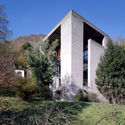
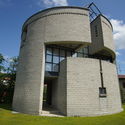
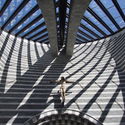
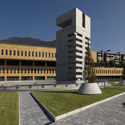
Swiss architect Mario Botta is known for his geometrically imposing, spatially captivating structures that are invariably dressed in zebra-like horizontal stripes in either black and white or red and white combinations. These both traditional and strikingly modern villas, chapels, wineries, schools, libraries, museums, company headquarters, banks, and residential blocks are scattered throughout towns and mountainous villages in the architect’s native Ticino region in southern Switzerland, extend all over Europe and can be encountered in places as far away as China, India, South Korea, Japan, and the USA.
Residência GAF/Jacobsen Arquitetura. Image Cortesia de Jacobsen Arquitetura
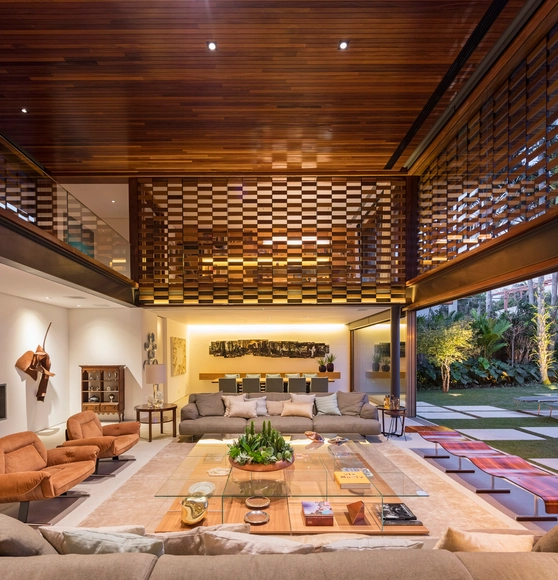
When designing homes, architecture is constantly evolving and adapting to environmental conditions. Each climate has specific needs and requires different solutions in terms of comfort. Hot and humid environments require a very different design from cold and dry environments. Natural ventilation, for example, is very important in projects located in warm climates.











.jpg?1615469357&format=webp&width=640&height=580)









.jpg?1503108285 "© Alejandro Arango")