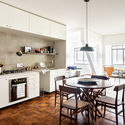
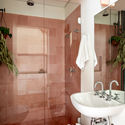
-
Architects: Balaio Arquitetura
- Area: 1722 ft²
- Year: 2020
-
Manufacturers: Abra Casa, Cremme, Deca, Fernando Jaeger, Portobello, +5
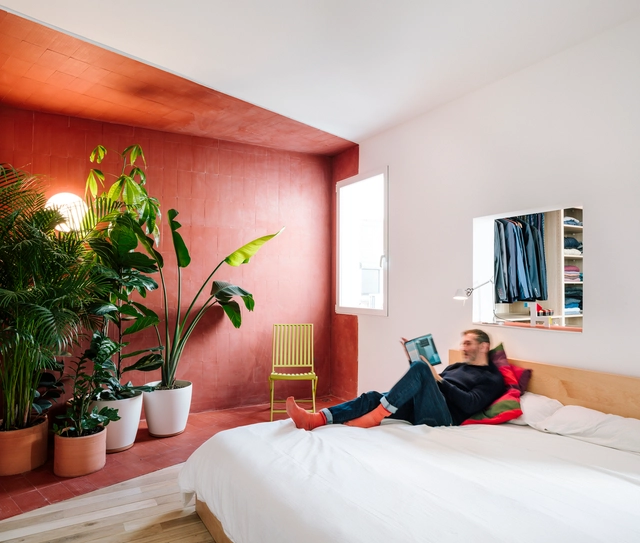
As cities around the world go on lockdown in response to the COVID-19 outbreak, most individuals have been asked to stay at home, leaving only essential workers - EMTs and other healthcare professionals, grocery workers, bus drivers, deliverymen, and more - continuing to go out to keep the world running. Other families and individuals have found themselves spending most of their time at home, permitted to leave only to buy groceries or exercise for limited periods of time. With many no doubt searching for ways to pass the time in replacement of social interaction, we suggest several ways to brighten up your home while practicing social distancing, both improving the space you’re in and giving possible activities to pass the time.
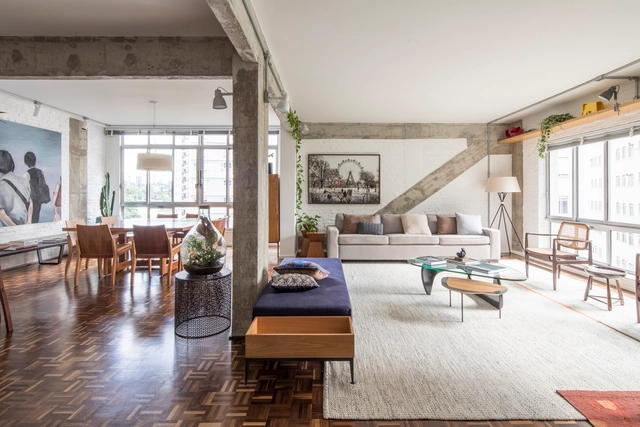
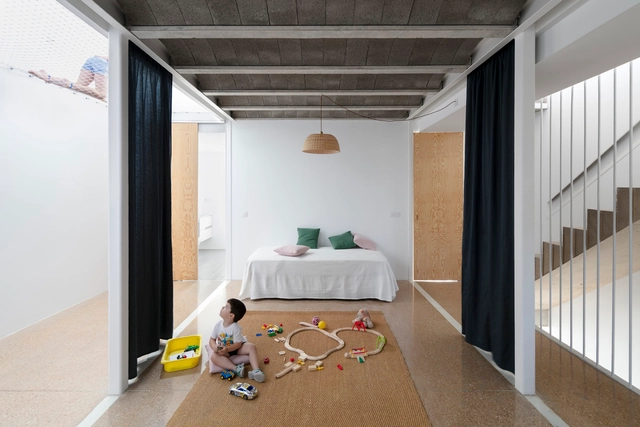
Over the past few decades, interior spaces have become increasingly open and versatile. From the thick walls and multiple subdivisions of Palladian villas, for example, to today's free-standing and multi-functional plans, architecture attempts to combat obsolescence by providing consistently efficient environments for everyday life, considering both present and future use. And while Palladio's old villas can still accommodate a wide variety of functions and lifestyles, re-adapting their use without changing an inch of their original design, today, flexibility seems to be the recipe for extending the useful life of buildings as far as possible.
How, then, can we design spaces neutral and flexible enough to adapt to the evolving human being, while still accomplishing the needs that each person requires today? An ancient element could help redefine the way we conceive and inhabit space: curtains.
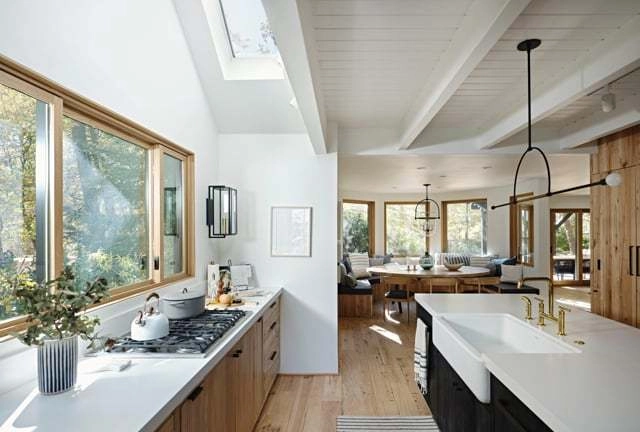
Danish company VELUX began with a belief in building healthier homes. Created over 75 years ago by Villum Kann-Rasmussen, the manufacturer has now expanded around the world, with millions of people getting fresh air and daylight through their products. With recent events on the COVID-19 pandemic, Lone Feifer and Peter Foldbjerg of VELUX explore how architects and designers can find better ways to work at home and create healthy living spaces.
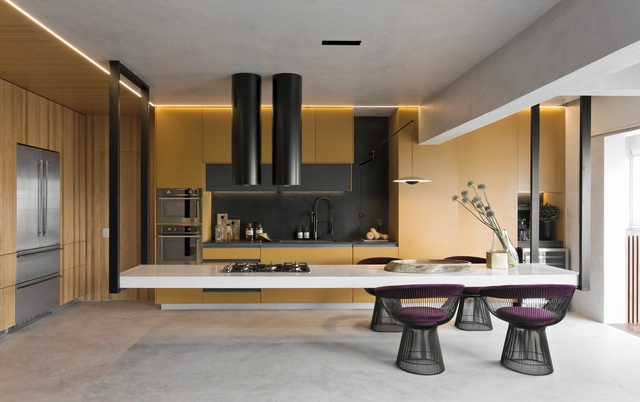
When designing residential spaces, be it a new construction or a renovation, the kitchen is a space that tends to be one of the most complex. Not only does it need to serve a very specific function, but it also needs several pieces of furniture, household appliances, and the ability to adapt to electrical and plumbing considerations. Kitchens often also serve as an hub for social interactions and family gatherings, so it is critical that the space can provide a degree of flexibility.
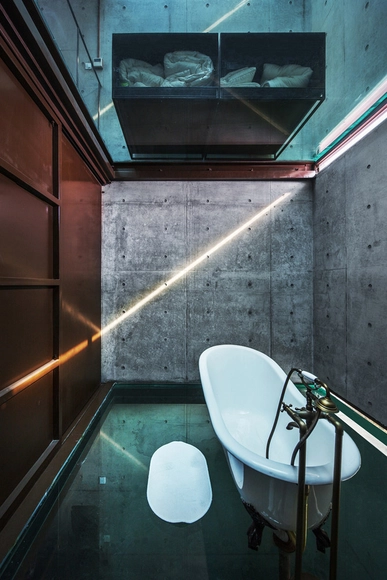
Since the beginning of modernism, countless architects have expressed their architectural theories and concepts through the design of residential interiors. In Vanna Venturi House, Venturi exaggerated the scale of internal components to create a counterbalance to the small house, expressing complexity and contradiction. In Villa Mairea, Alvar Aalto built an ‘imperfect’ home, as a way of rebelling against the strict aesthetic standards of functionalism.
Conceptual and theoretical experimentation of housing interiors in China has had a delayed start due to political influences and differing pace of development. While the birth of communism lead to standardisation, rapid urbanisation and economic rebirth has provided the perfect catalyst for architects to challenge the status quo and conceptualise new definitions of interior and living.
.jpg?1584977960&format=webp&width=640&height=580)
As people are spending more and more time inside their homes, offices, and other closed areas, it is important to ensure that these spaces are safe and healthy environments, especially indoor areas designed for children and seniors. In recent years, several of the materials that shape the spaces we inhabit and directly influence the quality of the air we breathe have increasingly used a potentially dangerous chemical compound. This compound is called formaldehyde.
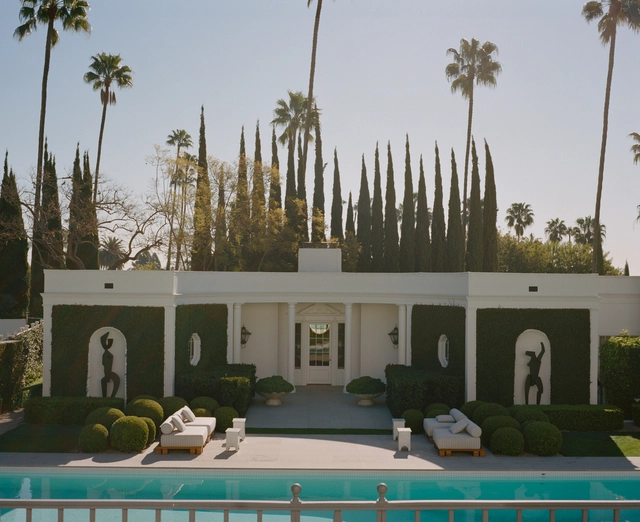
In the latest episode of NOWNESS’ flagship series IN RESIDENCE, American interior designer Kelly Wearstler shares the story and design of her home, a Beverly Hills Georgian-style pavilion, where old and new intertwine.
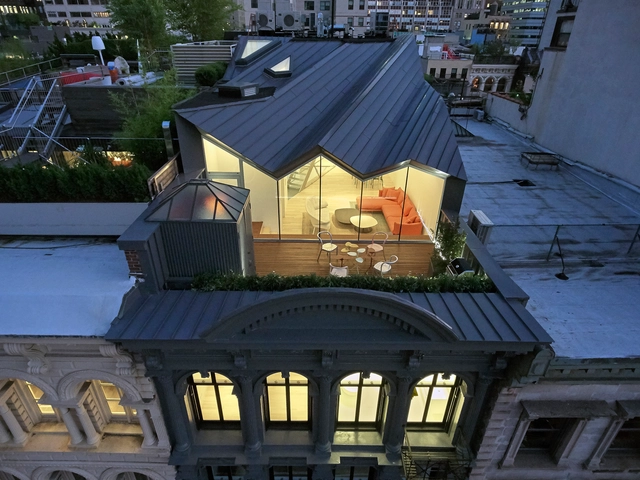
One of the most important cities in the world –and the most populated in the United States of America–, New York is home to a great mix of cultures and history that has been shaped over the years, while art and architecture play a fundamental role in this development.

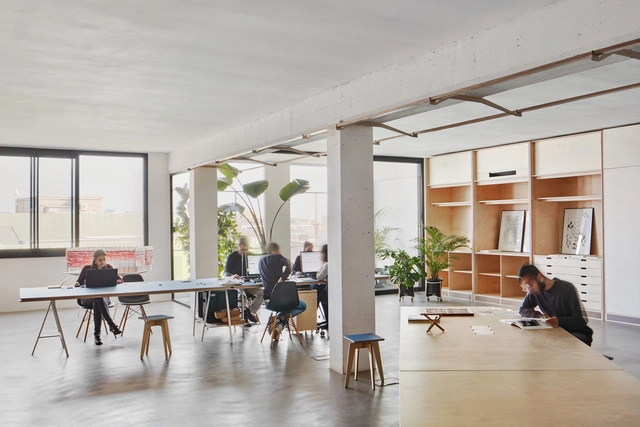
The year is 1985, you’re packing your briefcase to head to the office, where you’ll sit behind a desk to do some paperwork. Fast forward to 2020, and you’re having a conference call with the entire team from the coffee shop across the street. Relatively, not much has changed; work is still being completed by the end of the day, it’s just with a different scenery.
Employees nowadays are looking for something more than just a job behind a desk. They want to work in a dynamic, inspiring space that adds value to their knowledge and promotes their mental and physical well-being. But this wasn’t the case a century ago. Take a look at how offices evolved throughout the years, and what we can look forward to in the future.

If you don't like a specific musical style, the theater bores you, or you're not attracted to works of art, you can almost always avoid them. Architecture, however, is different. A poorly thought-out project will affect the lives of many people consistently and for a long time. With interiors, this effect is even more amplified. Humanity is spending more and more time indoors, which directly impacts our well-being and health. In periods of compulsory retirement, as in the current pandemic of Covid-19, we gain a sense of how important interior spaces are for our well-being and even for the prevention of diseases. Designing an indoor environment is a huge responsibility for a professional. An interior designer must plan, research, coordinate, and manage these projects to obtain an adequately healthy and aesthetically pleasing environment for the people who use the space. But what, in fact, is interior design?
.jpg?1583859382&format=webp&width=640&height=580)
In 2018, the UN released an article stating that 55% of the world’s population already lived in urban areas, predicting that by 2050 this percentage would reach 68%. This trend toward greater urbanization carries with it several implications regarding environmental degradation and social inequality. According to National Geographic, urban growth increases air pollution, endangers animal populations, promotes the loss of urban tree cover, and heightens the likelihood of environmental catastrophes such as flash flooding. These health hazards and catastrophic phenomena may be more likely to impact poorer populations, as larger cities tend to demonstrate higher rates of economic inequality and uncontrolled growth tends to produce unequal distributions of space, services, and opportunities.
To mitigate these negative effects of urbanization, designers are increasingly prioritizing sustainability and the maximization of available space – allowing more people to occupy less space with a smaller footprint.
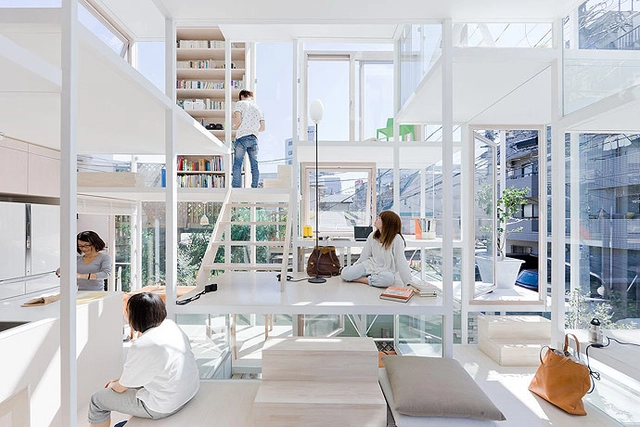
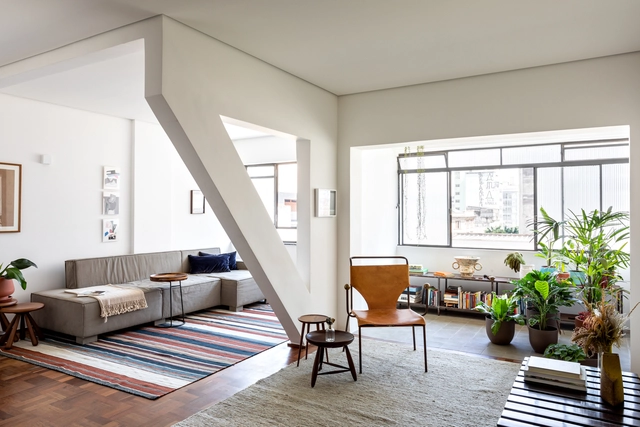
A few years ago, the idea that houses and apartments are dedicated exclusively to living was redefined. This has happened because the contemporary times brought a large number of social changes that influenced the manner we use the spaces. With defiant routines and increasingly flexible companies concerning the workspace, it is more and more common that the residence becomes the office. However, with house plans becoming smaller, it has became a challenge thinking functional spaces or ones that could be refurbished in seconds to be used as Home Office. With this idea in mind, we compiled some projects in small spaces, which interior design solutions can help you in your next projects. Check out the following selection:
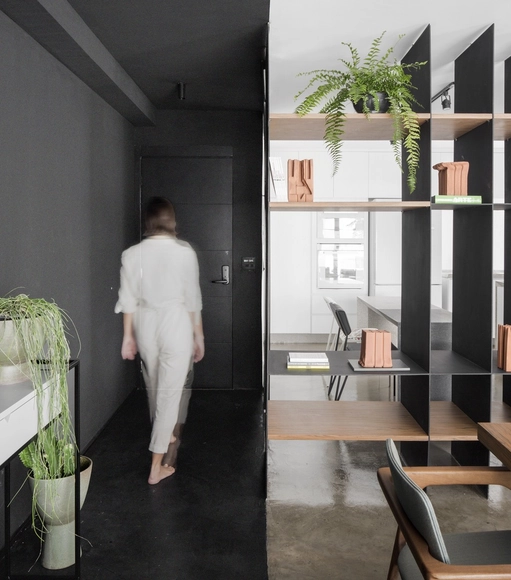
With most of our lives spent indoors, the space we occupy has a major role in our psychological behavior. Environmental psychology or Space psychology is, in fact, the interaction between people and the spaces they inhabit. Lighting, colors, configuration, scale, proportions, acoustics, and materials address the senses of the individual and generate a spectrum of feelings and practices.
From inducing warmth and safety, defining well-being, or creating a positive and efficient working environment, space can have a whole lot of impact on how we act or on what we feel; therefore, design and creative measures should be considered according to the social and psychological needs of the occupants.
_Thibaut_Dini.jpg?1584106340&format=webp&width=640&height=580)
Interior design within architecture has become extremely relevant as architects and designers are responsible for creating pleasant spaces for people. Have you ever wondered why there are spaces in which we could stay for hours and others that generate instant rejection? These sensations are achieved through the correct management of various parameters that guarantee comfort in interior spaces.
Comfort in interior design, explained in a simple way, is provided in spaces that produce well-being. This, undoubtedly, can be a somewhat subjective and personal concept for each individual, but there are several parameters and building regulations to follow in design projects.






.jpg?1585197773 "15 Union Square West / ODA Architecture + Perkins Eastman Architects. Image © Robert Granoff")
_Frank_Oudeman_19.jpg?1585198175 "15 Renwick / ODA New York. Image © Frank Oudeman")






.jpg?1583859382)

_Norihito_Yamauchi.jpg?1584103338 "© Norihito Yamauchi")
_Jan_Vranovsky.jpg?1584097164 "© Jan Vranovsky")
_Tess_Kelly.jpg?1584097178)
_.jpg?1584104381 "© Shengliang Su")
_Thibaut_Dini.jpg?1584106340)