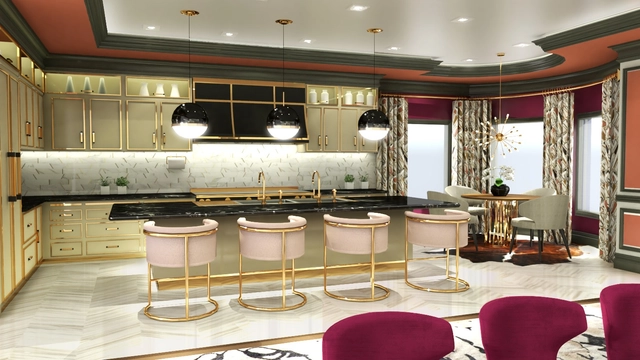
Andre Silvestre of Suffolk University won first place in the residential category for the 2019 competition for his design, titled “A Symphony of Color."
The 2020 Sherwin-Williams Student Design Challenge is now open and accepting residential and commercial project submissions through March 15. This year’s annual competition marks a decade of Sherwin-Williams inviting students to create award-winning interior renderings for a chance to win cash prizes, receive national recognition and celebrate their excellence in design.
Unfortunately, we've probably all experienced the unfortunate surprise of finding mold at home. These undesirable black and greenish spots, usually seen in dark, damp corners, may seem harmless at first, but they pose a major problem for buildings and occupants. Because the tendency of mold is to continuously spread, it gradually contaminates other materials and surfaces, causing a characteristic smell and contaminating the air. But how is it possible to control it and, mainly, to prevent it from occurring through architectural design?
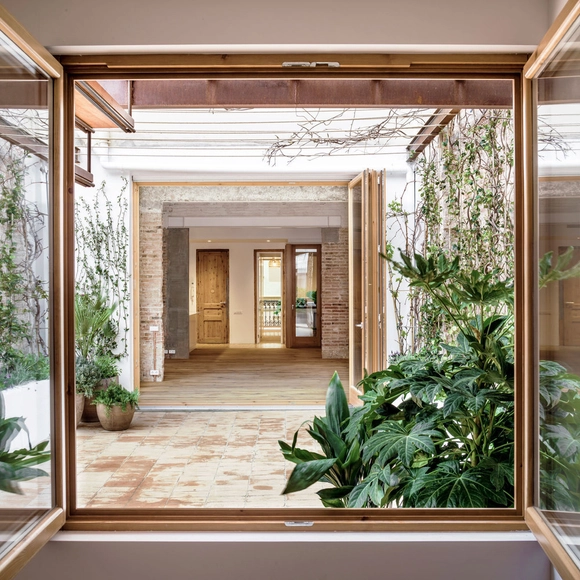
Indoor gardens can contribute important benefits to home living, ranging from aesthetic beauty to improved health and productivity. Research has shown that indoor plants help eliminate indoor air pollutants called Volatile Organic Compounds (VOCs) that emanate from adhesives, furnishings, clothing, and solvents, and are known to cause illnesses. They also increase subjective perceptions of concentration and satisfaction, as well as objective measures of productivity. Indoor gardens may even reduce energy use and costs because of the reduced need for air circulation. These benefits complement the obvious aesthetic advantages of a well-designed garden, making the indoor garden an attractive residential feature on several fronts.
https://www.archdaily.com/932106/how-to-incorporate-gardens-in-home-designLilly Cao
AZURE announces the opening of submissions to the 2020 AZ Awards!
Now entering its 10th year, the AZ Awards celebrates the best in architecture and design from around the world. Each winner will receive the AZ Awards trophy, get international exposure through our media partners, and have their achievements recognized by AZURE in print, online and at the AZ Awards gala in June 2020.
Being up to date with new technologies, understanding the best solutions for each project, and knowing the products present in the market and those that will be used in the future. We have observed that these themes arouse great interest in the architects, students, and architecture lovers who visit our site every day. In 2019, ArchDaily began to focus more on materials, covering products, construction techniques, and raw materials in general. The year is coming to an end, so we have compiled the most viewed articles on these topics, trying to understand what they imply for the present and where they will take us in the coming years.
The Ceramics of Italy 2020 Tile Competition awards top North American architects and designers for their exceptional work and creative use of Italian ceramic or porcelain tile in built projects around the world. An international jury of design experts will review submissions from all over the continent and ultimately select winners in four categories - residential, commercial, institutional, and student.
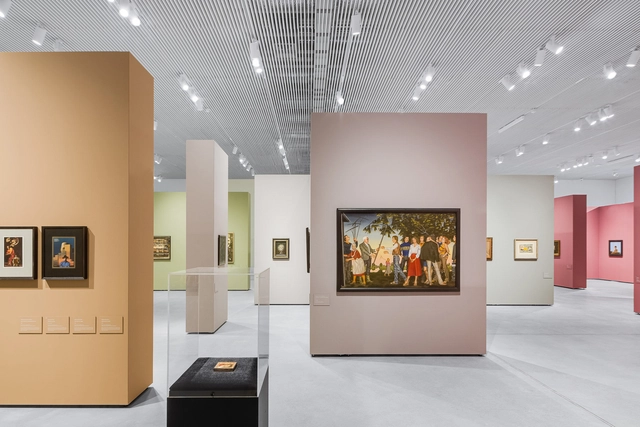
Choosing the right lighting for any space can be a complex decision. Considerations need to be made with respect to the purpose, form and function of the lighting application. Design and aesthetics also play a role in the equation. With so many options for lighting on the market, it takes specialized knowledge and understanding to determine the best fit for your space. Even more challenging than finding lighting for a generic space, an art gallery or museum application can be difficult and even overwhelming to light properly. LED lighting has simplified a large chunk of lighting for art display.
https://www.archdaily.com/927023/the-art-of-lighting-artDavid Hakimi
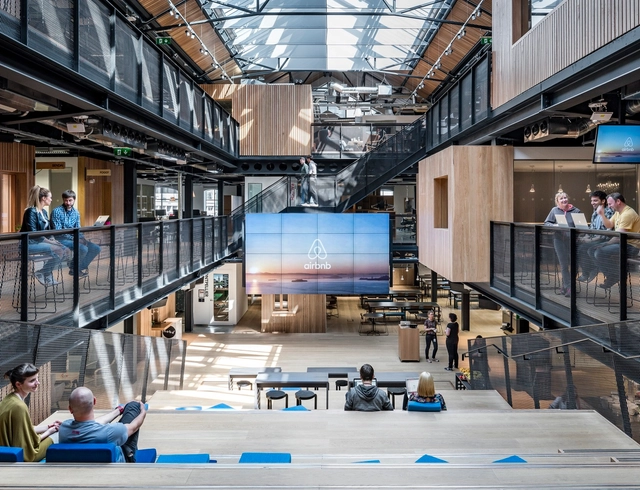
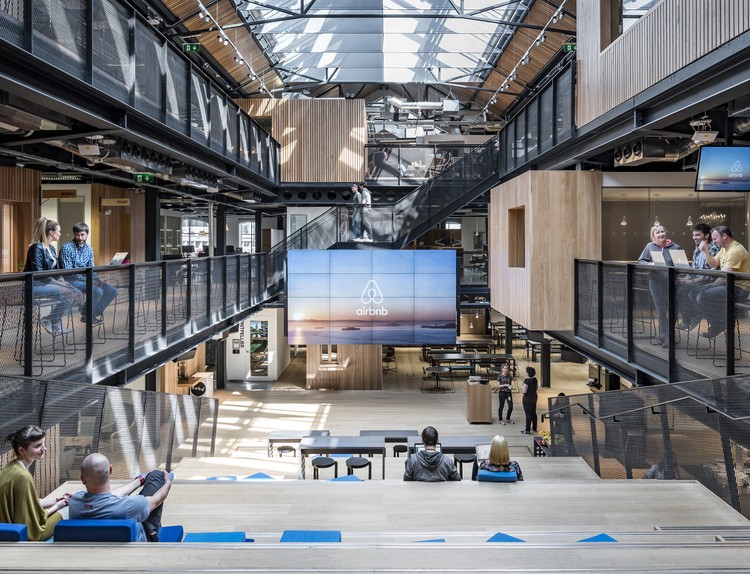
Airbnb is changing the way we experience buildings and cities. Founded in 2008, the digital platform utilizes technology to enable real-world experiences, and in turn, aims to create a world where you can feel at home anywhere. With its own in-house design teams like Samara and Airbnb Environments, the company has begun shaping the future of how we live and work.
With increasingly smaller homes and apartments, there has been a growing impulse to integrate plant species into interior spaces. But what kind of plants should be used for an environment lacking in abundant natural light? In this article, you will find some suggestions for species recommended for shaded or semi-shaded environments, an especially important distinction when we talk about interior spaces that receive little sunlight.
Grasshopper Masterclass Webinar - Computational Design Webinar Series
Permutable Morphologies is a Parametric Certification webinar Course that focuses on designing forms by means of algorithms. The course is based on understanding the process of building shape, translating a standard 3D modelling process into grasshopper vocabulary and then automating it to interpolate infinite design iterations as solutions while documenting design problems for further use.
The Environmental Protection Agency estimates that Americans spend 90 percent of their time indoors. Spending that much time inside makes us feel disconnected from the outside world, affecting everything from our productivity to mental health. Not to mention physical health concerns ranging from poor circulation to airborne contaminants.
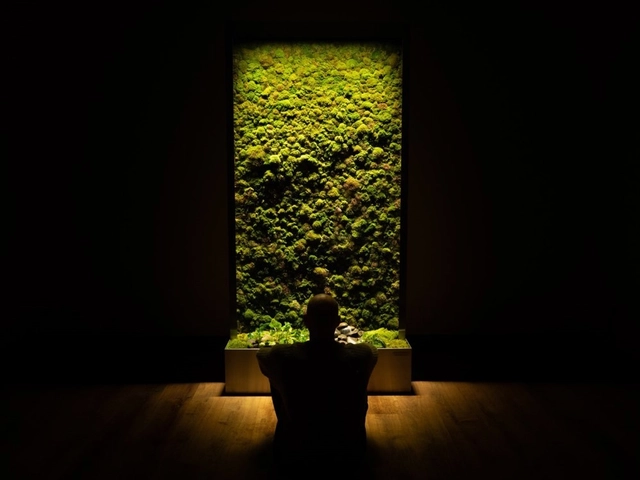
One method of rebuilding our connection to nature is by using living elements. Live moss wellness walls utilize one of our oldest plant species to improve the visual appearance of any interior environment and boost your overall well-being.
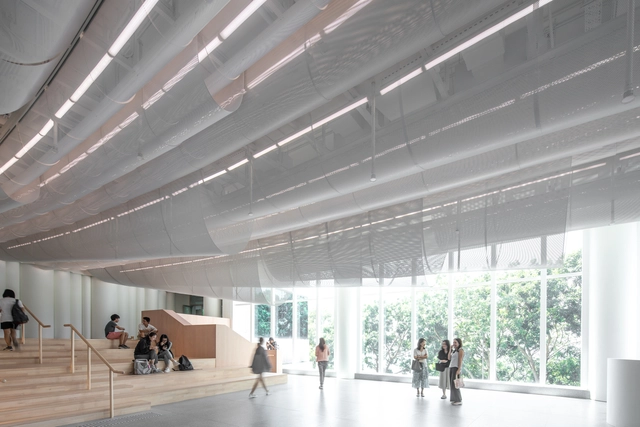
People often find themselves physically and emotionally comfortable in specific public places. Whether one's reading a book on the terrace of a coffee shop, sitting on a cozy sofa at a hair salon, or waiting for the train at train station, some spaces tend to initiate a feeling identical to being in the comfort of one's home.
The field of environmental psychology has helped find the factors that achieve "human comfort", and now, architects and designers are working alongside the field's specialists to develop comfortable spaces.













-yard_24.jpg?1578239322&format=webp&width=640&height=580)
-yard_13.jpg?1578237955 "gif. Image © XIA ZHI PICTURES")
-yard_14.jpg?1578237988 "interior bamboo garden. Image © XIA ZHI PICTURES")
-yard_16.jpg?1578238753 "layering and transparencies. Image © XIA ZHI PICTURES")
-yard_17.jpg?1578238848 "the bamboo garden. Image © XIA ZHI PICTURES")
-yard_24.jpg?1578239322)