Videos
‘Carbon to Rock’ en la Biennale Architettura 2021. Fotografías: Raul Betti y Adolfo Guiard Torre-Marín. Image Cortesía de Igneous Tectonics
Climatic conditions throughout the world are changing and with extreme temperatures and scarce resources becoming the norm, architectural materials and techniques are having to innovate to prepare for the future.
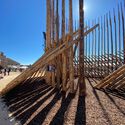
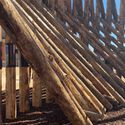
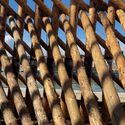
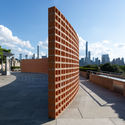
'Carbon to Rock' is an installation by IGNEOUS TECTONICS (Cristina Parreño and Sergio Araya) being presented in the 2021 Venice Biennale that highlights volcanic rock as a promising material in the global push to mitigate climate change.
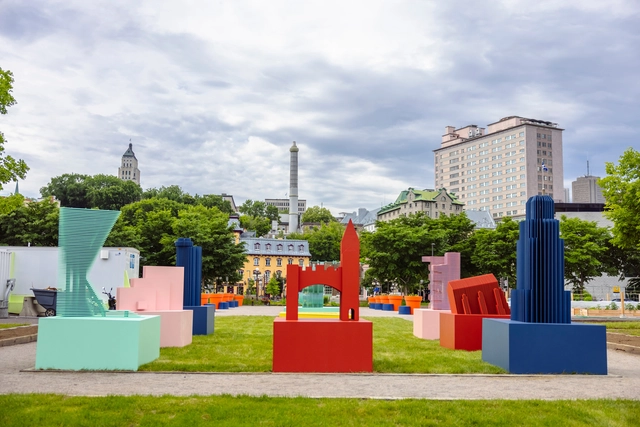
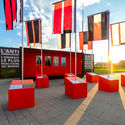
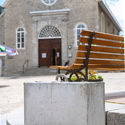
EXMURO arts publics and the Ville de Québec have inaugurated the the 8th annual PASSAGES INSOLITES art event, the annual Quebec City art walk that showcases over 20 unusual urban interventions by local and international artists. The event will run from June 26 to October 11, 2021, and will focus on reimagining the urban fabric and transforming how we see the city and its historic landmarks.
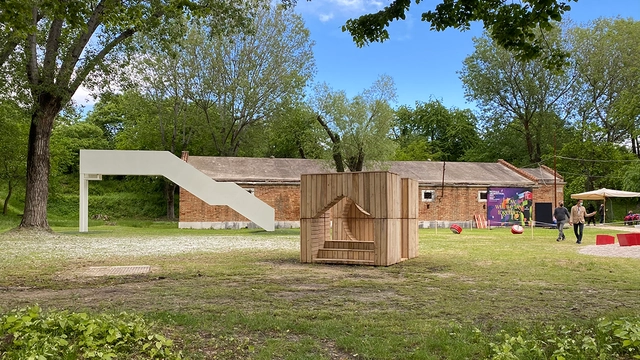
Basel-based HHF Architects have been invited to exhibit at the 17th International Architecture Exhibition - La Biennale di Venezia as part of the "How Will We Play Together?" exhibition. Titled "The Playful Eight", the 8-piece installation extends the biennale's brief to adults, and gives visitors "unsolicited elements that offer the possibility to escape control and productivity in order to play together".
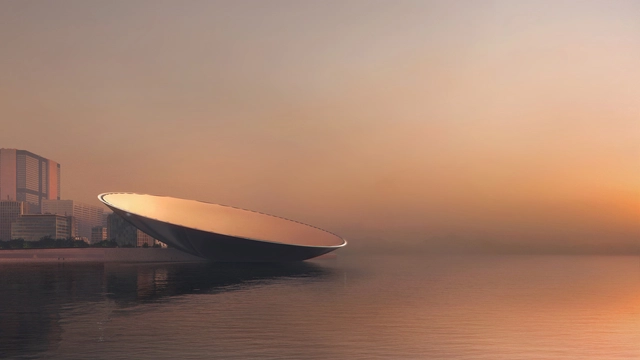
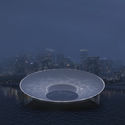
Snøhetta has proposed Lunar for the International Competition of the Landmark Design of Qianhai's New City Center. Inspired by the city's pioneering past and technology-driven future, the proposal is satellite-like structure that resembles landmarks in the era of data and technology. The proposal ranked second place in the competition alongside Sou Fujimito's floating tower.
The 17th Venice Architecture Biennale invited architects to ponder the question “How will we live together”, eliciting a variety of answers, readings and interpretations. The International Exhibition unfolding in Giardini, the Arsenale and Forte Maghera presents 112 participants in the competition, coming from 46 countries, whose contributions are organized into five scales: Among Diverse Beings, As New Households, As Emerging Communities, Across Borders, and As One Planet. Answering “How will we live together as a community? “ is Chilean office ELEMENTAL and Archdaily met in Venice with Alejandro Aravena to discuss the idea behind the project KOYAÜWE, which creates a space that recovers the tradition of parleys, as a means to address the historical Chilean-Mapuche conflict.
For the 17th international architecture exhibition – la biennale di Venezia 2021, Denmark is creating a water cyclic system that connects people with each other and with nature. The national pavilion, titled “Con-nect-ed-ness”, is curated by Marianne Krogh and Lundgaard & Tranberg Architects, and will be on display from May 22nd to November 21st, 2021.
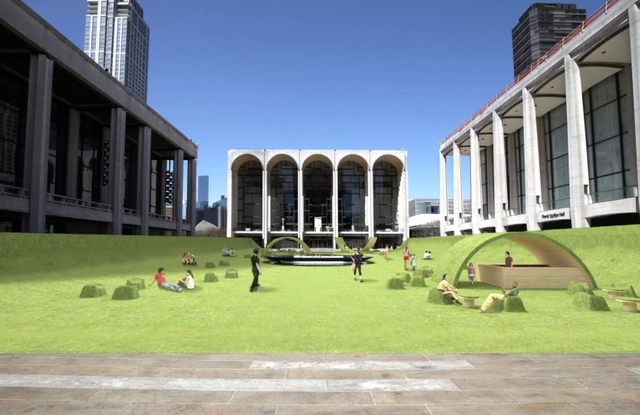
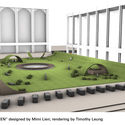
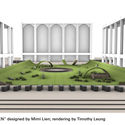
The Green. Image Courtesy of Mimi Lien/Rendering by Timothy Leung
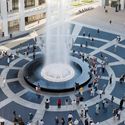
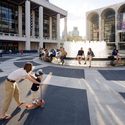
After several event cancellations due to the pandemic, Manhattan’s Lincoln Center for the Performing Arts complex have transformed their outdoor plaza into a green park and outdoor performance venue called The Green. As of May 10, the Restart Stagesinitiative will add fake grass across the 14,000-square-foot (1,300 sqm) Josie Robertson Plaza. The plaza, which was originally designed by Philip Johnson, Wallace K. Harrison, and Max Abramovitz, and renovated by award-winning architecture firm DS+R in 2010, will transform into a public urban space of gathering, leisure, and entertainment.
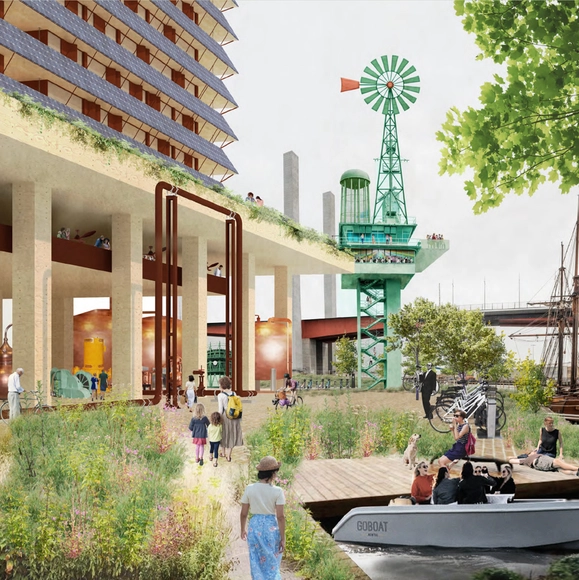
New Architecture by Kennedy Nolan. Image Courtesy of Finding Infinity
Australian research lab Finding Infinity has collaborated with architects, councils and investors to create a strategy that would turn Melbourne into a self-sufficient city by 2030. Building on exemplary case studies and scientific research, the initiative proposes a 10 step plan for the city’s transition from a consumer of resources to a zero-carbon urban environment.
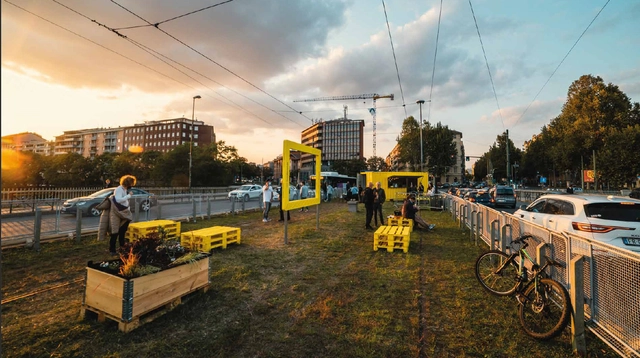
Ever since the tramline’s closure, the 800-meter-long strip in the center of Corso Gabetti and Ponte Regina Margherita in Turin, has been abandoned. To make use of the dead area and give residents an extra space outdoors following Italy's severe pandemic repercussions, non-profit cultural association Torino Stratosferica has transformed the tree-lined strip into Precollinear Park, a temporary public space fit for socially-distanced leisure.
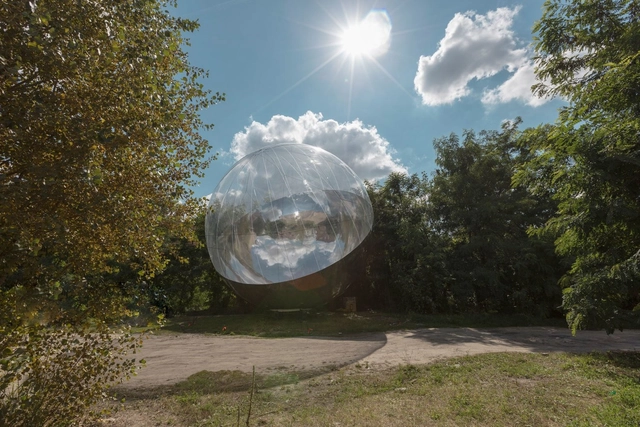
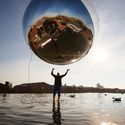
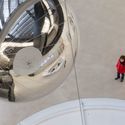
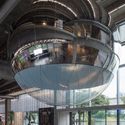
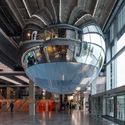
Argentine environmental artist Tomás Saraceno has recently unveiled his latest venture at Moscow’s Garage Museum of Contemporary Art. On view and remaining until February 14, 2021, the installation entitled Moving Atmospheres, is a partially mirrored sphere suspended midair in the museum’s atrium, made from ETFE.
Being in confinement has produced unconventional means of exploring architectural spaces and installations. Instead of putting everything on hold until life goes back to normal, designers and curators found inspiration from practices like performance arts and theatre, breaking down the walls between the subject and viewers but from a distance.
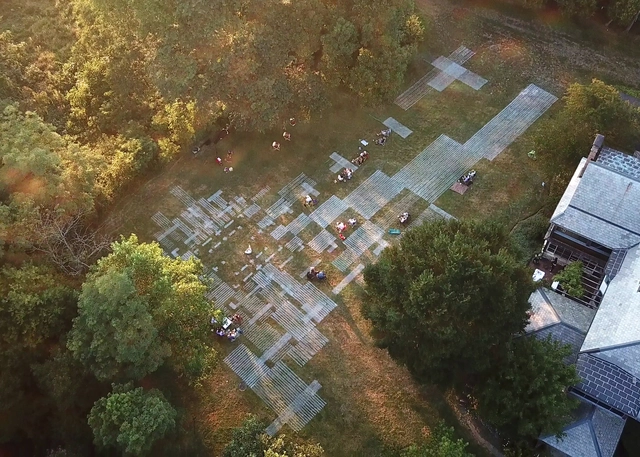
Ashley Bigham and Erik Herrmann of Outpost Office reimagined the theme of "mobility" by creating 1:1 scale drawings on the Ragdale campus using GPS-controlled field marking robots. Their unique urban installation, which addressed modern-day concerns such as public spaces, how we are engaging with them, and physicality, won first place in the 2020 Ragdale Ring competition.
Stefano Boeri Interiors has unveiled images of his latest circular wooden installation, in an open-air setting of contemporary art. Entitled TREE-ROOM, the project in which “humans and living nature come together, between meditation and contemplation”, is designed for Arte Sella and is located in the garden of Villa Strobele in Val di Sella, in Northern Italy.
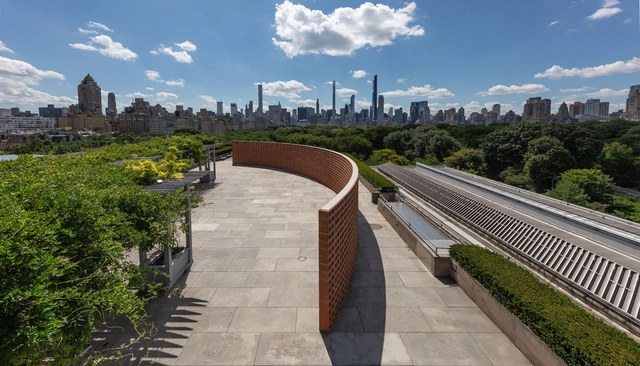
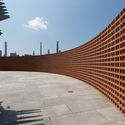
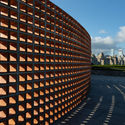
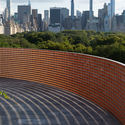
Although deploying four months later than normal (due to an obvious, unforeseen roadblock), the Metropolitan Museum of Art has revealed its 2020 Roof Garden commission, tapping Mexican artist Héctor Zamora to drop a timely intervention across the New York City institution’s outdoor terrace.
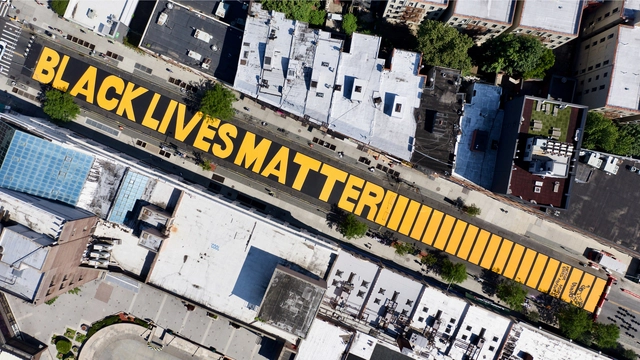
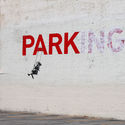
When urban spaces become the medium for expression, protest, criticism, and defiance, the audience is limitless. Pedestrians and bystanders of all ages and ideologies become spectators of demonstrations that walk the line between art and activism and transform the city's streets, walls, and sidewalks into canvases for diffusing ideas on a massive scale. Banksy once said that "a wall is a very big weapon. It's one of the nastiest things you can hit someone with." This call to arms has rung true for many as they take to the streets in a bid to make themselves heard.
Videos
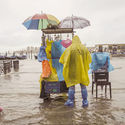
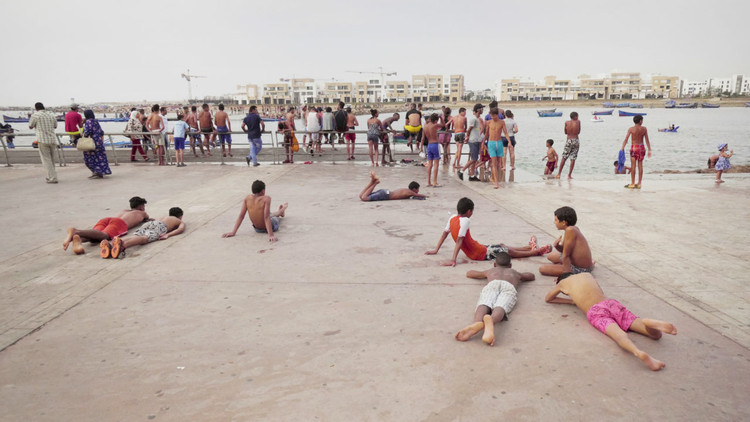
HOMO URBANUS Rabatius . Image Courtesy of Bêka & Lemoine
As the world is moving into a post-pandemic time, museums are finally resuming their work under strict social distancing and health measures. Arc en rêve d’Architecture in Bordeaux, France has reopened its main gallery with an exhibition by Ila Bêka & Louise Lemoine, entitled Homo Urbanus. Shown for the first time in its complete version, the exposition offers a vibrant tribute to public spaces.
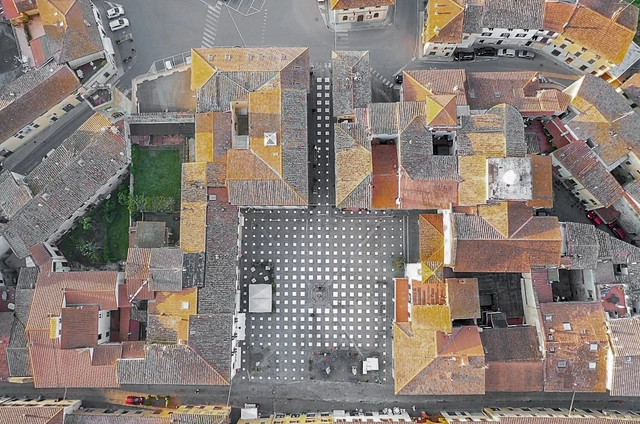
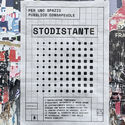
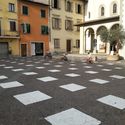
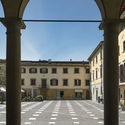
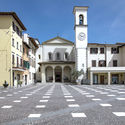
As architects around the world reimagine public spaces in the midst of the coronavirus, Italian architecture firm Caret Studio has envisioned the “StoDistante” installation. Searching to reconcile people with the outdoors, and allowing theses spaces to reopen safely while respecting the social distancing measures, Caret Studio created a temporary installation that reflects our current situation.
I recently viewed a public art commission at Dubai's foremost cultural district - Alserkal Avenue: it was an installation by an artist collective - METASITU, who had transformed a warehouse on the Avenue previously known as Nadi Al Quoz, into a 21st-century ruin. The work titled: 'we were building sand castles_but the wind blew them away', was inspired by the perennial demolitions that have become an integral part of contemporary placemaking around the world. Through this piece of work, METASITU reflects on the extractive city-building processes, while contextualising them within different human and ecological timelines. The long-term vision of the artists was to deconstruct the building and return its constituent materials to their ‘original state’. Later this year, they plan to further deconstruct the installation into a public landscaped environment.
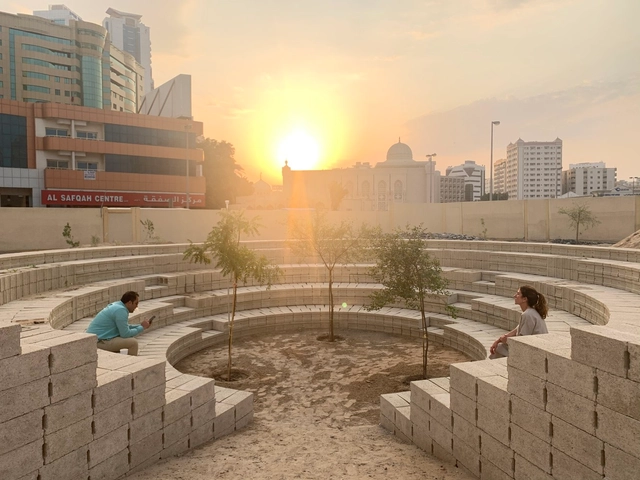
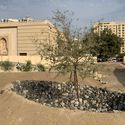
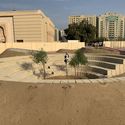
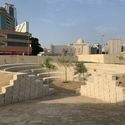
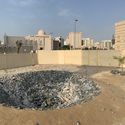
Entitled Becoming Xerophile, Cooking Sections and AKT II have developed a zero-water desert garden, part of the first Sharjah Architecture Triennial in UAE, curated by Adrian Lahoud. The installation explores the introduction of desert landscapes in the urban fabric of the city and everyday life.