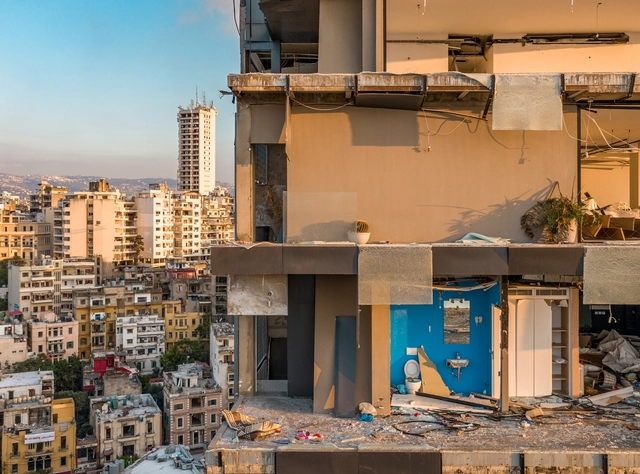
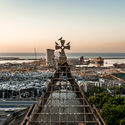
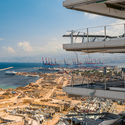
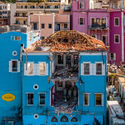
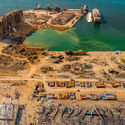
It only took a couple of seconds to destroy 40% of the city of Beirut on August 4th, 2020. A couple of trivial seconds were enough to determine the fate of the urban and social fabric of the Lebanese capital and its architectural heritage. Years and years of accumulated cultural assets fell instantly in distress, causing more harm than the infamous 15-year civil war. These seconds have erased the past, present, and destroyed future aspirations.
Hit right in its rich cultural center, the blast of the port shook the northeastern side of the Lebanese capital, leaving the neighborhoods of Mdawar, Rmeil, Gemmayze, Achrafieh, Mar Mkhayel, Karantina, and Geitawi, severely hurt. According to the UN Development Programme (UNDP), 200,000 housing units were affected by the explosions, with an estimated 40,000 buildings damaged, of which 3,000 were severely damaged.
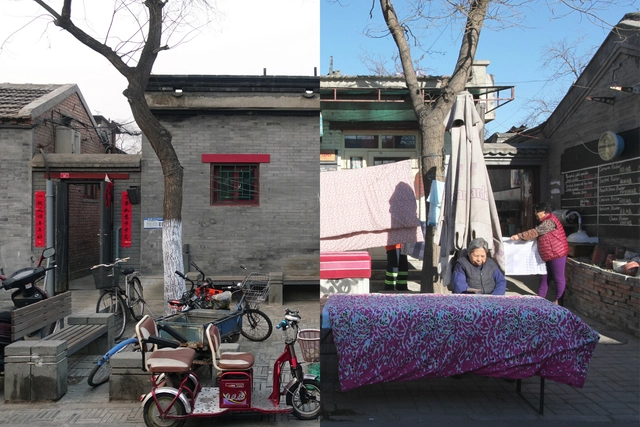
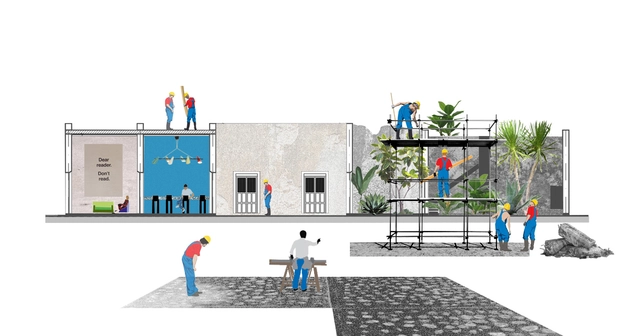
“BEFORE/AFTER” documents the drastic changes, both physical and psychological, which took place during the renovation of Beijing’s Fangjia Hutong in the months between April and September 2017. In 2019, OPEN Architecture was invited to participate in “Unknown City: China Contemporary Architecture and Image Exhibition”, the opening exhibition of the Pingshan Art Museum, with their work “BEFORE/AFTER”.
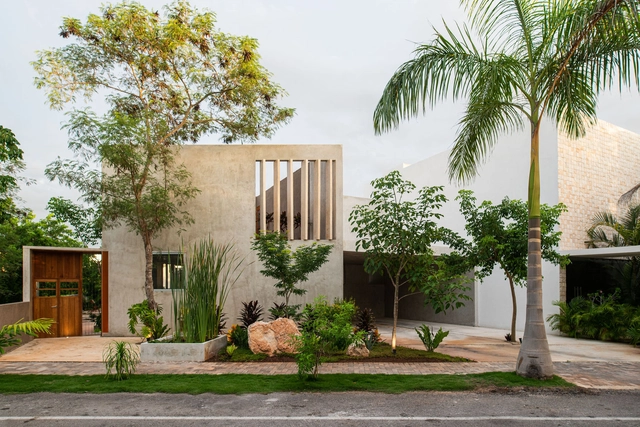
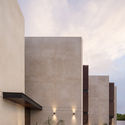
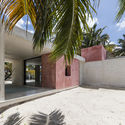
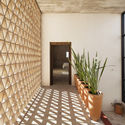
In Yucatan, architects are reviving an ancient Mayan stucco technique for contemporary buildings, merging modern architecture with regional history and culture. The technique is called “chukum,” a term derived from the colloquial name for the Havardia albicans tree native to Mexico. Made with chukum tree bark, the material has several defining qualities that separate it from traditional stucco, including impermeable properties and a natural earthy color. Though chukum initially fell out of use following Spanish conquest of the Maya civilization, it was rediscovered and reemployed by Salvador Reyes Rios of the architecture firm Reyes Rios + Larrain Arquitectos in the late 1990’s, initiating a resurgence of use in the area.
https://www.archdaily.com/946291/the-rustic-beauty-of-the-chukum-in-modern-mexican-architectureLilly Cao
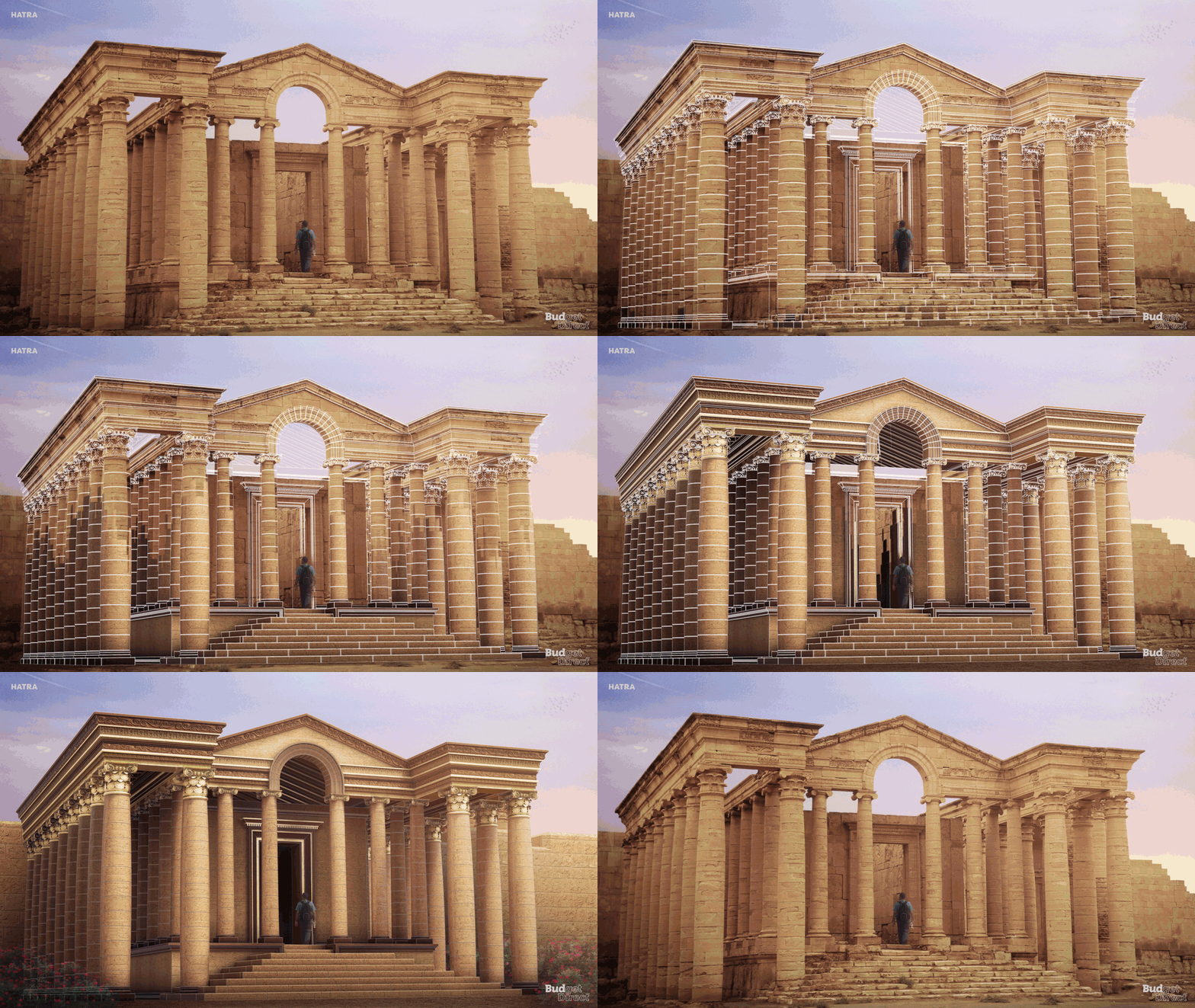
Budget Direct and NeoMam Studios, a creative studio based in the UK, have created a series of animated gifs restoring 6 UNESCO cultural sites and showcasing how these ruins would have looked like if they had been preserved. Bringing to life endangered sites, the project includes the recently destroyed ruins of Palmyra in Syria and Hatra in Iraq, demolished by ISIS in 2015.
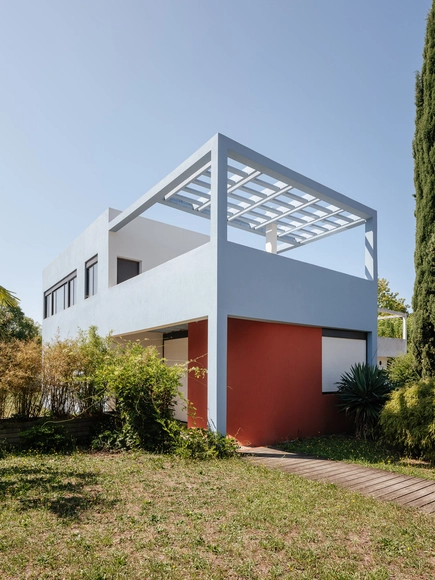
In the 1920s, work was completed on the Cité Frugès housing complex in Pessac, France. The project, meant to house Pessac's industrial workers, would be one of seventeen Le Corbusier works on UNESCO's list of World Heritage Sites.
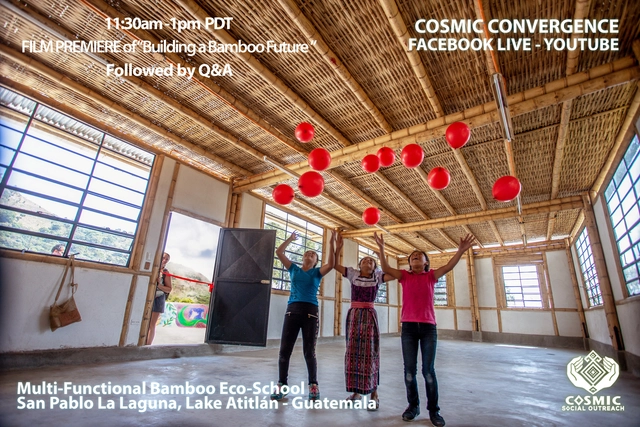
Join Cosmic Social Outreach team for their LIVE 'Virtual Convergence - Cosmic Legacy Event' Film Premiere "Building a Bamboo Future".
In 2018, the non profit organisation 'Cosmic Convergence' created a Bio-Construction Workshop for international students and built structures for an annual Art and Music festival on Lake Atitlán. These structures were then donated to the most underdeveloped pueblo in the area and were used to build a bamboo Primary School. Traditional Mayan building techniques were used in this sustainable and environmental architectural project which was a unique collaboration between indigenous locals, volunteers and international professionals.
At the apogee of the Roman Empire, its territory extended over more than five million square kilometers, between Europe, Asia, and Africa. Rome exercised power over a population of more than 70 million people, which equated to roughly 21% of the world population at the time. In fact, as we have already shown in another article, all roads led to the city of Rome. The great seat of the empire and the material and immaterial heritage left by it is immeasurable, and even today researchers seek to understand its full impact on the current world. From the beginning of its expansion in the 6th century BC until its fall in the year 476 AD, the legacy left by the Romans encompasses areas such as law, plastic arts, Latin (which originated many different languages), systems of government, and, importantly, architecture.
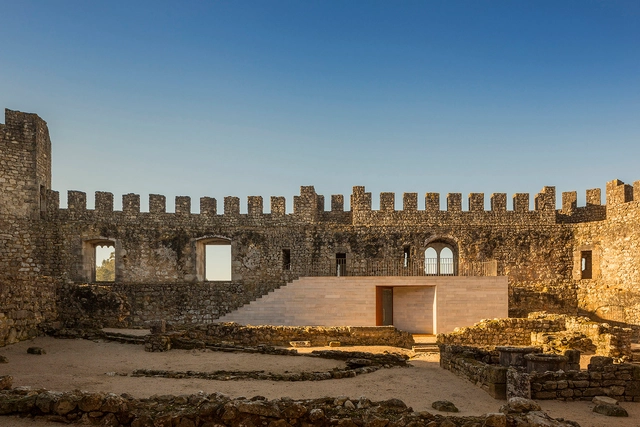
The passage of time will alter, erode, and in most cases, degrade any architectural structure. Whether this be the result of climate, adaptation, misuse, or even war, all buildings are subject to the same life cycles of steady, or extreme, decline. In recent decades, “adaptive reuse” has gained significant traction as a means of breathing new life into an old structure, offering an often complex challenge for designers, architects, and indeed everyday users, who walk a fine line between a respectful restoration of history, and significant adaption for modern needs.
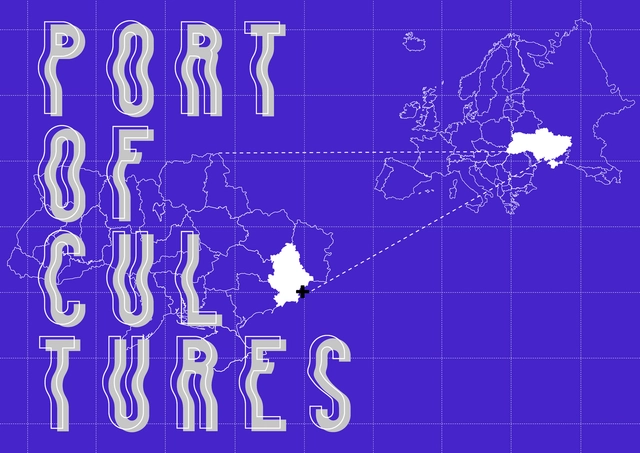
Municipality of Mariupol (UA) invites architects, designers and interdisciplinary teams to submit architectural ideas for a new multifunctional center that will be devoted to the subject of migration, a process that has shaped the city throughout the centuries, becoming an integral part of its identity. The Port of Culture will uncover and explore the less known traits of Mariupol city, and contextualize its local history within larger regional and global processes related to migration.
We are looking for bold and authentic architectural idea for the Port of Culture, that will represent the values and the main themes of the new center,
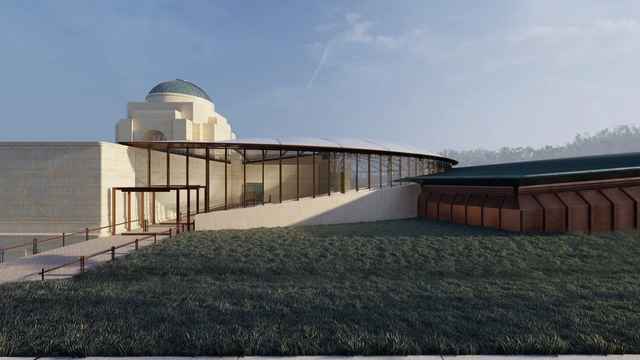
The AWM or the Australian War Memorial will undergo a series of development and refurbishments works, in order to renovate its galleries and its buildings. COX architecture will design the new Anzac Hall with its connection to the main structure, while Scott Carver will be in charge of the southern entrance.
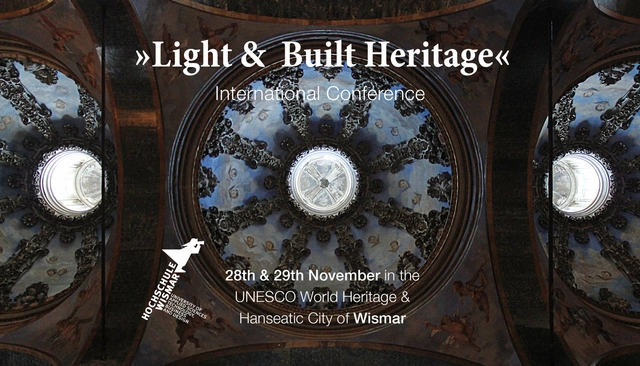
The two-day international conference »Built Heritage & Light« will take place on Thursday, 28th and Friday 29th November, 2019 at the Faculty of Architecture and Design, Wismar University of Applied Sciences, Technology, Business and Design. Experts from the fields of monument conservation, lighting design, architecture and architectural history will discuss the lighting of built heritage monuments and sites from different perspectives.
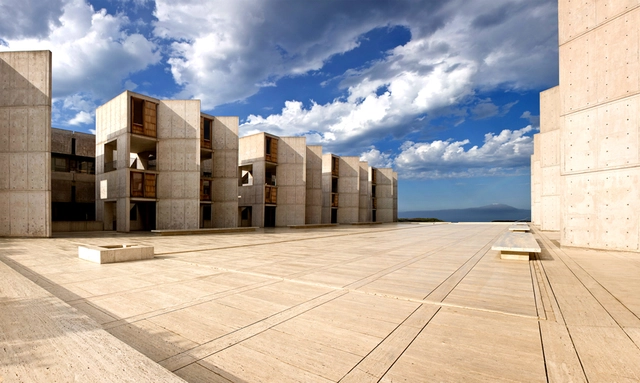
Courtesy Joe Belcovson for the Salk Institute for Biological Studies. ImageIn 2012, the Getty Conservation Institute founded its Conserving Modern Architecture Initiative (CMAI), with the Getty Foundation’s Keeping It Modern grant following two years later. Working synergistically, the two programs are dedicated to supporting new methods and technologies for the conservation of Modernist buildings. Louis Kahn’s Salk Institute for Biological Studies (1965) in La Jolla, California, has been the beneficiary of both CMAI and Keeping It Modern.
The Conserving Modern Architecture Initiative (CMAI) and Keeping It Modern grant are dedicated to supporting new methods and technologies for the conservation of Modernist buildings.
As technology moves forward, so does architecture and construction. Architects, designers, and planners around the world now have infinite tools and resources to design and build the cities of today and the future. As promising as this may sound, new construction is also consuming our world’s limited resources faster than we can replenish them.
This situation leaves architects with an important responsibility: the rehabilitation and reuse of the existing built environment. This means using creative thinking and design to save and incorporate old or historic buildings that currently exist, in the present and future of our cities, by adapting them through creative and sensitive treatments.
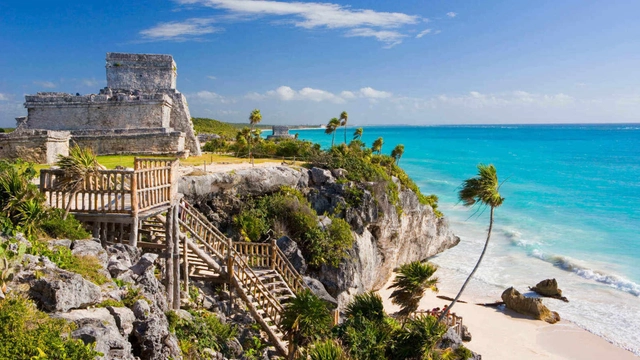
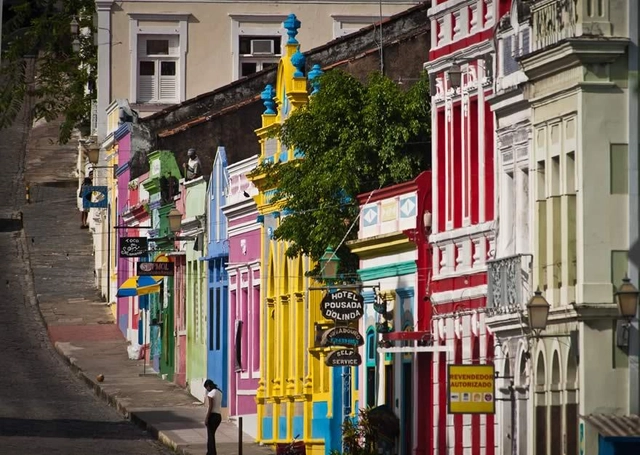
In 2001, the Mexican Secretary of Tourism (SECTUR) created an initiative called "Pueblo Mágico/Magical Town." This program seeks to highlight towns around the country that offer a unique and "magical experience – by reason of their natural beauty, cultural richness, traditions, folklore, historical relevance, cuisine, arts & crafts, and hospitality."
You can find SECTUR's "Magical Town" definition here.
A town that through time and before modernity, was conserved, valued and defended for its historical, cultural and natural heritage; and manifests in it various expressions through its tangible and intangible heritage. A "Magical Town" is a locality that has unique, symbolic attributes, authentic stories, transcendent facts, daily life, which means a great opportunity for tourism, taking into account the motivations and needs of travelers.
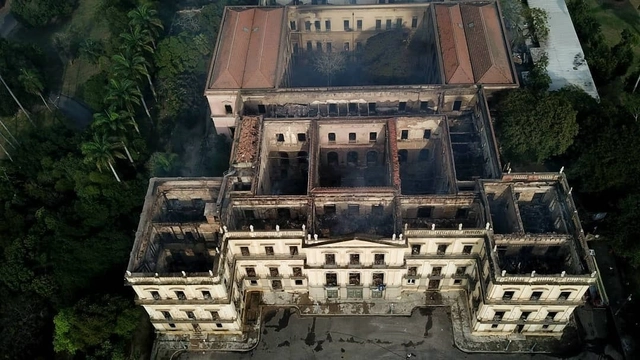
The Institute of Architects of Brazil (IAB), fulfilling its mission of contributing to the technical-scientific and sociocultural development of the country and preserving the national cultural heritage, deeply mourns the irreparable loss of the National Museum, the central institution of culture and science located in the district of São Cristóvão, in Rio de Janeiro, that was consumed by fire on the night of September 2nd.
The fire in Quinta da Boa Vista not only left a an architectural ensemble declared national heritage in ruins but also destroyed millions of artifacts and historical documents belonging to its collection, which were of worldwide relevance and among the most representative of Brazilian history. It is, therefore, an irrevocable loss, which is being lamented by everyone who cares about Brazilian culture and memory, both in Brazil and abroad.
https://www.archdaily.com/901520/open-letter-from-the-institute-of-brazilian-architects-regarding-the-tragic-irrevocable-loss-of-brazils-national-museumEquipe ArchDaily Brasil
On August 17th, Brazil celebrated its National Heritage Day. Created in 1998 to honor the historian and first president of IPHAN (National Historic and Artistic Heritage Institute), Rodrigo Melo Franco de Andrade, who would have turned 100 years old. This date aims to reinforce the recognition and appreciation of the country’s cultural heritage.
In his book The Right to the City (1968), Henri Lefebvre talks about ending the creation of spaces managed by the logic of profit, to launch a plan of "self-managed territory" that does not leave aside the "historical heritage," nor allow the decomposition of space, but instead works for the restitution of urban centers as places of creation.
Globalization has produced cities without limits whose focus has been on the immediate benefit, directly attacking the preservation of cultural heritage, among other things.
The Hungarian Museum of Transport, one of the oldest transport museums in Europe will be rebuilt on a historically significant brownfield site in Budapest. The museum has launched an international design competition to select the best team of architects for its ambitious redevelopment program.