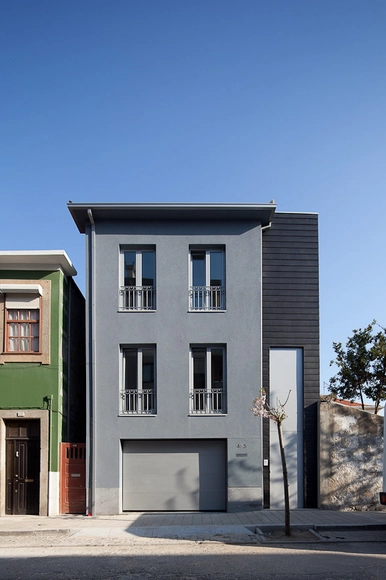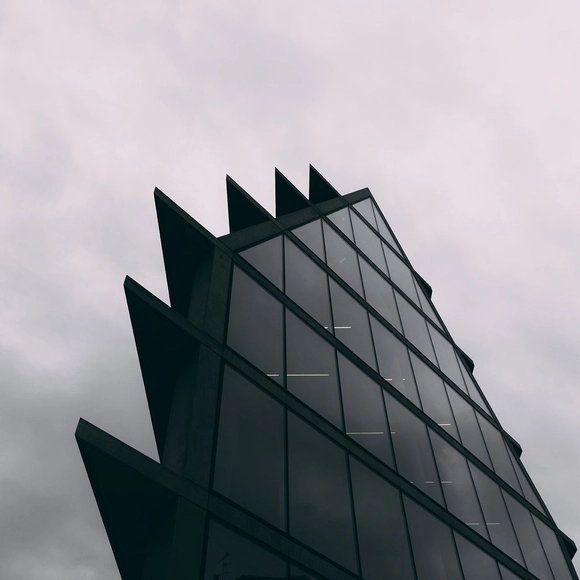
Name: Monolicious
Photographer: Sebastian Weiss
Location: Milan
Year: 2018
Name: Monolicious
Photographer: Sebastian Weiss
Location: Milan
Year: 2018
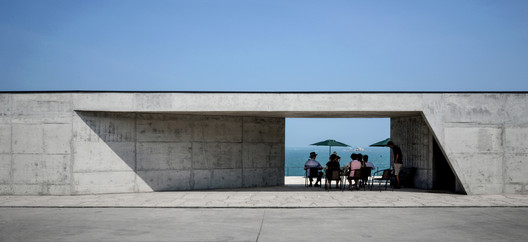
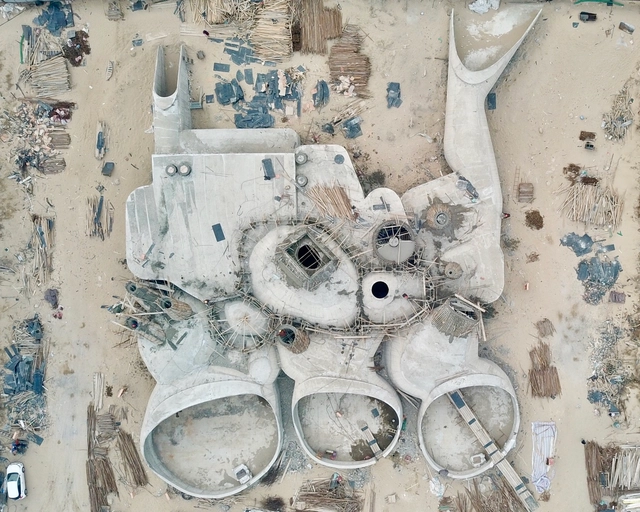
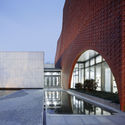
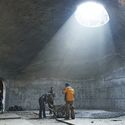
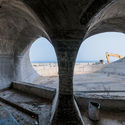
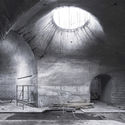
OPEN Architecture has released the latest construction photos of the Dune Art Museum topping out in a Chinese coastal city near Beijing. The art museum manifests itself as a complex of interconnected concrete shells, which in the next and final stage of construction, are to be buried in sand and shrubs to restore the natural silhouette of the dunes on the beach.
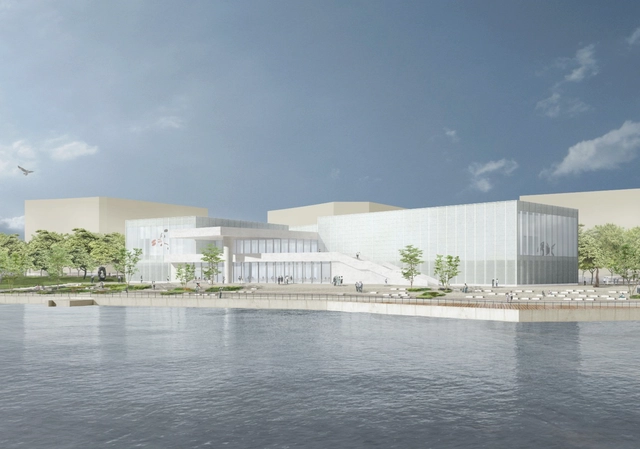
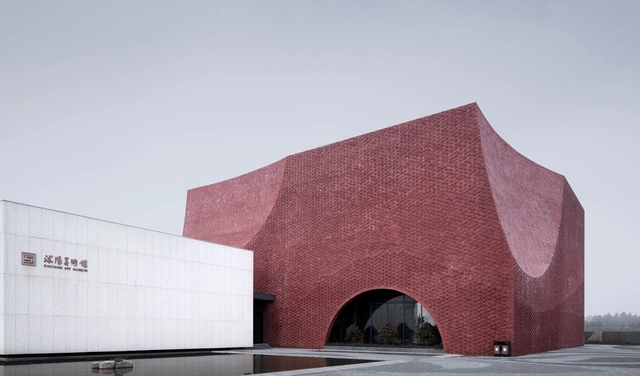
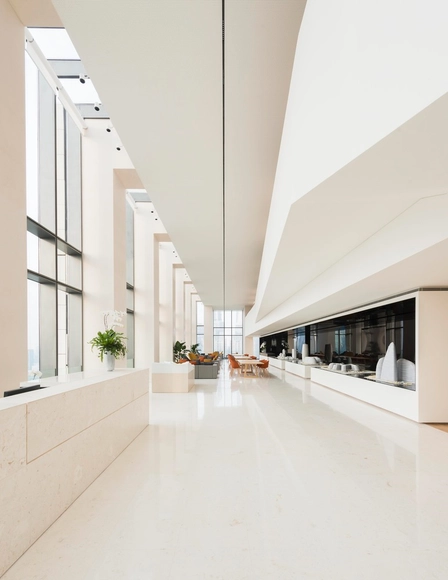
David Chipperfield Architects has revealed the design of the newest home of the Centre Pompidou, the West Bund Art Museum in Shanghai. The Parisian institution revealed the details with the announcement of a 5-year deal with the West Bund Group to stage exhibitions in the museum beginning in 2019. Approximately 20 exhibitions – including a focus on contemporary Chinese art – will be included in the deal, described by the Centre Pompidou as "the most important long-term cultural exchange project” between France and China.
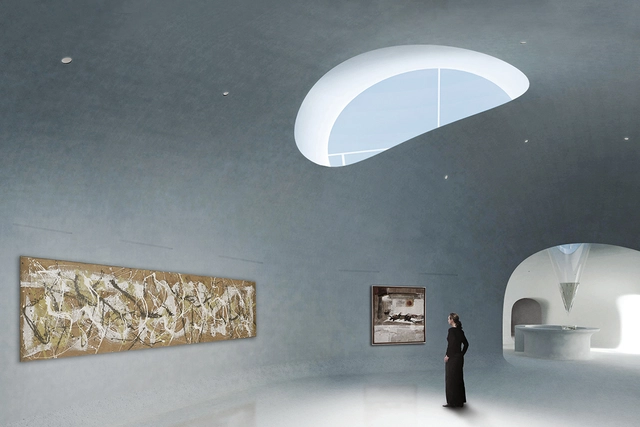
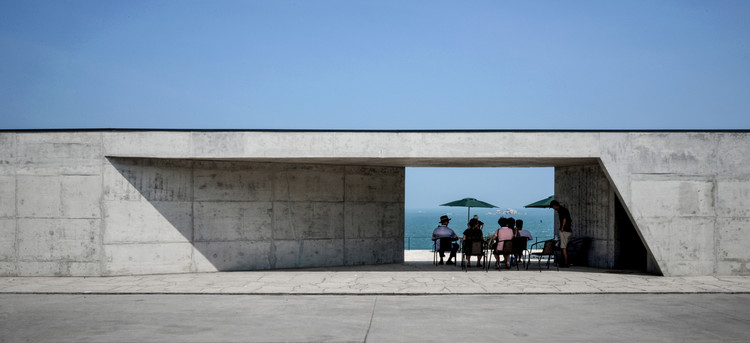
Text description provided by the architects. Chinese firm OPEN Architecture has revealed their latest project in progress, a museum located on the coast of Bohai Bay in northern China. Titled "Dialogue by the Sea," their project comprises two complementary art spaces: a cave-inspired space hidden within the beach's sand dunes, and a second space that rises from the sea "like a solitary piece of rock." Both projects are currently under construction, with a timeline yet to be released.
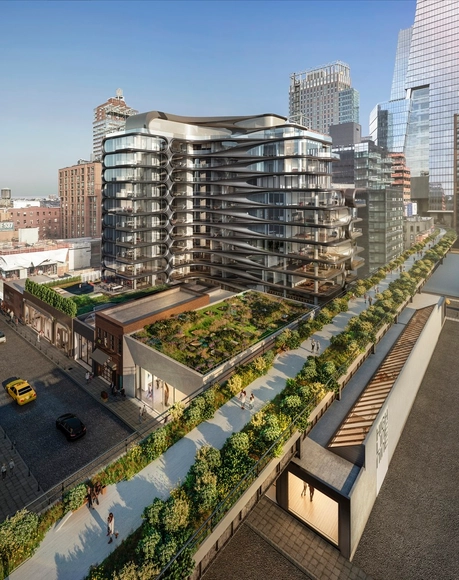
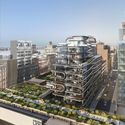
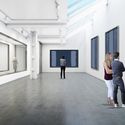
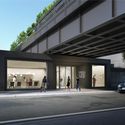
Real Estate firm Related Companies has announced the development of 15 new art gallery spaces to be located in and around the base of Zaha Hadid’s 520 West 28th Street residential building, located along the High Line in the New York neighborhood of Chelsea. The acclaimed Paul Kasmin Gallery, currently located in three West Chelsea locations, will serve as the anchor tenant with a 5,000 square-foot gallery in the base of the Hadid-designed building and additional space in the ‘High Line Nine,’ a collection of full service boutique exhibition spaces located adjacent to the building beneath the High Line.


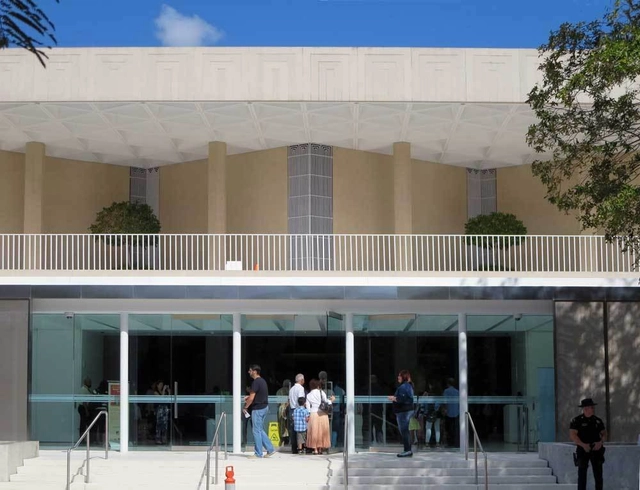
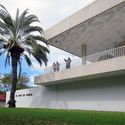
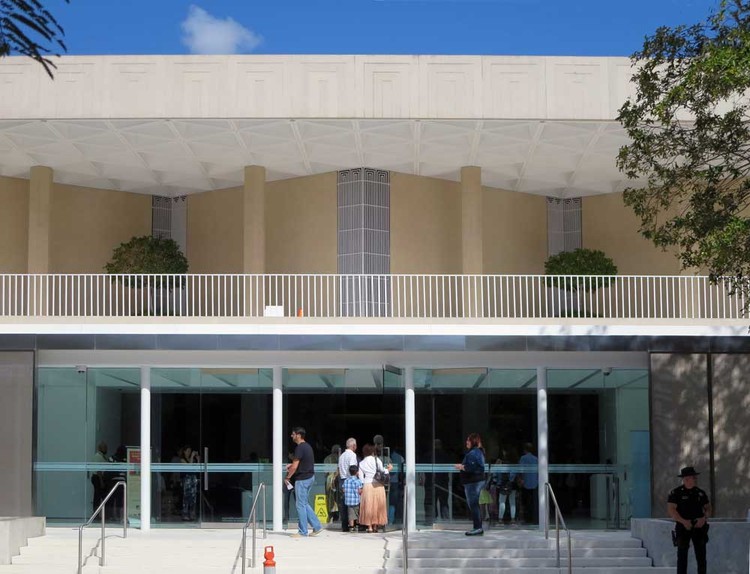
Among the dignitaries in attendance at the dedication ceremony of the Museo de Arte de Ponce (MAP) in Puerto Rico was Roberto Sánchez Vilella. In his capacity as Governor of the island, he gave a tongue-in-cheek speech[1] directed at his political opponent and founder of the museum, Luis A. Ferré:
I feel that I have contributed, in my small way, to the building of this museum. Had I not defeated Luis Ferré in the election, he would not have had sufficient leisure time to devote to this cultural project.
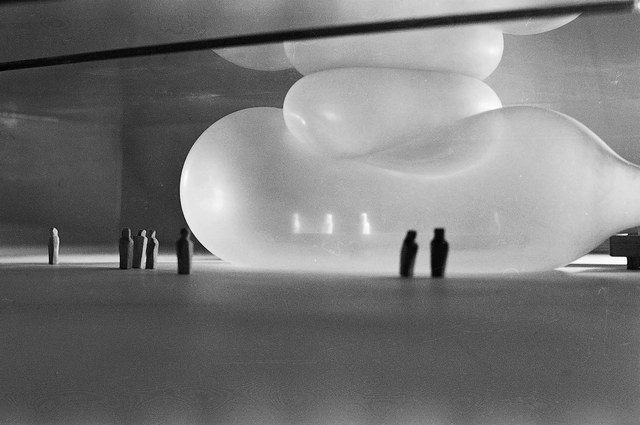
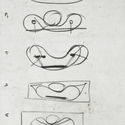
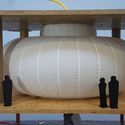
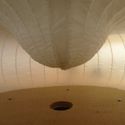
Though architectural history is replete with bricks, stones, and steel, there is no rule that states that architecture must be ‘solid’. Sverre Fehn, one of the most prominent architects of postwar Norway, regularly made use of heavy materials like concrete and stone masonry in his projects [1]. In this way, his proposal for the Nordic Pavilion at the Osaka World Expo in 1970 could be seen as an atypical exploration of a more delicate structure. Representing a very different aspect of ‘Modernity’ than his usual work, Fehn’s “breathing balloon” pavilion stands not only in contradiction to Fehn’s design canon, but to that of traditional architecture as a whole.
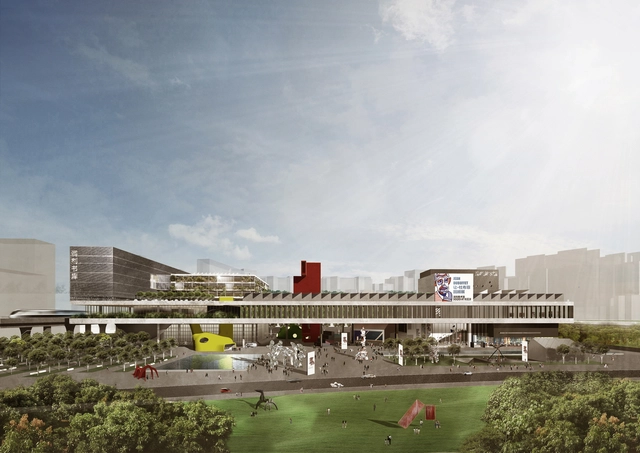
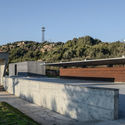
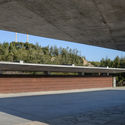
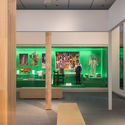
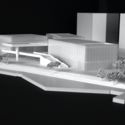
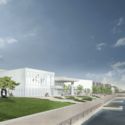
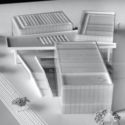
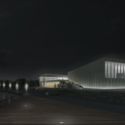
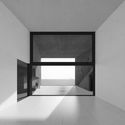
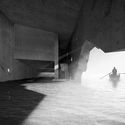
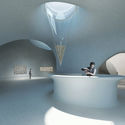
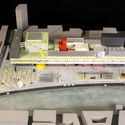
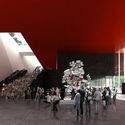
In May 2015, Shenzhen Art Museum and Shenzhen Library organized an international design competition for their new homes in Longhua District. 134 firms submitted concept proposals for the first stage, eight firms were selected to enter the second phase competition in July, among them OMA, Steven Holl, Mecanoo, OPEN, KSP, and others. Below is OPEN’s competition entry for the second phase.























.jpg?1438764621&format=webp&width=640&height=580)
.jpg?1438764697 "© NAARO")
.jpg?1438764575 "Courtesy of waa")
.jpg?1438764887 "© NAARO")
.jpg?1438764648 "© NAARO")
.jpg?1438764621)