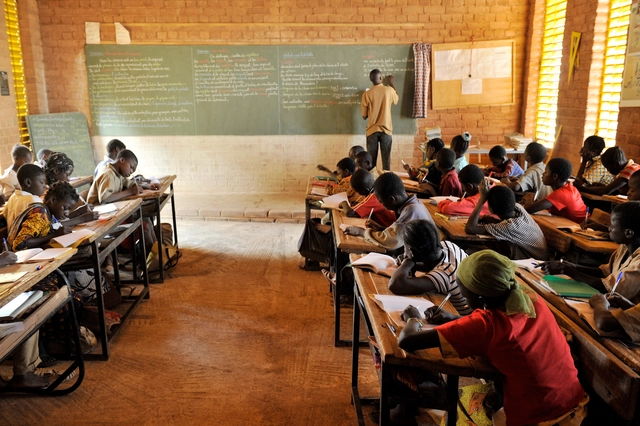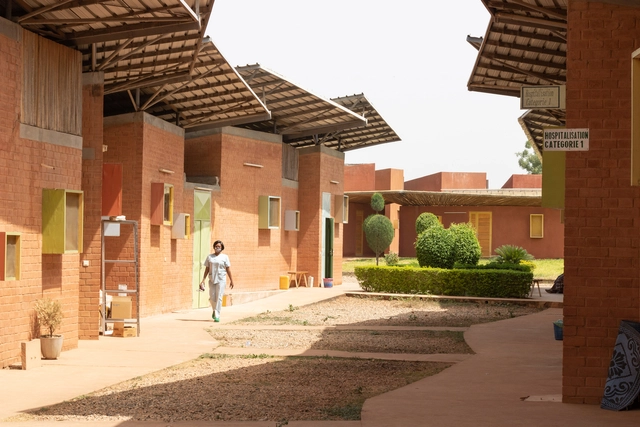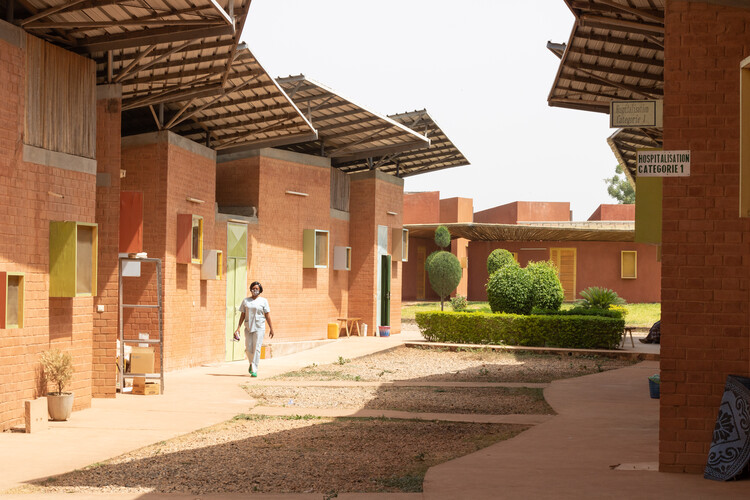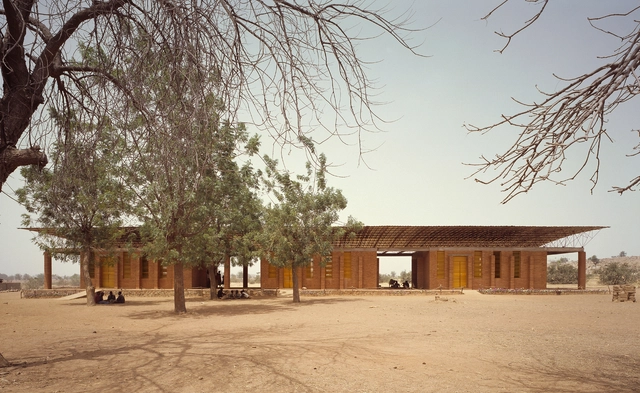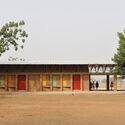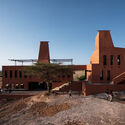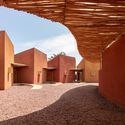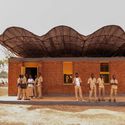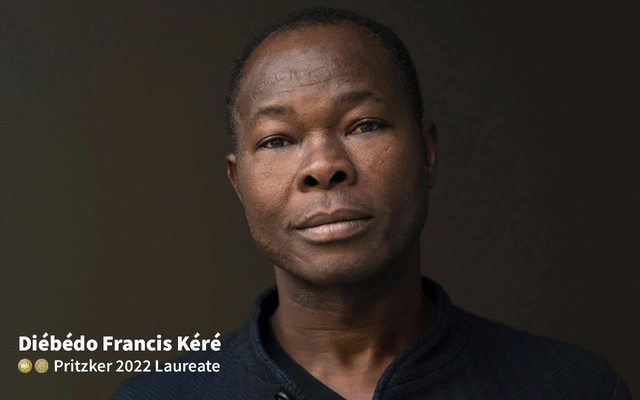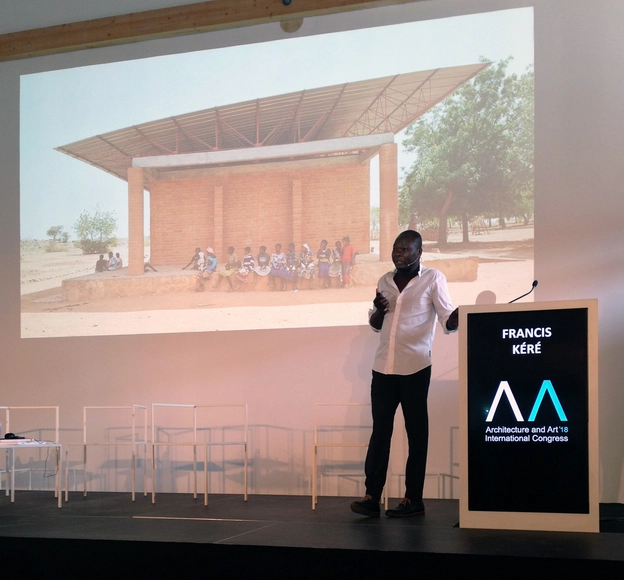
Diébédo Francis Kéré founded his architecture practice Kéré Architecture, in Berlin, Germany in 2005, after a journey in which he started advocating for the building of quality educational architecture in his home country of Burkina Faso. Deprived of proper classrooms and learning conditions as a child, and having faced the same reality as the majority of children in his country, his first works aimed at bringing tangible solutions to the issues faced by the community.
“Through buildings that demonstrate beauty, modesty, boldness, and invention, and by the integrity of his architecture and geste, Kéré gracefully upholds the mission of this Prize,” explains the official statement of the Pritzker Architecture Prize. Announced today by Tom Pritzker, Chairman of The Hyatt Foundation, Francis Kéré is the 51st winner of the award founded in 1979, succeeding Anne Lacaton and Jean-Philippe Vassal. Praised “for the gifts he has created through his work, gifts that go beyond the realm of the architecture discipline”, the acclaimed architect is present equally in Burkina Faso and Germany, professionally and personally.
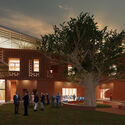
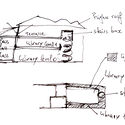
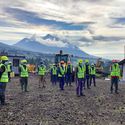
Construction began at the Goethe Institute in Dakar, designed by Kéré Architecture. The project is the first purpose-built space for the German cultural association and exchange centre in its over 60 years of global activity. Located within a residential area and a lush garden, the two-storey structure is shaped by the canopy of trees on-site and is being built using bricks made of laterite, a residual local rock with insulating qualities that help to passively regulate the indoor climate. The project will provide spaces for a wide array of activities, ranging from exhibitions and language courses to concerts and gatherings, all while building on the cultural landscape of Senegal.
Every year, in the hot, dry town of Djenné in Central Mali, something special takes place – La Fête de Crépissage. Roughly translated to the “Day of Plastering”, this day sees the entire community of Djenné collaborate to reinforce the mud walls of the Great Mosque of Djenné – a UNESCO World Heritage Site and one of the African continent’s most distinctive architectural landmarks.
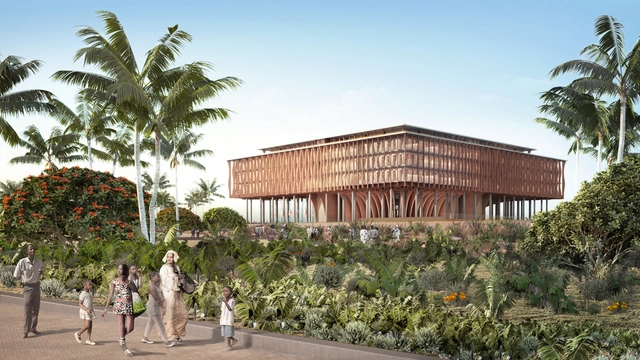
Kéré Architecture has unveiled first images of its proposal for the Benin National Assembly. Located in Porto-Novo, in the Republic of Benin, the Parliament House has been commissioned by the Ministry of Living Environment and Sustainable Development, and has been in the design phase from 2018 till 2020. Portraying the values of democracy and the cultural identity of the citizens, the project is set for construction in March 2021.
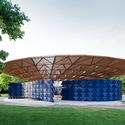
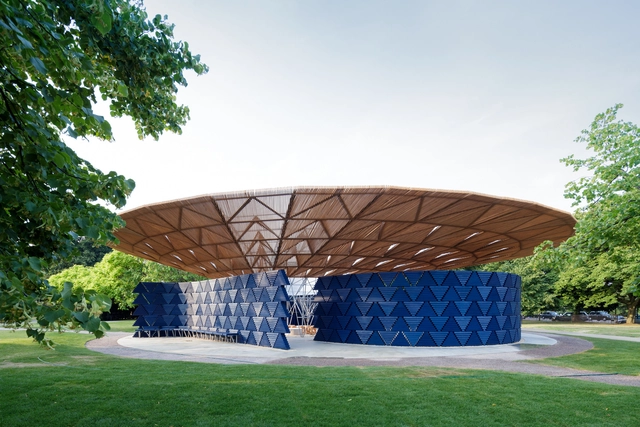
The 2017 Serpentine Pavilion, designed by Diébédo Francis Kéré (Kéré Architecture), was unveiled today in London. Conceived as a micro cosmos—"a community structure within Kensington Gardens"—the pavilion has been designed to consciously fuse cultural references from Kéré's home town of Gando in Burkino Faso, with "experimental construction techniques." The architect hopes that the pavilion, as a social condenser, "will become a beacon of light, a symbol of storytelling and togetherness."
https://www.archdaily.com/874091/diebedo-francis-kere-serpentine-pavilion-opens-london-will-come-alive-when-it-rainsAD Editorial Team
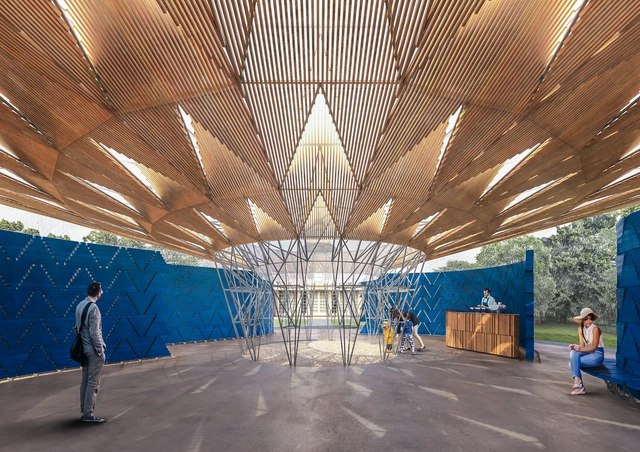
Serpentine Pavilion 2017, Designed by Francis Kéré, Design Render, Interior. Image Courtesy of Kéré Architecture
The Serpentine Galleries have announced that the 2017 Serpentine Pavilion will be designed by Diébédo Francis Kéré (Kéré Architecture), an African architect based between Berlin, Germany, and his home town of Gando in Burkino Faso. The design for the proposal, which will be built this summer in London's Kensington Gardens, comprises an expansive roof supported by a steel frame, mimicking the canopy of a tree. According to Kéré, the design for the roof stems from a tree that serves as the central meeting point for life in Gando. In line with the criteria for the selection of the Serpentine Pavilion architect Kéré has yet to have realised a permanent building in England.
Surpassing the limitations of static imagery, filmmaker Daniele Marucci creates videos that bridge the filmic and architectonic for a richer and more immersive understanding of buildings and their environments. Marucci works with photographer Enrico Cano to share intimate portraits of buildings that slow down our experience by drawing attention to their subtleties. In such practice, we are given the freedom to survey the architecture but also to let our mind wander, to daydream. Often working in remote locations, the frenetic speed of the city is forgotten when a new intensity takes hold.