-
Architects: Estudi Alfred Garcia Gotós
- Area: 260 m²
- Year: 2023
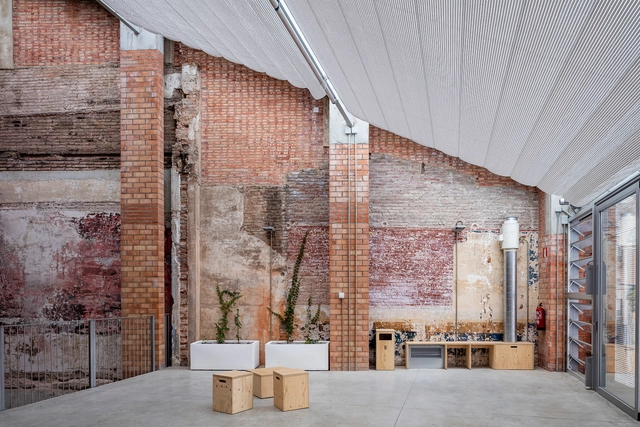
The call for entries for the European Award for Architectural Heritage Intervention (AHI), aimed at professionals and associations linked to architectural heritage, is open until March 17, 2023. Its primary objective is to recognize high-quality interventions in built heritage across all its dimensions. In doing so, the award aims to contribute to their dissemination and establish itself as a catalyst and observatory for the new challenges that contemporary architectural globalization poses to the conservation and intervention of built heritage.
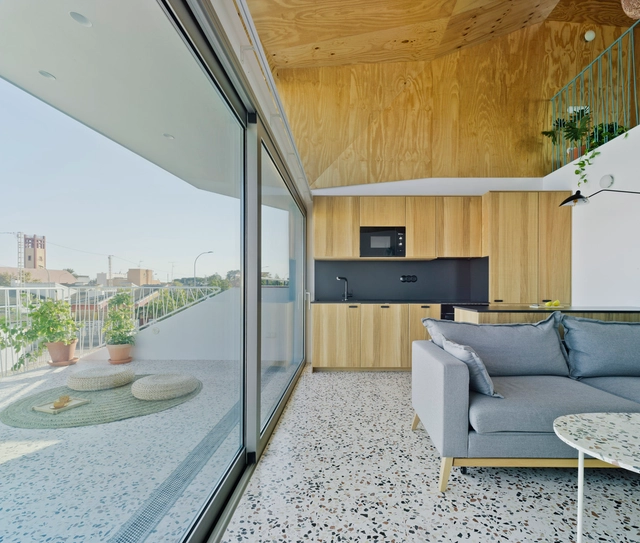
In an era where we spend most of our time indoors, contemporary architecture offers an innovative approach: dissolving the barriers between inside and outside. This fusion, now an iconic feature of many current projects, reflects a growing desire to live in harmony with nature, promoting a synergy that transcends walls and restores the human connection to the natural environment. Large windows framing landscapes and the use of biophilic design principles blur the boundaries between interior and exterior, creating flexible, light-filled spaces where nature is incorporated into the architectural design. This integration stems from meticulous design choices made possible by technological advances—such as high-performance glazing and smart systems—that enable this connection without sacrificing comfort or energy efficiency.
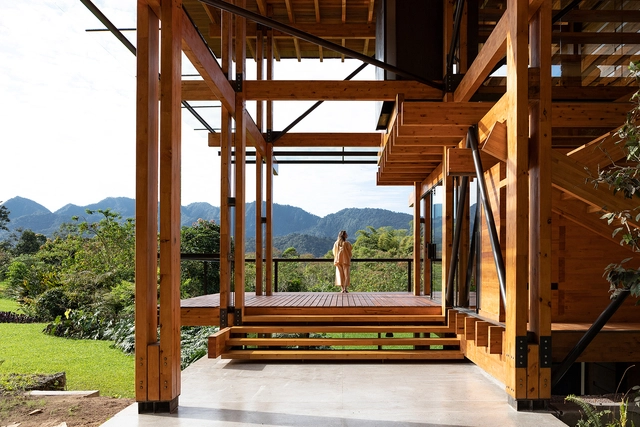
The Pan-American Architecture Biennial of Quito (BAQ2022) will take place at the Casa de la Cultura Ecuatoriana until November 18. Organized by the Colegio de Arquitectos del Ecuador, Provincial de Pichincha (CAE-P), the biennial has been held since 1978, aiming to foster dialogue, exchange, and reflection on architecture and the contemporary city. This edition's theme, "Inflexions: Looking Back," aims to provide a space for discussion and debate on architecture surrounding turning points in history.
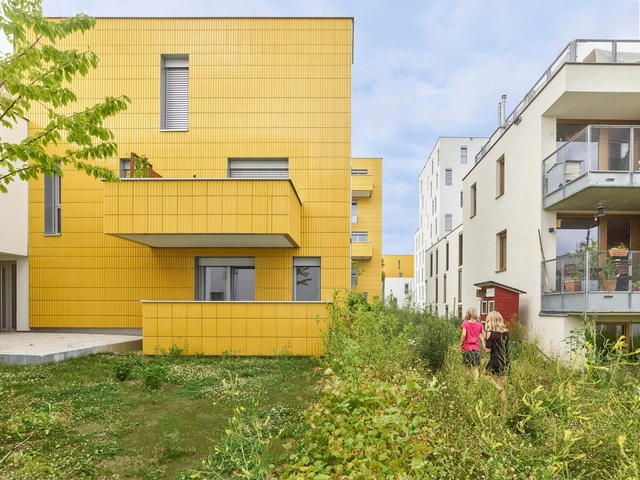
The nine winning projects of the second edition of the ARQUITECTURA Awards, organized by the Superior Council of Colleges of Architects of Spain (CSCAE), have been announced. Showcasing fundamental values of architecture and urbanism—such as social responsibility, cultural preservation, and environmental sustainability—the awards received a total of 429 submissions. In the first stage, the Official Colleges of Architects and Regional Councils selected 177 proposals, which were narrowed down to just 21 finalists.
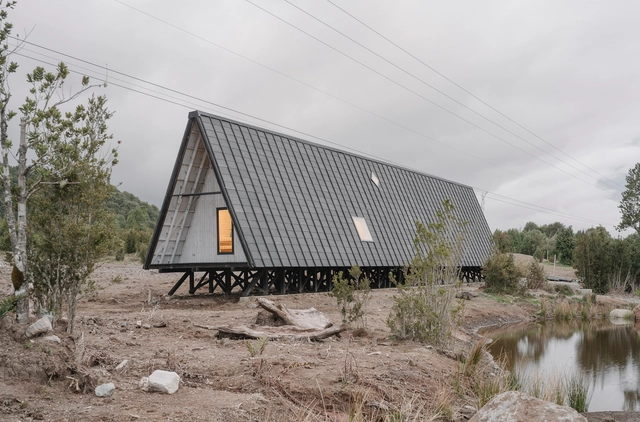
ArchDaily's curatorial team strives every day to present our readers with the most significant, inspiring, and innovative projects, while also ensuring a diverse representation of global architecture.
As part of our 2023 Year in Review retrospective on ArchDaily, we look back and reflect on what was published over the past year. Residential architecture remains one of our most visited categories of built projects, generating immense interest among our users worldwide. With this in mind, we have selected the 50 best houses published this year on ArchDaily en Español, offering a brief showcase of the form and character of residential architecture across the Spanish-speaking world.
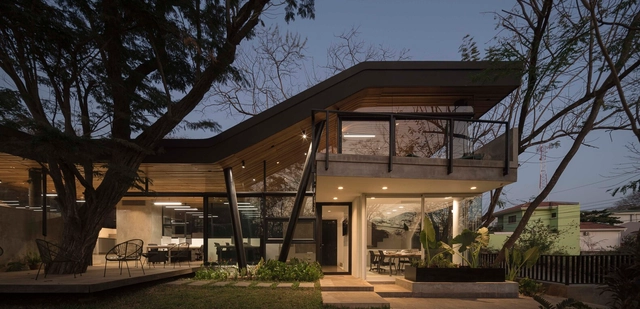


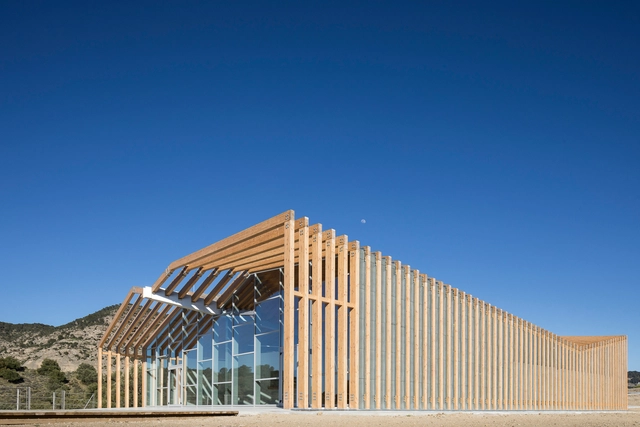
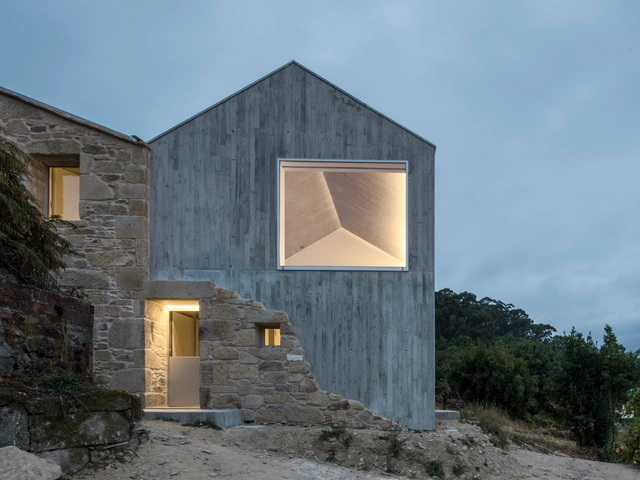
On June 28, during the official opening of the Spanish Biennial of Architecture and Urbanism BEAU 2021 at the Mies van der Rohe Pavilion in Barcelona, the winners of the 'Panorama of Architecture and Urbanism Works' call were announced. Out of 581 proposals submitted, 100 projects were shortlisted, 70 became finalists, and ultimately 20 were awarded as the most outstanding examples of Spanish architecture and urbanism from the last three years.