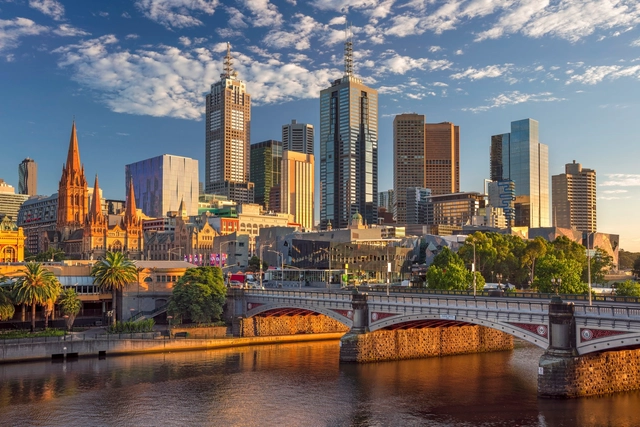
For the third year in a row, Melbourne has been selected as one of the top five most liveable cities in the world. The city is widely viewed as the leading architectural hub in Australia for its unique street culture and diverse design expression, with its layers and bold mix of architectural styles. From the very well-restored Victorian era edifices with their intricate ornamentation and detailing to the adjoining Contemporary landmarks, the city seems to achieve a nice balance of all typologies and design movements, while still being very inviting and engaging to its citizens.
Humanity has become obsessed with breaking its limits, creating new records only to break them again and again. In fact, our cities’ skylines have always been defined by those in power during every period in history. At one point churches left their mark, followed by public institutions and in the last few decades, it's commercial skyscrapers that continue to stretch taller and taller.
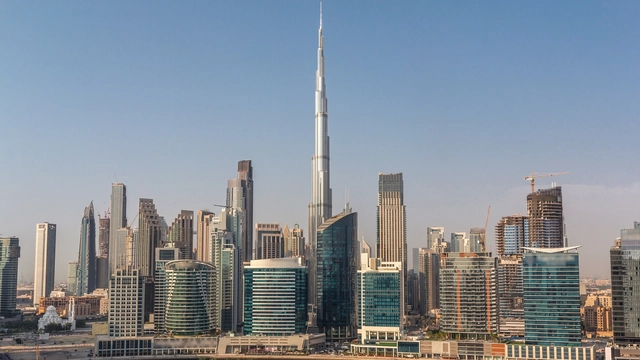
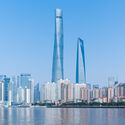
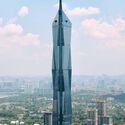
The Council on Tall Buildings and Urban Habitat (CTBUH) has developed its own system for classifying tall buildings, stating that the Burj Khalifa (828 m.) is the world’s tallest building right now. Read on for the 25 tallest buildings in the world today.
As the new year begins, we look forward to the most exciting projects planned to open in 2023. The world's second-tallest tower is currently under construction in Malaysia; Egypt is almost ready to open its largest archeological museum, while MVRDV is currently renovating a large-scale brutalist landmark in Albania. Featuring internationally renown architectural offices such as Snøhetta, OMA, Studio Gang, Zaha Hadid Architects, BIG, along with the latest winner of the Pritzker Prize, Francis Kéré, the following selection presents projects from all around the world. They also range in scale and program, from international airports to sculptural arts galleries or museum expansions.
Several projects presented here have also featured in the previous year's compilation. Resource availability and labor issues generated by the pandemic have also continued to influence opening schedules, but with a diminishing impact. Following the predicted trends for 2023, more and more projects involve the adaptive reuse of existing structures. An underlying theme is visible in the increased interest in expanding artistic and cultural venues and integrating historical heritage into the expression of contemporary architecture.
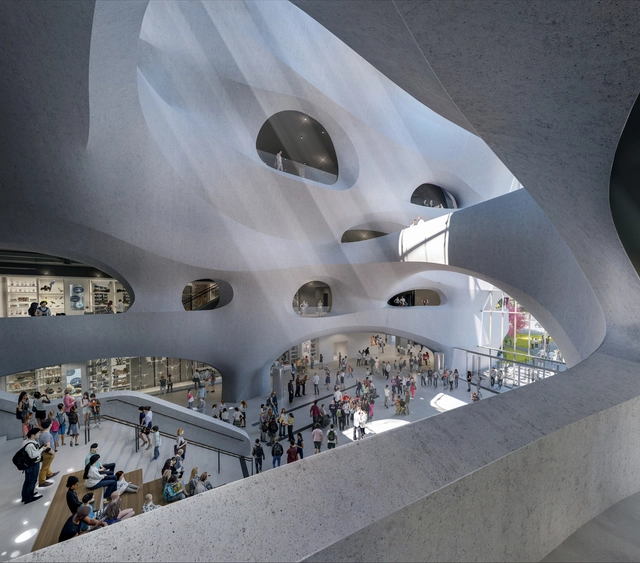
Courtesy of Architectural Visualization Studio Soba
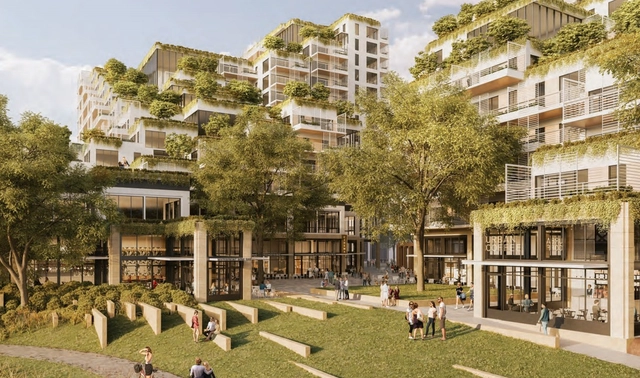
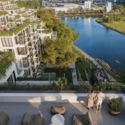
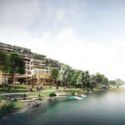
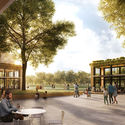
A new mixed-use waterfront development is set to start construction in 2021 after receiving approval by the City of Melbourne’s Future Melbourne Committee. Designed by Foster and Partners, Fender Katsalidis and Oculus, the project is backed by WMW Developments, a venture between Perri Projects and Qanstruct. Located along the Maribyrnong River, the design is made with a series of buildings that span retail, residential, commercial and community uses.
SOM and Fender Katsalidis have won an international design competition for Central Place Sydney, a commercial development that will introduce new transformative public space and high-tech towers. Located in Sydney's Central Business District, Australia, the proposed project seeks to transform the western edge by introducing innovative buildings and public realm improvements.
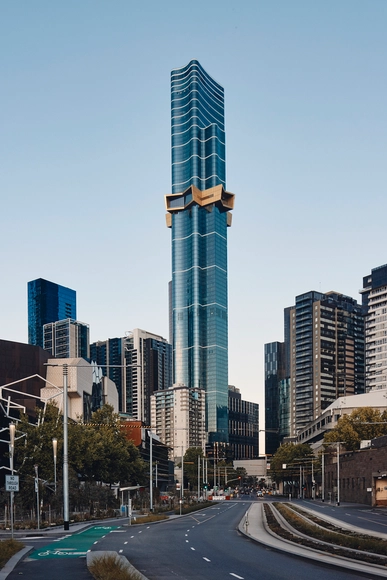
Fender Katsalidis has released details of a masterplan to revitalize Melbourne’s Southgate precinct. Submitted for planning approval, the project is made to create a new urban marker for Southbank and the city. The $800 million project includes a new 21-level office tower, 2,000 square metres of publicly accessible parkland, and 2,000 square metres of landscaped open spaces.
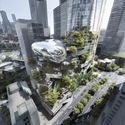
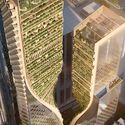
Green Spine / UNStudio + Cox Architecture . Image Courtesy of UNStudio / Cox Architecture
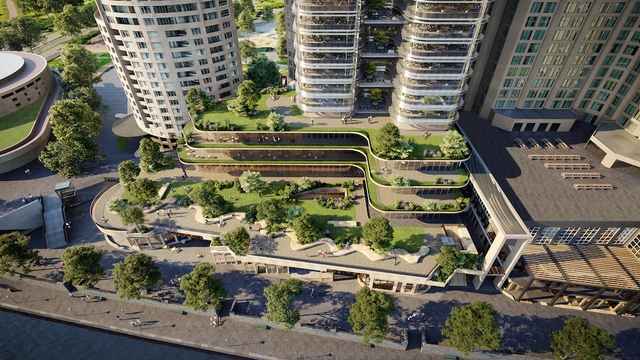
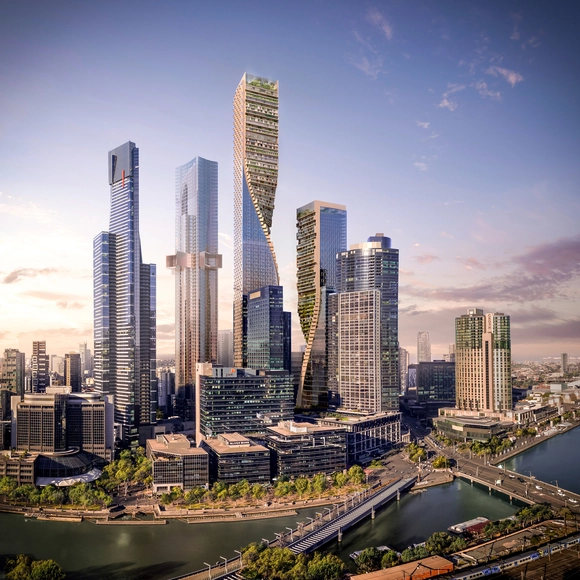
UNStudio and Cox Architecture have officially been announced as the winners of Melbourne’s landmark Southbank Precinct overhaul. Selected from a range of high-profile offices, including BIG, OMA, and MAD, UNStudio's vision for the $2 billion project includes a pair of twisted towers called Green Spine. As the largest single-phase project in the history of Victoria, Australia, the Green Spine is designed as a state-of-the-art, mixed-use environment centered around innovation in architecture and design.
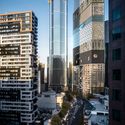
The Lanescraper. Image Courtesy of BIG – Bjarke Ingels Group / Fender Katsalidis Architects
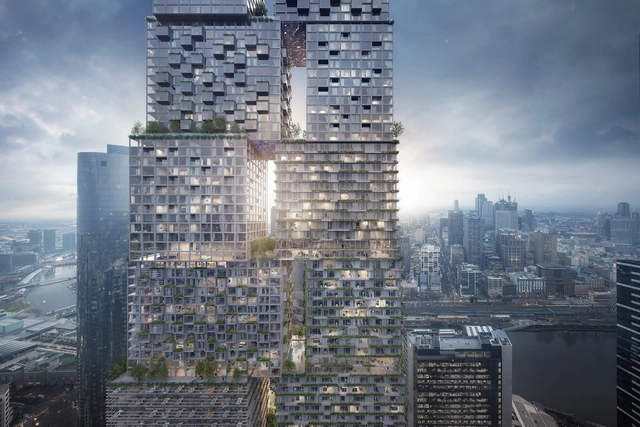
A prominent shortlist including BIG, OMA, and UNStudio have revealed their visions for Melbourne’s landmark Southbank Precinct overhaul. The $2 billion project will be the largest single-phase project in the history of Victoria, Australia, intended as “a state-of-the-art, mixed-use environment” to be “centered around innovation in architecture and design.”
The six shortlisted schemes include twisting towers, interlocking blocks, and stacked neighborhoods, all focusing on the 6,000-square-meter BMW Southbank site. The designs were revealed at a public symposium on July 27th featuring speakers from the shortlisted firms.
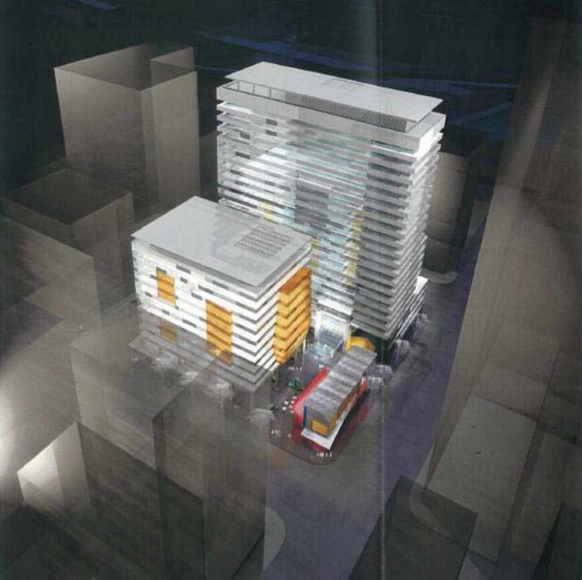
Pre-existing structures permitted for 'part demolition and refurbishment'. Image Courtesy of Future Melbourn (Planning) Committee
Australian developer CBUS Property has invited four pairs of Australian and internationally-renowned architectural practices to compete to design an office complex at a 6,000 square meter site in downtown Melbourne, Australia where the National Mutual Plaza currently stands.
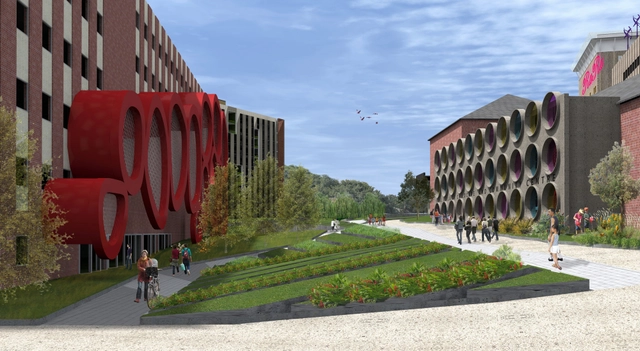
Slash withPhillips/Pilkington Architectshave been announced as the winners of the Royal Adelaide Hospital Site International Design Competition, which was open to registered architects and landscape architects from around the world. The competition centred around redesigning the current hospital site, which will be vacated in 2016, in order to create an iconic place within the Greater Riverbank Precinct of Adelaide. See the winning and shortlisted proposals after the break.





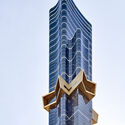
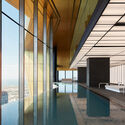
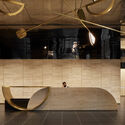
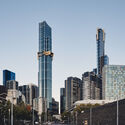


.jpg?1597587766&format=webp&width=640&height=580)

.jpg?1597587782 "Courtesy of SOM | Fender Katsalidis")
.jpg?1597587827 "Courtesy of SOM | Fender Katsalidis")
.jpg?1597587803 "Courtesy of SOM | Fender Katsalidis")
.jpg?1597587766)