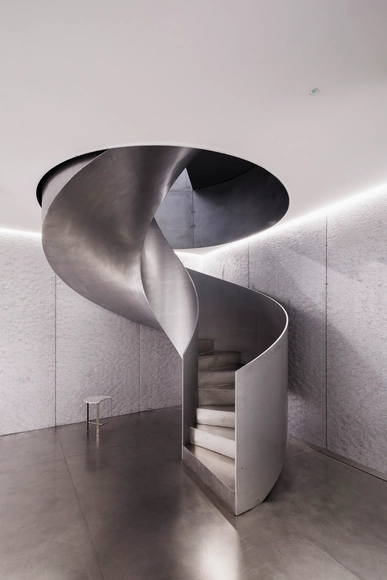
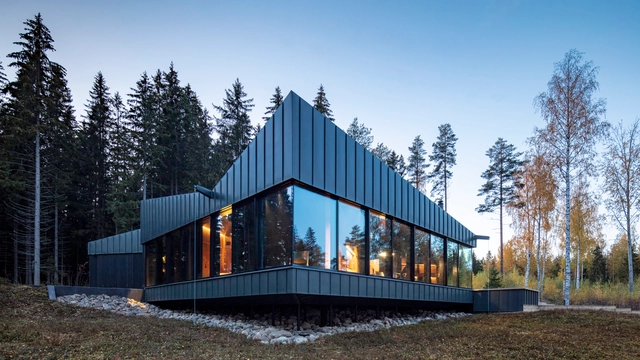
Shortly before the First World War, Harry Brearley (1871-1948), who had been working as a metalworker since he was 12 years old, developed the first stainless steel. Seeking to solve the problem of wear on the inner walls of British army weapons, he ended up obtaining a corrosion resistant metal alloy, and added chrome to the cast iron. The invention found applications in almost all industrial sectors including for the production of cutlery, health equipment, kitchens, automotive parts, and more, replacing traditional materials such as carbon steel, copper, and even aluminum. In civil construction, this was no different, and stainless steel was soon incorporated into buildings.
In the context of WWI and to address the massive housing shortage resulting from the conflict, the Dom-Ino modular structure, one of the most significant contributions of functionalism and designed by the Swiss designers Le Corbusier and Max Dubois, established concrete premises for a new vision of a lightweight structural model that optimizes the construction process. Thanks to the use of a reinforced concrete slab and column system, the Dom-Ino structure allowed for the flexible arrangement of elements in the floor plan and freed the facade from the limitations imposed by load-bearing walls.
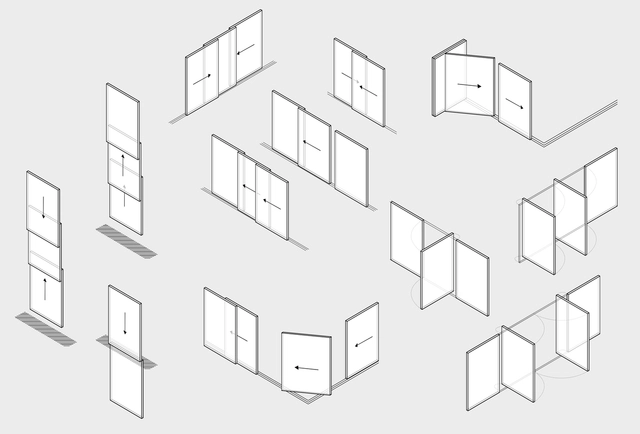
This condition prompted the creation of architectural designs that not only integrated windows as functional elements but also as compositional. Thanks to technological innovations, windows with slender framings and wider openings were achieved, as exemplified in works such as Villa Savoye and Farnsworth House. While these proposals redefined the aesthetics of architecture, the technological limitations of the time presented challenges. Nowadays, the continuous development of windows with improved technical characteristics has led to the concept of the minimalist window, which has inspired three fundamental principles derived from this concept, conceived by Vitrocsa. These principles —transparency, functional variations, and advanced mechanisms— incorporate technological innovations while simultaneously blurring spatial boundaries. Each of them plays a key role in the design of spaces and together they significantly redefine the aesthetics of buildings and interiors.
https://www.archdaily.com/1006485/redrawing-boundaries-the-three-principles-of-minimalist-windowsEnrique Tovar
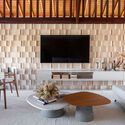
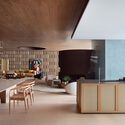
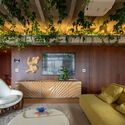
Almost half of Brazil is covered in forest, producing nearly 150 million cubic meters a year. Thanks to the large country’s wide range of tree species, Brazilian designers looking for natural, locally sourced materials have a lot of wood to choose from. Unsurprisingly, wood is a common feature in both traditional and contemporary Brazilian homes, both in construction and when creating decorative surfaces.
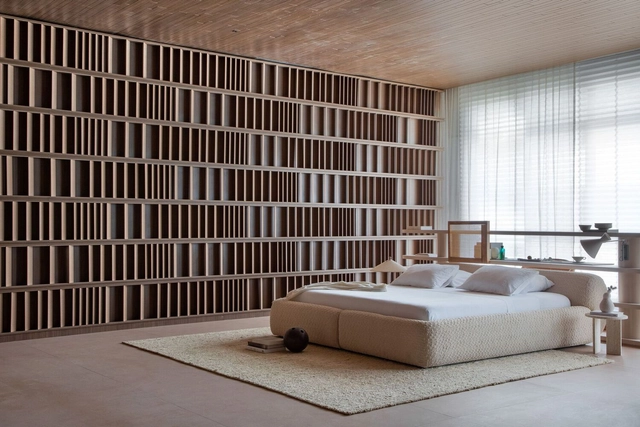
The aesthetic beauty of wood’s grain pattern, combined with the warm, rich, and varying color palettes on offer, means that while achieving the strength and stability required for flooring and construction, wood is also a perfect material to form interior surfaces. Its natural color and aesthetic allow for a simple, minimalist form, giving spaces a timeless mid-century feel.
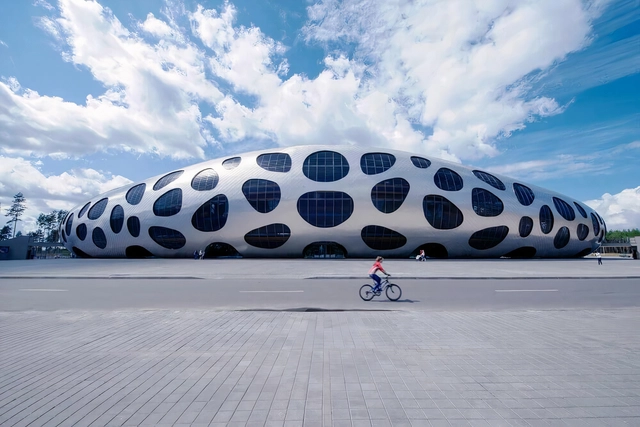
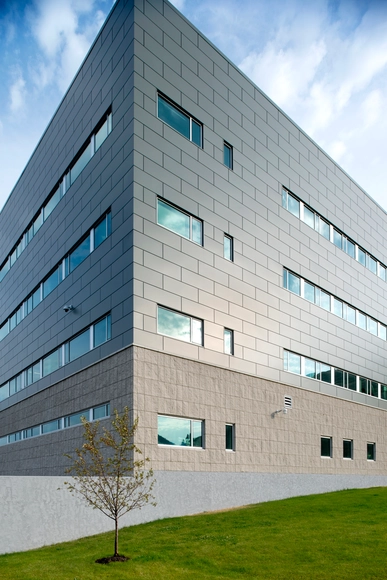
Bate Borisov Arena / OFIS Architects. Image Courtesy of Euramax
Building envelopes create a physical boundary or shell integrated to the outer skin of a structure, separating indoor and outdoor environments. By assembling architectural components such as walls, roofs, windows and doors, the building is enclosed to provide protection and insulation, playing a determining role in the energy efficiency, comfort, structure, and durability of the project. Through multiple styles and shapes, they are key to giving character to a building, its visual appearance and integration with the surrounding environment.
Maintaining the fundamental functions of an envelope while playing with aesthetic possibilities, Euramax’s tailor-made metal cladding solutions create unconventional, colorful envelopes for designing with innovative geometries, patterns, and configurations.
Architects and builders often opt for metal panels due to their exceptional qualities: durability, affordability, and versatility. These attributes hold immense value for construction professionals, who constantly seek cost-effective solutions. Moreover, when a product seamlessly merges desired aesthetics with optimal performance, it becomes a highly sought-after choice for a diverse range of projects.
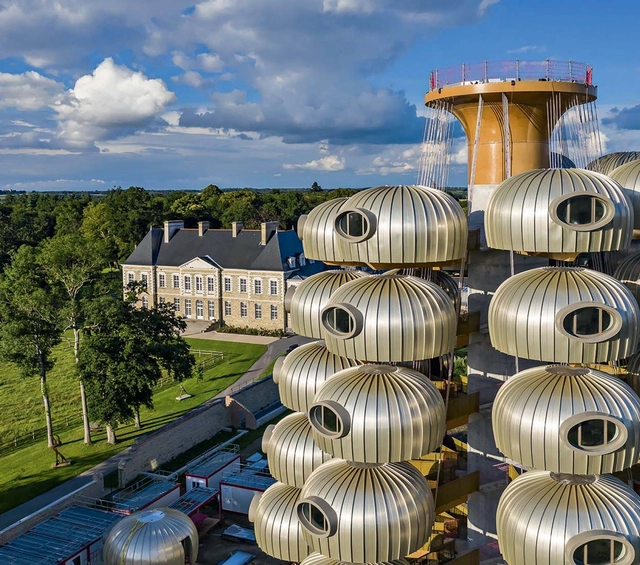
Designed by architect Anthony Rio and his firm Agence Unité, the Château des Pères hotel project showcases the integration of innovative design and materials in the realm of hotel architecture. Taking inspiration from nature, it reimagines the traditional hotel room as a protective nest. This expansion of a historic hotel, nestled in a 12th-century mansion, features reception, restaurant, and event spaces. The new structure, reminiscent of a tree, gracefully extends with branches radiating from a central trunk. Within each bubble-like structure, guests can experience a sanctuary-like ambiance, offering both privacy and panoramic views of the surroundings, made possible by the generous ovoid windows that adorn each facade.
Enhancing the energy performance of existing buildings through refurbishment processes provides the opportunity to create more comfortable and sustainable environments, while also improving their functionality, aesthetics, and safety. Architectural approaches to these renovations encompass various aspects of a building, including interior spaces, structure, internal systems, and facades.
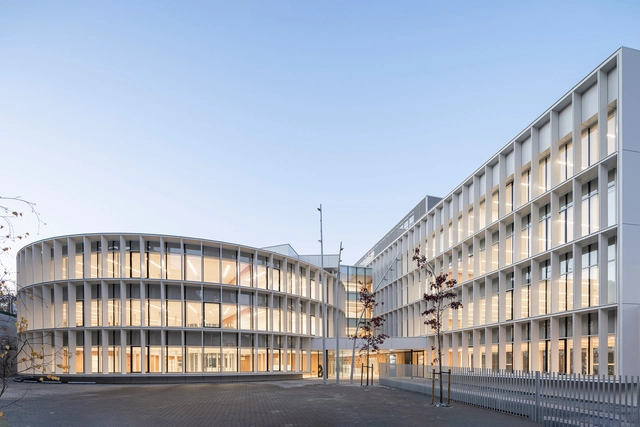
When it comes to rethinking a building's envelope, STACBOND’s composite panel solutions delve into the development of ventilated facades. These facade systems serve as an architectural strategy for energy-efficient building renovations. Minimizing energy consumption for heating and cooling, the rehabilitation strategy incorporates thermal insulation, moisture management, and thermal mass optimization.
As societies evolve, educational facilities also undergo continuous transformation processes to keep up. In terms of their design strategies, they must embrace modern approaches that respond to the changing needs of students and teachers. Including flexible, inclusive, and engaging spaces that seamlessly integrate technological advances, contemporary educational design aims to enhance learning and collaborative work, as well as comfort and wellbeing.
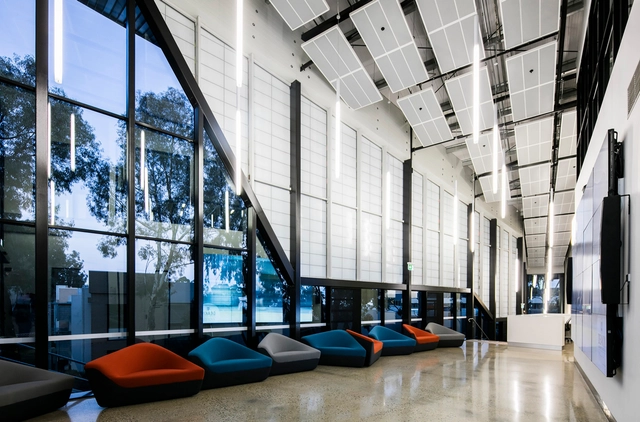
Kalwall focuses on developing forward-thinking solutions for human-centered design that address these evolving needs, while responding to a tight budget. Through a collaborative strategy with architecture and engineering projects, they focus on four ways to design optimal learning environments, including daylight design, energy efficiency, safety, and cost savings through renovation and installation.
One of the primary functions of architecture is to provide shelter, fulfilling the physiological and safety needs at the base of Abraham Maslow's hierarchy of human motivation. Throughout history, the need for shelter has been evident in our ancestors’ behavior, who sought refuge in caves to protect themselves from weather conditions and predators. As societies shifted from a nomadic to a sedentary lifestyle and basic needs were easily met, shelters became more advanced, evolving into purpose-built spaces. These early shelters withstood the elements of their time and laid the foundation for modern architecture as we know it today.
Today, extreme weather conditions due to climate change are testing cities, buildings and materials. Venice is flooding, and the Svalbard Global Seed Vault is experiencing melting ice. Without action, conditions will continue to worsen, increasing the need for efficient strategies that allow us to coexist with the environment and to develop more resistant materials for our buildings. An example of these materials of the future is NATURCLAD-B, a high-quality, maintenance-free wood panel system designed for architecture, interior design and construction.
https://www.archdaily.com/1000043/climate-proof-architecture-supertextured-cladding-for-extreme-conditionsEnrique Tovar
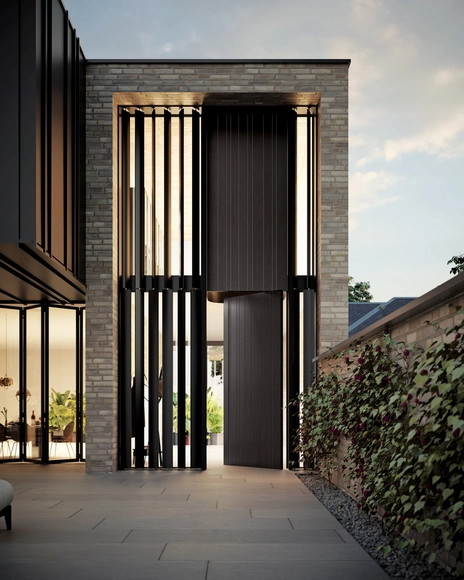
Verticality in architecture conveys aesthetic, symbolic and cultural meanings, representing concepts such as elegance, sophistication, modernity, progress and technological advancement. In religious buildings, for example, it symbolizes greatness and a connection with the divine. These strategies are very common in Gothic architecture, as well as Art déco buildings or even the skyscrapers of Mies van der Rohe. But these elements need not be restricted to grandiose constructions. Even in single-family homes, working with elements that refer to verticality can be just as useful, playing with volumes and facades or working with openings, such as windows and doors.
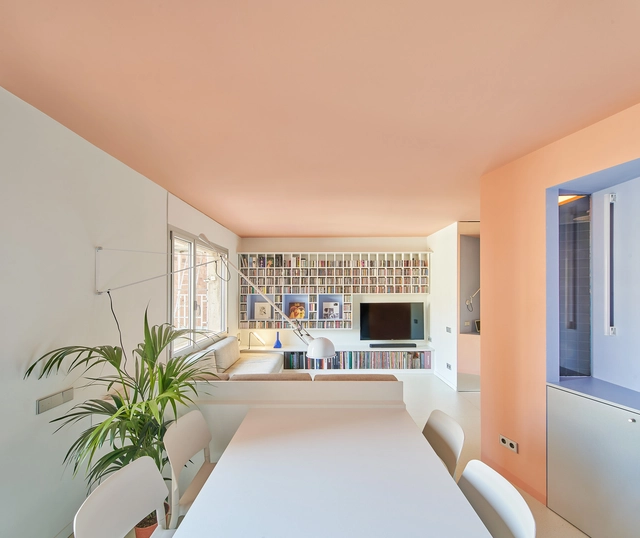
With a high proportion of white mixed with a small amount of colorful pigments, pastel colors provide a range of pale, subdued tones. Related to soothing and calming environments, these colors have a timeless quality and can be seen throughout different architectural styles, such as rococo, art déco or the mid-century modern years. Applied in exteriors, interiors, or both, pastel tones make rooms feel more light, airy and spacious.
From subtle accents to taking the spotlight in a project’s overall strategy, pastel colors are a versatile alternative that can be used in multiple ways and varying degrees. Following Ricardo Bofill’s color proposals, Paulo Mendes da Rocha’s interiors and Michael Graves’ buildings, contemporary architecture plays with soft colors for aesthetic and functional purposes, as well as providing a sensory experience. Analyzing different examples of their application in architecture and design, we showcase how four prevailing colors –mint green, pale pink, lemon yellow and light blue– are currently taking the stage.
When a country becomes known for its most famous export, the two together can become synonymous with quality. Combinations such as French wine, Italian marble and German engineering are examples of the hallmark of excellence provided simply by a product’s geographic birthplace. While Portugal’s most famous and most passionate exports could equally be cork, football, or egg-based sweet treats, there’s far more to the Portuguese culture and economy than preening soccer players and custard tarts.
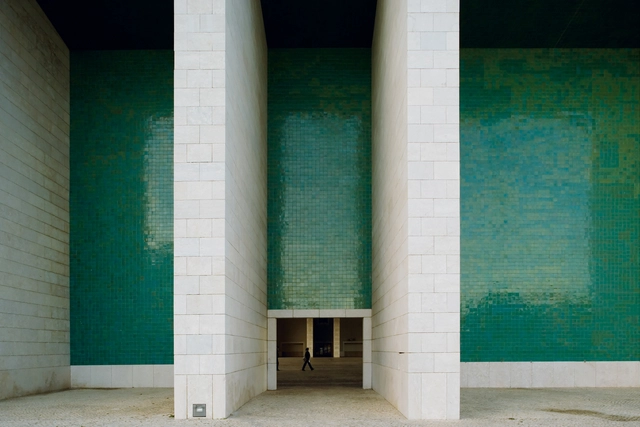
While Portuguese culture’s relationship with ceramics is known for the distinctively patterned plates, bowls, and jugs millions of tourists attempt to keep intact on the journey home, few are paying the extra baggage charge for 50 sqm of ceramic tiles. The country’s agreeable climate, however, along with a history of craftsmanship and the natural strength, durability, and pigment of Portuguese clay, means high-quality ceramic facades are an identifiable feature of Portuguese architecture. And the material is exported all over the world for both exterior and interior surfaces.
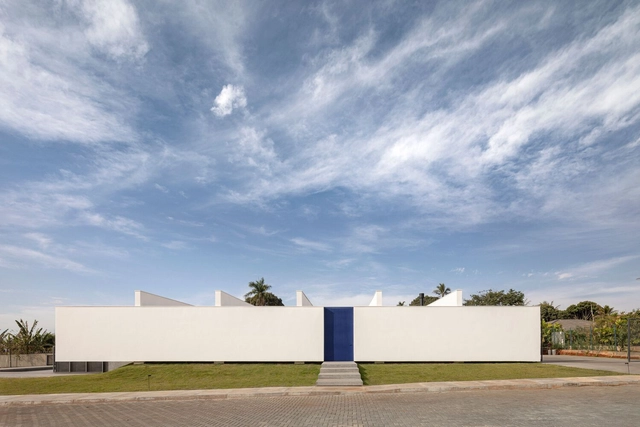
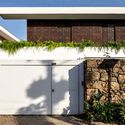
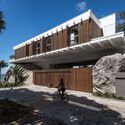
Not all projects seek a constant connection with the outside, at least not in their front façade. Despite not being a usual appearance, there are several reasons for creating an opaque façade: privacy, security, reduced energy consumption, and protection against inclement weather. More common in government, cultural or religious buildings, this solution is also found in some residential cases.
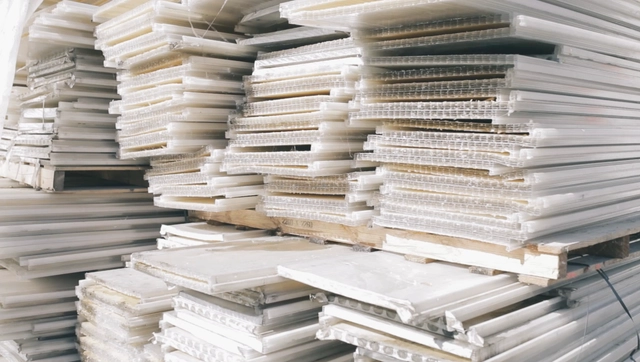
Sustainability needs to go further beyond inspiring speeches and promises, with visible, concrete actions. In order to see this change, it is essential for individuals, companies and governments to take responsibility and act in a sustainable manner in their daily lives and practices. By taking into account the environmental and social impacts of their decisions and seeking more conscious and responsible alternatives, they can take steps to ensure a sustainable future for the next generations. In the construction industry this is even more urgent. Responsible for a large amount of solid waste and greenhouse gas emissions, it is essential for this industry to adopt sustainable practices, such as recycling, to minimize environmental impacts.
However, even though product recycling processes have significantly advanced in recent years, there are still certain challenges associated with the use of recycled materials. This is due to a variety of factors, such as performance and durability, or even due to the difficulty of obtaining suitable raw materials. But there are also successful examples that show the possibilities of recycled materials.
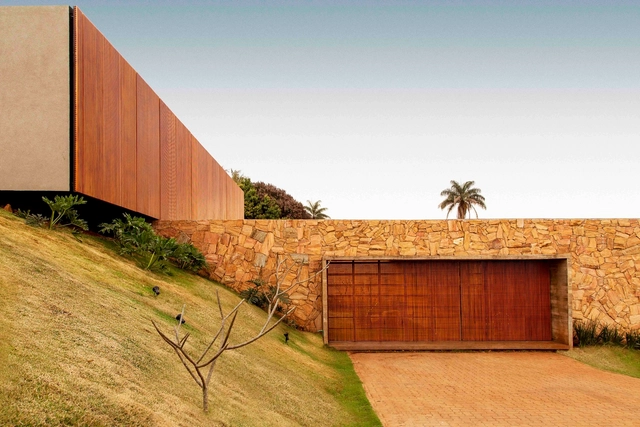
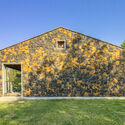
Inherited from ancestral techniques, dealing with natural stone as a building material is, historically, linked more to the structure of a building than to the finishing stage. With the development of construction, natural stones as a structure were replaced by more efficient and cheaper systems, such as reinforced concrete or even metallic structures and structural masonry, opening space for the use of stones as finishes and coatings.
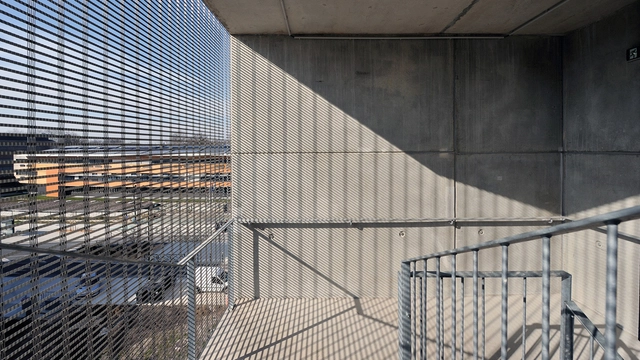
Versatility is the main characteristic of wire mesh. They can be used indoors, as ceilings and walls, but also outdoors, covering railings or wrapping entire buildings. In addition to its many possible uses, versatility is intrinsic to the material: Depending on the choice of warp and weft wires and the type of weave, the result is an individual mesh with a specific look and light effect, that can be further expanded with different materials or colored mesh surfaces. Another notable quality of the material is the safety it provides, either in guard rails on walkways, vehicle bridges with sidewalks, central atriums, elevated playgrounds, multi-storey parking lots, or internal or external stairways.
The façade is the only part of the building that can be seen from the outside and has the function of communicating a message derived from its design. It therefore deserves special attention in every detail. A façade that is well proportioned in terms of colours and materials, which facilitates the connection between the interior and the exterior, will generate an initial attraction for pedestrians, inviting them to enter.
From a small house clad in classic tiles, to big brands such as Apple or Louis Vuitton, façades are used as an architectural expression to give us a glimpse of the first elements that we will later find inside the premises. In interior design, the entrance hall of a home concentrates many clues as to what we will find next. The effect of this first impression would be even more positive if the façade included a design that leaves the user hungry for more.
As climate change continues to reach unprecedented levels, many are pointing towards enhancing circularity in the construction sector. Essentially, the circular economy aims to eliminate waste and the continual use of resources by repeatedly reusing, repairing or recycling materials. The cyclical approach is able to meet demand and minimize CO2 emissions by extending a product’s lifespan, which is especially important when dealing with limited resources. Unlike the traditional linear extractive method –where everything goes through an extremely contaminating process of 'take-make-waste'–, circularity keeps materials in use for as long as possible to extract maximum value. This, in turn, reduces pollution, regenerates natural systems and contributes to a healthier built environment, hence building economic, natural, and social capital.