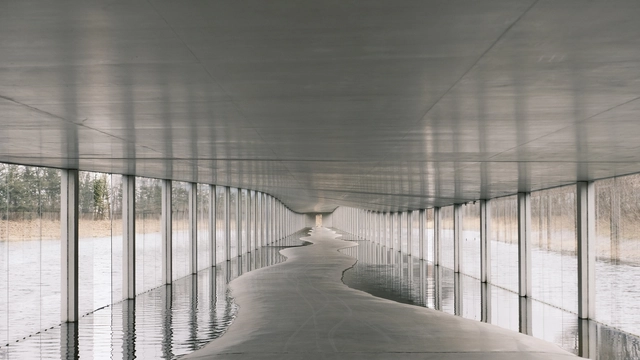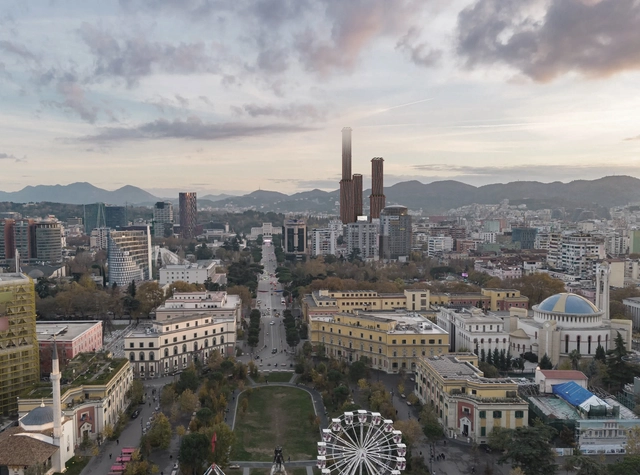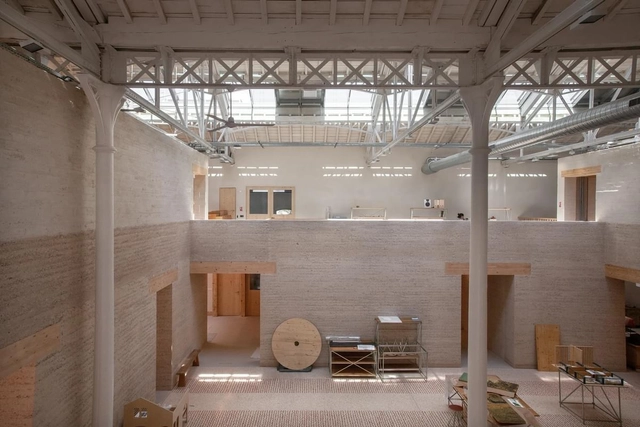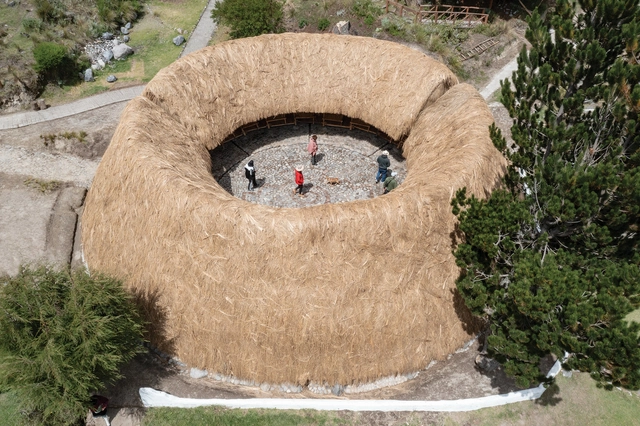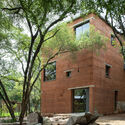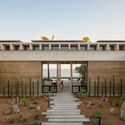
Reflecting on the past is often viewed as nostalgia or, from a more critical standpoint, as a sign of regression. However, looking back can offer valuable insights into a society that sometimes appears overly focused—if not obsessed—with the future and technology. In architecture, this reflection allows us to reconnect with our roots and appreciate the knowledge accumulated over generations. It invites us to explore how our ancestors designed durable structures adapted to their environment. Refined through centuries of observation, experimentation, and likely even errors, these systems demonstrate a profound understanding of local materials and building techniques.
https://www.archdaily.com/1020943/heritage-in-mud-stone-and-reeds-rediscovering-ancestral-construction-techniquesEnrique Tovar
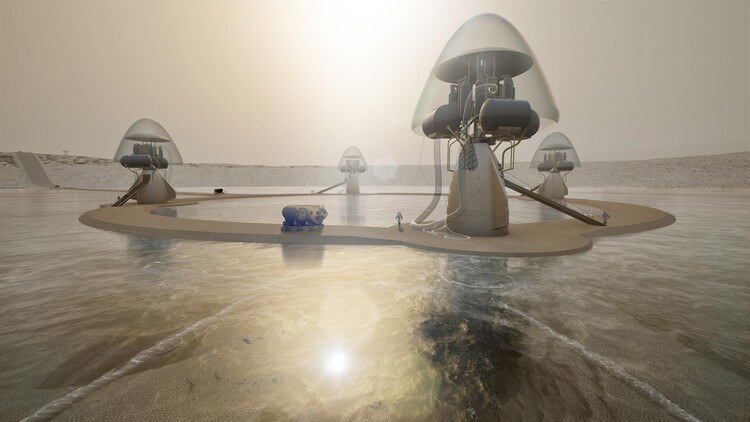
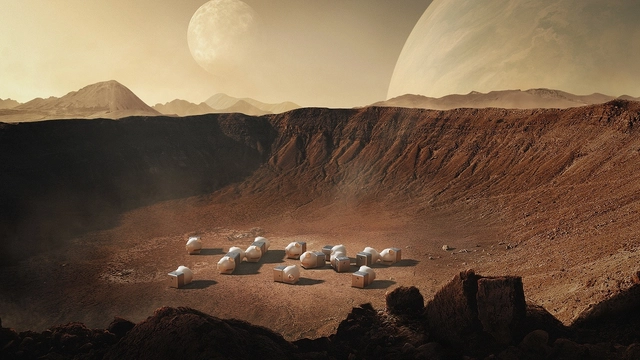
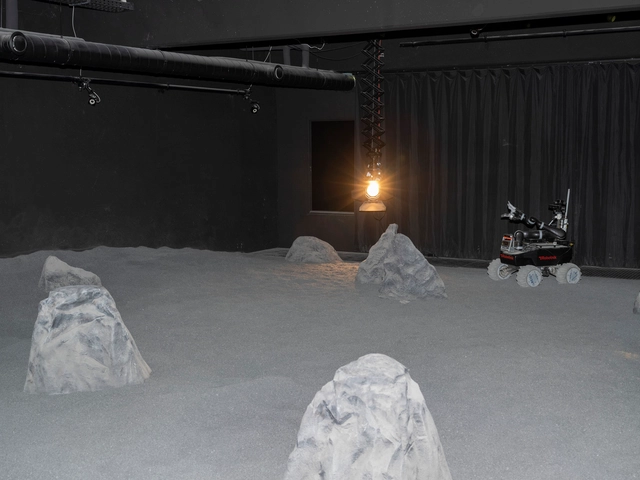
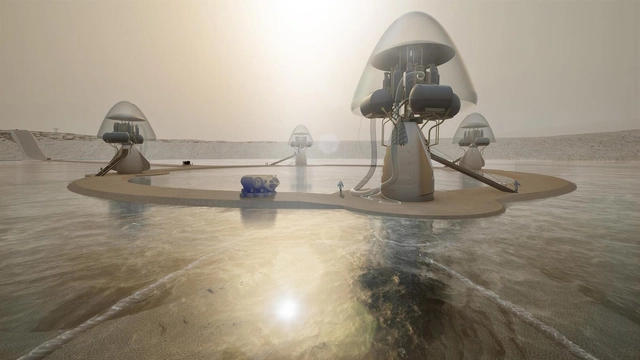
Space exploration isn’t merely a testament to human ambition or a quest for new territories and resources. Our ventures beyond Earth’s atmosphere are driven by a deeper purpose: to understand better our place in the cosmos and to pioneer innovations that can transform life on our home planet.
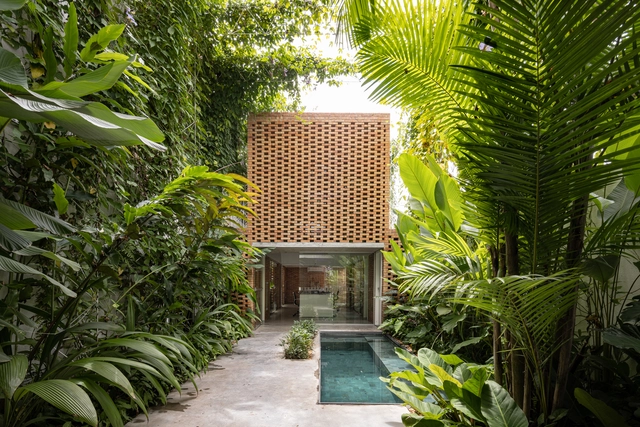
When we think of the word "tropic," the image that typically comes to mind is an exotic space, characterized by perpetual warmth and humidity, with frequent and heavy rainfall nurturing lush vegetation. Throughout history, this tropical climate has been romanticized as a paradise and criticized for potentially fostering weakness due to its perceived clemency.
Thankfully, those judgments and associations have been relegated to the past, paving the way for theoretical and practical projects that outline the advantages and disadvantages of living in a tropical climate. These projects acknowledge the various strategies to enhance human adaptability within these distinctive climatic conditions.
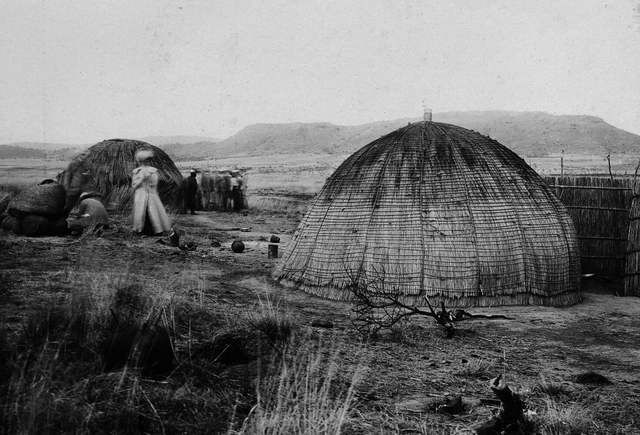
The historical journey of construction also tells the story of humanity. The enduring examples from the past reveal insights into their specific contexts, and the remnants that have survived the elements and decay narrate the development of human technology. In the early days of construction, the common (and often the only) practice available to humans was to use locally available raw materials. For many, this meant building with clay.
By recognizing and analyzing the multiple architectural possibilities of bamboo—a construction material mostly native to warm and tropical areas—the following questions arise: How can we take advantage of its qualities and enhance its use in colder climates? Such regions necessarily require a certain level of thermal isolation in walls, floors, and roofs—but for these climates, we can combine bamboo with materials that complement it.
We spoke with Penny Livingston-Stark, a designer and professor of permaculture who has worked for 25 years in the field of regenerative design based on non-toxic natural materials, to understand the opportunities offered by combining bamboo with earth.
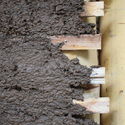
Being one of the first construction methods developed by humans, earth has proven its resilience and durability over time. While construction techniques have evolved and been updated over the years, there is still a long way to explore where the understanding of climate, geographic location, sustainability, structural requirements, and other factors determine its degree of application.
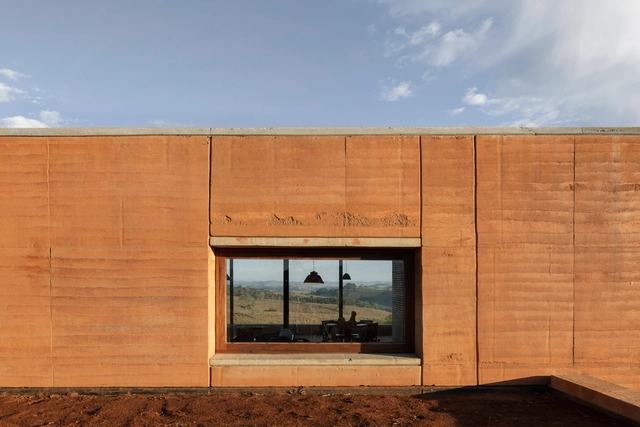
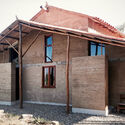
With low environmental impact and the ability to be used through a wide variety of techniques, such as rammed earth walls or 'tapiales,' this material offers the possibility of providing not only aesthetic but also thermal comfort, insulation, and other benefits. With the intention of discovering the different ways it has been used, we set out to select 12 projects distributed throughout Latin America, spanning Argentina, Brazil, Bolivia, Chile, Mexico, Paraguay, Peru, and Ecuador.
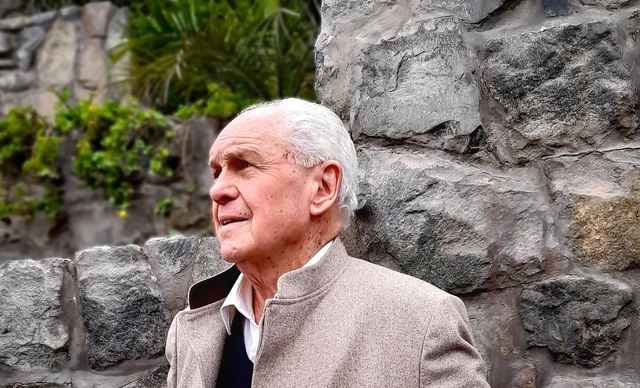
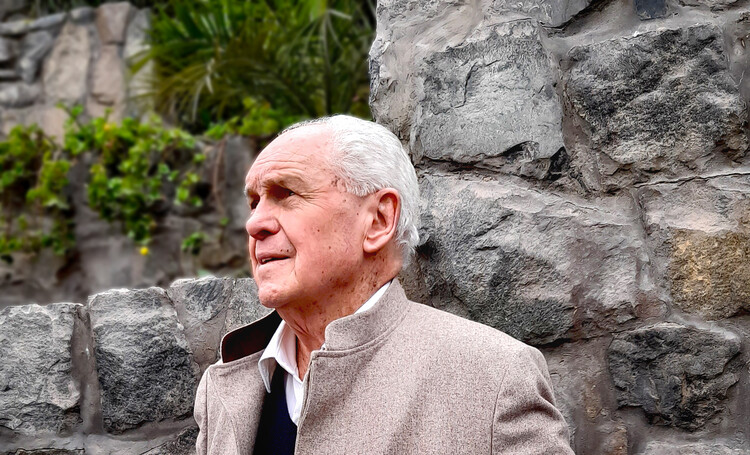
With an air of simplicity and wisdom, engineer Julio Vargas Neumann welcomes us. His two dogs accompany us as we descend after the necessary ascent to enter, and we are also accompanied by the stone walls defining the lot. We sit down and begin - or continue - the interview and conversation regarding the value of 'shicras', local materials, and earth construction. We also discuss criticisms of cement, aluminum, and steel, as well as perspectives on the future of materials in Peru and the world. Likewise, we delve into the long-neglected and recurrent rural problem in South America, discussing the inexorable need to change paradigms and priorities.

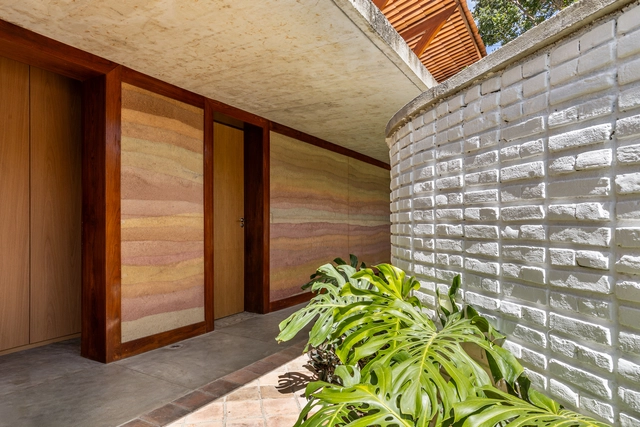
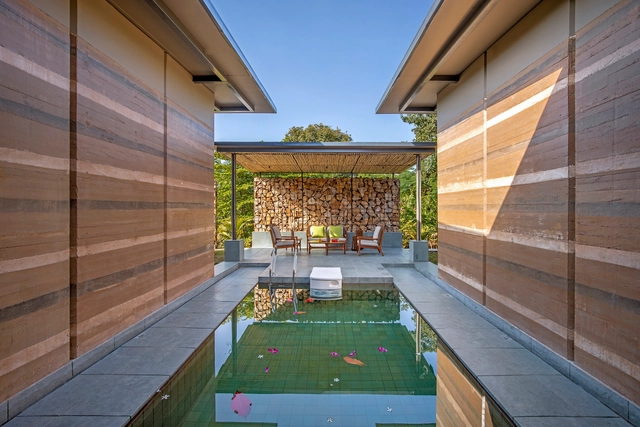
With the proper know-how, readily available earth, sand, chalk, lime, or gravel can yield a versatile, strong, and durable construction material. Its colorful results vary from region to region, depending on the natural soil component, climate, and treatment. While some prefer to minimize any added processing, others relish the exploration of rammed earth surfaces. Different textures and mesmerizing layers of multitoned or multicolored earth can be used to create a solid surface that enriches the visual quality of a space and carries a sense of warmth to any project.
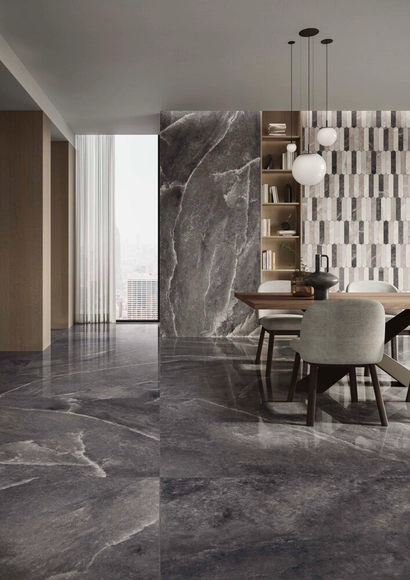
Rock salt is a chemical sedimentary rock that forms through the evaporation of water, as minerals dissolve and settle down. When excavated directly from the earth, it maintains a cube-shaped crystalline form. With its diverse textures, compositions and structures, this natural element has captivated human interest for centuries. Depending on the region and environmental conditions, salt rock has been found in diverse applications in architecture, such as a construction material that uses blocks of salt to build structures, bricks, or tiles. Often translucent, these bricks allow diffused light to enter interior spaces, creating a unique atmosphere and aesthetic appeal.
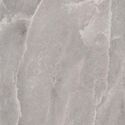
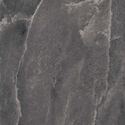
Giving this ancient material a modern twist, Casalgrande Padana uses rock salt as the inspiration for its new Supreme porcelain stoneware tile collection. By replicating the colors, texture and brightness of natural sedimentary rock, this collection can be seen as a fascinating journey to discover the unique features of the center of the Earth.
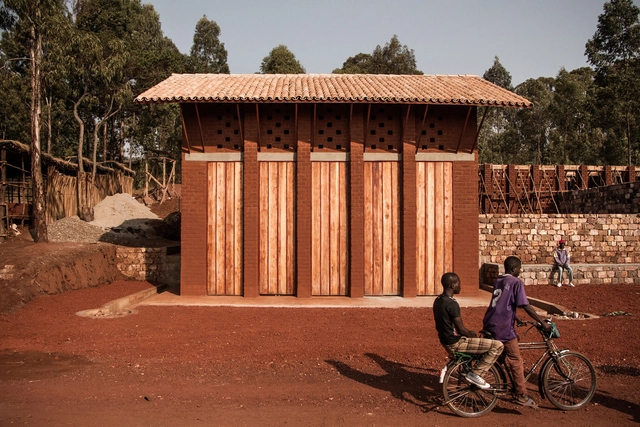
Library of Muyinga. Image Courtesy of BC Architects
Nowadays, the understanding of our building culture and the application of local construction methods may seem like a distant and obsolete concept given the role of industrialization and globalization in the construction industry. We can now obtain almost any material from around the globe just by searching the internet for a distributor in our region. But this practice has important implications for our society, from the loss of architectural identity to environmental costs related to high CO₂ emissions associated with the processes of extraction, manufacturing, transportation, and disposal of these materials.
The increasing global need to reduce our carbon emissions and use materials in more efficient ways has led us to research and learn about the origin of our region's resources, eventually leading to better understanding their applications within a circular economy approach. But why not look right under our feet? Soil is one of the most common materials on the planet, and when it is locally sourced, it does not generate considerable amounts of embodied CO₂. It seems that after industrialization, we have forgotten that building with earth was for many years a viable construction method for our ancestors in different parts of the world. We spoke with Nicolas Coeckelberghs, one of the four founders of BC Materials, a worker cooperative based in Brussels that has been working with earth, rediscovering its use, and sharing its knowledge on a global scale while working with a local conscience.
https://www.archdaily.com/999074/building-with-waste-transforming-excavated-earth-into-architectureEnrique Tovar
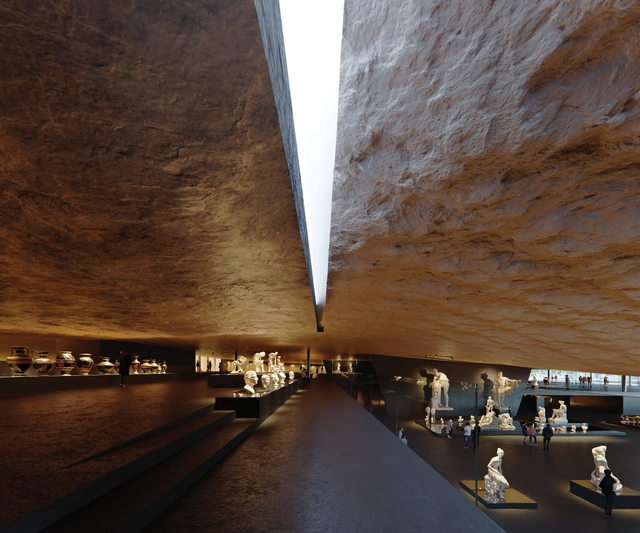
The National Archaeological Museum. Image Courtesy of Kengo Kuma and Associates
Kengo Kuma’s proposal for The National Archaeological Museum in Athens, Greece, aims to draw attention to the importance of science in archaeology, the value of its collections, and the fundamental role and character of the museum in the present and the future. As the memory of the museum is traced back, words in acts of burying, concealing, and revealing begin to emerge. These three words are pivotal transitional moments that help shape the museum into what it is today and pave the way for its future application.
Artists are frequently inspired by land — be it painter Robert S. Duncanson’s renditions of American landscapes, or William Kentridge’s subversions of colonial-era British paintings depicting African vistas. Some artists, though, have preferred to work directly with the land, creating structures that sit on landscapes, or carving into the land itself. This art style — formally termed as Land Art — gained prominence in 1960s and 70s United States, in the context of the rise of the environmental movement amidst civil rights and antiwar protests, and as artists looked to separate themselves from the art market.
The relationship between architecture and nature is complex. If, on the one hand, we enjoy framing nature as art in our homes; on the other hand, we try at all costs to avoid the presence of obstructive "real" nature in our walls and structures, which can be damaged by roots and leaves. At the same time, we use green roofs, vertical gardens and flower boxes to bring cities closer to nature and improve people's wellbeing; but we also construct buildings with materials that are completely dissociated from fauna and flora. Although the advancement of biomaterials and new technologies is gradually changing this, we should nevertheless ask ourselves whether the structures and buildings we occupy need to be separated from the nature that surrounds them. This was the question that led researchers at the University of Virginia (UVA) to develop geometrically complex 3D-printed soil structures on which plants could grow freely.
Michael Heizer’s immense sculpture the City, an ambitious artwork of an extraordinary size, will begin to accept visits from the public beginning September 2, 2022. The announcement was made by the Triple Aught Foundation, the not-for-profit organization responsible for managing the long-term oversight and maintenance of Michael Heizer’s immense sculpture. The artwork, a mile and a half long and nearly half a mile wide, is located in a remote stretch of the high Nevada desert. Work on the structure began in 1972 when the artist was 27 years old.
Upon becoming a sovereign country, free from British Rule, the people of India found themselves faced with questions they had never needed to answer before. Coming from different cultures and origins, the citizens began to wonder what post-independence India would stand for. The nation-builders now had the choice to carve out their own future, along with the responsibility to reclaim its identity - but what was India's identity? Was it the temples and huts of the indigenous folk, the lofty palaces of the Mughal era, or the debris of British rule? There began a search for a contemporary Indian sensibility that would carry the collective histories of citizens towards a future of hope.
Equipo de Arquitectura was founded by Horacio Cherniavsky and Viviana Pozzoli in 2017. From Paraguay, their works such as Earth Box or Intermediate House translate the vision of an architecture that deals with the primitive and essential. One that constantly seeks to integrate the existing natural environment with the artifice, the built. In particular, bringing material sincerity as a design ethic.
Selected by ArchDaily as one of the Best New Practices of 2021, we conducted the following interview to tell us more in detail about all their inspirations, motivations and ways of working.
Rammed earth constructions are not a novelty, on the contrary, some sections of the Great Wall of China were made using this technique. Relegated and replaced by modern methods of construction, the mud walls are currently re-emerging as an economic, sustainable solution, with low environmental impact. Even Joelle Eyeson, a young African entrepreneur, is betting that it may be the answer to the housing deficit in her region.
This is a rudimentary construction system in which earth is compressed into wooden boxes. The clay is horizontally placed in layers of 15 cm in height, and compacted with manual or pneumatic tools, to achieve its ideal density creating a resistant and durable structure.