-
Architects: Lily Jencks, Nathanael Dorent
- Year: 2013



gmp Architekten just won the first prize in the competition to design the 1.2 million square-meter Tianjin Exhibition Center. Now the third city where an exhibition center of international importance will be built after Shanghai and Guangzhou, their design concept proposes two almost identical construction phases. They both consist of a central entrance hall roofed over by filigree canopies, 8 exhibition halls on both sides and a main central thoroughfare that connects the entrance halls with the exhibition halls. More images and architects' description after the break.
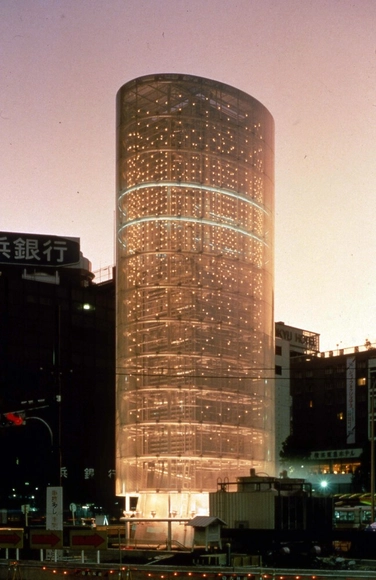
The Tower of Winds is a project largely indicative of Toyo Ito's approach to architecture, particularly his belief in the importance of technology and its vital role in the future of architecture. The project not only embraces technology and involves it in a dialogue with the city, but also establishes a direct symbolic relationship between nature and the installation.

Toyo Ito, recipient of the Pritzker Prize 2013, along with Cecil Balmond and Arup were in charge of the design of the Serpentine Gallery Pavilion back in 2002. What appeared to be an extremely complex random pattern was in fact derived from an algorithm of a cube that expanded as it rotated. The intersecting lines formed different triangles and trapezoids, whose transparency and translucency gave a sense of infinitely repeated motion.
You can see more images of the Serpentine Gallery Pavilion 2002 after the break. And don't forget to check ArchDaily's exclusive coverage of the 2013 Pritzker Prize.

ANIMA, the first work in Italy by Bernard Tschumi, is a cultural, social, and architectural generator of events. Situated in Grottammare, the project is intended to welcome and encourage a broader expression of creativity and culture. The schematic design highlights the remarkable quality of a building characterized by flexible space and the structure manifests itself to the visitor as both highly permeable and exceptionally receptive. Unveiled just last month, completion is scheduled for 2016, creating stronger ties between the people and the territory. More images and architects' description after the break.

Slated to open in 2015, the Patricia and Phillip Frost Museum of Science is on its way to become the world's most innovative and sustainable science museum with the structural foundation now complete and the vertical construction currently in progress. Designed by Grimshaw Architects, the 250,000 square-foot complex will harness energy from water, sun, wind and even museum visitors to power exhibits and conserve resources. More images and architects' description after the break.

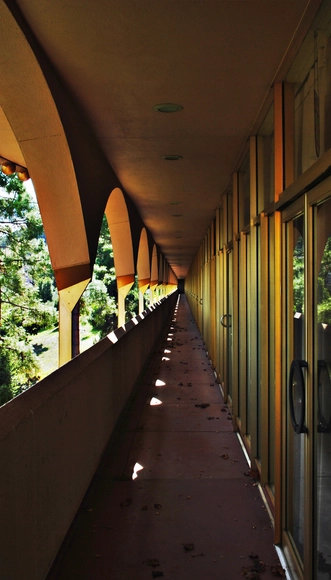
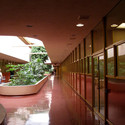
The Marin County Civic Center was Frank Lloyd Wright's last commission and largest public project, including several civic functions that would serve Marin County and San Francisco, which after the opening of the Golden Gate Bridge became closer than ever. Wright was selected for the project in 1957, winning a vote out of hope he would be able to best represent a democratic government open to the people through the Civic Center.
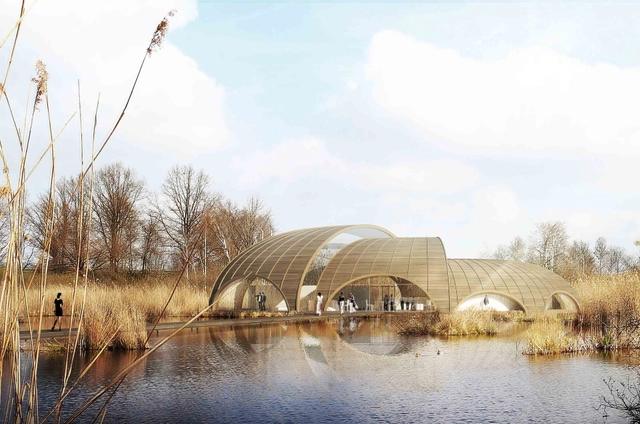
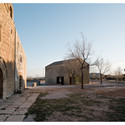
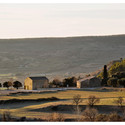
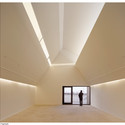
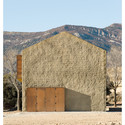
Atelier CMJN shared with us their proposal for the Great Fen Visiting Center which aims at reconnecting humans with nature. In terms of sustainable development, or in the broader term ecology, is the reconnection of humans with their environment by restoring links between the users and the fen. By maximizing one’s chances to connect to this raw and simply beautiful environment, the project intends to not just restore a piece of anthropogenic nature, but reconnect mankind with its deepest self, nature. More images and architects’ description after the break.

Coop Himmelb(l)au has come up with an incredibly unique design for the new Grand Theatre and International Culture & Art Center for Changsha, China. The site is located on the northeastern side of the newly created Changsha Meixi Lake in the Daheexi District, with the design engaging both land and water with a flowing and undulating white form of enormous scale. The architects hope to create a new cultural center that interacts with the existing natural landscape, not only visually, but scientifically by running on alternative energy sources and efficient passive energy systems to reduce environmental impact.
The architects' description after the break...

Noted architectural historian and preservationist Robert Rubin has purchased the largest of Buckmister Fuller's "Fly's Eye" domes and plans to reopen it to the public this summer for the first time in 30 years.

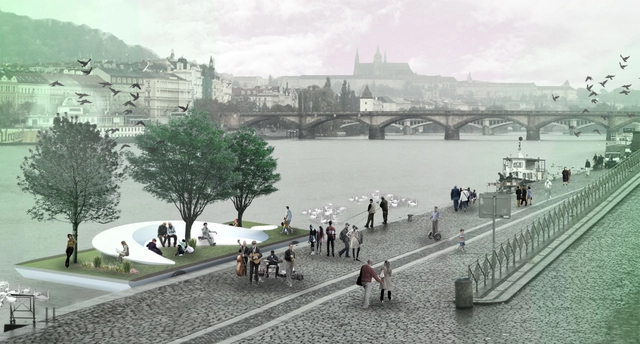
Designed by the collaboration of Juras Lasovsky, Zuzana Masna, and Koen Hezemans, their project "Prague Activators" suggests the idea of pontoons floating on the river. The pontoons "activate" the Vltava riverbank as well as various parts of the city of Prague. The proposal was originally awarded at the Skanska Bridging Prague Competition and was later elaborated into the current project Prague Activators. The project aims to motivate people not only to pursue activities on the riverside, but also to inspire them to care for the public space and alter it. More images and architects’ description after the break.

Zaha Hadid Architects (ZHA) have unveiled an ambitious cultural mega center, which began to take shape in October after the project broke ground in the heart of Changsha, China. In true Hadid-fashion, the Changsha Meixi Lake International Culture & Arts Center defines itself by extreme sinuous curves that radiate from each of the three independent structures and links them by a pedestrianized landscape that offers a “strong urban experience”, forming what they hope to be a global destination for performance art.
More on the cultural and arts center after the break...

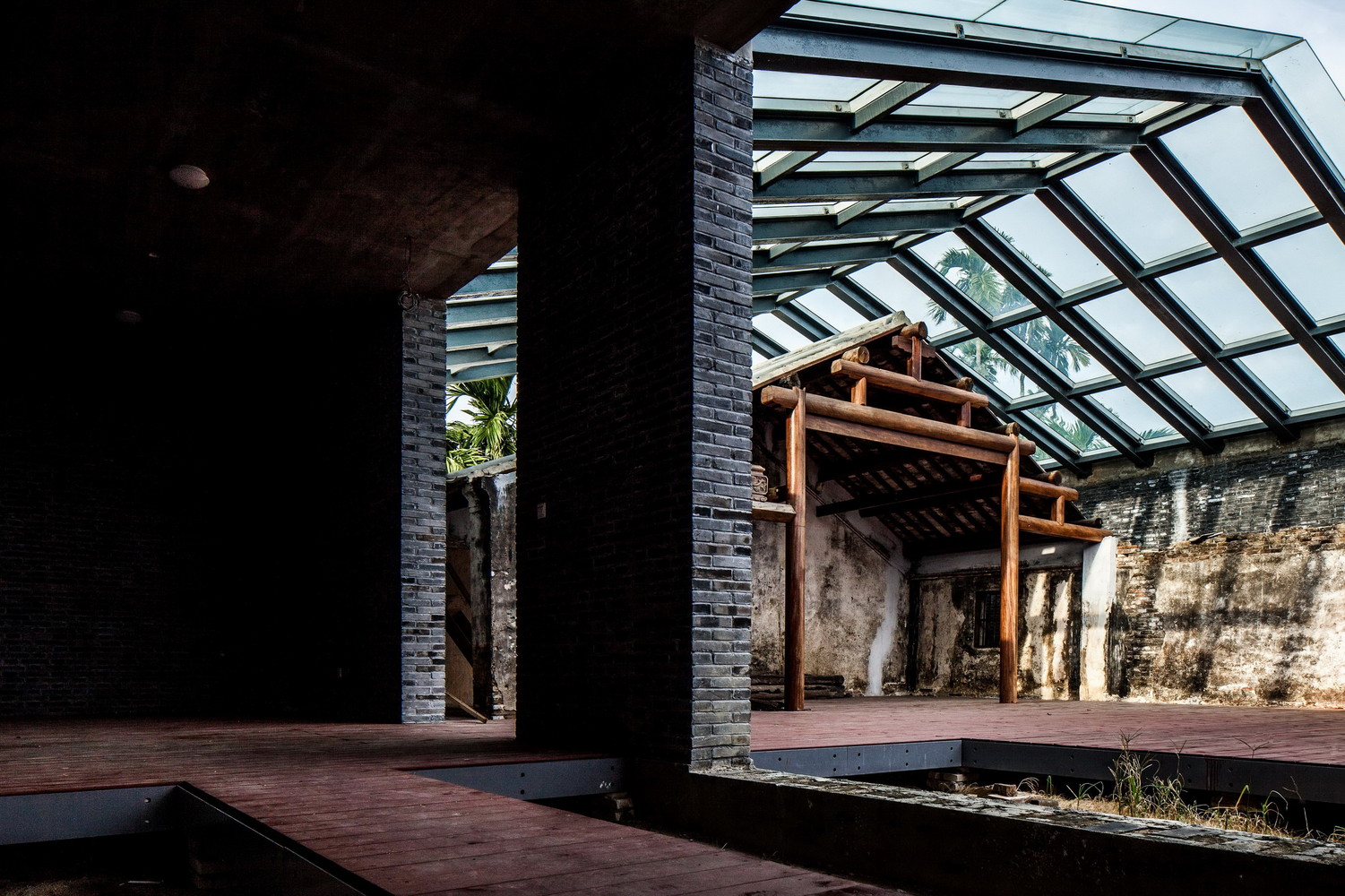
London-based architectural practice Office for Architectural Culture (OAC) recently completed the master plan and architectural concepts for a prestigious International Oceanic Fishing Cultural Center and Museums in China. The 650,000 m2 project in Tanmen, located on the southern island of Hainan, aims to create a realm where new architecture and spaces are profoundly rooted in the village’s culture and heritage is our principal design approach. More images and architects’ description after the break.