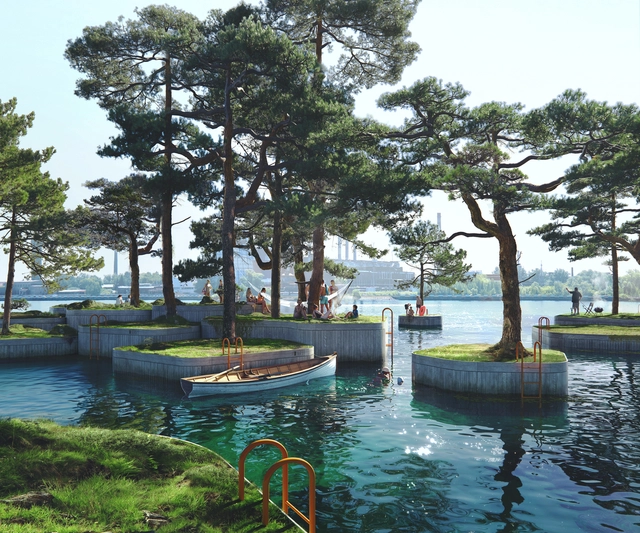
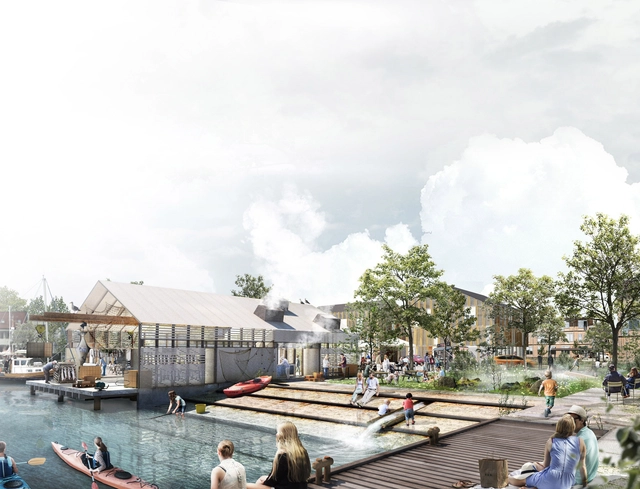
Marshall Blecher & Studio Fokstrot have introduced “wilderness and whimsy”, to the Danish capital by creating a series of floating islands in the city’s harbor. Adding a new archetype to the urban space, the project can be used by boaters, fishermen, kayakers, stargazers, and swimmers.
The Danish Architecture Center (DAC) in Copenhagen has launched a free podcast series called Let’s Talk Architecture. The series is in English, with nine episodes available on iTunes and Spotify. Though the center is currently closed for the time being due to the world-wide coronavirus pandemic, the institution is still working to share knowledge about architecture, cities, engineering, and design with the public.
Bjarke Ingels is one of the most well-known architects of our time. During a conversation in Copenhagen between Ingels and Sky-Frame, he discussed his point of view, creating reality, immense courage and the secret behind his unwavering pragmatism.
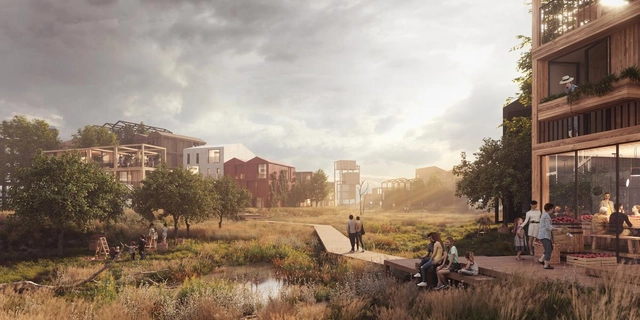
Henning Larsen has created a proposal for Copenhagen’s first all timber neighborhood. Made for Fælledby, the plan includes 40 percent undeveloped nature, aiming to illustrates how new developments can embrace environmentalist principles. The project would transform a former dumping ground site into a model for sustainable living, accommodate 7,000 residents in an entirely timber construction.
The park ends with a broad staircase leading into the sea next to the Fishermen's House. Image Courtesy of BOGL
BOGL, a Danish landscape architecture studio, won the open planning and design competition for an urban development project in Norway. Located in the harbor city Tananger, a growing area, the proposal highlights the possible evolution of the space into an attractive place to live, work and visit.
The world is facing a huge learning crisis. Education systems have become so generic and systemic that it doesn’t provide personal, innovative and optimized care to its pupils. While countries have significantly increased access to education, being in school isn’t the same thing as learning. Worldwide, hundreds of millions of children reach young adulthood without even the most basic skills like calculating the correct change from a transaction, reading a doctor’s instructions, or understanding a bus schedule—let alone building a fulfilling career or educating their children.
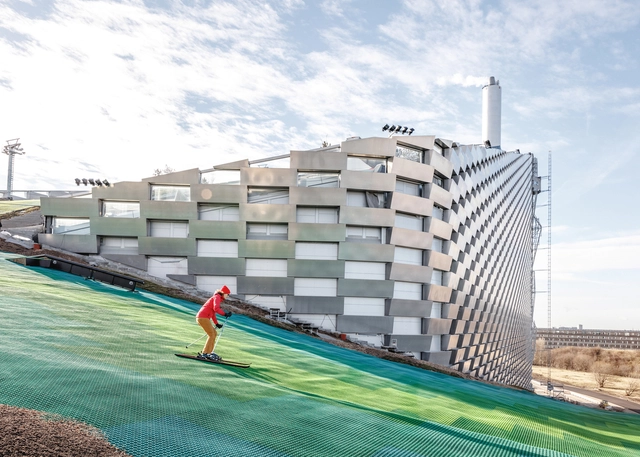
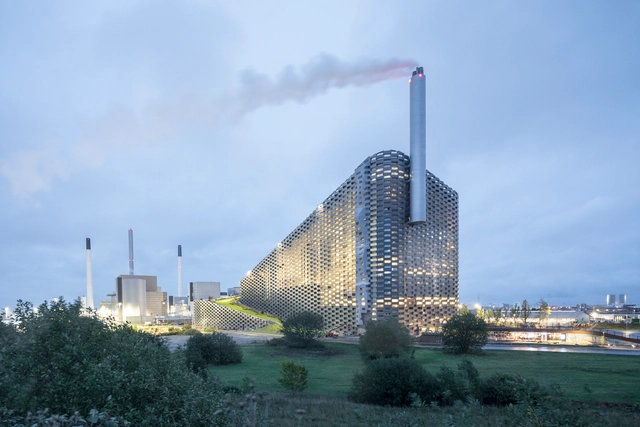
Nearly a decade in the making, the landmark CopenHill waste-to-energy plant first imagined by Bjarke Ingels Group has finally opened in Copenhagen. ArchDaily initially covered BIG's project in January 2011, and the waste-to-energy plant would later include hedonistic ideas of the world’s first steam ring generator and crowdfunding through Kickstarter. Today, the project has fulfilled many of its promises, and CopenHill stands as a modern architectural zeitgeist reflecting BIG's own evolution.
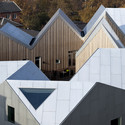
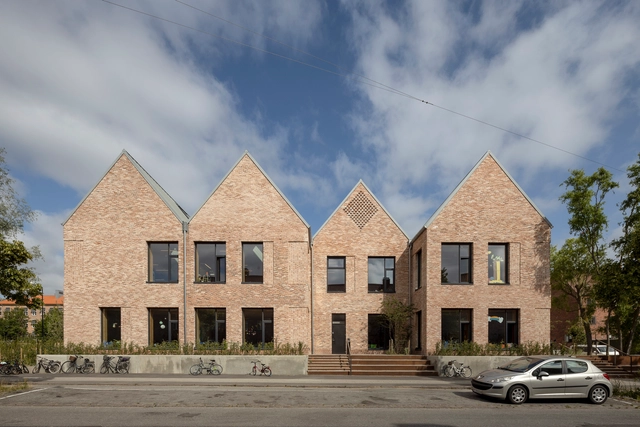
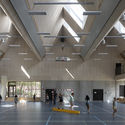
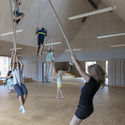
Christensen & Co Architects have designed with the participation of Kjaer & Richter Architects, the Nordøst Amager School, a school in Copenhagen that offers new types of spaces for an innovative learning experience. The facility also doubles as a center for after school activities for adults and children.






























_redmhs_fase02.jpg?1568629244&format=webp&width=640&height=580)



.jpg?1567741916&format=webp&width=640&height=580)




.jpg?1567741916)