1. ArchDaily
  2. Cities

Cities: The Latest Architecture and News

Miró Rivera Architects: Building a New Arcadia

The acclaimed studio Miró Rivera Architects has published a 448-page monograph, entitled Miró Rivera Architects: Building a New Arcadia. Designed by the award-winning architects, the book features 20 of the firm’s most remarkable projects brought to life through 230 color photographs and 95 drawings. Featuring essays by notable thinkers and cutting-edge practitioners in the fields of architecture and urban design, Building a New Arcadia situates the firm’s diverse portfolio in a global context related to concepts of nature, sustainability, history, and urban design.

What We Can (and Can’t) Learn from Copenhagen

This article was originally published on Common Edge

I spent four glorious days in Copenhagen in 2017 and left with an acute case of urban envy. (I kept thinking: It’s like..an American Portland—except better.) Why can’t we do cities like this in the United States? That’s the question an urban nerd like me asks while strolling the famously pedestrian-friendly streets, as hordes of impossibly blond and fit Danes bicycle briskly past.

Design Disruption Episode 6: Design and the Just City with Toni Griffin

The COVID-19 Pandemic is a disruptive moment for our world, and it’s poised to spur transformative shifts in design, from how we experience our homes and offices to the plans of our cities. The webcast series Design Disruption explores these shifts—and addresses issues like climate change, inequality, and the housing crisis— through chats with visionaries like architects, designers, planners, and thinkers; putting forward creative solutions and reimagining the future of the built environment.

Public Protests and the Urban Legacies of Colonialism and Military Dictatorship in Nigeria

Subscriber Access | 

This article was originally published on Common Edge.

For the past two weeks, cities across Nigeria were hit by protests against the notorious Special Anti-Robbery Squad (SARS), a police unit setup in 1992 to fight armed robberies. The anti-SARS protesters are calling for the unit’s disbandment, due to its high-handedness, extra-judicial killings, extortion, and numerous human rights abuses.

Tragically, the protests came to a brutal climax on October 20, with the shooting of protesters at the Lekki Tollgate by gunmen believed to be agents of the Nigerian state. This led to casualties, which are currently a subject of controversy: the Lagos State government concedes that two persons lost their lives; groups like Amnesty International insist the figures are much higher.

On World Cities Day UN-Habitat Releases 2020 Report on The Value of Sustainable Urbanization

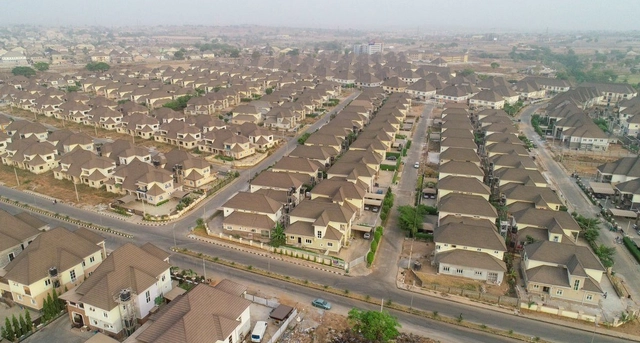
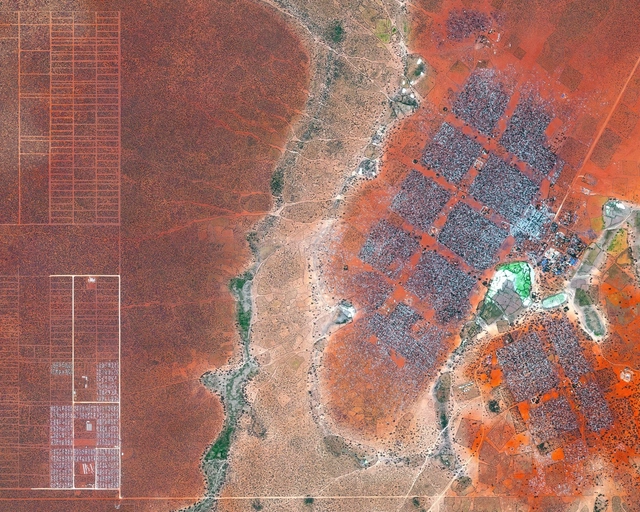
Across the globe, ever since 2014, every year on the 31st of October, World Cities Day is celebrated. To mark this event, UN-Habitat has released its World Cities Report 2020 on the value of sustainable urbanization, focusing on the most up-to-date and pressing topics. Analyzing the intrinsic value of cities in generating economic prosperity, mitigating environmental degradation, reducing social inequality, and building stronger institutions, the report highlights how together these can drive transformative change.

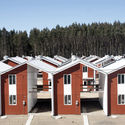
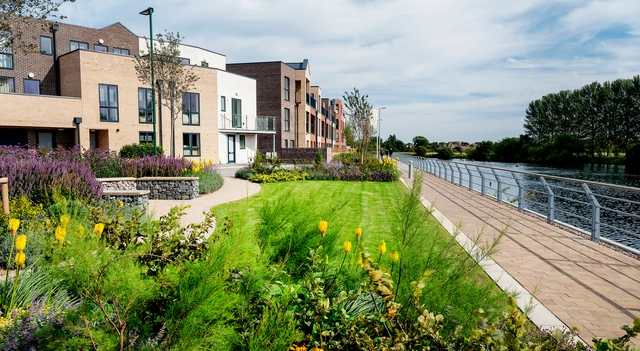
On World Cities Day UN-Habitat Releases 2020 Report on The Value of Sustainable Urbanization - Image 1 of 4On World Cities Day UN-Habitat Releases 2020 Report on The Value of Sustainable Urbanization - Image 2 of 4On World Cities Day UN-Habitat Releases 2020 Report on The Value of Sustainable Urbanization - Image 3 of 4On World Cities Day UN-Habitat Releases 2020 Report on The Value of Sustainable Urbanization - Image 4 of 4On World Cities Day UN-Habitat Releases 2020 Report on The Value of Sustainable Urbanization - More Images+ 7

Stay, Fight, or Flee: Considering Climate Migration

This article was originally published on Common Edge as "Considering Climate Migration".

Over the past week, I’ve seen at least two large mainstream press articles on climate migration, and as more people seem to be tossing around their next move locale—something between North Dakota and anywhere else with the word “north” it. Often, in a simplified, single-issue flattening of the full-range of shifts happening around us.

Nano-Scale: Gary Chang Explores Compact Living and The Future of Dense Cities

Compact living units have become the norm in most big cities across the globe. High density and the value of land in urban areas has made it mandatory for most developments to take full advantage of the buildable area. The result is homes that are increasingly smaller. Hong Kong is probably the most extreme case – with roughly three-quarters of the land preserved, the portion left for housing accommodates more than 7 million people in one of the densest urban environments on Earth.

We recently had the opportunity to talk with architect Gary Chang, founder of the Hong Kong-based Edge Design Institute, about his vision of compact living, small-scale architecture, flexibility, and the future of our cities.

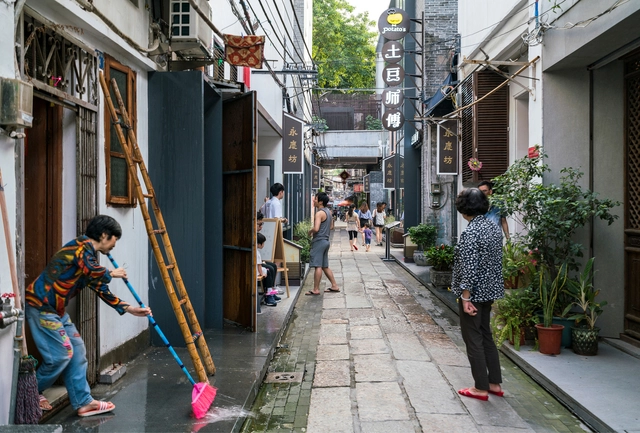
Nano-Scale: Gary Chang Explores Compact Living and The Future of Dense Cities  - Image 1 of 4Nano-Scale: Gary Chang Explores Compact Living and The Future of Dense Cities  - Image 2 of 4Nano-Scale: Gary Chang Explores Compact Living and The Future of Dense Cities  - Image 3 of 4Nano-Scale: Gary Chang Explores Compact Living and The Future of Dense Cities  - Image 4 of 4Nano-Scale: Gary Chang Explores Compact Living and The Future of Dense Cities  - More Images+ 13

The Pandemic Offers an Opportunity to Re-Wild Our Communities

As the pandemic has worn on, the American public has adopted parks and neighborhood streets as safe spaces. This will not be a short-lived phenomenon –bikes have been repaired, running shoes purchased, and puppies adopted. People are growing accustomed to spending time in the outdoors to exercise, spend time with family, enjoy nature –and take that growing puppy for walks.

Urban Design in a Time of Anti-Space

This article was originally published on Common Edge.

In the mid-1990s, when I was an editor at Progressive Architecture, jurors for the magazine’s awards program gave an Urban Design Award to Peterson Littenberg Architects for a plan the small New York firm had devised for then-stagnant Lower Manhattan.

At the time, the southern tip of Manhattan ranked as the third-largest downtown business district in the United States. The tightly packed 1 square mile contained a bevy of venerable buildings, among them the New York Stock Exchange, the former headquarters of J.P. Morgan, and the fortress-like, neo-Renaissance Federal Reserve Bank of New York. Though the vast majority of Americans regarded the district as a powerful financial hub, people close to the scene saw it as a place with grim prospects. More than a quarter of its commercial space stood vacant. Companies were leaving Lower Manhattan for Midtown and more distant locales. Many of the office buildings were regarded as obsolete.

MODA Launches Architecture & Urbanism for Justice

The Museum of Design Atlanta (MODA) has launched the new virtual series Architecture & Urbanism for Justice to foster more equitable approaches to architecture and urbanism. These free courses are presented by the museum and intended for teen and adult designers, non-designers, activists and organizers. Participants will get the chance to learn about the Design Justice movement, discussing case studies and exploring resources to help respond to injustices within their own communities.