

-
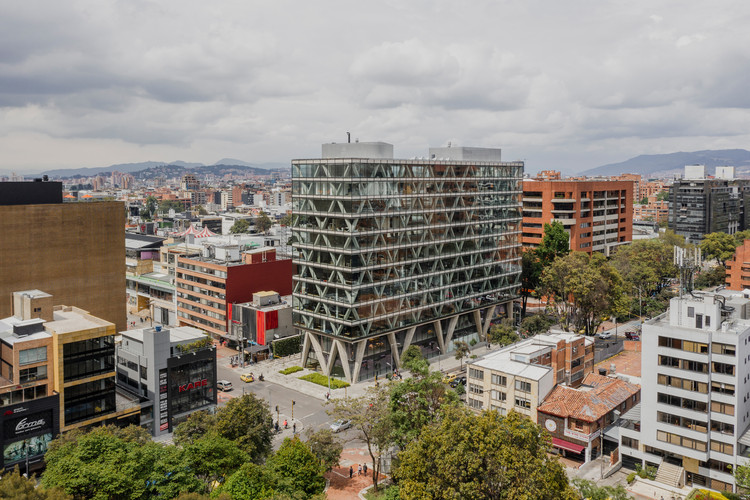
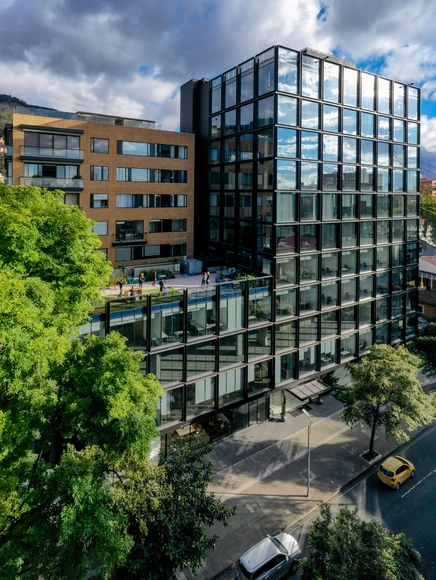
Architects: FP Arquitectura
- Area: 145668 ft²
- Year: 2019


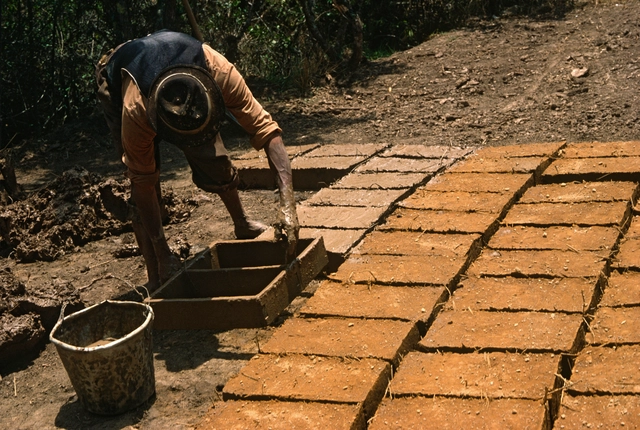
When building for a more sustainable world, the materials you choose undoubtedly play the biggest part in minimizing your project's carbon footprint. Building a wall out of plastic bottles, for example, prevents them from adding to the hoard in a landfill. However, there is a material used for centuries throughout the world that tops all the rest when it comes to sustainability: adobe.
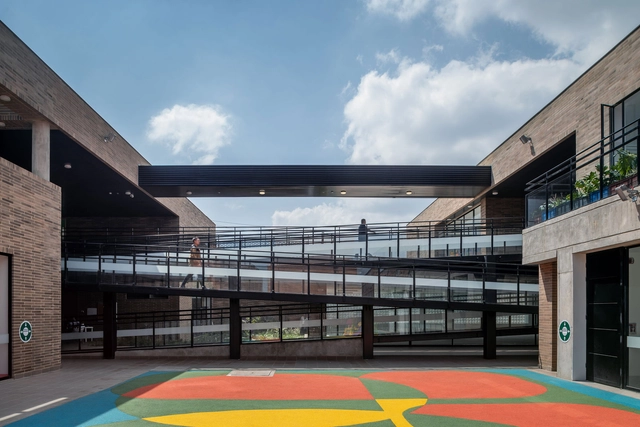
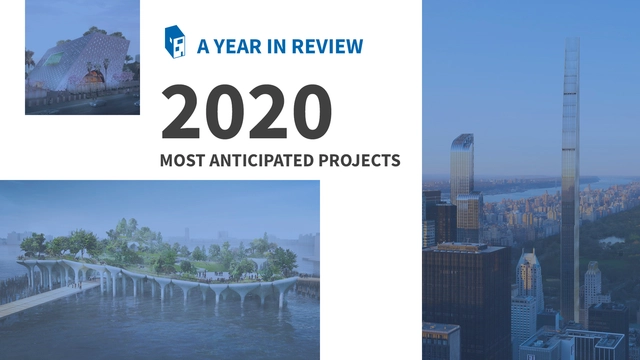
As 2019 winds down, we're taking a look ahead to the projects we're most looking forward to in 2020. With a mix of cultural and commercial programs, the designs are located across five continents, with many under construction for multiple years. Designed across a wide range of scales, they represent a mix of interconnected landscapes, museums, and the world's newest skyscrapers.
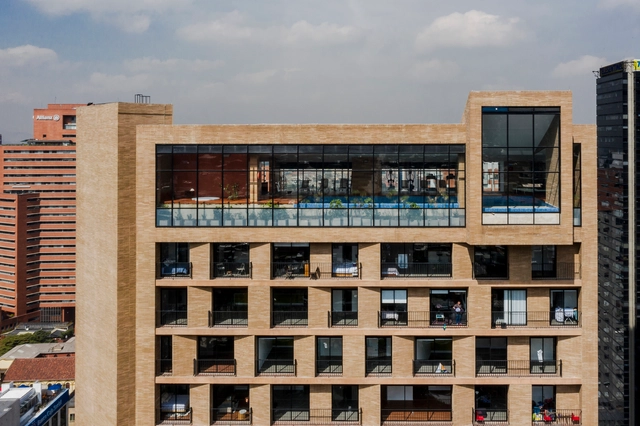
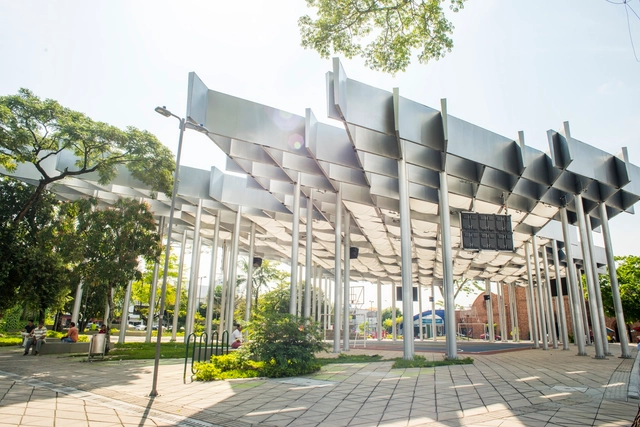
PLANE—SITE has released a new film showcasing the work and ideas of Bogotá-based architect Giancarlo Mazzanti, founder of El Equipo de Mazzanti. In this video interview, Mazzanti elaborates on his experimental approach to design research and explores several of his spaces for learning. His firm is behind numerous schools and educational centers, designed to encourage playful and exploratory movement and social relations. As the video explore, Mazzanti creates scenarios for play in daily life.
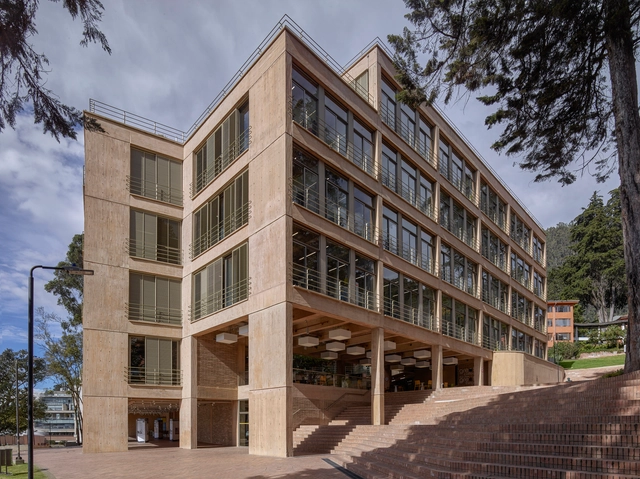
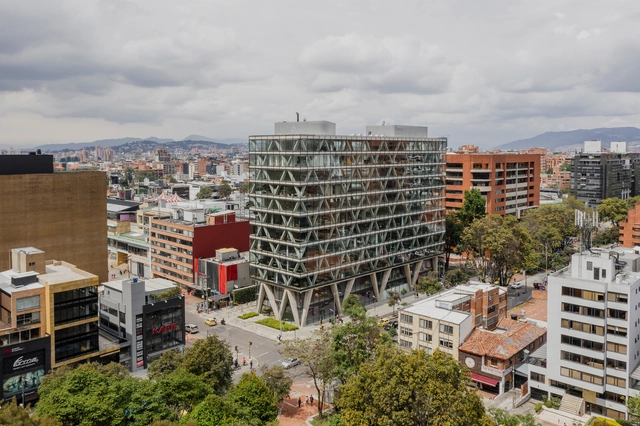
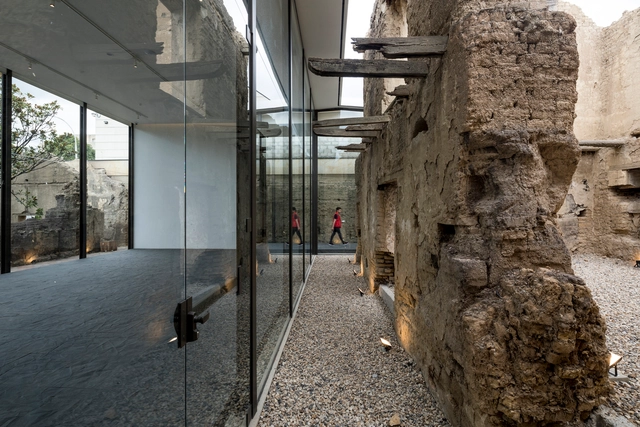
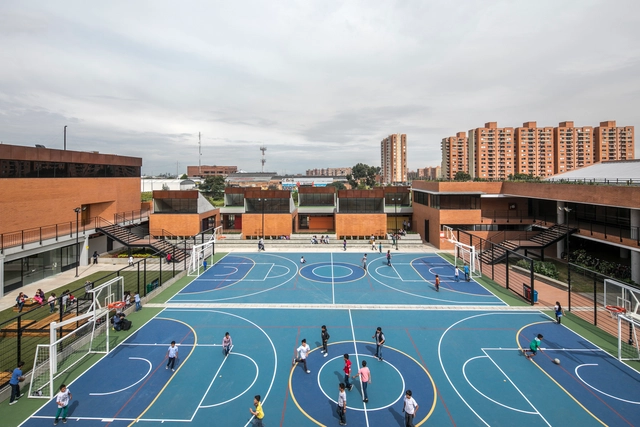
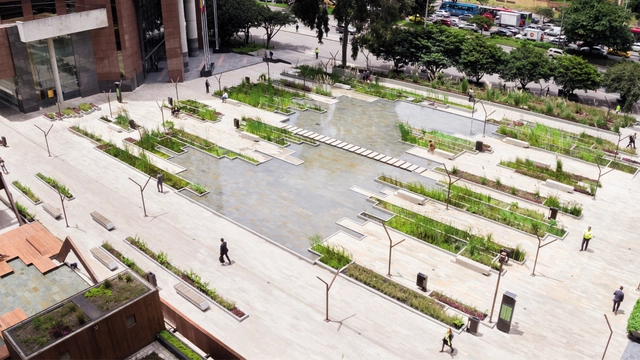

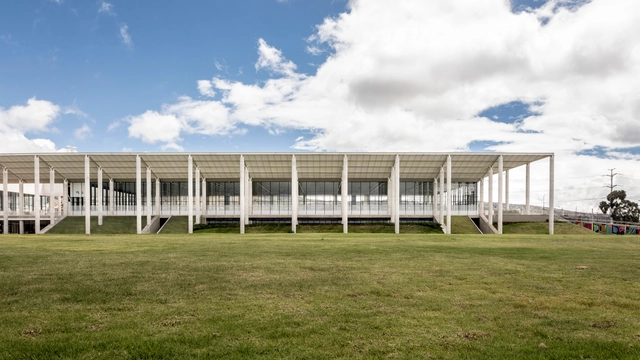
El Equipo de Mazzanti, led by Giancarlo Mazzanti, has developed a line of toys inspired by their playful Bosque de la Esperanza sports center on the outskirts of Bogotá, Colombia. The first edition of the “We Play You Play” toy series inspired by the firm’s most recognizable architectural and social projects, the Bosque de la Esperanza toy set embodies Mazzanti’s ethos of “using the playful as a design tool.”
With more than 15 years of experience in architectural design, the Mazzanti team developed a special interest in using play as a method of involving and encouraging social behavior within the communities impacted by their designs. The Bosque de la Esperanza set therefore contains 16 modular pieces and 30 connectors, with complex geometries igniting a cognitive element, and creative challenge.

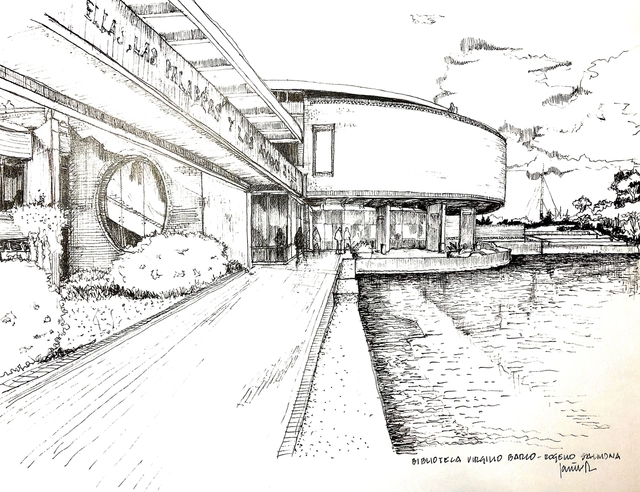
Architect Mayerlly Cuta along with the architect and visual artist Carlos Alberto Hernández founded Urban Sketchers Bogotá," a worldwide movement of drawing that promotes the practice of drawing in Bogota streets, capturing real-time life in the city.
From October 24 to November 9, an exhibition was held in homage to architect Rogelio Salmona. According to Cuta, they sought to commemorate the architect 11 years after his death by drawing his present works in the city of Bogotá. "As managers, we began to draw and promote his works. Later converting them into an exhibition. The Colombian Society of Architects and the Rogelio Salmona Foundation joined the project, leading to the Drawing to Salmona Call. This call brought together more than 100 people and collected more than 300 drawings that came from different cities in the country and the world."
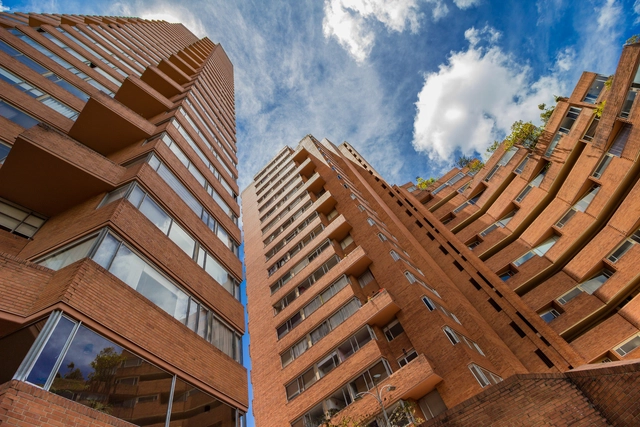
If you're an architecture aficionado, the Colombian capital of Bogota should be high on your list. The city's architecture contains bits and pieces from throughout the country's history, from colonial structures to classical designs from the time of the Republic.
If you're a first time visitor to Bogotá —or a native tourist in your own city— we recommend this architecture guide for the top 10 locations to capture the city's best works.


Bogota's modernization between 1940 and 1970 is featured in a wide array of books, magazines, and photo albums, as well as in the city's own public and private archives. Every one of these sources reveals a deliberate, as well as critical, approximation of how modern architecture reconfigured the city's center and brought together the new buildings and urban space with the already existing cityscape.
When analyzing the impact of photography from the street, it's impossible not to talk about Leo Matiz, Armando Matiz, and Hernán Díaz. These three photographers have captured the personalities, events, and urban life of Bogotá. Here, we've compiled some of their most noted works featuring the streets, plazas, crosswalks, and landmarks of Bogotá. Through their photography, modern heritage finds a place on the stage of collective memory, where architecture and urban spaces are the stars.
In this edition of Bogotá in 10 photographs, we will come to know the legacy of Leo Matiz:



.jpg?1565725636)

.jpg?1565725593 "© Herbert Peñaloza")
.jpg?1565725619 "© Herbert Peñaloza")
.jpg?1567701161)