
-
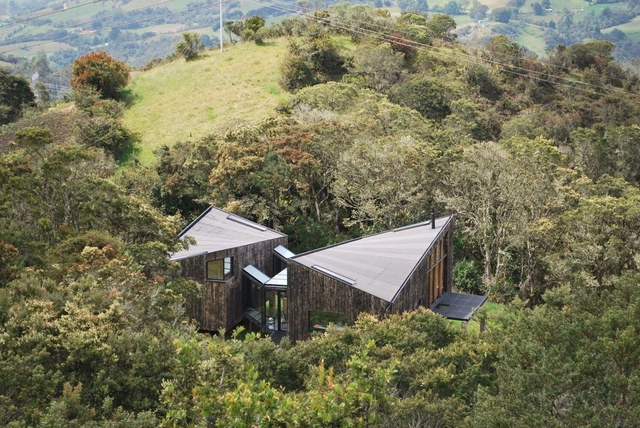
Architects: Alsar Atelier, Henry Guadrón
- Area: 196 m²
- Year: 2022
-
Manufacturers: AutoDesk, Homecenter


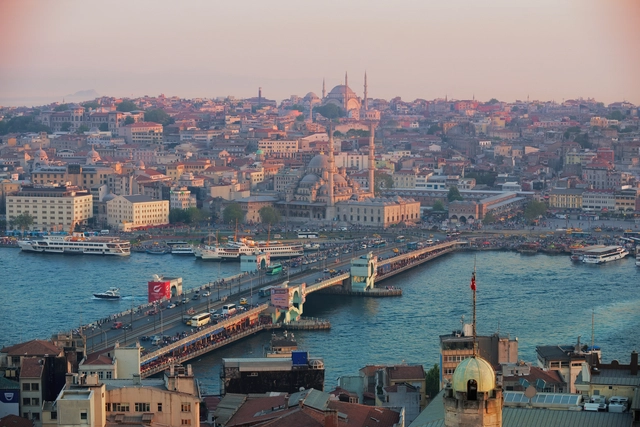
Bloomberg Philanthropies has announced the 15 winning innovations of its 2021-2022 Global Mayors Challenge. Hailing from six continents, the chosen projects "seek improvements in the areas of economic recovery and inclusive growth, health and well-being, climate and environment, and gender and equality". The winning cities include Istanbul, Rotterdam, Butuan, and Wellington, and will all receive $1 million and external support to develop their programs.
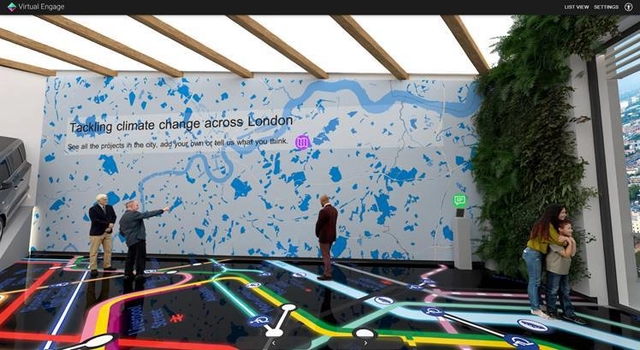
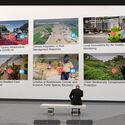
This week, the C40 global network of cities and engineering and sustainability firm Arup launched a virtual exhibition showcasing examples of climate initiatives and resiliency strategies from 11 cities committed to addressing climate change. Given that cities account for more than 70% of global carbon emissions, the Global Cities Climate Action Exhibition aims to highlight the role of cities in reaching climate targets through local policies and urban development plans, achieving tangible emission reductions and increasing social equity.

.jpg?1623327536&format=webp&width=640&height=580)

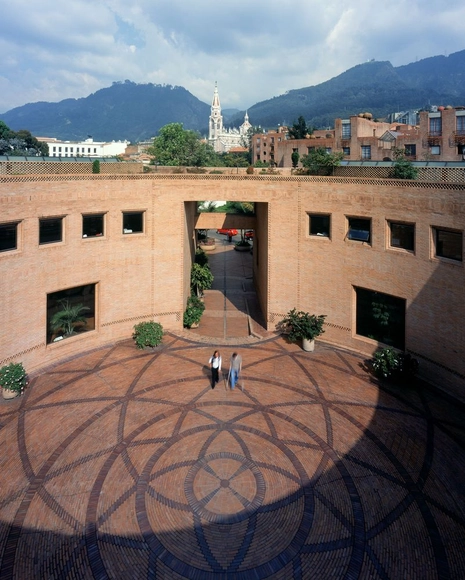

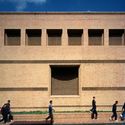
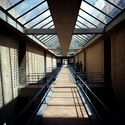
The building of the General Archive of the Nation, designated as a national cultural interest asset by a court ruling in October 2007, reflects the modern archival philosophy and, combined with its collection of historical documents, performs a "miracle" of communicating memory through architecture.
It is hard to achieve a poetic aesthetic when designing archives because they are essentially warehouses, enclosed storage structures, with no sunlight, water, wind, or even dust. In this sense, an archive building is anti-architecture! Even caves need light for us to fully grasp their spatiality. These major limitations could only be overcome through the imagination of a great architect, and above all, through the essential and intrinsic qualities of architecture.


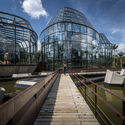




.jpg?1643280352 "The World’s First Fully Accessible Art Depot Museum is Opening to the Public. Image © Ossip van Duivenbode / MVRDV")






.jpg?1623327368 "© Santiago Pinyol")
.jpg?1623327549 "© Santiago Pinyol")
.jpg?1623327564 "© Santiago Pinyol")
.jpg?1623327379 "© Santiago Pinyol")
.jpg?1623327536)









.jpg?1616702185 "© Alejandro Arango")
.jpg?1616701829 "© Alejandro Arango")
.jpg?1616702146 "© Alejandro Arango")