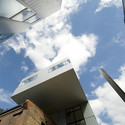
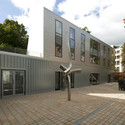
.jpg?1369526360)
-
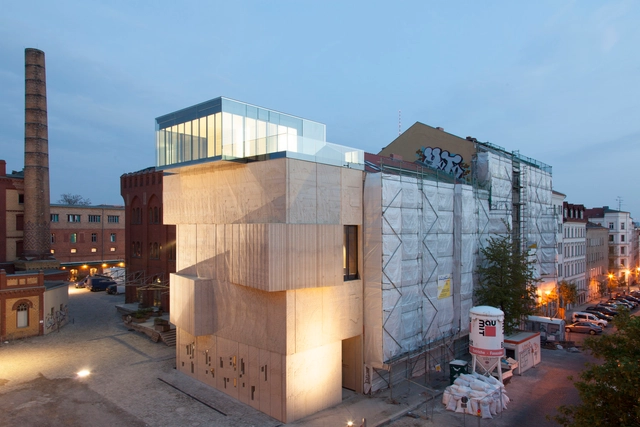
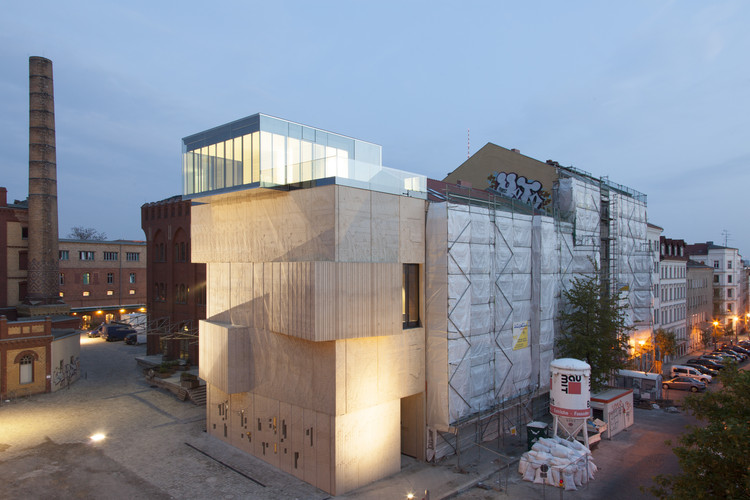
Architects: Brandlhuber+Emde, Burlon
- Area: 1353 m²
- Year: 2010
-
Manufacturers: RODECA GMBH
-
Professionals: Halfkann + Kirchner, Terraform
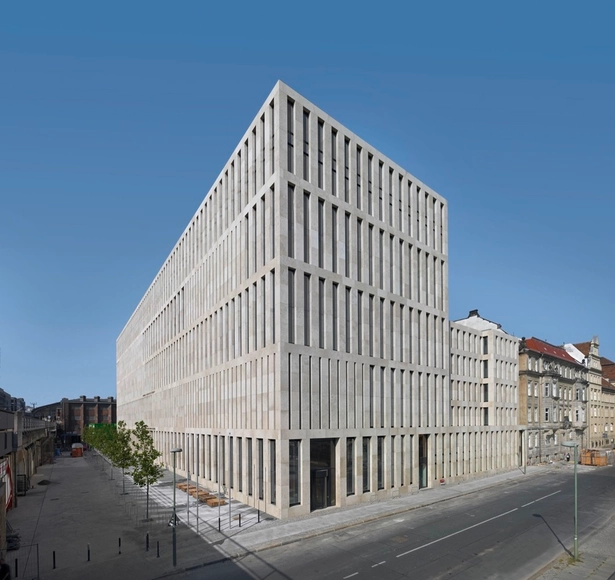
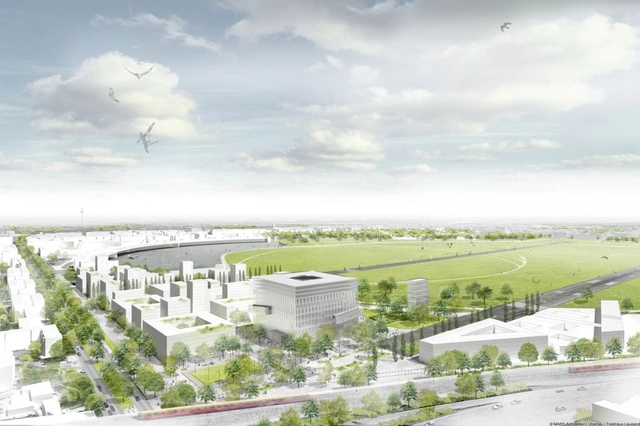
The proposal for the New Central Library in Berlin by MARS Architekten is a social and cultural centre for Tempelhof’s new quarter. In collaboration with urban designers UBERBAU Architecture & Urbanism and landscape architects TH Treibhaus Berlin & Lavaland, their design was chosen as one of eight winning entrants. Their project focuses upon achieving an immense and complex building that offers a large amount of varying interior spaces in combination with a strong exterior form serving as a public landmark. More images and architects’ description after the break.
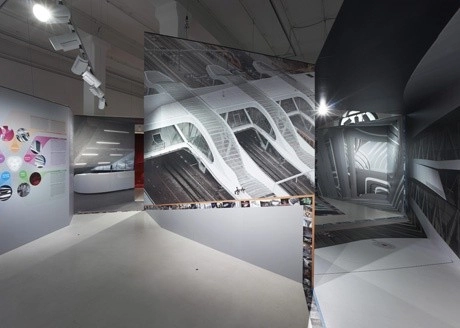
Currently on view until July 4th at the Aedes Gallery in Berlin, UNStudio's 'Motion Matters' Exhibition presents ten of UNStudio’s milestone projects, in addition to conveying their perspective on 25 years of architectural production, their current approach to architectural practice and the wider discourse that determines design challenges today. For many years UNStudio has been investigating the potential of the temporary installation as an experimental testing ground for manifold architectural concerns and it is these investigations that form the basis of their exhibit. More images and architects' description after the break.

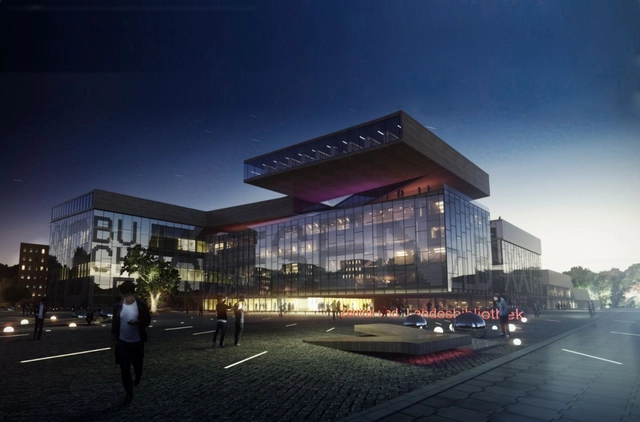
Designed by Envés Arquitectos, their proposal for the New Central Library in Berlin was named as one of the winners of the competition, which is conceived as an open, public, free and comfortable meeting place; summing up, an urban lobby. This flexible place is able to interact with a changing user (from a kid to an ancient), but simultaneously ensures the area’s accessibility and right usage. The library also aims to become an activity catalyst, a landmark to be perceived from far away. More images and architects' description after the break.
.jpg?1368105106)
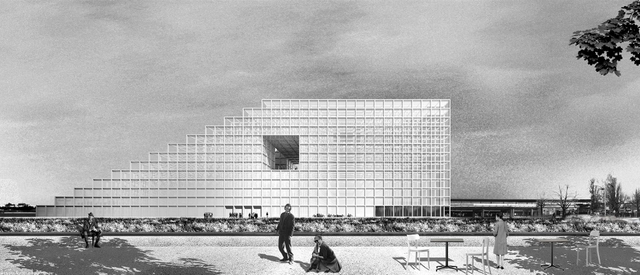
Mediating between iconic metaform and the human scale, this proposal by FAR frohn&rojas is one of the winners of the architectural competition for the new central library of the state of Berlin at the airfield of the former Tempelhof Airport in Berlin. By twisting a three dimensional grid from horizontal to vertical, the three key urban drivers of the site - the runway, the motorway and the former airport building - are resolved. More images and architects' description after the break.
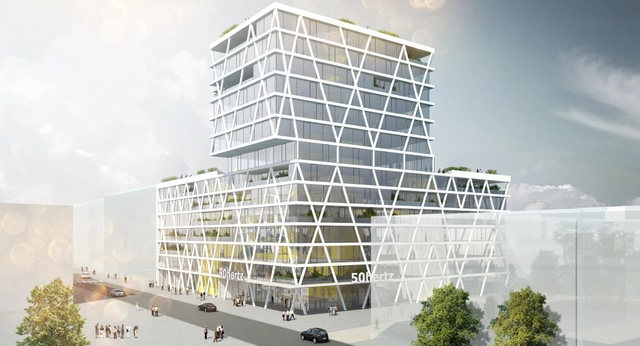
Designed by LOVE architecture and urbanism, the main goal of their winning proposal for the 50Hertz Headquarters in Berlin was to develop an innovative, transparent, open headquarters for the company that above all flows from inside to outside. The focus became to create flexible,versatile, and unique working environments, which are traversed by spacious outdoor spaces in the form of terraces, balconies and atriums. More images and architects' description after the break.
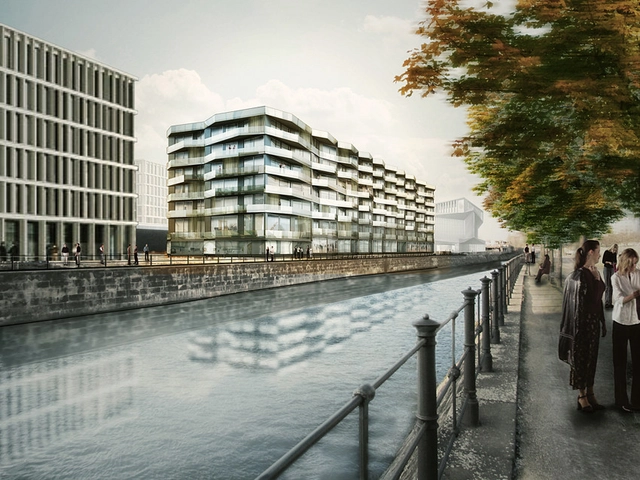
Léon Wohlhage Wernik Architekten was recently announced as the first prize winner for their proposal in the Living on Kunstcampus competition. Situated in the heart of Berlin, on the estate of the Hamburger Bahnhof, a new quarter will be created there, including the dominant urban planning element called the “Kunstkubus”. A lengthy building with a faceted surface gives the residential area its own urban planning presence. All apartments radiate spaciousness, and can be freely partitioned and enter into a relationship with the city through large loggias, or so-called “green rooms”. More images and architects' description after the break.


The architecture student team collaboration of Dagmara Sietko- Sierkiewicz and David Weclawowicz of the Wroclaw University of Technology shared with us their first prize winning proposal in the AIV Schinkel- Wettbewerb 2013 competition. With this year’s topic of "TXL transformation", their challenge was to develop a quarter made from a new typology of hybrid-buildings, containing a manufacture (production hall), flats and retail services after closing the airport Berlin Tegel in the year 2014. This winning concept focuses on using the production facilities after hours as a leisure destination. More images and architects’ description after the break.
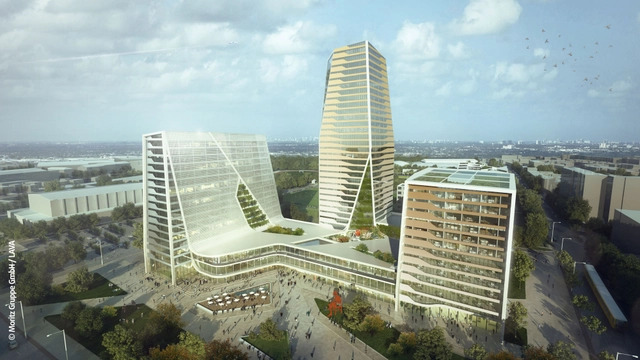
Conceived by visionary developer Moritz Gruppe and designed by internationally acclaimed architects, LAVA, the three towers of gold, silver, and bronze and three diagonal shaped city blocks make up THE:SQUARE³, a new mixed use development inspired by sport that revitalizes a unique urban quarter in Berlin. With the theme, 'Life, Nature, Sports', their mixed-use concept is perfectly adapted and related to the nearby environment and reflects the local centre of excellence for high-performance sport, promotes local, national and global sports, generating positive social, health and economic benefits to the area. More images and architects' description after the break.
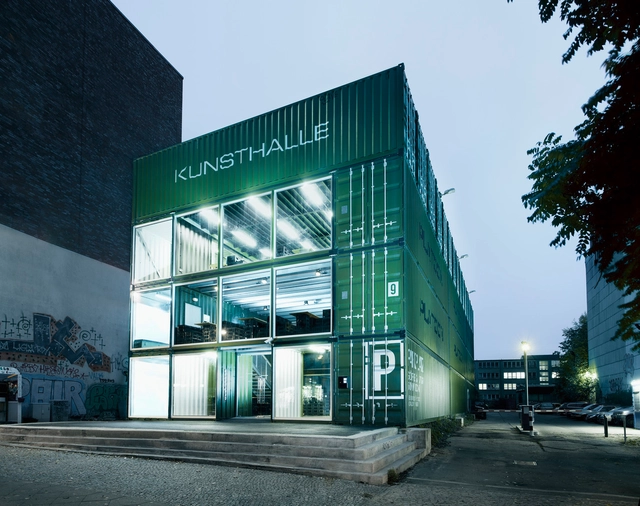


It’s been nearly twelve years since visitors first experienced the emotionally charged design of Daniel Libeskind’s Jewish Museum Berlin. Since then, the museum has become an world-renowned icon whose public and education programs have more than doubled in size. With an ever-expanding archive and library, it was decided the museum should be supplemented by an additional facility.
Today, alongside museum officials, Daniel Libeskind celebrates the opening of the Academy of the Jewish Museum Berlin. The facility was created from a former Berlin Flower Market (Blumengrossmarkt), whose shell undergirds the new structure. It’s 25,000 square foot, one story space now houses a library, archives and education center, along with additional office, storage and support space.
A sneak peak and the architects’ description after the break…

Located around the Hauptbahnof in Berlin, the proposal for the Haus der Zukunft competition by Project Architect Company capitalizes on the site’s potential which lies between the Reichstag and the main railway station along the River Spree. The site is experiencing a surge in development, transforming a previously underused area into a new city-wide destination. The architects propose to use the building as an ‘urban activator’ to link the city and waterfront. More images and architects’ description after the break.






.jpg?1368105106)