


-
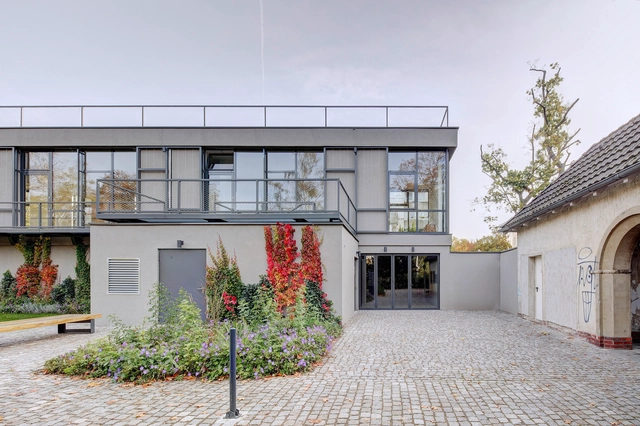
Architects: Allen Kaufmann Architekten
- Area: 200 m²
- Year: 2017
-
Professionals: GGH Ingenieure


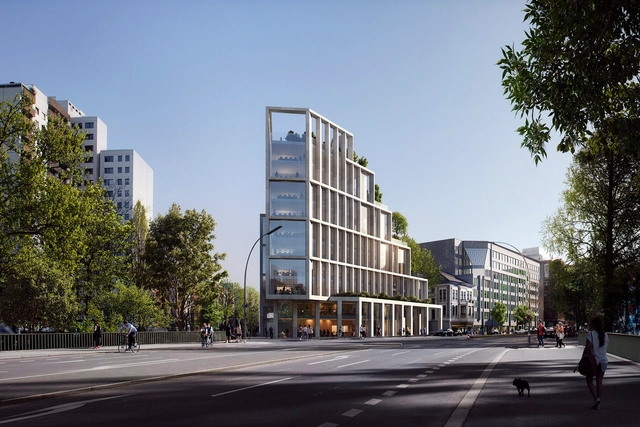
C.F. Møller Architects was selected to design the new HQ of Berlin Hyp, one of Germany’s leading real estate financiers. With a strong focus on sustainability, the winning proposal of the invited international competition, supports the bank’s vision, “contributing to the transition and urban development of the surrounding area”.
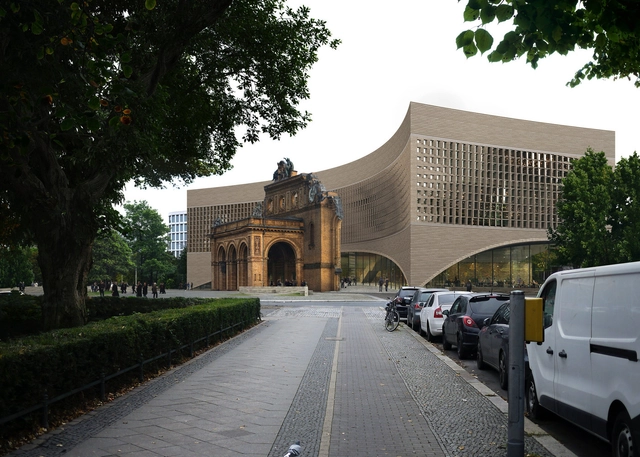
Dorte Mandrup has won the international competition to design the new Exile Museum (Exilmuseum) in Berlin. Located adjacent to the ruins of the historic railway station Anhalter Bahnhof, the museum will tell the stories of those who fled during the Nazi regime and look to today's present displaced populations. The studio’s proposal reinterprets the portico ruins on Askanischer Platz, together a monument and symbol of those driven into exile during the Second World War.
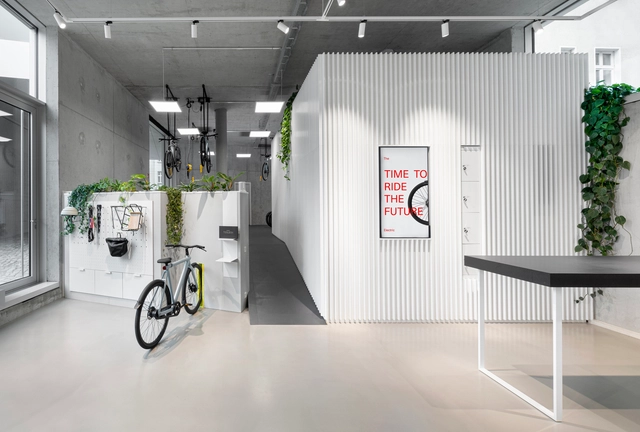

BTTRGmbH_01.jpg?1595371743&format=webp&width=640&height=580)
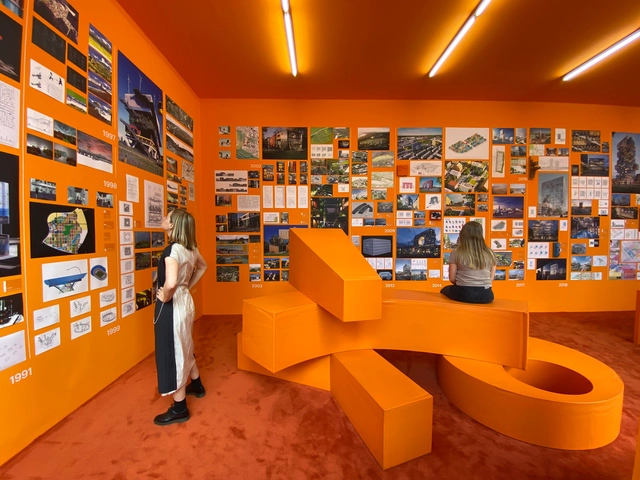
MVRDV is celebrating the upcoming opening of its Berlin office with an in-house exhibition, showcasing the firm’s 30 years’ worth of work in Germany. Launched at the Architektur Galerie Berlin, the event takes over the walls of MVRDV Haus Berlin, showcasing the company’s archive, some only on paper but much of it realized, with “both current and past German projects, including unseen projects from the past and newly-revealed future projects”.
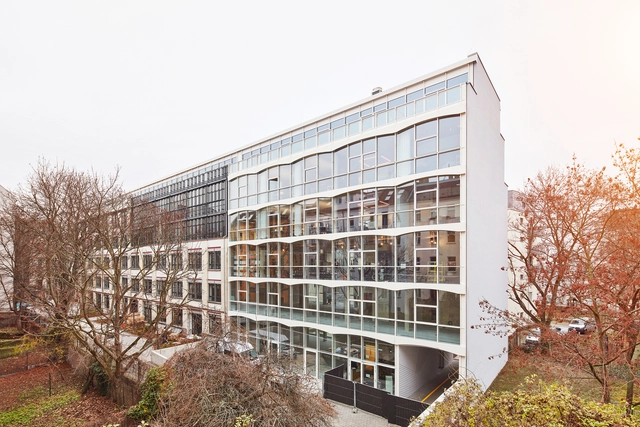

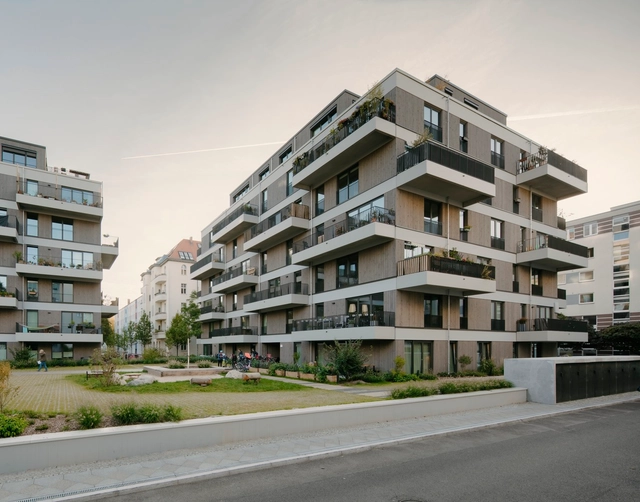
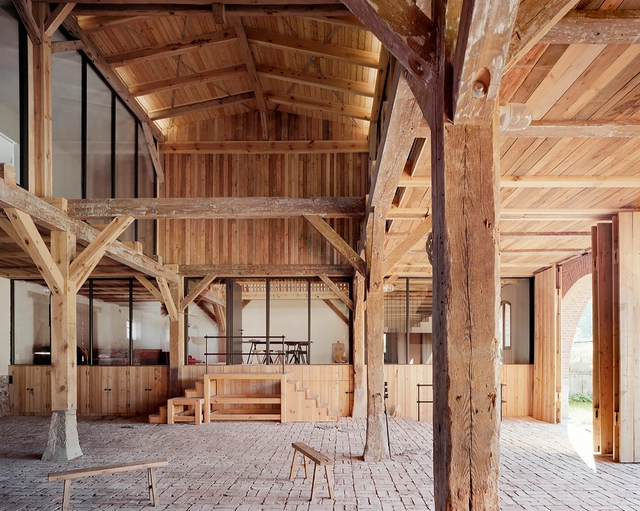
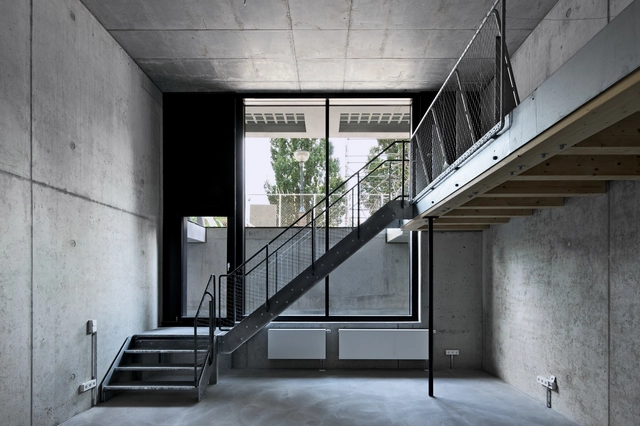
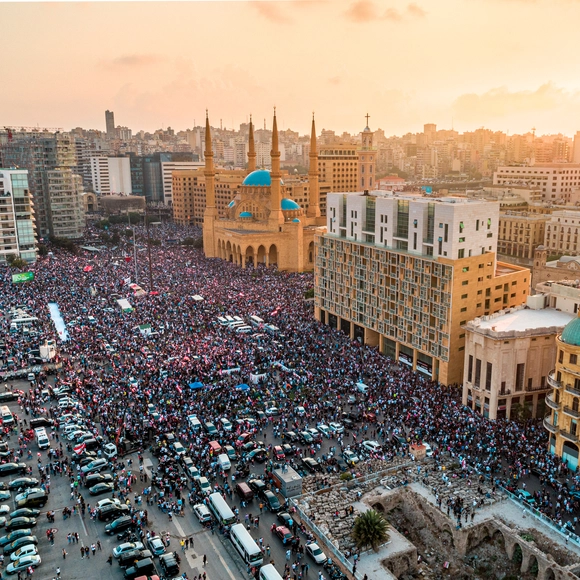
"Public space" is a legal terminology that tackles the notion of land ownership, suggesting that this type of parcel does not belong to anyone in particular, but to the state itself. Open, free, accessible to all, and financed by public money, these spaces are not only the results of planning, but the consequences of the public practices they hold. Actually, people define how public space is used and what it means.
Protests - powerful political tools for change - from the March on Washington in 1963, the Arab Spring in the early 2000s to recent Black Lives Matter Movements, are altering the world. In times like these, while people still need to "take their issues to the streets" to be heard and seen, public spaces have resurfaced as a topic of discussion.



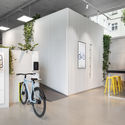

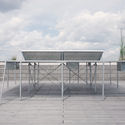
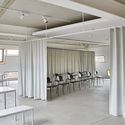
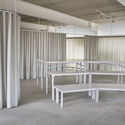
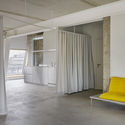

BTTRGmbH_08.jpg?1595371485 "© BTTR GmbH")
BTTRGmbH_10.jpg?1595370965 "© BTTR GmbH")
BTTRGmbH_14.jpg?1595371076 "© BTTR GmbH")
BTTRGmbH_16.jpg?1595370697 "© BTTR GmbH")
BTTRGmbH_01.jpg?1595371743)
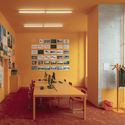
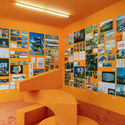
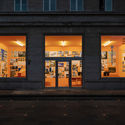














.jpg?1585836133 "© Anastasia Hermann")

