



-
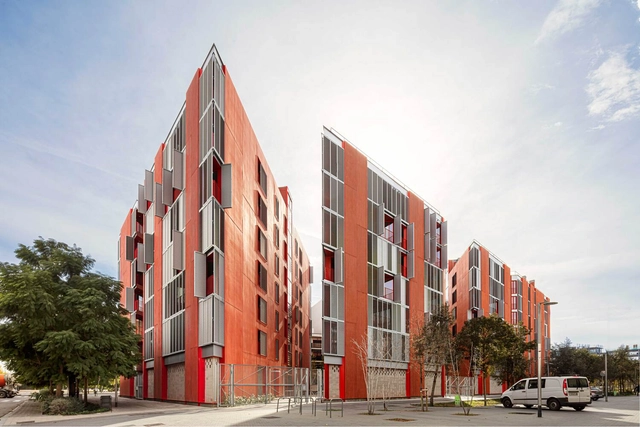
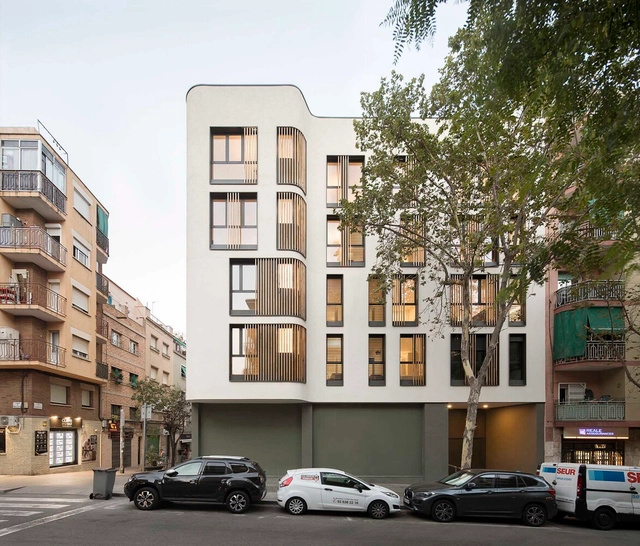
Architects: HARQUITECTES
- Area: 6792 ft²
- Year: 2023
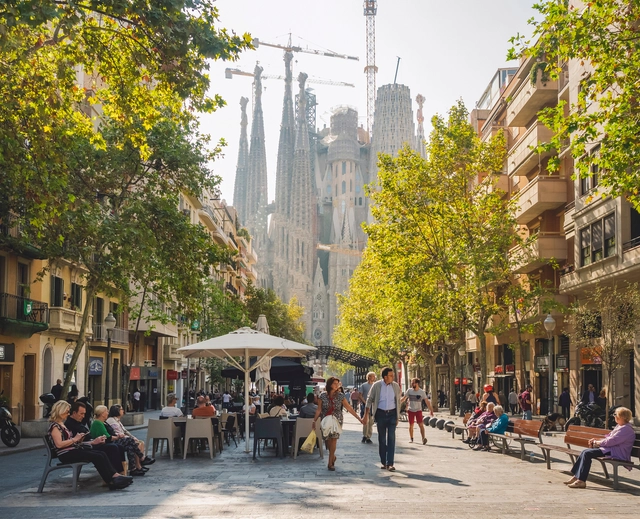
The Spanish city of Barcelona, one of Europe's top tourist destinations, has announced a plan to ban apartment rentals to tourists by November 2028. The move, announced by Mayor Jaume Collboni, aims to alleviate the long-standing housing crisis, lower prices for residents, improve livability, and increase the city’s affordable housing stock. Over the past 10 years, the rise in short-term rentals has driven rents up by 68%, and the cost of buying a house by 38%, contributing significantly to a cost-of-living crisis.
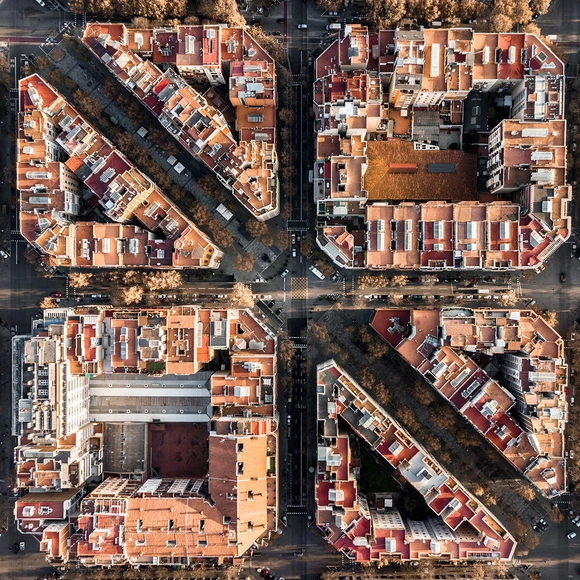
Joining Copenhagen and Rio de Janeiro, Barcelona has been named the UIA's 2026 World Capital of Architecture by UNESCO. This title recognizes the city's commitment to promoting the values of architecture, urban planning, and sustainability. Outshining Beijing as the other contender for the 2026 title, Barcelona won the bid with its proposal titled "One today, one tomorrow," with a plan to host a series of transformative events across all its districts and become a research laboratory analyzing the capacity of architecture to transform reality over time.
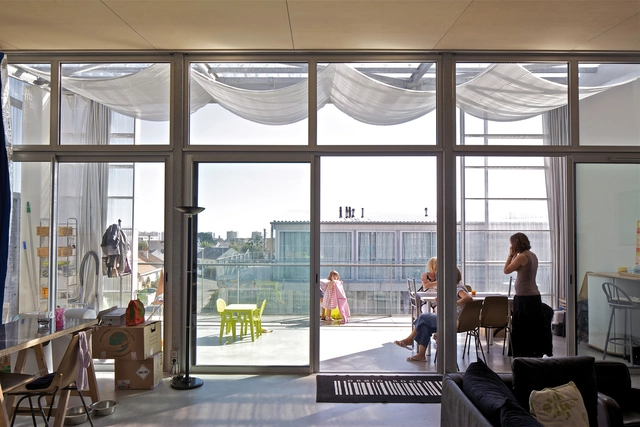
Led by Pritzker Prize laureate Anne Lacaton, the jury of the European Collective Housing Awards has just selected the winners for its first edition. Established by the Basque Architecture Institute and Arc en Rêve Centre d’Architecture in collaboration with the Department of Territorial Planning, the award celebrates innovation and excellence in collective housing design, emphasizing aesthetics, social responsibility, and environmental sustainability. The winning projects - La Borda Housing Collective in Spain and the Conversation of a Wine Storage into Housing in Switzerland - were selected from 171 entries across 19 European countries for their contributions to new construction and renovation, respectively.
Anne Lacaton, renowned for her groundbreaking work with partner Jean-Philippe Vassal, has been working to push the boundaries of sustainable and socially responsible housing architecture for decades. The Pritzker Prize laureates are celebrated for their innovative approach to social housing and are committed to enhancing the quality of life for residents. Their philosophy centers around creating generous, adaptable spaces that rethink how we live together. Onsite in San Sebastián, ArchDaily had the chance to interview the Pritzker-Prize winner to delve into her architectural practice and philosophy. In the conversation, the architect explored core values, the significance of reuse in social housing, and the promising trends in collective housing design that emerged from the first edition of the awards.
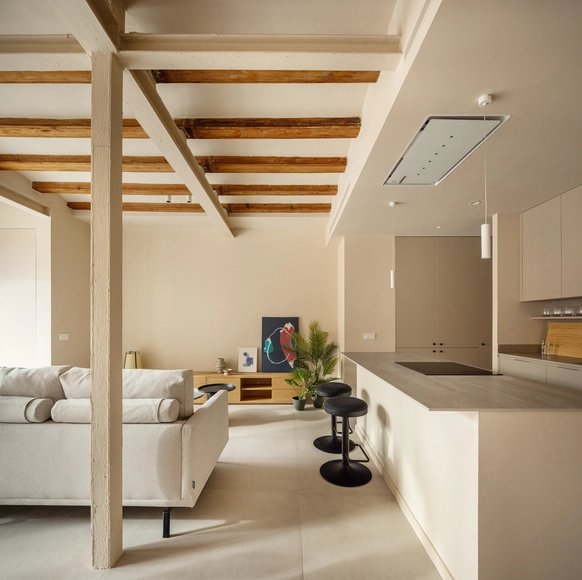
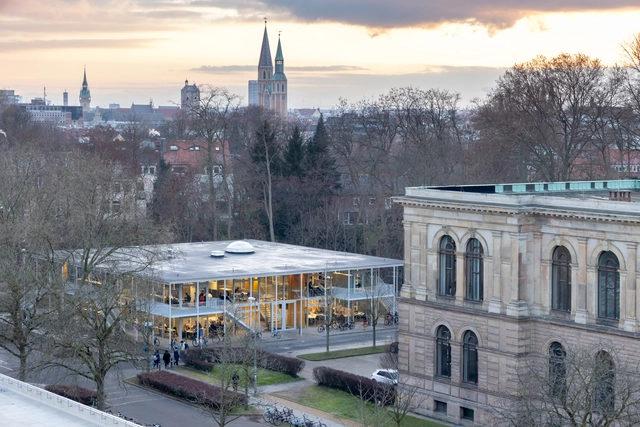
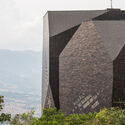
Fundació Mies van der Rohe and the European Commission have selected the winners for its 2024 edition of the EU Prize for Contemporary Architecture / Mies van der Rohe Awards, from a pool of 362 nominated works. The 2024 Winner of the Architecture Prize is the Study Pavilion on the campus of the Technical University of Braunschweig, Germany, by architects Gustav Düsing and Max Hacke, both with studios in Berlin. The 2024 Winner of the Emerging Architecture Prize is the Gabriel García Márquez Library in Barcelona by SUMA Arquitectura founded by Elena Orte and Guillermo Sevillano in Madrid.
“The 2024 Prize jury emphasizes the significance of architecture that explores the potential to shift mindsets and policies, as well as the importance of fostering inclusivity”, explains the official announcement. The Awards Ceremony will take place at the Mies van der Rohe Pavilion in Barcelona, in the context of the EUmies Awards Day, on the 14th of May 2024, launching the Barcelona Architecture Weeks.
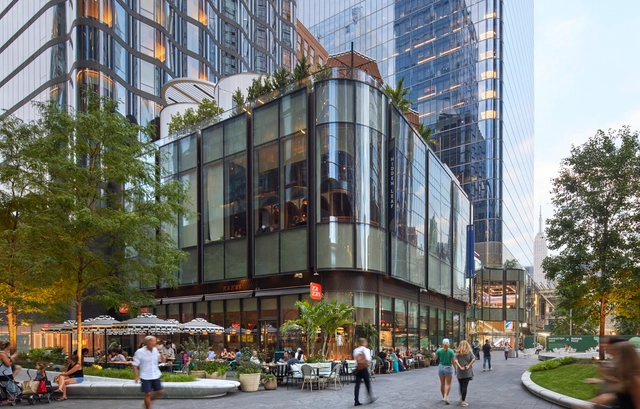
Airbnb has undoubtedly disrupted the hospitality industry, inspiring an ecosystem of companies leveraging the sharing economy such as co-living startups. While these companies have achieved impressive financial success, they have been purported to produce problematic effects at the scale of the city. Airbnb, in particular, is alleged to have driven an increase in rental prices in cities already grappling with housing affordability challenges. Much like the case of Uber's impact on urban mobility, Airbnb's rapid growth has caused significant challenges for local governments, demanding comprehensive regulation and a re-evaluation of its functioning at the city scale.


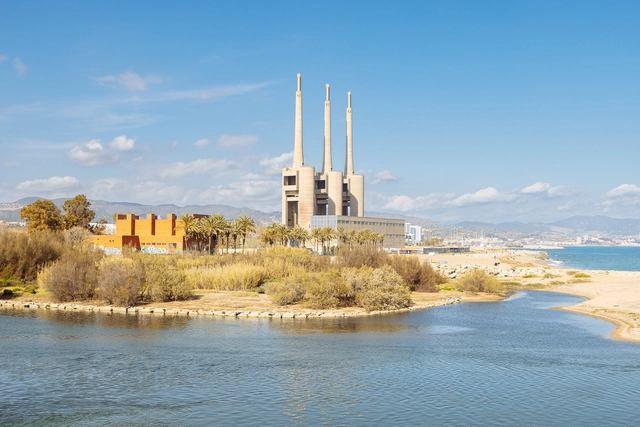
Manifesta 15 Barcelona Metropolitana has unveiled a decentralized biennial event spanning across the landscape of Barcelona. Taking place from September 8th to November 24th, this edition of Manifesta, the European Nomadic Biennial, introduces a regionalized strategy. Famous for its avant-garde exploration of global challenges through cultural lenses, the approach aims to empower citizens in catalyzing a socio-ecological transformation across Catalonia. The event aims to reimagine the role of culture in societal transformation through art, dialogue, and collective action.
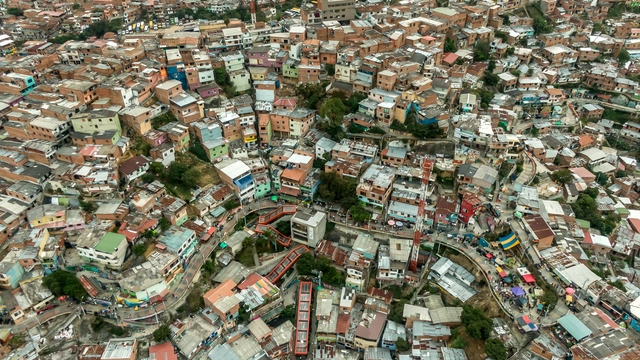
CityMakers, The Global Community of Architects Who Learn from Exemplary Cities and Their Makers, is working with Archdaily to publish a series of articles about Barcelona, Medellin, and Rotterdam. The authors are the architects, urban planners, and/or strategists behind the projects that have transformed these three cities and are studied in the "Schools of Cities" and "Documentary Courses" made by CityMakers. On this occasion, Victor Restrepo, Coordinator of CityMakers in Medellin, presents his article "Medellin: A Case Study".
Medellín stands as an inspiring example for many cities worldwide. It is a city that transitioned from deep collective fear to hopeful enthusiasm for urban and social life characterized by quality and coexistence. The city's crisis has always been associated with violence and drug trafficking. However, this crisis is more structural and profound, it responds to many more factors, some of which are associated with the accelerated growth of its population, as in many Latin American cities.
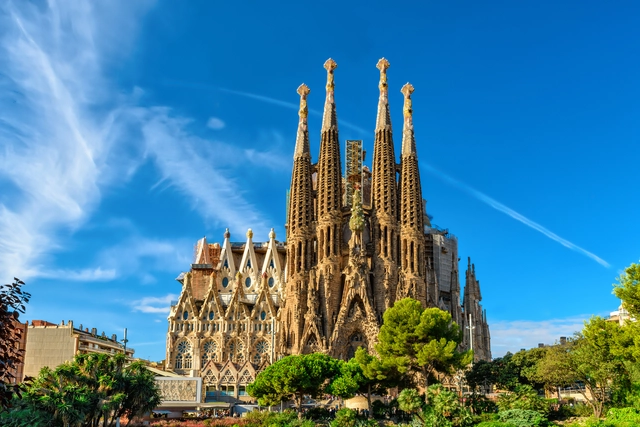
Officials have just confirmed that Antonio Gaudi’s iconic Sagrada Família's final stage of construction has commenced, on track to be completed in 2026, 144 years after its establishment. The announcement was made last Wednesday, aligning with the centenary of the architect’s passing. According to the annual report, construction efforts have resumed, finalizing the Evangelists towers in November 2023. Additionally, active construction is ongoing for the Chapel of the Assumption and the tower dedicated to Jesus Christ, which are on track to be completed in 2025 and 2026, respectively. The towering 172.5-meter central spire is included in the project, planned to stand as the tallest edifice in Barcelona, Spain.
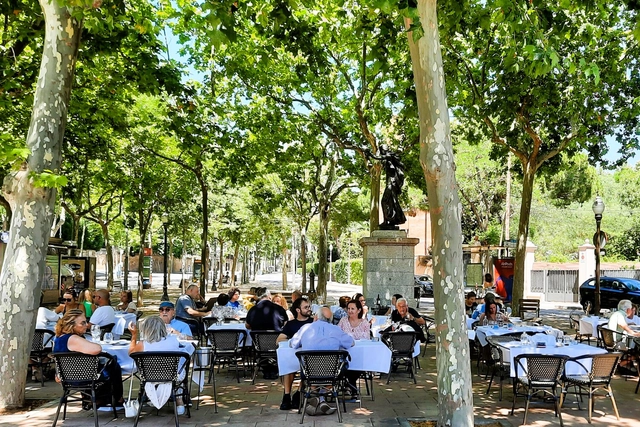
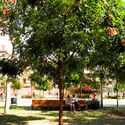
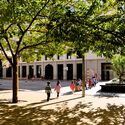
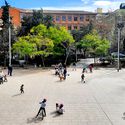
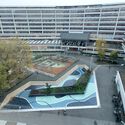
CityMakers, The Global Community of Architects Who Learn from Exemplary Cities and Their Makers, is working with Archdaily to publish a series of articles about Barcelona, Medellin, and Rotterdam. The authors are the architects, urban planners, and/or strategists behind the projects that have transformed these three cities and are studied in the "Schools of Cities" and "Documentary Courses" made by CityMakers. On this occasion, Jaume Barnada, coordinator of the award-winning Climate Shelters project in Barcelona schools and speaker at the "Schools of Cities", presents his article "Barcelona, the public place as a synonym for the adaptation of the built city."
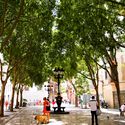
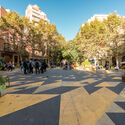
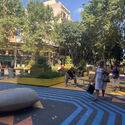
Cities are dense, built spaces in which pavements have been efficiently imposed on the natural soil. Cities like Barcelona have almost 75% of the land paved and waterproof. Without a doubt, it is an excess to reverse at a time of climate emergency, where we must reconnect with nature. Oriol Bohigas [1] told us that good urbanization had paved the squares of Mediterranean cities and that no one wanted to live in a mudhole. I'm sure he was right. Also, he taught us that the green and, consequently, the natural soil had to have dimension and especially an urban position. Squares are squares and parks are parks, and each space has a type of project. Today, concepts are too frequently confused when urbanizing public places and consequently, we find projects that blur the model.
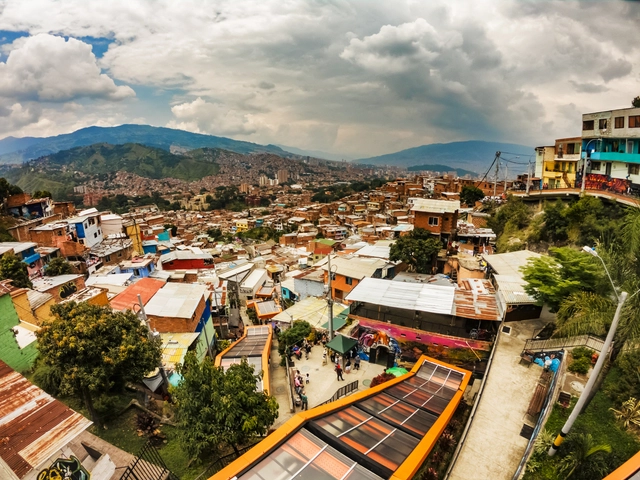
CityMakers, The Global Community of Architects Learning from Model Cities and Their Makers is working with Archdaily to publish a series of articles about Barcelona, Medellin, and Rotterdam. The authors are the architects, urban planners, and/or strategists behind the projects that have transformed these three cities and are known in the "Schools of Cities" and "Documentary Courses" made by CityMakers.
There is currently a broad consensus on the importance of public space in the city. Although it may seem quite logical, its significance is not as old as human settlements, which have existed for millennia. The Athens Charter, written just 91 years ago, did not speak so much about the city as a place to live but as a functional machine. Almost a century later, the paradigm has shifted: the city is, above all, its public space. But what happens when public space is threatened by car proliferation, insecurity, or even water?
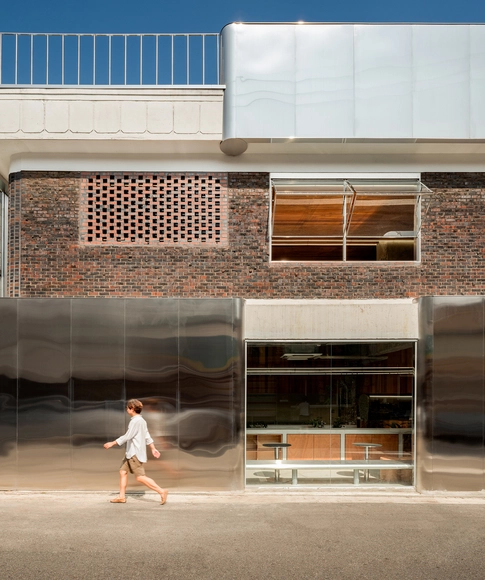
In recent decades, the term "adaptive reuse" has gained tremendous popularity as an eco-friendly construction approach. But what if there was something more poetic about reframing a space and its stories for new users? These architects show that once-deemed disposable facades, walls, and textures can obtain new meaning through bold and clever juxtapositions. These adaptations proudly display their conversions and layers of historical patina under them as a batch of honor and speak to the permanence of buildings and their impermanence in use and interpretation. Through subtle formal moves and daring material choices, they transformed structures that would have been otherwise demolished and reimagined them in new and intriguing ways.