Oriol Bohigas en el Museu d'Història de Catalunya, 2001. Image via Wikipedia: Museu d'Història de Catalunya (fotógrafo: Pep Parer). Licencia bajo CC BY 3.0
On the 30th of November, we received news of the death of Oriol Bohigas Guardiola (Barcelona, 1925), architect, urbanist, and one of the main drivers of Catalan's modern transformation.
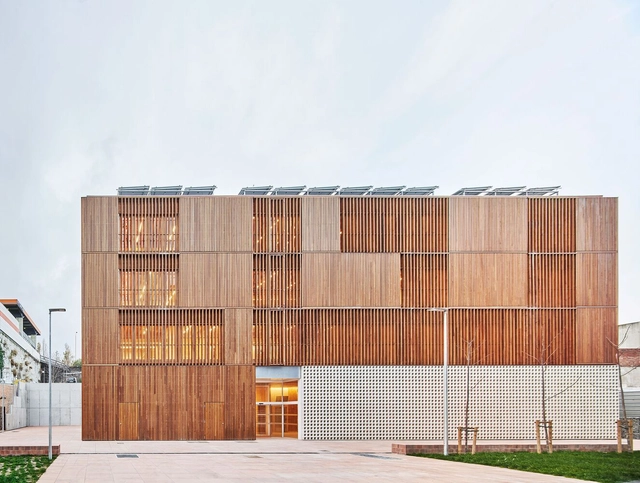
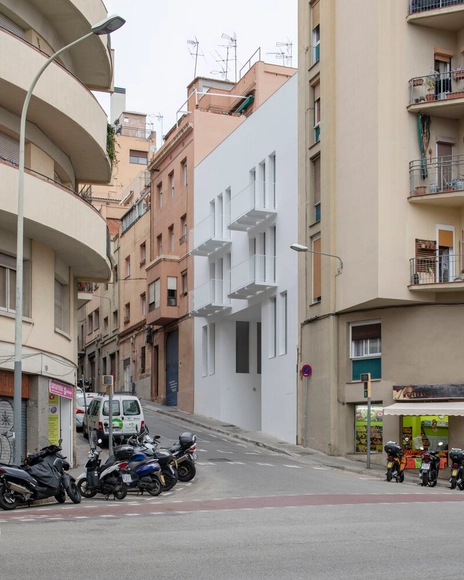
MAIO is currently building a five-story building with 40 social housing units in the Sant Feliu de Llobregat district, Barcelona. The project design urban connectivity, social equity, and sustainability. As the winner of a two-phase competition, the building will house hierarchyless, generic, flexible spaces to fit the inhabitants' needs.
The office building typology has been evolving towards more fluid, spatially diverse and flexible designs in order to accommodate the needs of new generations of workers and business models. This week's curated selection of Unbuilt Architecture focuses on office projects, commercial and administrative buildings submitted by the ArchDaily Community, showcasing how architects worldwide envision working environments and their contribution to the urban environment.
From the retrofit of an outdated office building in London to a commercial and administrative project shaped like an architectural promenade in Iran or an interplay of mass and void within an office building in Turkey, the following projects showcase some of the ideas shaping the office typology. These preoccupations include the necessity to update the existing building stock, an increased indoor-outdoor connection, or a move away from the generic office floor plan.
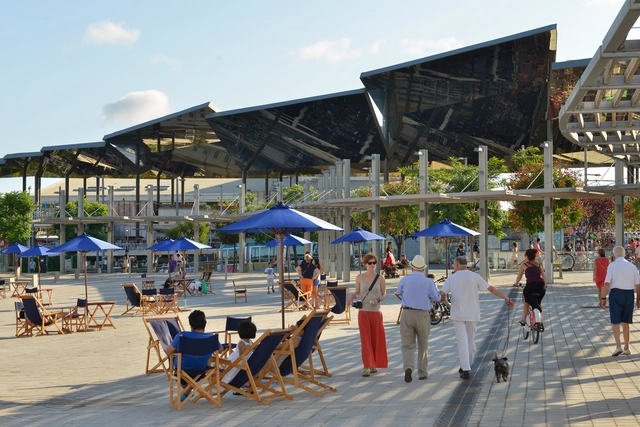
Santa Caterina Market by Enric Miralles and Benedetta Tagliabue. Image Courtesy of Miralles Tagliabue EMBT
In Barcelona, the cradle of contemporary urbanism, the landscape is enriched with endless layers of history. Since its first settlers, Roman colonists, generation after generation built here, one on top of another.
Romans, Visigoths and a brief Islamic period are still embedded within the city's prettiest streets. These old architectural stories are delightfully present nowadays. At first glimpse, the traveler can spot a 14th century stone cathedral coexisting with a computer-generated undulating structure – in harmony. Not many cities manage temporary tension as good as Barcelona.
Zero kilometer materials can be purchased locally, do not need to be transformed by large stages of industrial processing or toxic treatments and, at the end of their service life, they can be returned to the environment.
For example, wood from a nearby forest eliminates the need for long transfers, valuing local resources, and allowing architecture to lessen its environmental impact while committed to the landscape and context.
Since their inception in 1896, modern-day Olympics have been regarded by hosting cities as an opportunity to project to the world a specific image of themselves, to subsidize large infrastructure projects, or to rapidly unfold redevelopment schemes. Past the frequently discussed eye-catching stadiums, there is a complex story of Olympic urbanism, which encompasses the large scale developments catalyzed by the event. Exploring the urban and architectural legacy of the Games, the success stories, the white elephants, and the administrative agendas, the following discusses what the Olympics leave behind in the hosting cities.