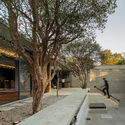
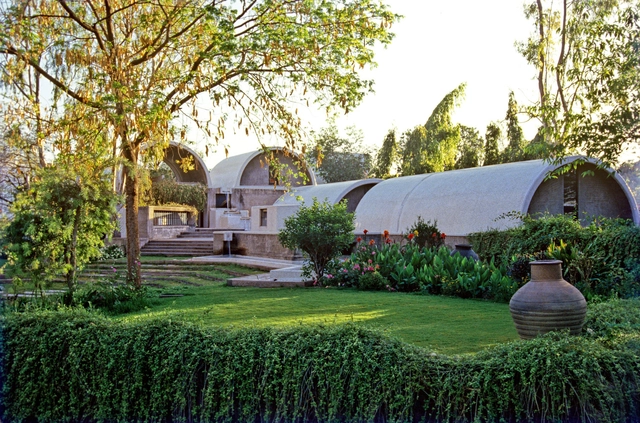
Sangath, Architect’s Studio, Ahmedabad, India. Image Courtesy of Vastushilpa Foundation
The Royal Institute of British Architects (RIBA) announced that Indian architect Balkrishna Doshi will be the recipient of the 2022 Royal Gold Medal. The distinction, approved by Her Majesty The Queen and awarded each year since 1848, is given to architects or practices in recognition of a lifetime’s work and the impact on the evolution of the field and the built environment. With a career spanning over six decades, Balkrishna Doshi has had a paramount influence in shaping the architecture of India through a pioneering interplay of modernism and vernacular that translated into projects that celebrate local culture, context and craft.
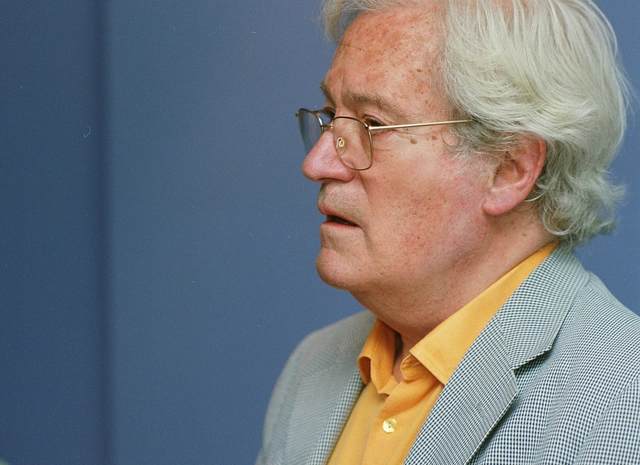
Oriol Bohigas en el Museu d'Història de Catalunya, 2001. Image via Wikipedia: Museu d'Història de Catalunya (fotógrafo: Pep Parer). Licencia bajo CC BY 3.0
On the 30th of November, we received news of the death of Oriol Bohigas Guardiola (Barcelona, 1925), architect, urbanist, and one of the main drivers of Catalan's modern transformation.
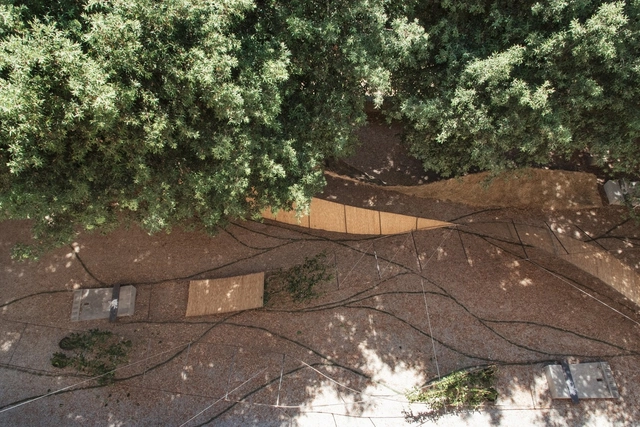
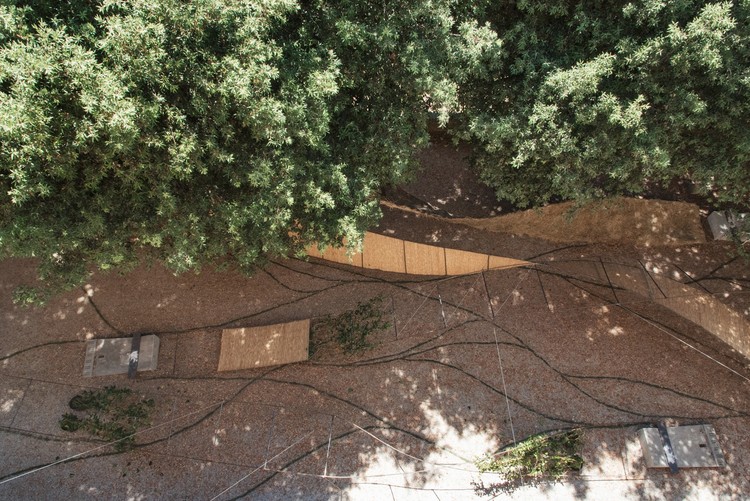
During his Fellowship at Civitella Ranieri / WOJRArchitecture Prize, Alejandro Haiek unveiled images of "Industries of Nature", the award-winning artistic narrative that explores Civitella castle's context and environment and observes how nature and industry work in parallel to form the traditional Umbrian landscape. The intervention was presented not as an art object, but as a documentation of the dynamic exchange between narratives, topographies, and shared resources, overlapping the Civitella Ranieri artist community with local farmers, automobile robotics technicians, engineers and producers.
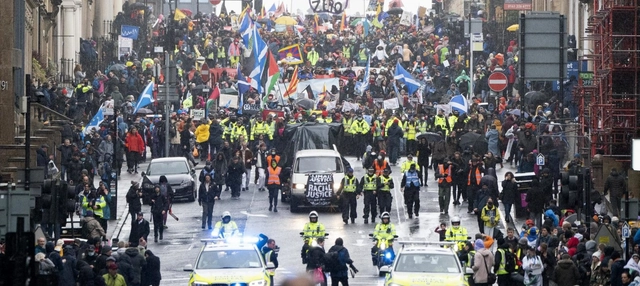
Most of the news coming out of the recently completed climate summit in Glasgow was disappointing. Previous summits had ended in similarly dispiriting ways, and COP26 was no exception. It acknowledged the severity of the problem and the urgency of the moment—the need to keep warming to under 1.5 degrees Celsius (some scientists believe it’s already too late to prevent this)—but put off making the hard commitments necessary to actually solve the problem. At the same time, this summit did feel different. There was a sense of urgency in the Glasgow streets, and the world’s attention was undeniably focused on climate change. How this focus eventually translates into action on the political front remains an open question.
But architect Edward Mazria, executive director of Architecture 2030, believes that despite the immense obstacles facing climate activists, the building sector is on the cusp of helping change the course of the planet. He sees genuine reasons for hope and renewed effort. In the wake of the seemingly grim news out of Glasgow, I spoke with him last week about the way forward, how we’ve reached an important inflection point, why energy use tied to buildings has begun to decline globally, and the steps required to fully decarbonize the built environment.
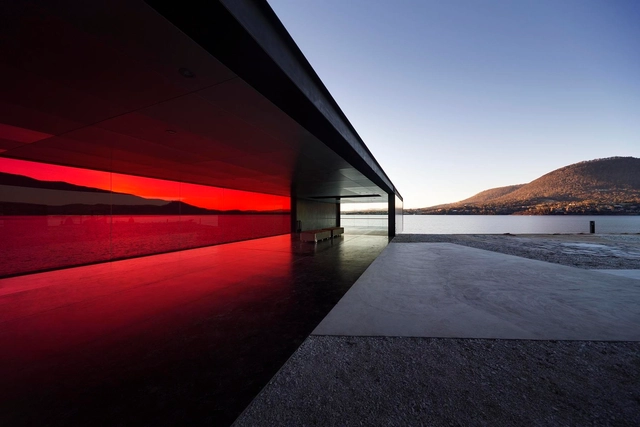
Outback architecture embraces the outdoors. From the world-famous Sydney Opera House to aboriginal desert huts, Australian architecture rises from the elements while learning from them. In terms of vernacular shelters, barns, sheds, and verandahs often became community centers or places to congregate. These humble beginnings would transform over the following centuries as people began to build for the “Australian dream.” Whether using traditional pisé construction or fabricating wildly new forms, architects began capitalizing upon historical building methods and reinterpreting them.
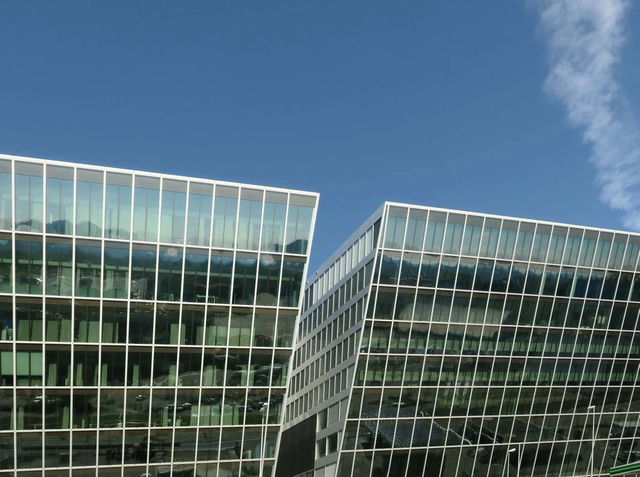
Architectural photographer Paul Clemence has released a new photoseries of Riken Yamamoto's The Circle project, a mixed use development at the Zurich Airport. The design was a competition entry that asked architects to create a program that offers visitors: Swissness, Surprise, and Connections to the World. Yamamoto's winning design, with its inclined facade and combination of linear and curved outlines, linked the airport to the park physically and visually, creating an architecture that highlights the Swiss identity.
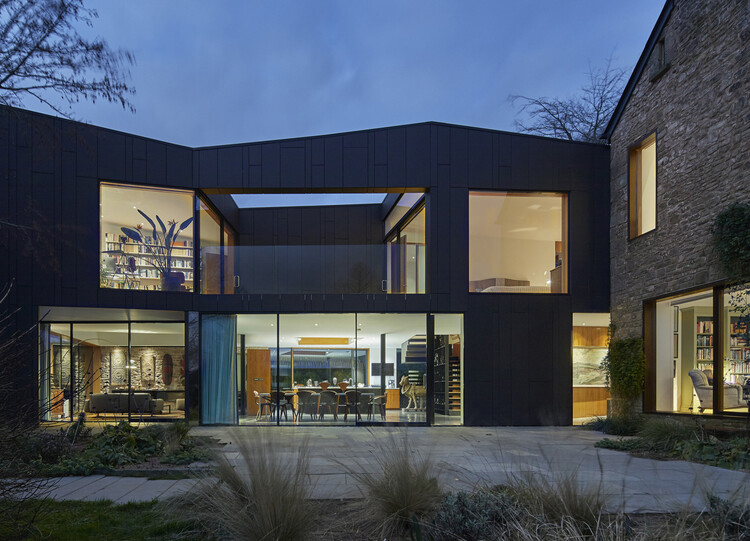
The RIBA House of the Year Award, which highlights the best new architect-designed house in the UK, was given this year to House on the Hill, designed by Alison Brooks Architects. Located in Gloucestershire, the house represents a contemporary extension to an 18th-century farmhouse that functions both as a home and repository of art. Over ten years in the making, the project creates a rich spatial experience while establishing a strong connection between the dwelling and the landscape. The jury commended the house for the “amalgam of architecture, landscape, inhabitation and art” that aptly manages to create a light and calm atmosphere.
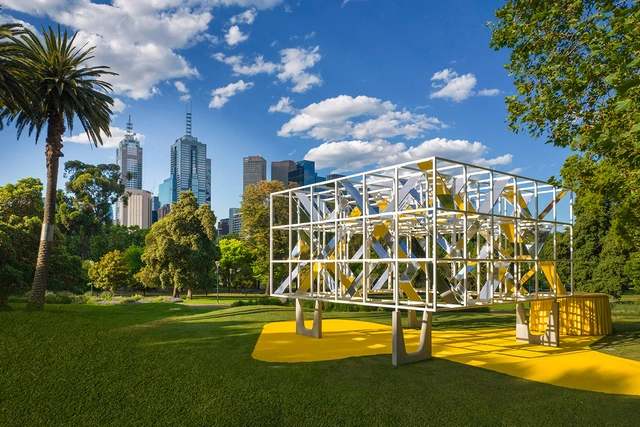
The Naomi Milgrom Foundation has unveiled the 2021 MPavilion program, offering over 250 free events over the span of 152 days, its longest to date. Now in its 8th season, the event welcomes design enthusiasts from Australia and across the globe to celebrate the important contributions of the design community to cultural landscapes. This year's pavilion, titled 'The LightCatcher' is designed by Venice-based MAP studio, and will be installed in Melbourne’s Queen Victoria Gardens from the 2nd of December until the 24th of April 2022.
Zaha Hadid Architects has announced the creation of its Employee Benefit Trust and the transition to employee ownership. Established by Zaha Hadid in 1980, the practice with studios in London and Beijing now comprises over 500 professionals taking forward the legacy of the renowned architect. The organizational shift will ensure that profits are reinvested back into the business, into facilities and equipment, benefiting the entire staff while allowing the practice to prioritize visionary architectural endeavours.
Although the design diversity of private homes often relies on how each project responds to the topography, context, and material availability, the most significant factor of residential architecture is users and what they require in terms of spatial needs and preferences. This user-centric approach has long been practiced, Mies van der Rohe once explained that "the architect must get to know the people who will live in the planned house. From their needs, the rest inevitably follows".
This week’s curated selection of Best Unbuilt Architecture highlights private residential projects submitted by the ArchDaily community. From a private family house nestled in the forests of Russia to a reinvention of Colombia's traditional courtyard typology, this round up of unbuilt projects showcases how architects design private spaces that combine nature, functionality, privacy, and locality. The article also includes projects from Kosovo, Spain, United States, and Serbia.
Outside of China, media facades usually appear as proud individualists vying for attention at night. In China, however, you can find large groups of media facades with a common message in numerous metropolitan areas. These media facades visually merge multiple skyscrapers into a panoramic entity. But what are the reasons that this phenomenon is unique to China? And how did it start? The Media Architecture Biennale linked culture and politics to provide an answer to the emergence of media scapes in China.
El Garaje by Nomos has been announced as the winner of the 2021 AR House Awards 2021. Selected from a shortlist of 15 global practices, the jury praised the project for how it "rethinks the housing typology as an element to reactivate underused spaces in cities and transform rigid and obsolete infrastructure into lively solutions". House Hamburgö by Manthey Kula and House in Kanazawa by Shota Nakanishi Architects also received highly commended recognition, along with honorable mentions to Beaconsfield house by Simon Pendal Architect, Weekend House by AREA (Architecture Research Athens), and Hlöðuberg artist studio by Studio Bua.
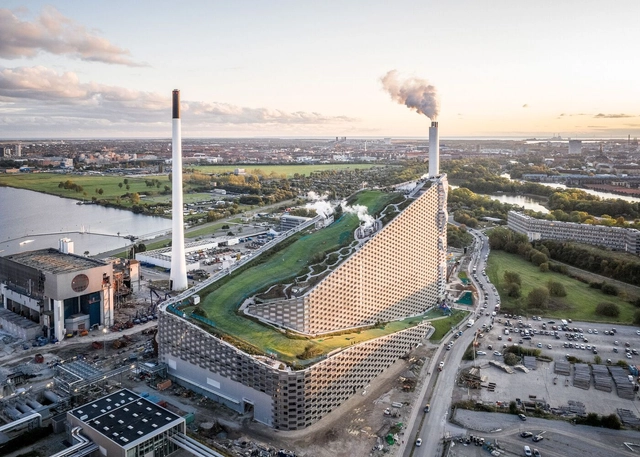
World Architecture Festival has revealed the winners for this year’s categories, highlighting buildings and landscapes completed across the world between 2019 and 2021. Chosen from almost 500 shortlisted projects from 62 countries, the winning projects showcase exemplary contributions to the built environment reflecting this edition’s theme: ‘Resetting the City: Greening, Health and Urbanism’. In addition to the completed buildings categories, the annual award also announced Copenhill, designed by Bjarke Ingels Group, as the 2021 World Building, while SLA was awarded Landscape of the Year for its design of Al Fay Park.
Ms. Dalva's house in Vila Matilde has certainly helped put the four architects of Terra e Tuma, Danilo Terra, Pedro Tuma, Fernanda Sakano, and Juliana Terra, on the architectural spotlight worldwide. With simple and smart solutions, this project has already received six awards, both national and international. The office based in São Paulo, Brazil, has since managed to share their experiences by presenting a new way of designing good and affordable architecture for the underprivileged social classes. However, despite the great impact of this project, the office is not limited to just one type of client and solution, as can be seen in their extensive body of work developed over almost 15 years of practice.
Between rising water levels and global migration to cities, architects and designers need to critically reimagine the relationship between coastal landscapes and public space. Cities are facing entirely new risks and environmental conditions. Resiliency, infrastructure, and ecology are increasingly common terms, reflecting the growing demand to address the spatial and formal challenges faced by cities worldwide. Rethinking boundaries and edges, designers have unique opportunities to help shape public understanding of these conditions through waterfront parks.
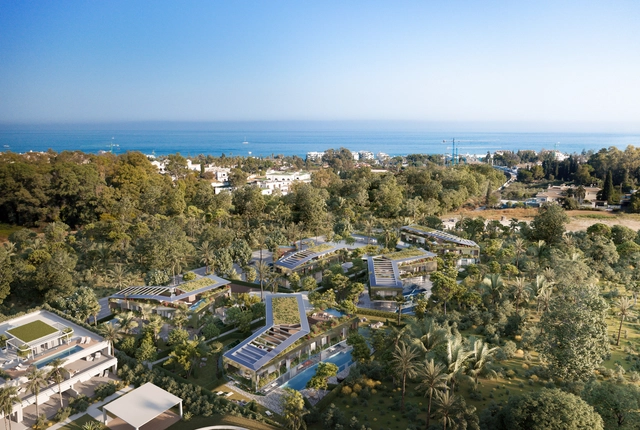
Courtesy of KARL LAGERFELD, Sierra Blanca Estates and One Atelier
During the past couple of years, luxury and fashion brands began venturing into architecture. Some built museums, foundations, and cultural organizations while others shaped residential structures that translated their identity into space. Following this same concept, KARL LAGERFELD, along with Spanish Developer Sierra Blanca Estates and the Design and Branding Firm The One Atelier, have developed the fashion house’s first “luxury architectural project”, the Karl Lagerfeld Villas in Marbella, Spain. Designed by The One Atelier, of which Andrea Boschetti is Head of Design, the project has low carbon impact, aligned with the brand’s commitment to the Fashion Pact - a global sustainability initiative that seeks to transform the fashion industry through objectives in climate, biodiversity, and ocean protection.
Asking what is “luxury architecture” and questioning why fashion brands are expanding into architecture, ArchDaily met with Andrea Boschetti to further understand the architect and urban planner’s take on the subject.
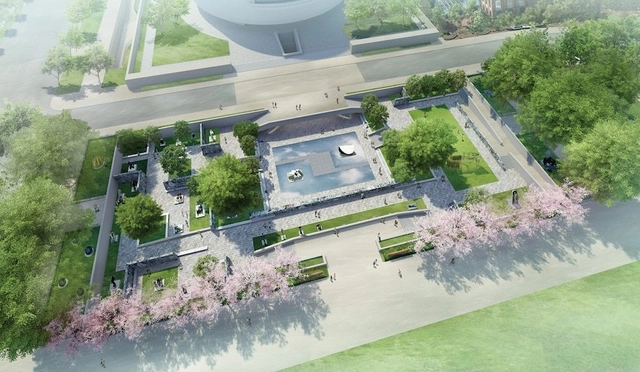
Following years of federal review, the National Capital Planning Commission has finally approved Hiroshi Sugimoto’s Sculpture Garden renovation proposal. Sugimoto’s redesign, which was proposed in Spring of 2019, transforms the Hirshhorn Museum into an accessible and inviting structure welcoming more than 30 million annual visitors. The design features flexible venues to welcome large-scale sculptures and time-based performances, and includes work on long-overdue repairs in the infrastructure.
David Adjaye was announced as the lead designer of the Barbados Heritage District, dedicated to documenting and recounting the impact of slavery on Barbados as well as cultures and nations in the Western hemisphere. The project will comprise a memorial, a museum and a research institute, the latter in charge of presenting Barbados’s pivotal role within the slave trade history as the place of departure for millions of enslaved Africans towards the Americas. The Heritage District, whose announcement closely follows Barbados’ transition to a parliamentary republic, marks a cornerstone in the development of the country’s identity more than five decades after declaring its independence from Britain.













.jpg?1638891520)



.jpg?1638891520)