While Stephen Zacks’ new book, G.H. Hovagimyan: Situationist Funhouse, is ostensibly about the life and work of the artist, there’s an intriguing and seemingly topical subtext looming in the background: the role of art and culture on the development and redevelopment of cities. It’s a complicated and sometimes fraught issue, prone sometimes to simplistic, even binary thinking. Zacks, a friend and former colleague at Metropolis, has always had a more nuanced view of the issue. Last week I reached out to him to talk about the work of Hovagimyan, the historic lessons of 1970s New York, and why “gentrification” needs a new name.
A collaborative design team led by Allies and Morrison and Asif Khan Studio has been selected to renew the famed Barbican Centre in London, United Kingdom. The winning design proposal preserves the building’s original architectural language and provides new opportunities for the center's diverse community of artists, audiences, and partners, boosting the building’s accessibility and performance quality.
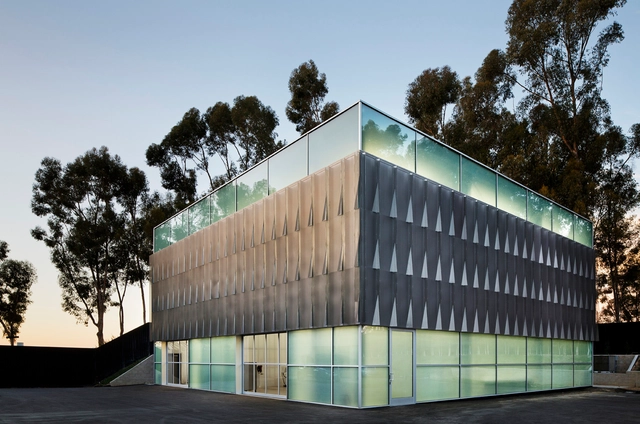
San Diego is a city tied to the ocean. In turn, its architecture responds to a variety of cultural influences and natural conditions. Home to diverse and distinct architectural styles, San Diego has everything from Queen Anne Victorian homes and craftsman bungalows to Spanish colonial revival structures. Besides monumental works like the Salk Institute and Geisel Library, San Diego is also home to a range of contemporary cultural and residential projects.
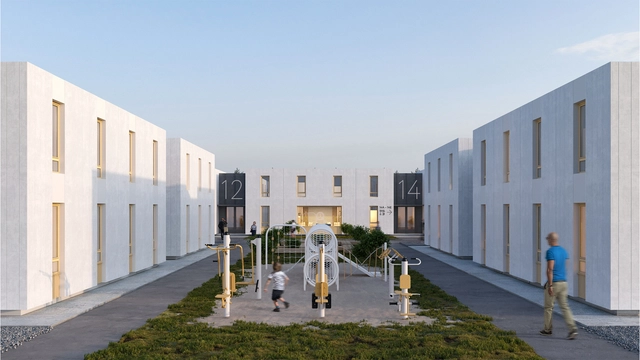
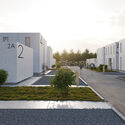
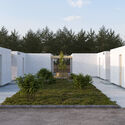
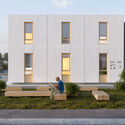
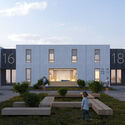
Since the beginning of the war, over 7.1 million people have been internally displaced within Ukraine. In response to this growing humanitarian crisis, Kyiv-based practice Balbek Bureau has developed a modular temporary housing system that aims to provide a dignified dwelling to internally displaced Ukrainians. RE:Ukraine is designed to adapt to different types of terrain and settlement density while being deployed in a short time frame. While the project was intended for areas of Ukraine that are not under fire, the framework can also accommodate refugees abroad.
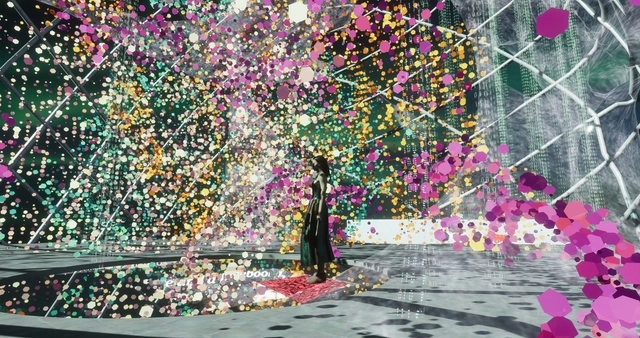
El poder de la Data - Mirador. Image Cortesía de Online Lab of Architecture (OLA)
The Power of Data is an exhibition created in a virtual building, conceived by three-dimensional geometries based on various artificial intelligence algorithms. The project was created by the OLA (Online Lab of Architecture) team of research architects formed by Jennifer Durand (Peru), Daniel Escobar (Colombia), Claudia Garcia (Spain), Giovanna Pillaca (Peru) and Jose Luis Vintimilla (Ecuador).
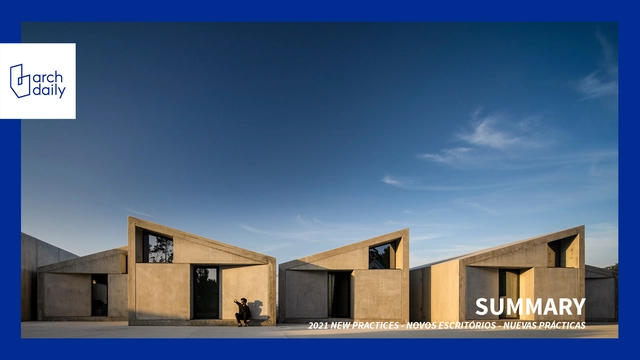
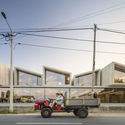
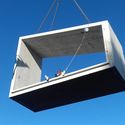
Contemporary challenges and developments in technology inevitably trigger changes in the way we design and build our cities. SUMMARY, one of ArchDaily's Best New Practices of 2021, is a Portuguese architecture studio focused on the development of prefabricated and modular building systems. Striking a balance between pragmatism and experimentalism, the firm develops prefabricated solutions in order to respond to a driving challenge of contemporary architecture—to speed up and simplify the construction process. Founded in 2015 by the architect Samuel Gonçalves, a graduate of the School of Architecture of the University of Porto, the studio has presented at prominent events such as the 2016 Venice Biennale. We talked with Samuel about the firm's practical experience in prefabrication and modulation, as well as their experiments and forays into research.
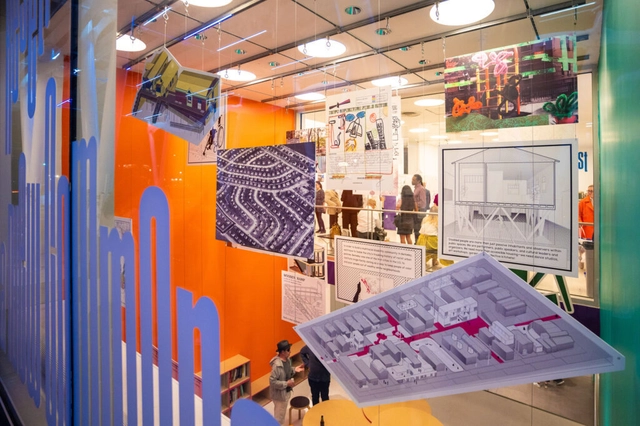
How can Universal Design bridge the divides that have left many Americans stranded in their own communities? In its latest exhibition, Manhattan’s Center for Architecture calls for a “reset.” On view until September 3, Reset: Towards a New Commons, displays projects that “encourage new modes of living collaboratively” and “more holistic approaches to inclusion.”
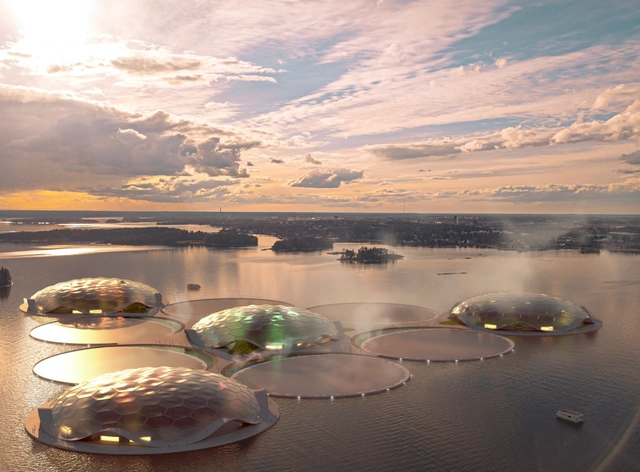
In 2021, CRA-Carlo Ratti Associati’s proposal to create sustainable alternatives for urban heating networks was selected as one of four winners of the global Helsinki Energy Challenge. The project entitled Hot Heart proposed “island-like, floating seawater reservoirs to heat the city of Helsinki in a green way”. Using Twinmotion, Epic Games’ real-time visualization platform for the architecture industry to design the intervention, the large scale infrastructural project needed a digital representation tool to possibly put scale into perspective, offer a real immersive experience to engage the client, and exhibit instant changes related to natural factors such as daylight. Come SpaceForm, a data-driven virtual presentation and design tool. Created to facilitate remote cooperation, the technology allows clients or stakeholders to be more immersed in the story of the design.
Since the early 2000s, it has been widely reported that the construction industry accounts for nearly 40% of the planet’s CO2 emissions. The role of interiors in that percentage has been historically underestimated, with common statistics suggesting that a project’s furniture, fixtures and equipment are only responsible for about 7 to 10% of its overall carbon footprint. However, new research notably indicates the contrary: in a building’s average life span, the carbon footprint of its interiors will equal – if not exceed – that of the structure and envelope. Interior design, to the surprise of many, has actually been doing great harm.
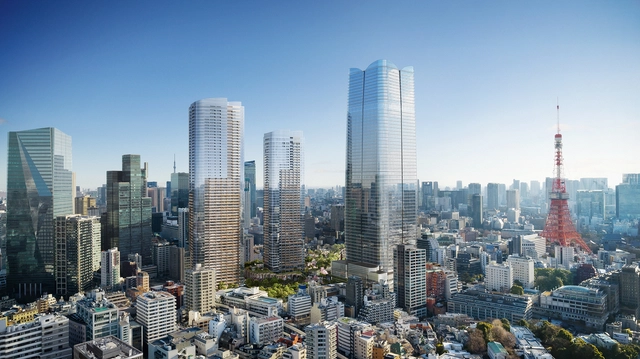
Pelli Clarke & Partners' A District tower, a 330-meter mixed-use high-rise in central Tokyo, has finally topped out to become the tallest building in the country. The tower is part of the Tora Asa urban village, which aims to "forge a city within the city" and revitalize Tokyo's city center. A District Tower will feature large-scale office spaces, residences, a school, a medical center, and retail facilities, along with vast green spaces on the ground floor.
UN-Habitat and blue tech firm OCEANIX unveiled the design of the world’s first prototype for a sustainable floating city, to be hosted by Busan. The project is intended to provide a scalable framework of development for coastal cities facing land shortages and rising sea levels. With a population of 3.4 million people, Busan is the second-largest city in the Republic of Korea and, at the same time, one of the most important maritime cities, making it a suitable environment for deploying the floating city prototype.
Architecture uses drawings as a form of communication. Whether to represent ideas, communicate spaces and their ambiences or even technically understand constructive issues, there are many types of drawings and tools used to make them. It is up to the architects to find, within their knowledge, preferences and goals, the best way to communicate. If, on the one hand, the work drawings are more technical, rigid and standardized, so that they can be used for constructive execution, those used to understand the project by the client are usually freer and have greater visual appeal. It is within this aesthetic freedom that we question: how far can we go with these representations without confusing people?
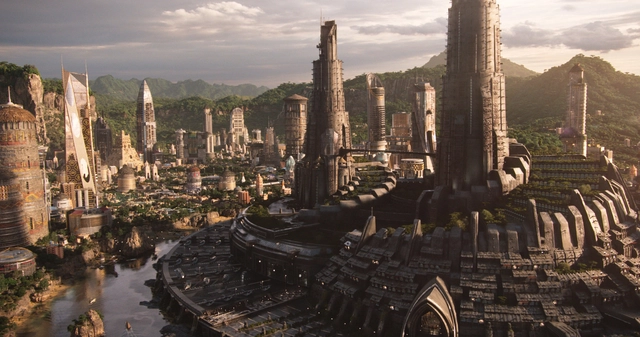
Storytelling is undoubtedly one of the oldest informative tools; a universal language that has transcended generations and cultures, and has been adapted into different media such as video games, theater, and film. Regardless of how old the narratives are, the success of these adaptations relies heavily on production - the visual and audible elements - and their ability to allow viewers to fully immerse themselves in the storyline. In this article, we explore the magical and captivating world of Marvel Cinematic Universe, and how architecture played an important role in contributing to the movies’ notorious storylines.
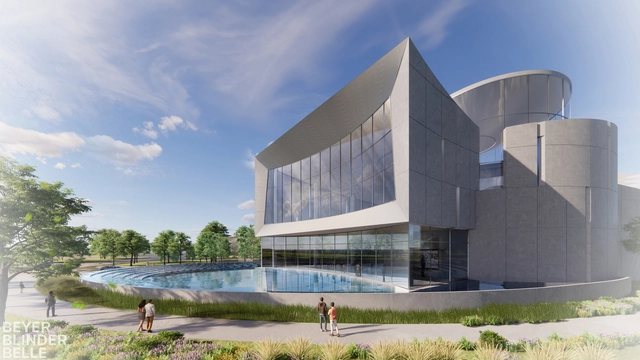
The Holocaust Memorial Resource and Education Center of Florida (HMREC) and architecture firm Beyer Blinder Belle have unveiled the design of Orlando's new Holocaust Museum for Hope & Humanity. The 43,000-square-foot lakefront structure will be the world’s first Holocaust museum designed around survivor and witness testimonies, serving as a distinctive destination for the region and a global point of attraction.
The Glyptothek Museum will showcase the first exhibition dedicated to Santiago Calatrava's array of sculptures and paintings inspired by Greek Antiquity. Running from June 21st to October 23rd, "Beyond Hellas: Santiago Calatrava in the Glyptothek" traces the architect's career as a sculptor, highlighting the influence of histories and cultures on Calatrava's design process.
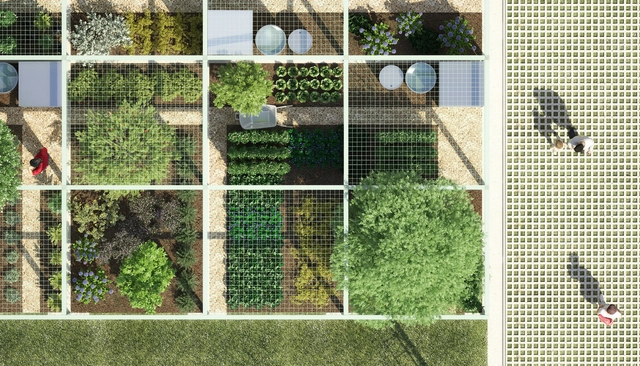
Transformação de Estacionamentos em Fazendas Urbanas. Image via Studio NAB
On March 31st, the Health and Nutrition Day is celebrated in Brazil, factors that are gaining more and more notoriety in the society in which we live. After more than two years living through the ups and downs of the Covid-19 pandemic and facing the evident need for a healthier, more active and community reality, it is important to reflect on how architecture and urbanism can become tools for accessing healthier daily lives.
The Turba Tol Hol-Hol TolPavilion is a collective project led by curator Camila Marambio that proposes an experimental path towards the conservation and visibility of peatlands, a type of wetland considered to be the most efficient natural ecosystem for accumulating carbon in the atmosphere and yet one of the least researched.
Presented by the Ministry of Cultures, Arts and Heritage and the Ministry of Foreign Affairs of the Government of Chile at the 59th International Art Exhibition - La Biennale di Venezia, which will have its official opening on the 23rd of April, was a collaborative work between art, science and traditional knowledge, promoting research and ecological transition from the environmental humanities. In this sense, a diverse multidisciplinary team was brought together: sound artist, Ariel Bustamante; art historian, Carla Macchiavello; filmmaker, Dominga Sotomayor; and architect, Alfredo Thiermann.




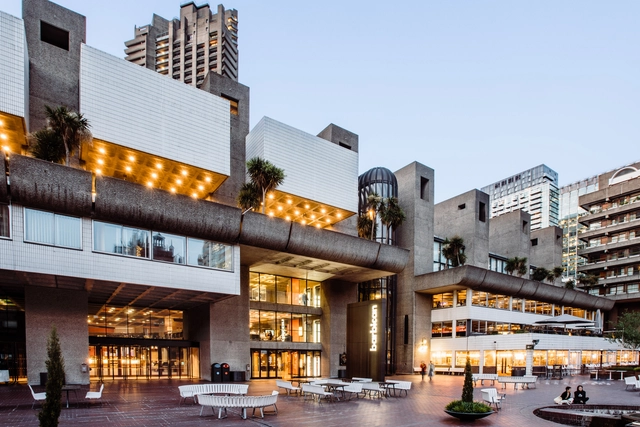
.jpg?1651131882 "Royal Festival Hall by Allies and Morrison. Image © Allies and Morrison")
.jpg?1651131879 "Southbank Centre by Allies and Morrison. Image © Allies and Morrison")
.jpg?1651131774 "Expo 2020 Dubai Portals by Asif Khan Studio. Image © Asif Khan Studio")




















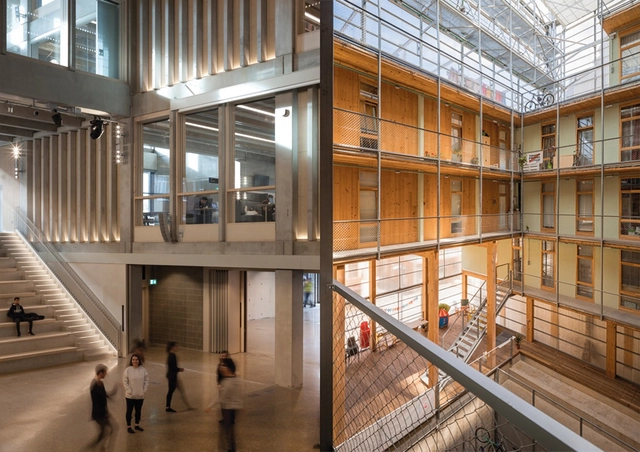
.jpg?1650972194 "La Borda - Cooperative Housing by Lacol / Spain. Image © Lluc Miralles")
.jpg?1650972181 "La Borda - Cooperative Housing by Lacol / Spain. Image © Lluc Miralles")