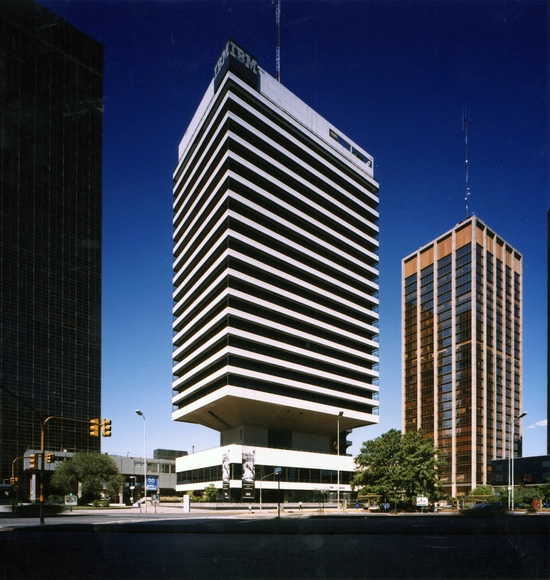
Located in the Retiro district of the Autonomous City of Buenos Aires is the IBM building designed by Mario Roberto Álvarez & Associates. Conceived to house the headquarters of the IBM company, this office building was designed around 1979 and consists of a tower supported by two large concrete structural cores on a base, which is separated from the ground and the shaft of the tower to house the ground floor and a level of common areas in order to maintain the urban scale. The language of the building is recognizable from a distance as it is formed by an enclosure of horizontal bands of glass and exposed concrete parapets-parasols, which achieve a dialogue and balance in the proportion of full and empty spaces.
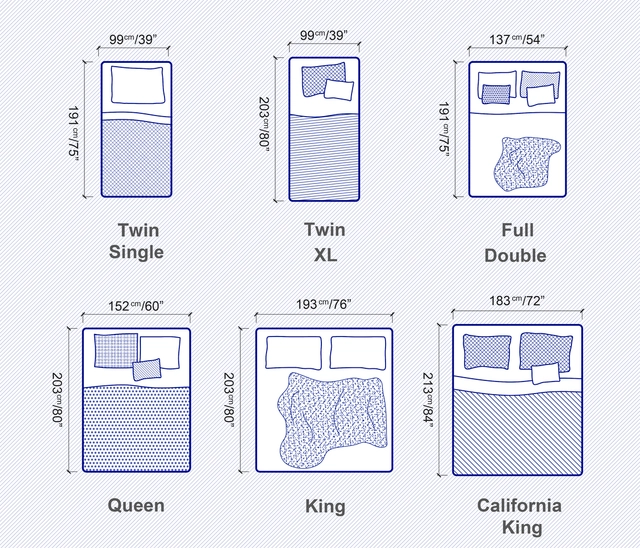
From an early age, we often hear phrases like “you must sleep a minimum of 8 hours a day.” It’s common knowledge that this brings invaluable health benefits, from reducing stress levels and keeping the immune system strong, to improving concentration, memory and decision-making skills. To guarantee a good night’s rest, having a comfortable bed that suits users’ needs is pivotal, especially considering that humans spend one-third of their entire life sleeping. Thus, when architects, designers and homeowners are faced with different bed options available in the market, the decision must be carefully thought-out and take a number of factors into account, whether related to aesthetics or functionality. But before any stylistic or material decision is made, it is crucial to start with the basics: defining the size of the mattress.
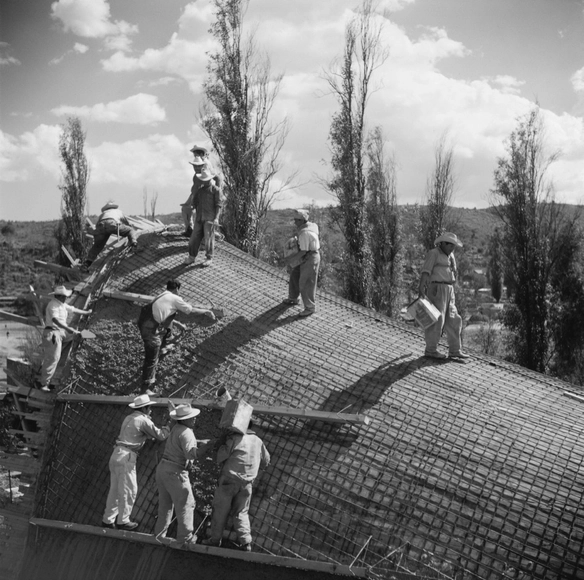
Los Manantiales by Felix Candela. Image Courtesy of Alexander Eisenschmid
Architecture is often an ambitious profession, with many architects hoping to positively contribute to the social life of the communities, create emotional responses, and add moments of delight and solace to our daily experiences. However, market forces have a way of applying constant pressure on this field, often being the deciding factor in many design choices. Costs and economic value are generally a good indicator of how, when, and to what extent certain materials are being used: the standard rule is the cheaper, the better. But materials are only part of the equation. Site labor, management, and design costs are also considered, depicting a complex picture of the balance between the cost of materials and the cost of labor and its effect on the architectural product.
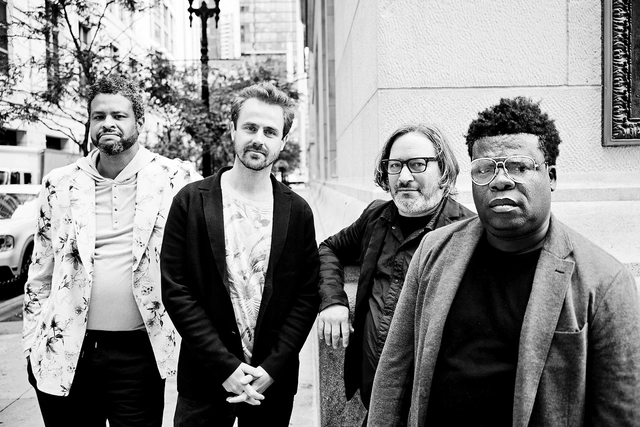
The Second Studio (formerly The Midnight Charette) is an explicit podcast about design, architecture, and the everyday. Hosted by Architects David Lee and Marina Bourderonnet, it features different creative professionals in unscripted conversations that allow for thoughtful takes and personal discussions.
A variety of subjects are covered with honesty and humor: some episodes are interviews, while others are tips for fellow designers, reviews of buildings and other projects, or casual explorations of everyday life and design. The Second Studio is also available on iTunes, Spotify, and YouTube.
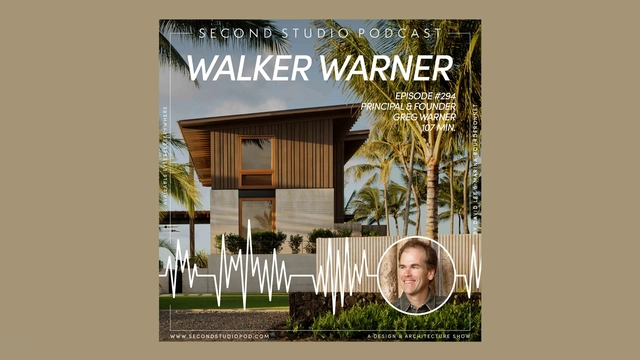
This week David and Marina are joined by Architect Greg Warner, Principal and Founder of Walker Warner Architects to discuss growing up in Hawaii and its influence on his professional career; co-founding his office and its growth; working in Hawaii; the responsibilities of a principal and the importance of leadership; his philosophy and approach to projects; and more.
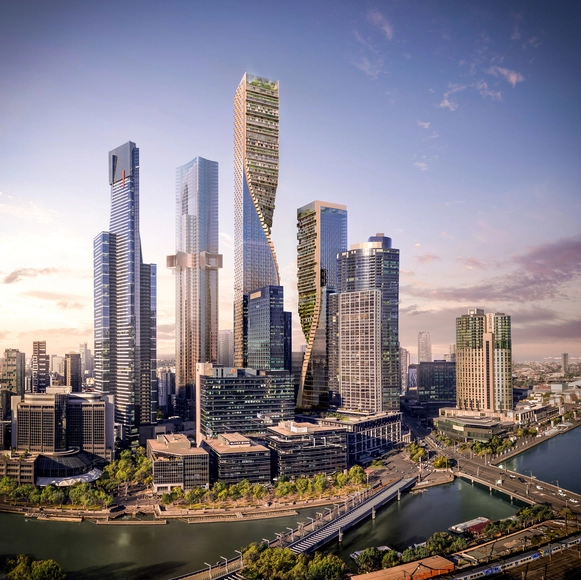
Many urban planners predict that by 2050, more than 6 billion people will live in cities, and in places where building outwards isn't an option, the only way to keep up with the growing density is to build up. Building taller always comes with numerous challenges and also a not-so-subtle competition for architecture firms to have their name tied to the biggest buildings. Almost as fast as a building is named one of the tallest in the world, another one makes its way to the drawing board, a few years later taking the title. While the sky’s the limit, how does this impact the constructability of projects, and what feats of construction methods and materials have enabled us to build into the clouds?
In the architectural conversations we are having in today’s world, conversations on materials are widespread. There is discussion on the viability of concrete in the contemporary context, how timber can be more sustainably sourced, and on how biodegradable materials such as bamboo should be more common sights in our urban environments.
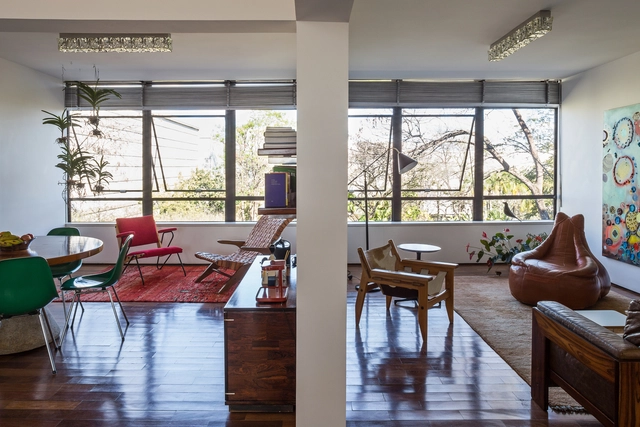
But we also need to be talking about what goes into these buildings – that is, the furniture that decorates, enhances, and makes habitable the buildings around us. The materials used to craft these objects have constantly evolved over centuries, and as we approach the end of 2022, it’s worth asking – what does the future hold for what our furniture will be made from?
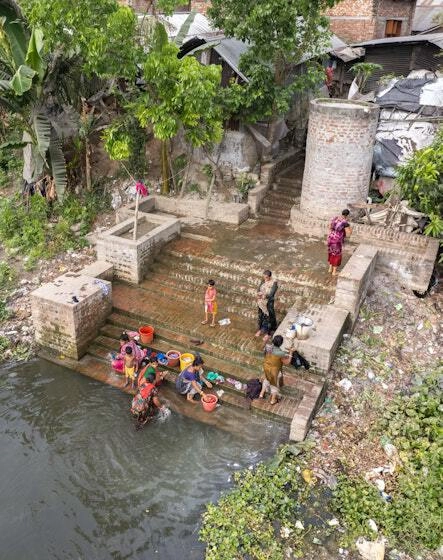
Urban River Spaces, Jhenaidah. Image Courtesy of Aga Khan Award for Architecture
Aga Khan Award for Architecture (AKAA) announced the winners of the 2022 edition. From a pool of 463 projects nominated for the 15th Award Cycle (2020-2022), the six winners show examples of architectural excellence in the fields of contemporary design, social housing, community improvement and development, historic preservation, reuse and area conservation, as well as landscape design and improvement of the environment. Two projects from Bangladesh, one from Indonesia, Iran, Lebanon, and Senegal, will share the UDS 1 million award, one of the largest in architecture.
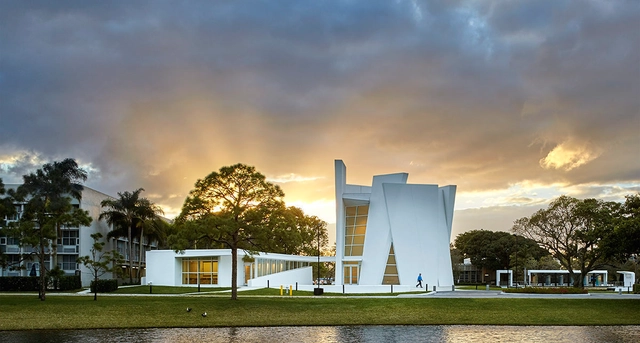
In a time of global unrest, rising intolerance, and, some might argue, increasing secularization, is the campus chapel relevant anymore? Might it disappear altogether? As it turns out, campus sacred space appears to be transforming to play a more important role as many universities focus on educating their students to be more globally aware.
https://www.archdaily.com/989449/campus-sacred-spaces-are-changingMichael J. Crosbie
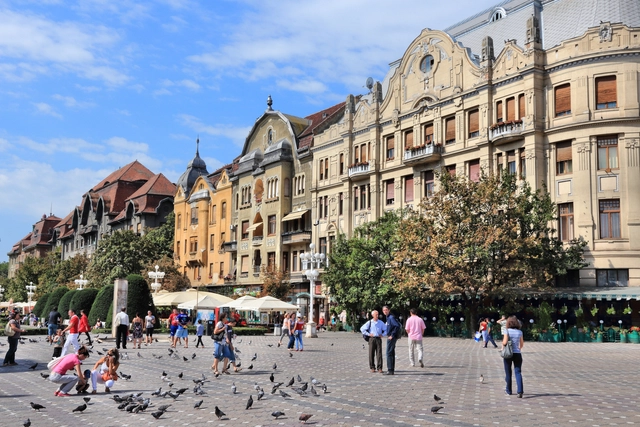
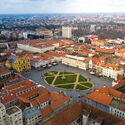
The fourth edition of the Timișoara Architecture Biennial, or Beta, is focusing on the theme of “the City as Common Good”. Through a wide range of events, Beta aims to address topics that are relevant and urgent globally and explore their impact on the local built environment and its response to the needs of the communities. Taking place at various locations in the city of Timișoara, Romania, this year’s festival begins on September 23rd and ends one month later, on October 23rd.
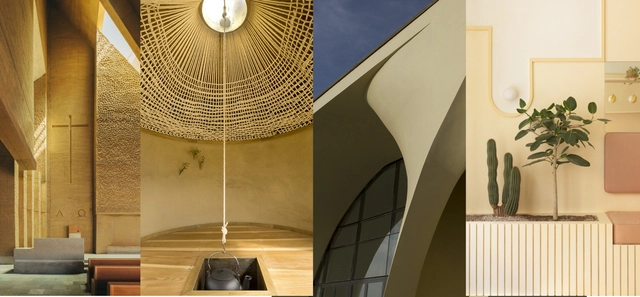
Inspired by the warm tones of harvested crops, Wild Wonder was selected as Color of the Year 2023 by AkzoNobel. Extensive research conducted by AkzoNobel, including color experts and international design professionals, identified the "Wonders of the Natural" swatch at the heart of global social and design. This trend is inspired by nature as people are re-evaluating their relationship with the environment as the source of everything in their lives. # d0c599, or pale yellow/ olive green, captures the moment's mood and conveys serenity and positivity after these recent years of uncertainty and despair.
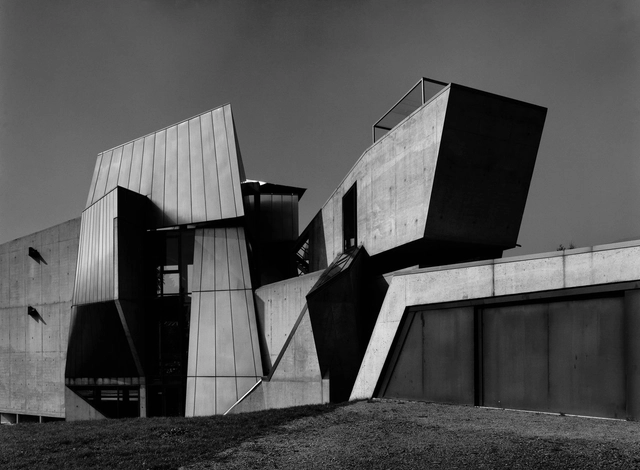
Günther Domineg’s Steinhaus . Image Courtesy of GERALD ZUGMANN
Domenig was one of Austria’s most radical architects and a major influence on many of architecture’s leading lights but remains widely unknown. A new exhibition aims to change that.
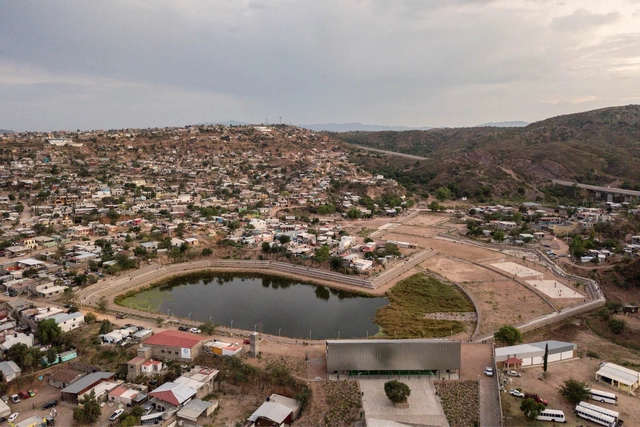
The Mies Crown Hall Americas Prize (MCHAP) has selected Containing the Flood: Colosio Embankment Dam by Loreta Castro Reguera and José Pablo Ambrosi of Taller Capital as the winners of the 2022 MCHAP.emerge award. Acknowledging the best-built work in the Americas authored by a practice in its first ten years of operation, the 2022 MCHAP Prize for Emerging Practice (MCHAP.emerge) considered built works completed in the Americas between January 2018 to December 2021. Past MCHAP.emerge Laureates include Pezo von Ellrichshausen (2014), PRODUCTORA (2016), and Rozana Montiel Estudio de Arquitectura (2018).
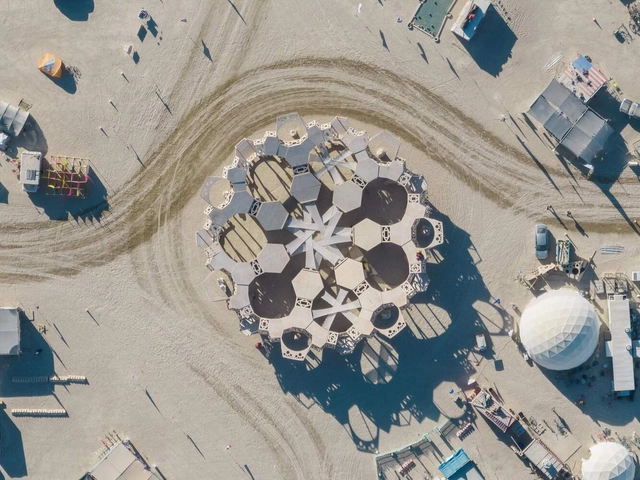
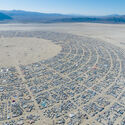
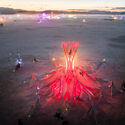
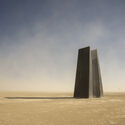
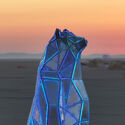
Nevada's annual Burning Man has retured to the Black Rock Desert, after a three-year physical attendance hiatus due to the pandemic. From August 28 until September 5th, this year's festival explored the theme of "Walking Dreams", celebrating the dreamers who channel the power of dreams and imagination, both in literal and figurative ways. Similar to every year, the pavilions that were installed in the desert explored the theme in creative and unexpected ways.
This year, many of the installations approached themes of ecology and sustainability. Some of the installations were built with reused materials, including an interactive light sculpture made from plastic recovered from the ocean. Every year, the Burning Manfestival issues a number of grants, funded from revenues from ticket sales, for the purpose of partially funding specific art projects.
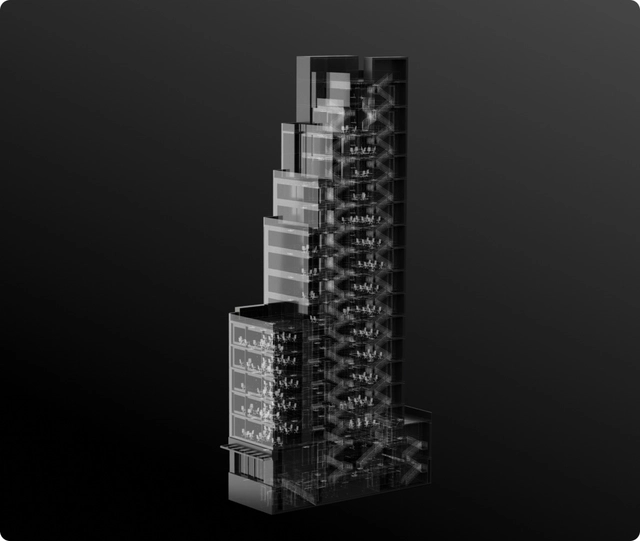
A developer in NYC purchased the first-ever non-fungible token (NFT) Office building in New York City. "Located" at 44 West 37th Street, the 4700 square meters NFT serves as an immutable digital asset that points to transforming how we design, build, operate, and monetize our spaces with only "one-click". The 16-story building was created by spatial intelligence company Integrated Projects and questions the function of architecture in Real Estate and the Metaverse.
Architecture is not simply building. Over 2,000 years ago, Roman architect Marcus Vitruvius Pollio defined two base realities in building: “Firmness” (Safety) and “Commodity” (Use) and then offered what turns building into architecture: “Delight” (Beauty).
“Firmness” has been recoined in this century as “Resilience”. After being unscathed in five hurricanes over thirty years, does this building have “Delight” beyond its “Firmness”? The property of “Commodity” is found in any design’s usefulness and fit: is this archive, in constant use, have “Delight” beyond its “Commodity”?
The Chicago Architecture Biennial (CAB) has announced the art collective Floating Museum as the leading artistic team of CAB’s fifth edition, opening in September 2023. For this edition, titled “This is a Rehearsal”, the Biennial explores environmental, political, and economic issues present in today’s society, yet addressed differently around the world through art, architecture, infrastructure, and civic participation. The Floating Museum, a collective of artists, designers, poets, and educators, aims to push the CAB 5 exhibition and program model to prioritize presenting innovative ideas that could shape the future of architecture and design.
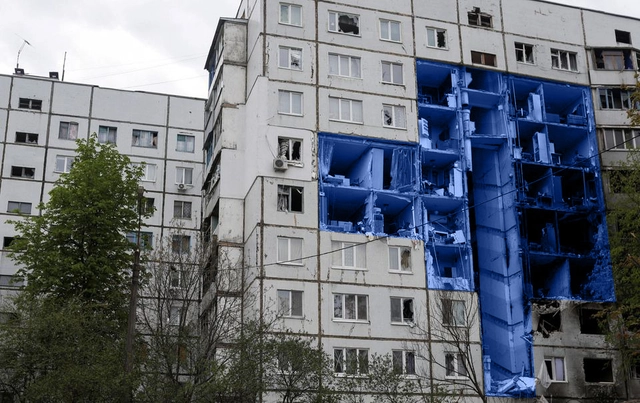
Today’s cities have been substantially reshaped to correspond with environmental and social needs or to reconstruct themselves after natural disasters or war. Whereas master plans and regulations take years, millions of people remain trapped in the crossfire and urgently need aid in their cities. With this pressing issue in mind, WZMH Architects developed a prefabricated- modular system for salvaging thousands of structures across Ukraine that have been partially or fully destroyed during the war. This system aims to integrate building technology into new buildings to create more sustainable communities.
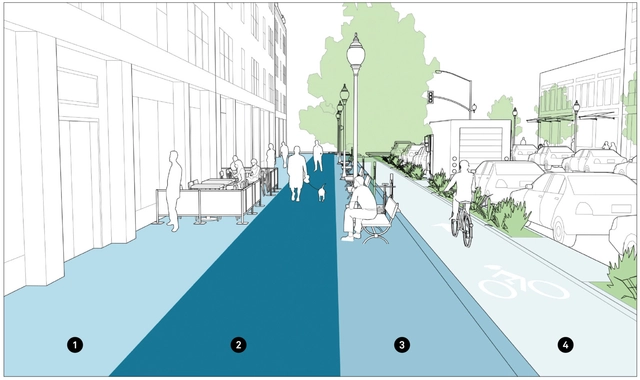
Future planning methods for sidewalks and public transit space. Image via Global Designing Cities Initiative
Whether you live in an urban, suburban, or rural area, there’s a good chance that using a sidewalk, in some capacity, is part of your everyday routine. Whether crossing over a sidewalk to get to your car in a parking lot or walking several blocks on your commute to your office downtown, sidewalks are critical for creating safe places for pedestrians away from the streets. But what happens when cities don’t take ownership over sidewalk maintenance, and they’re left to be protected by the people who just use them?