We have reached the end of 2022 and it is time to review the most important milestones of the year on ArchDaily. This time, we searched for the photos that were the most liked on ArchDaily's Instagram.


We have reached the end of 2022 and it is time to review the most important milestones of the year on ArchDaily. This time, we searched for the photos that were the most liked on ArchDaily's Instagram.
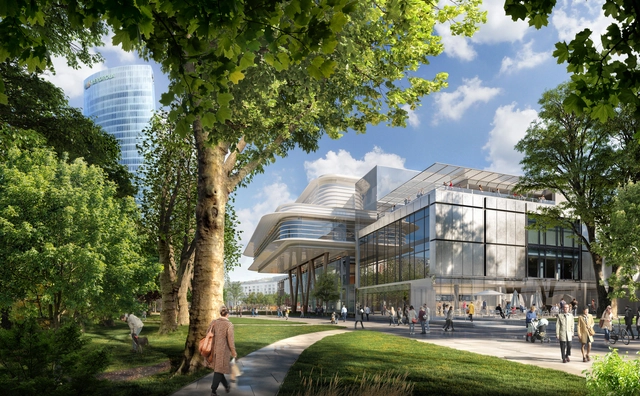
The Bilbao Fine Arts Museum remodeling and expansion project was attributed to Foster + Partners following an international competition in 2019. Now the construction phase was initiated with a breaking ground ceremony on November 17th. The project includes the restoration of the existing 20th-century building and the expansion of the currently available spaces with a new public atrium and a contemporary art gallery organized in a floating pavilion. The design also highlights the relationship between the city and the museum by creating a new pedestrian path that runs from north to south. The path connects the original 1945 building, the 1970s extension, and a new visitor center while making the site more permeable at the street level.


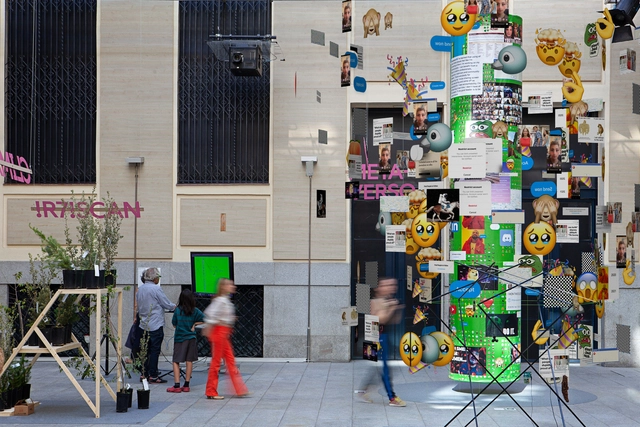
Looking to reformulate the relationship between humans, territories, and globalization, “Ecologies for Other Architectures” gathered for two days in Madrid emerging international architects to propose narratives on urban environments and their undergoing changes. Curated by Itinerant Office within the network of New Generations, the event featured 7 scenarios, 7 models, 7 narratives on nature, technology, bodies, material transformation, soil, participation, and (no) humans. The event employed recycled material and a fast-mounting strategy to guarantee zero impact.
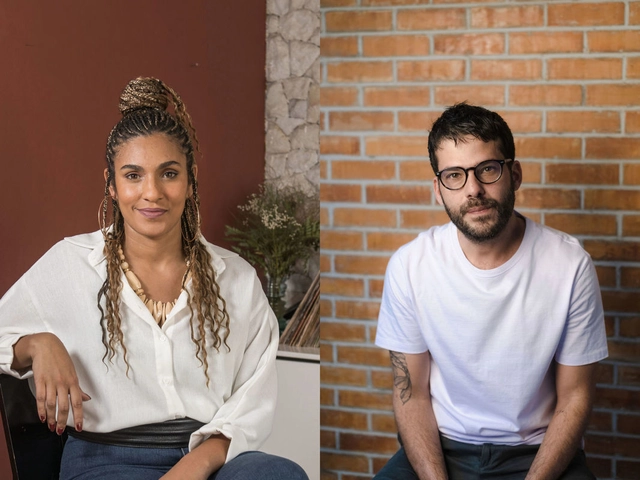
The São Paulo Biennial Foundation announces the curatorship of the Brazilian Pavilion at the 18th International Architecture Exhibition - La Biennale di Venezia. Gabriela de Matos and Paulo Tavares, both architects and researchers with a cross-cutting approach that embraces race, gender, pedagogy, and visual cultures, are organizing the exhibition, which opens May 20, 2023.
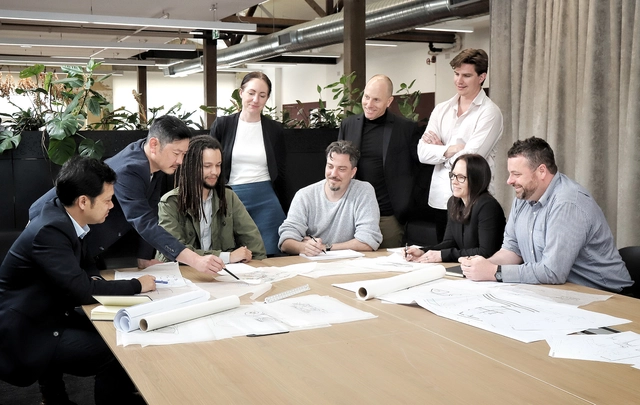
Architecture design firm Buchan was selected to lead the design for the Australian Pavilion at Expo 2025 in Osaka, Japan. Under the theme "Chasing the Sun," the installation will encapsulate Australia's connection to the land and the Cosmos, displaying its rich culture and diverse arts scene. From 13 April 2025 to 13 October 2025, more than 150 countries will participate in a single location, anticipating 28 million visitors from across the globe.

From its outer skin to its structural framing system, a building is made out of many layers. Just like a human body, many of those layers – which tend to be the most crucial, functional components – remain unseen by the public, covered with aesthetic features. Among all the hidden elements, all buildings include sheathing, the outer casing that construction crews place to serve several key purposes: protect the floor, walls, roofs and ceilings, fortify the structure against internal and external forces, and cover the entire framework, giving the building a solid shape.
Wood is the most common material for sheathing, with Oriented strand board (OSB) panels usually being the top choice. Why? Made by compressing and gluing cross-oriented strands of wood together with heat-cured adhesives, OSB boards are lightweight, flexible, strong, versatile and fully recyclable. They also stand out by resisting deflection, warping and distortion, apart from offering some thermal and acoustic insulation. However, besides their good performance and mechanical properties, OSB is especially known for being cheaper than other alternatives, drastically saving both costs and time. In fact, this structural panel can be $3 to $5 less expensive than plywood, which explains why it is often considered its low-cost substitute.
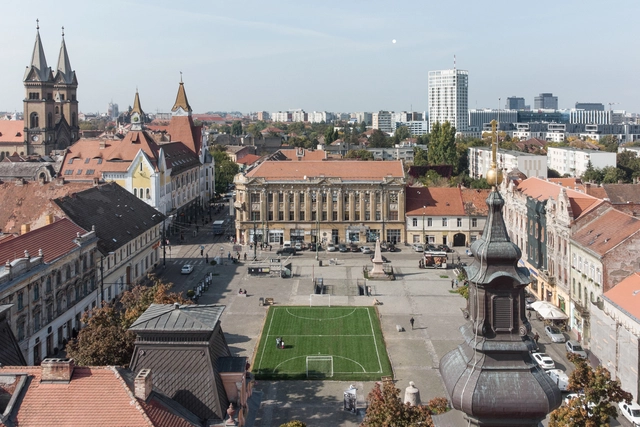
“Another Breach in the Wall’ was the chosen theme for the main exhibition presented at Beta 2022, the Timișoara Architecture Biennial, which ran from 23 September to 23 October 2022. Curated by Daniel Tudor Munteanu and Davide Tommaso Ferrando, it aimed to explore the concept of loopholes, a term referring both to inadequacies in a set of regulations and an arrow slit in a defensive wall. The exhibition aimed to inspire action an empower citizens to appropriate the urban fabric by exposing submissive urban strategies. The projects and actions presented were selected based on their potential to create novel urban spaces by questioning the laws that regulate the use of public space.
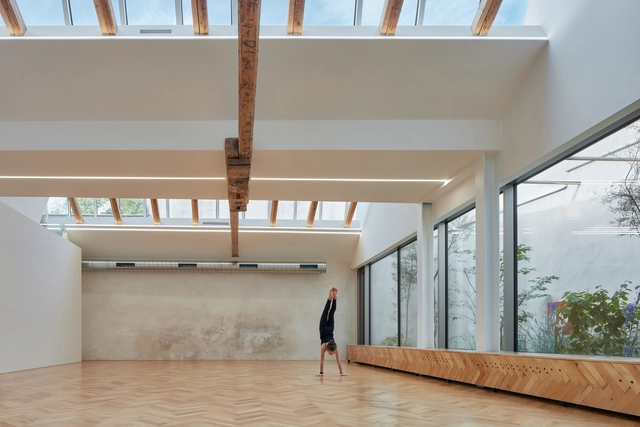
The year 2022 saw a rise in conversation around health and well-being. Two years after the start of the COVID-19 pandemic, the architecture industry is more informed about healthy building practices and equipped to drive forward impactful solutions. World Architecture Day 2022 was themed around “Architecture for well-being”, paralleling the designation of 2022 as the UIA Year of Design for Health in buildings and cities. As we wind up the year, ArchDaily explores “healthy spaces” as a trend along with insights that will last well into the future.
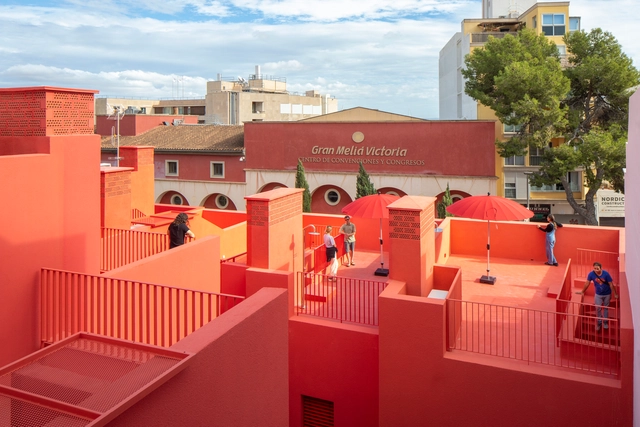
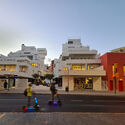
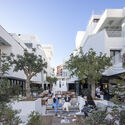
MVRDV and GRAS announced the completion of five of the seven buildings of Project Gomila in Palma de Mallorca, Spain. The residential complex was originally comprised of four existing buildings, adding three new ones for a total of 60 new dwellings and new commercial spaces. The project aligns with revamping the historic neighborhood "El Terreno" as a vibrant and sustainable residential site, home of bohemian nightclubs that hosted iconic musicians such as Jimi Hendrix, Ray Charles, and Tom Jones.
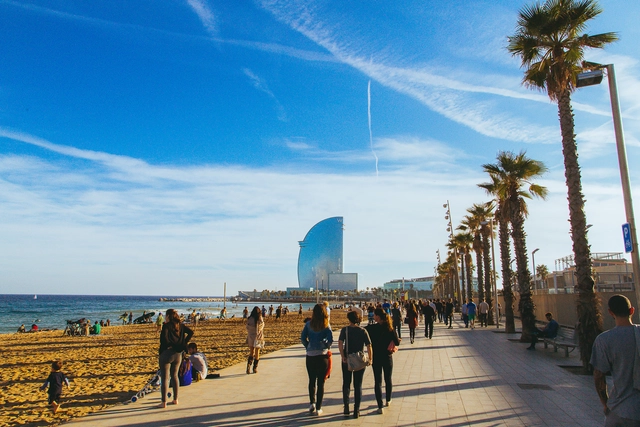
CityMakers is working with Archdaily to publish a series of articles, conversations and interviews with the different actors of city co-production behind CityMakers Barcelona Lab 2022, an event that will take place from 14-18 November. On this occasion, Camilo Osorio, Architect and Master in Urban and Territorial Development at the Polytechnic University of Catalonia - Barcelona Tech, presents his article "Barcelona: Joy and Order. The natural and artificial endowments of an exemplary city".

From the 21st to the 25th of September, the Mextrópoli Festival + XII Ibero-American Biennial of Architecture and Urbanism took place in Mexico City. As part of the event, ArchDaily spoke with 2014 Pritzker Prize winner Shigeru Ban about the central theme "Inhabiting at the margins", a proposal that sought to make visible the work of those who are providing solutions to the growing social, environmental, and economic needs at the margins of the system.
The Second Studio (formerly The Midnight Charette) is an explicit podcast about design, architecture, and the everyday. Hosted by Architects David Lee and Marina Bourderonnet, it features different creative professionals in unscripted conversations that allow for thoughtful takes and personal discussions.
A variety of subjects are covered with honesty and humor: some episodes are interviews, while others are tips for fellow designers, reviews of buildings and other projects, or casual explorations of everyday life and design. The Second Studio is also available on iTunes, Spotify, and YouTube.

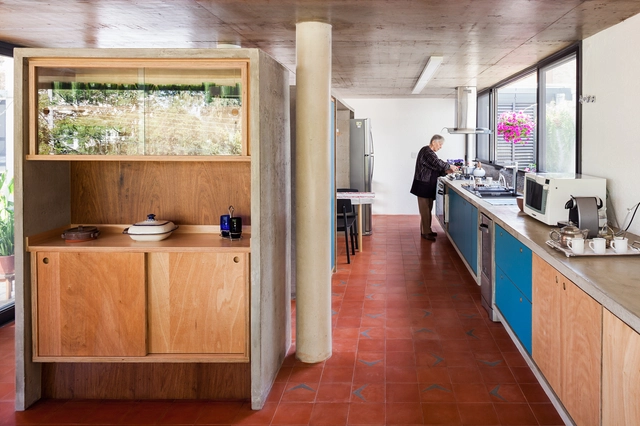
Aging means learning to live with dependence - physical, social, or spatial - and in this long process, which cannot even be measured in years, it is increasingly understood that aging is closely related to genetics, lifestyle, location, and socioeconomic group. Therefore, this very diverse process varies according to each individual, to different interests as well as abilities and preferences in the way of life.
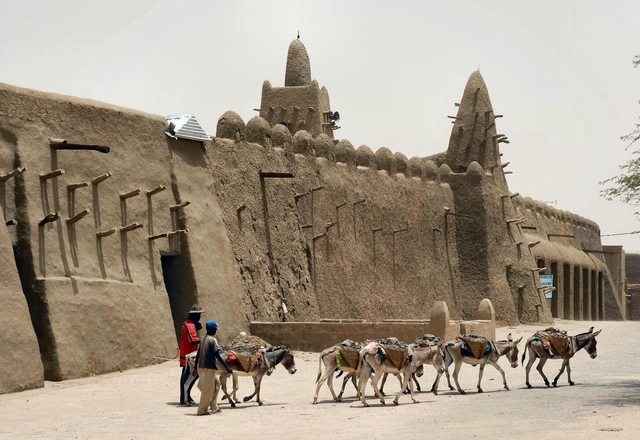
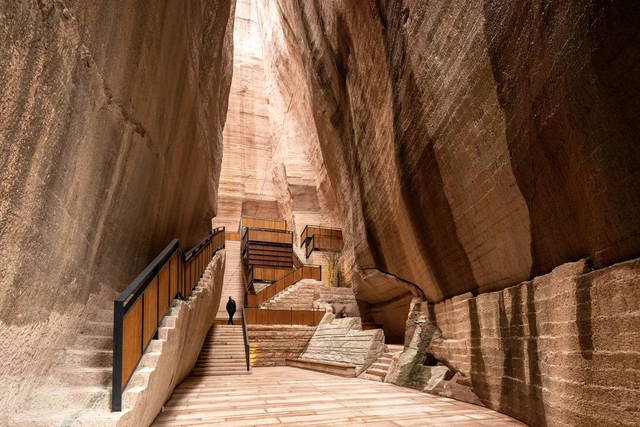
Earth architecture is built on a far-reaching history. Its story continues to be told through aged structures that have stood the test of time. Across the world, indigenous earth construction techniques have been pioneered by many ancient civilizations. Communities originally built shelters from earth - the most readily available material to them - and have passed on their construction techniques through generations. Earth architecture evolved with a careful understanding of land and location. With practices perfected decades ago, it is fascinating to see earth architecture remaining resilient through adversities
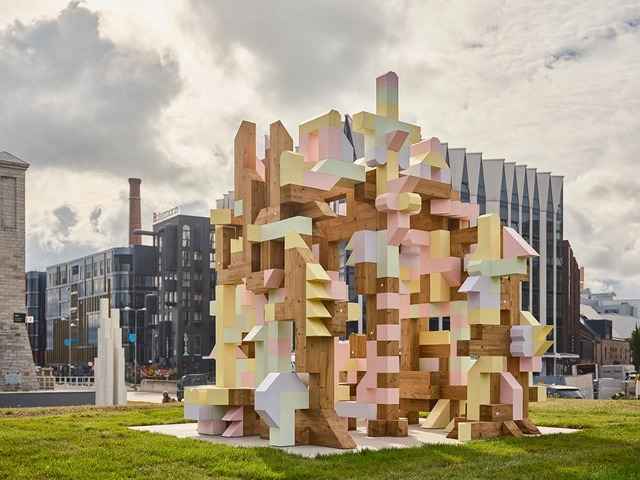
Tallinn Architecture Biennale 2022: "Edible; Or, The Architecture of Metabolism" announced record numbers in its 6th edition after 3 months of exhibitions in Estonia's capital. From installations and a symposium to satellite events, the biennale received in its opening week a record of circa 3000 visitors between architects, planners, designers, and students from more than 20 countries. Due to the successful outcome, the Installation "Fungible Non-Fungible" will be installed until 2024 marking the beginning of the 7th TAB.
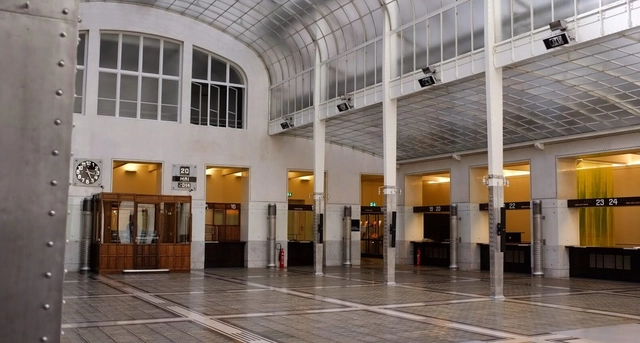
This article was originally published on Common Edge.
Witold Rybczynski’s latest book—he’s written 22 now, at last count—is The Story of Architecture (Yale University Press), and it’s as comprehensive as the title implies. The author of Home and A Clearing in the Distance starts with the ancients, works his way chronologically through the movements, buildings, and architects, and into the present day. It’s done, he concedes, through his own prism. “I have not given equal attention to all parts of the world,” he writes in the book’s Note to the Reader. “This is primarily although not exclusively the story of the Western canon. That is not to slight regions that often have their own unique architectural accomplishments … but I have chosen examples that best convey the principal thrust of the strain of architectural thought that has most influenced me.” Recently I talked with Rybczynski about the genesis for the book, what architecture lost when it abandoned ornamentation, and where we are today.






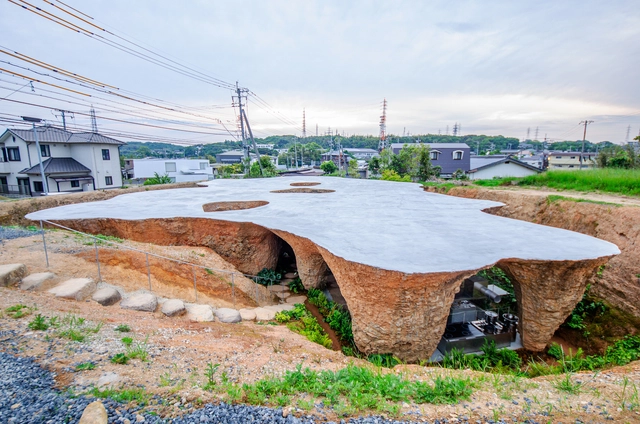
Every year, ArchDaily features thousands of new projects that make up the largest online architecture library in the world. Our team of curators review, seek and make sure to explore some of the most innovative and relevant architectural works around. Just like the projects that appeared in our first ArchDaily book, our aim is to open up our platform and highlight (What is) Good Architecture. For that, we look into all natures and sizes of interventions, that reflect sustainable traits, local awareness, technological advancement, and comfort/well-being. The ArchDaily top 100 listing, in particular, combines all these factors with the data we get from our users: which projects are they looking at the most.
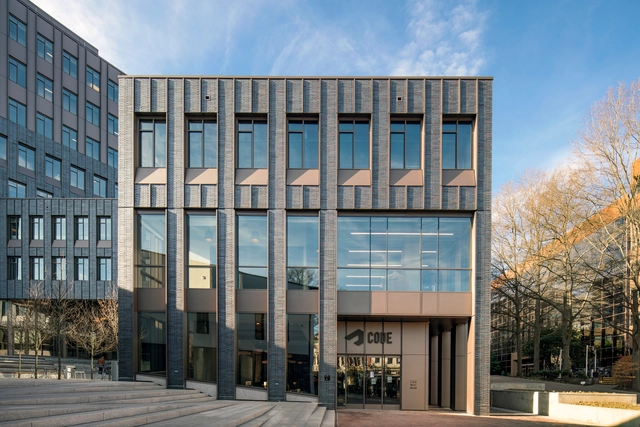
A 2022 United Nations report claims that the negative impacts of the climate crisis are mounting much faster than scientists predicted less than a decade ago. Rising greenhouse-gas emissions could soon outstrip the ability of many communities to adapt, and the consequences will continue to hit the world’s most vulnerable populations. As climate scientist Maarten van Aalst suggests, “Any further delay in global action on adaptation and mitigation will miss a brief and rapidly closing window of opportunity to secure a livable and sustainable future for all.” The data is clear: to protect our planet, we need to prevent a 1.5°C rise in global temperatures this century. To do so, the world must achieve a 45% reduction in global carbon emissions from 2010 levels to 2030, to then reach a net-zero state by 2050. It is evident, however, that we are on track to miss this goal by a substantial amount. The clock is ticking, and every industry should act fast (and drastically) to even dream of greener cities.