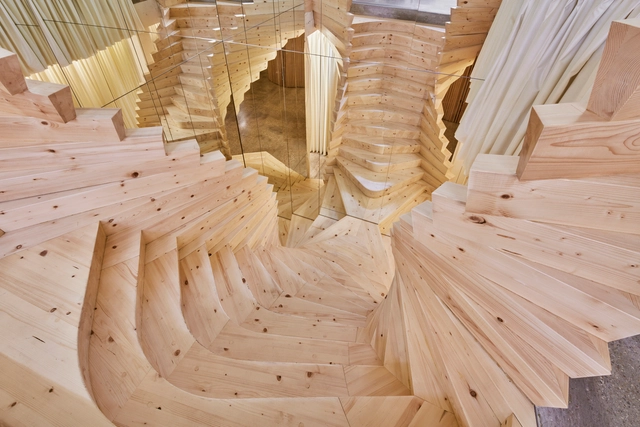
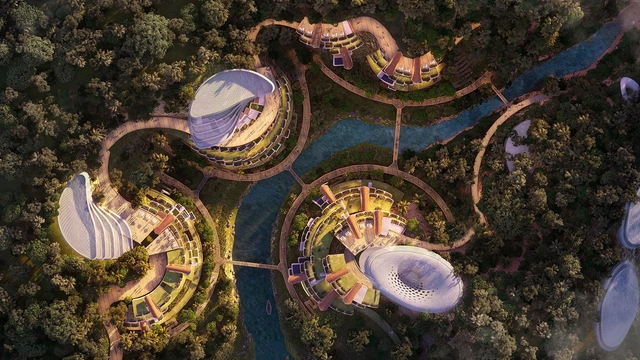
Gendo Design to Image Output. Image Courtesy of Gendo
The introduction of AI generative tools represents one of the most significant technological revolutions in the field of architecture and design. While there is concern about this changing the working landscape for professionals in the field, a significant number of practices are embracing the new technology. Architectural visualizations represent one of the main areas where these changes take effect. However, the array of AI tools accessible to non-specialist users rarely allows for true control over the design process, often offering general interpretations of scripts. This can be helpful during early conceptual design phases but loses its appeal soon after. Gendo, a new browser-based app, aims to change this, offering the possibility to not only generate visualizations in seconds but also to edit and customize them, even introducing real-life products in the design. Until August 3, readers of ArchDaily can register and use the code ARCHDAILY50 to get 50% off any plan.
In the competitive fields of architecture and design, mastering the art of visualization is as crucial as generating innovative ideas. Whether you harness 3D models from SketchUp, use AI-generated images with Diffusion [Labs], or employ external rendering programs like V-Ray, selecting the right visualization technique can significantly advance your professional journey.
Here’s a closer look at the top ten benefits of architectural visualization, illustrated by real-world success stories from the industry.
The Enscape 4 All - Architectural Real-Time Visualization Award, a collaboration between ArchDaily and Enscape, has spotlighted the most outstanding and innovative real-time renders produced using the Enscape 4 Real-Time Engine. This award recognizes excellence in four distinct categories: Interior, Exterior, Landscape, and Conceptual. The jury, composed of ArchDaily Editors and Enscape specialists, assessed submissions based on creativity, technique, and the innovative use of real-time rendering. Submissions poured in from all over the world, highlighting the global reach and appeal of this competition.
Every project begins with a program brief outlining the spaces, areas, and requirements essential to kick off the design process. This essential document guides architects in understanding client needs, allocating space efficiently and ensuring the design meets the project's functional requirements.
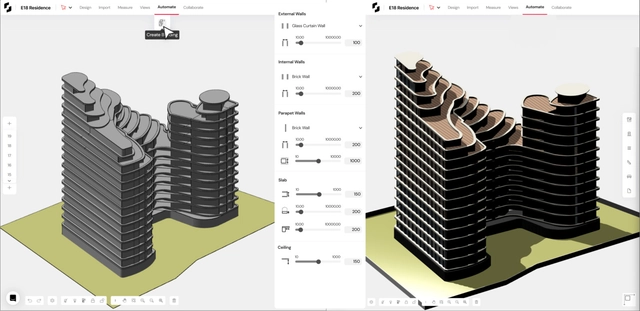
However, manually converting this tabular data from a spreadsheet to spatial data in your massing tool is incredibly tedious and time-consuming. Tools such as Snaptrude are designed to help architects iterate faster and make more informed design decisions.
Real-time rendering has revolutionized the world of architectural visualization, allowing designers to explore their ideas like never before. That's why we are proud to announce theEnscape 4 All Real-Time Rendering Awards, where we will honor the best real-time renders of the year.
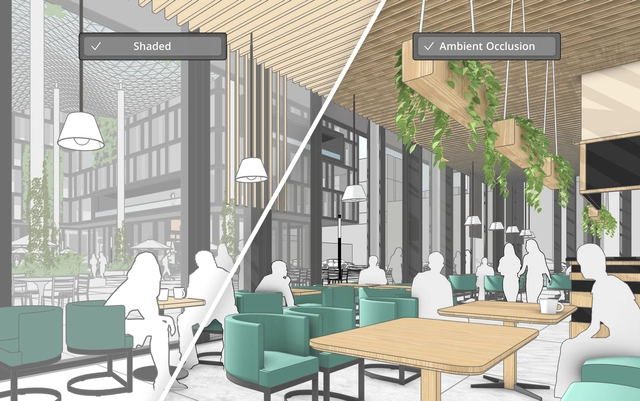
More realistic visuals and expedited as-built modeling workflows (directly on iPad with Scan-to-Design [Labs]) are part of the latest release of SketchUp architectural design software. The 2024 version includes performance upgrades to boost productivity, ranging from a new graphics engine to easier ways to share ideas with stakeholders.
In the ever-evolving realm of architectural design, the trajectory of visualization technologies is propelling us into a future where creativity knows no bounds. A number of new tools are at the forefront of this revolution, offering architects and designers new software that redefine the boundaries of architectural visualization. In this article, we delve into one of these tools, Eyecad VR, and its strengths, exploring how its real-time rendering, immersive experiences, virtual reality capabilities, and extensive 3D asset library are helping reshape the landscape of architectural design.
In the ever-evolving world of architectural visualization, Chaos Vantage is emerging as a valuable tool for architects, designers, and creative professionals who want to get a fresh, photorealistic perspective on their V-Ray projects in real-time. So, why should professionals consider exploring Chaos Vantage, in addition to the tools that already exist? This article will delve into its advantages, particularly in the realms of real-time, super-fast rendering, and photorealism.
Visualization and technology have long gone hand in hand. It is, after all, a means of representing architecture that has relied on technological developments to keep up with the demands of a growing audience across multiple industries. But the fact that the two are inseparable does not mean that technology should dictate the way in which visualization is used. As technology advances, so too does its ability to become less obtrusive, allowing technological know-how to take a back seat in favor of the creative process and design exploration.
The new version of Lumion has entered into a visualization landscape that has changed dramatically over the past decade. The pursuit of photorealism that dominated much of visualization’s technological development has, for the vast majority of its users, been largely accomplished. Effective visualization is now no longer an exception to the norm, but increasingly an expectation. As Remko Jacobs, Lumion Founder and Chief Technical Officer, explains, “photorealism is there, particularly when it comes to imaging the exterior of buildings. It’s much easier to make something that looks good.”
A new platform launched by 3D Agora is looking to revolutionize the architectural visualization industry by sweeping out all of its cluttered corners. Finding the most suitable 3D Artist for a project, exchanging large files of various kinds with them and keeping track of all versions, requests and changes are said to become much easier with 3D Agora's worldwide database, smart filtering system, feedback panel and the industry-specific project collaboration board.
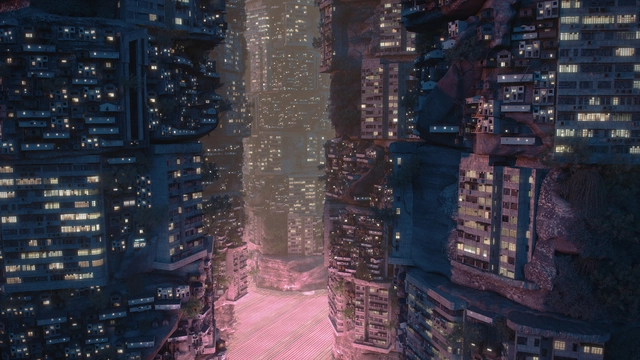
Liam Young is a speculative architect, product designer, and director who operates in the spaces between design, fiction, and futures. Young specializes in designing environments for the film and television industry, harboring the belief that creating imaginary worlds grants us the ability to connect emotionally to the ideas and challenges of our future.
Following the centuries of colonization, globalization, and never-ending economic extraction and expansionism, humans have remade the world from the scale of the cell to the tectonic plate. Young suggests in a TED Talk, “What if we radically reversed this planetary sprawl? What if we, as humans, reached a global consensus to retreat from our vast network of cities and entangled supply chains into one hyper-dense metropolis housing the entirety of the earth’s population?"
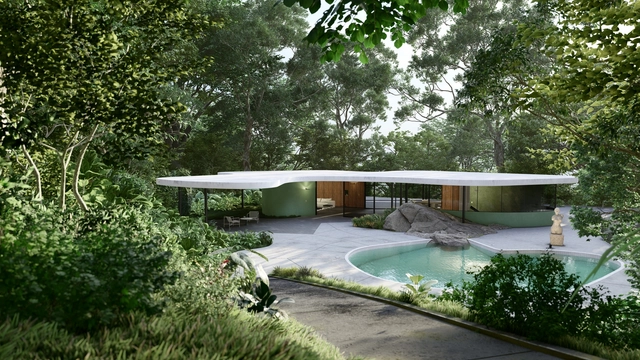
Real Time Rendering - Jury Winner. Exit by Ceren Arslen
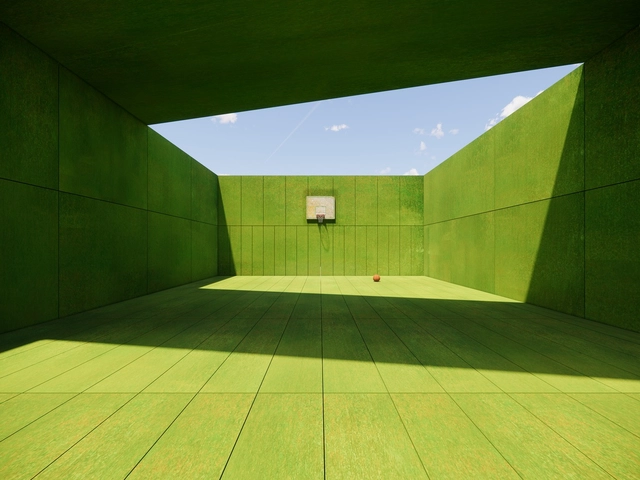
After 3 weeks of voting, the results are finally in. The ArchDaily Architectural Visualization Award has just selected the winners of its second edition. Out of visualizations submitted from all over the world, 8 winning images were chosen, two for each of the following categories: Exterior, Interior, Conceptual and Real-Time Rendering
The first stage of the Architectural Visualization Award has come to an end. 40 finalists, 10 from each category: Exterior, Interior, Conceptual and Real-Time Rendering were selected by the official ArchDaily jury.
Architectural visualizations have reached unthinkable levels, being a great source of inspiration and a fundamental part of the design process in architecture. This is why we are proud to announce the second edition of the ArchDaily Architecture Visualization Awards, where we will award the best of the year.
Architectural visualizations have reached unthinkable levels, being a great source of inspiration and a fundamental part of the design process in architecture. This is why we are proud to announce the second edition of the ArchDaily Architecture Visualization Awards, where we will award the best of the year.
For us, visualizations have become a powerful tool that has helped us to think without limits about the design of our future cities, buildings, and structures. This is one of the reasons why we decided to launch this competition: to find the best talent from around the world and discover who is setting trends with their work and aesthetics, helping us to visualize the future of architecture. For this new edition, in the spirit of being at the forefront of architectural visualization, we have partnered with Enscape. To explore the latest in real-time rendering.
Stairs in architecture are oftentimes a design focal point- the heavyhandedness in creating something that moves us from one level to the next, up and down repeatedly, something so simple and familiar with a twist is what makes the experience of traversing a stair so unique. Our obsession with stairs and the level of illusion that they create in architecture perhaps stems from the way that they’re able to twist the optics and perceptions of space. We understand that they transport us in one direction or another, but can stairs ever be circular? Is it possible to go up and down for eternity?
Years ago, architects made the move from hand-drawn plans to CAD. The time they saved and efficiencies they gained transformed the industry. Today, you’ll be hard-pressed to find an architect that solely works using the traditional pen-and-paper methods. That digital shift has continued to develop.
From Epic Games' Build: Architecture 2021. Image Courtesy of Zaha Hadid Architects
Epic Games operates one of the world’s largest games, Fortnite, and also develops Unreal Engine, the most advanced real-time 3D creation tool that powers Fortnite and is used in industries beyond games. Over the last few years, more professionals in architecture and related fields are using Unreal Engine to bring stunning, photorealistic worlds to life.
In an exclusive interview with ArchDaily, David Weir-McCall, Architecture Industry Marketing Manager at Epic Games, shares his insights on the use of digital technology, such as the likes of Unreal Engine, for collaboration and co-design within the field of architecture, engineering, and construction.











.jpg?1653074176&format=webp&width=640&height=580)