Alejandro Peral
BROWSE ALL FROM THIS PHOTOGRAPHER HERE
↓
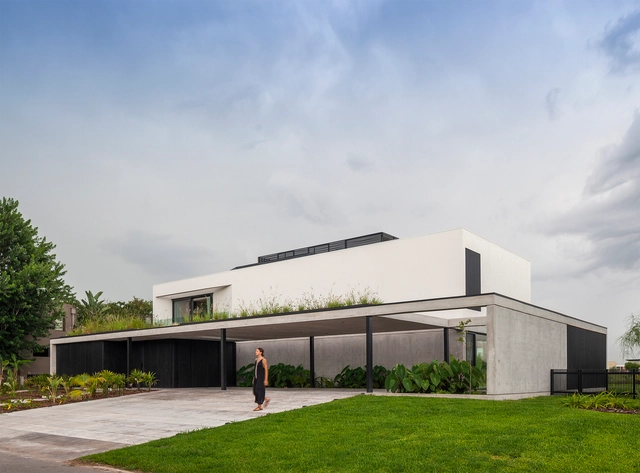
GJ House / Estudio GMARQ


https://www.archdaily.com/1063270/gj-house-estudio-gmarqValeria Silva
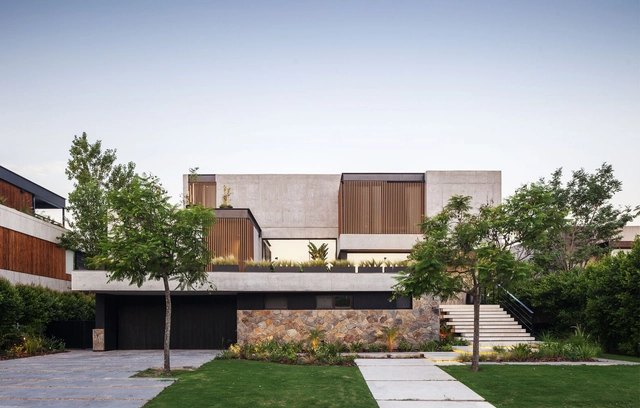


Argentine Residential Architecture: 15 Houses Organized Around Interior Courtyards

Courtyards are open-air areas located inside buildings, with their perimeters defined by walls or galleries. These outdoor yet contained spaces often play a crucial role in configuring and organizing the floor plan. In some cases, they function as a central lung, organizing the surrounding spaces along their perimeter. They can also be designed to organize circulation flows or as articulating elements, simultaneously connecting and separating different areas of the project.
https://www.archdaily.com/1123646/argentine-residential-architecture-15-houses-organized-around-interior-courtyardsBelén Maiztegui
Permeability and lightness in perforated metal facades
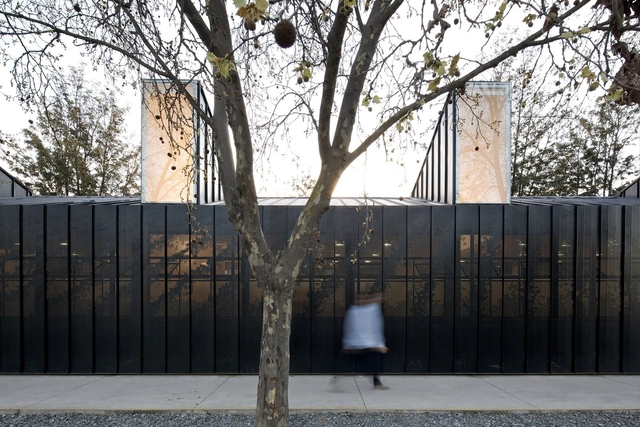
The New York firm Diller Scofidio + Renfro (DS+R) gained worldwide attention in 2002 with the Blur Building, designed for that year's Swiss Expo. The volume was formed by 35,000 high-pressure nozzles that sprayed water from the lake below, creating a massive artificial cloud. Its shape, boundaries, colors, and translucency shifted with the sun and wind, offering visitors an immersive experience as they entered a fully permeable volume. Ten years later, Carla Juaçaba and Bia Lessa designed Humanidade2012 for the Rio+20 United Nations Conference, where several programmatic volumes were arranged within a massive scaffolding structure. With more voids than solids, its edges dematerialized into the sky, and at night the volumes appeared to float. According to the architects, “the very movement of people through the building turned visitors into exhibits when seen from afar.” Despite differences in scale and context, both temporary projects succeed in working with notions of translucency, lightness, the dissolution of boundaries, and movement.
https://www.archdaily.com/1124288/permeability-and-lightness-in-perforated-metal-facadesEduardo Souza
The 50 Best Houses of 2023
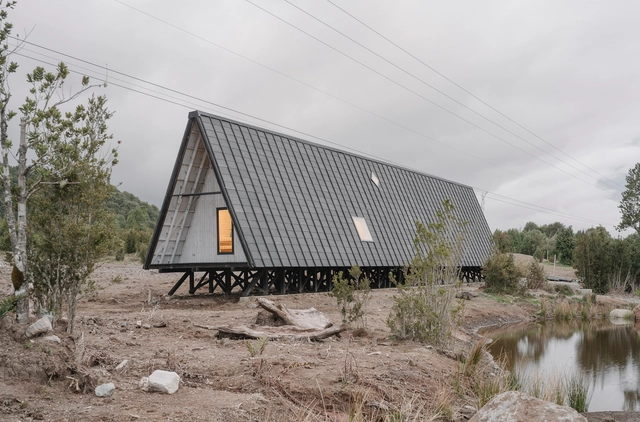
ArchDaily's curatorial team strives every day to present our readers with the most significant, inspiring, and innovative projects, while also ensuring a diverse representation of global architecture.
As part of our 2023 Year in Review retrospective on ArchDaily, we look back and reflect on what was published over the past year. Residential architecture remains one of our most visited categories of built projects, generating immense interest among our users worldwide. With this in mind, we have selected the 50 best houses published this year on ArchDaily en Español, offering a brief showcase of the form and character of residential architecture across the Spanish-speaking world.


https://www.archdaily.com/1136164/the-50-best-houses-of-2023Benjamin Zapico
Water House / remyarchitects
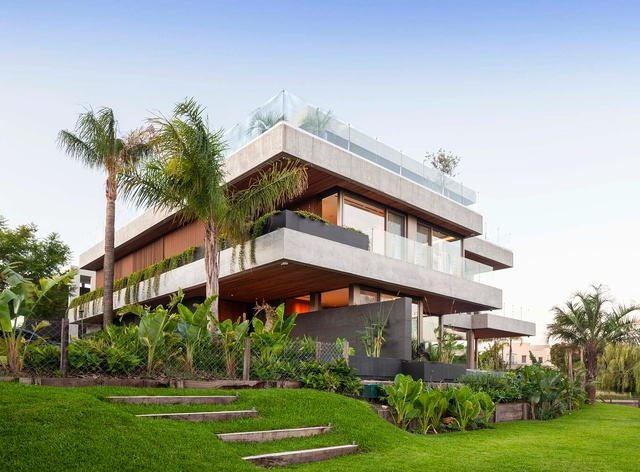


https://www.archdaily.com/1026886/water-house-remyarchitectsAndreas Luco
Magnolia House / Estudio PK
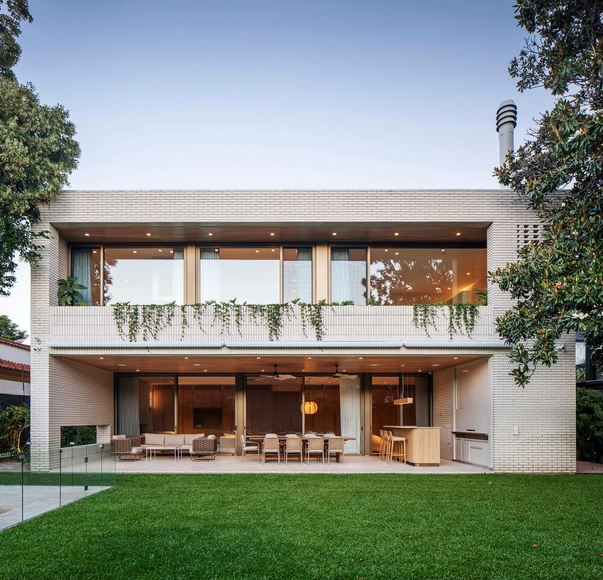


https://www.archdaily.com/1065832/magnolia-house-estudio-pkPilar Caballero
Chilling House / Estudio MC Arquitectos
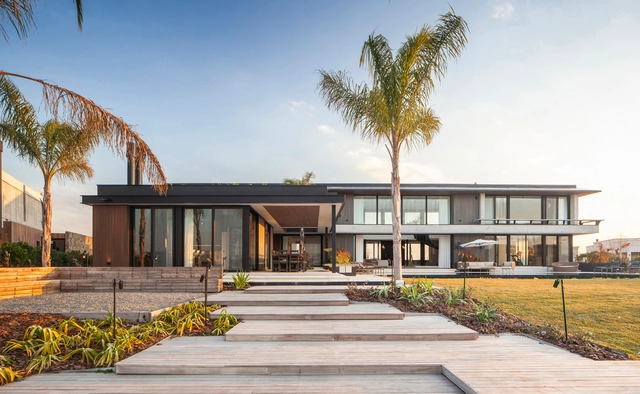


-
Architects: Estudio MC Arquitectos
- Area: 1100 m²
- Year: 2023
-
Manufacturers: Daikin, SBG
https://www.archdaily.com/1067586/chilling-house-estudio-mc-arquitectosValeria Silva
Zetta House / remyarchitects
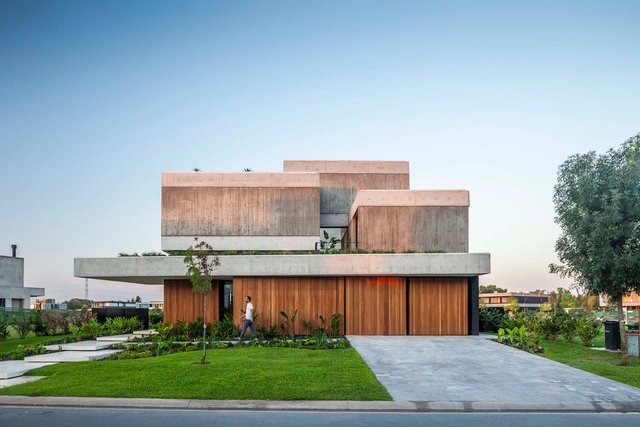


https://www.archdaily.com/1028406/zetta-house-remyarchitectsAndreas Luco
Casa Boating / remyarchitects
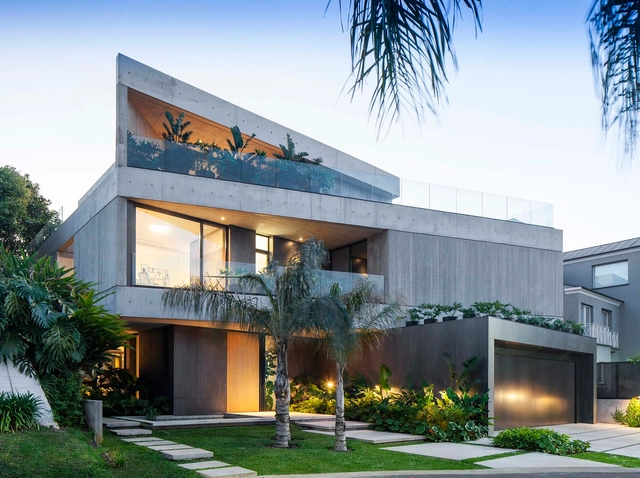


https://www.archdaily.com/1029385/casa-boating-remyarchitectsAndreas Luco
Casa WEIP / ZIM arquitextura
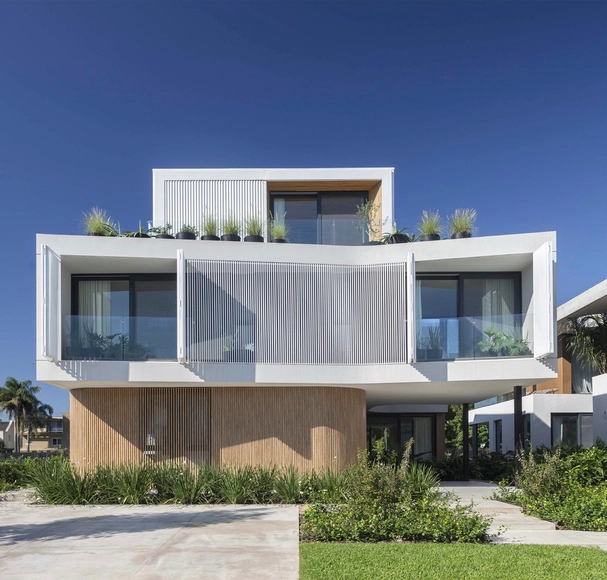


-
Architects: ZIM arquitextura
- Area: 522 m²
- Year: 2024
-
Manufacturers: BY LOLI LOBO, CGS ARGENTINA, CLARA BILLOCH ESTUDIO, Deine Kuche
https://www.archdaily.com/1030528/casa-weip-zim-arquitexturaAndreas Luco
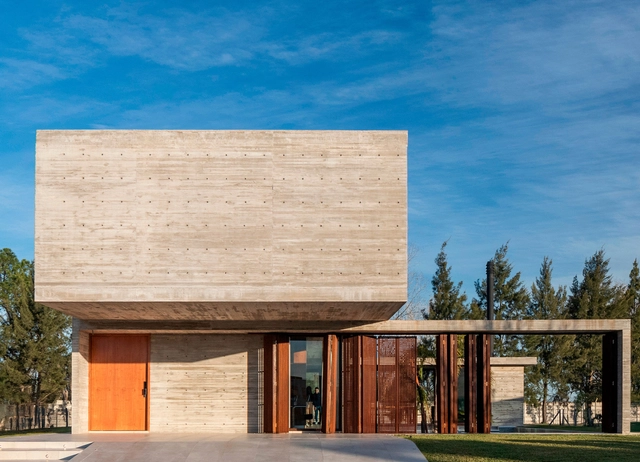


Sena House / remyarchitects
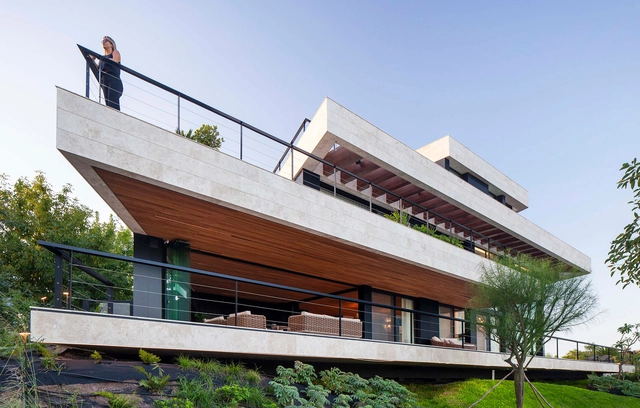


-
Architects: remyarchitects
- Area: 1200 m²
- Year: 2024
https://www.archdaily.com/1022573/sena-house-remyarchitectsValeria Silva
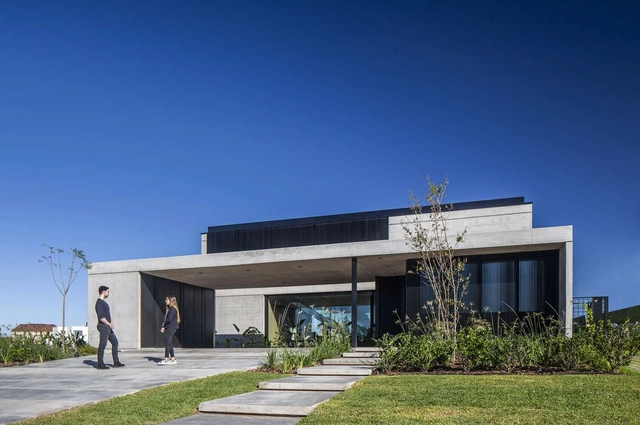
Casa Felix / Estudio GMARQ


https://www.archdaily.com/1022351/casa-felix-estudio-gmarqAndreas Luco
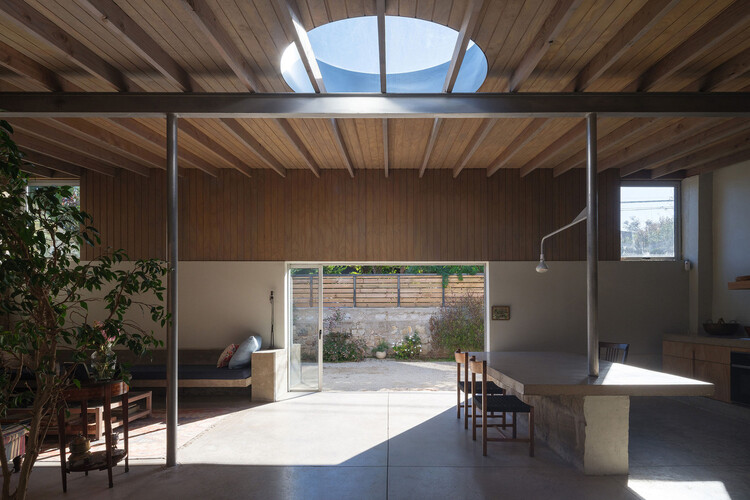
Environmental Comfort as an Interior Condition in South American Architecture

Across South America, environmental comfort is understood not as an interior condition, but as one shaped through space. In regions marked by heat, humidity, intense sunlight, and seasonal variation, architecture has long relied on spatial decisions to moderate climate and support daily life. Comfort emerges from how interiors are opened, shaded, ventilated, and inhabited over time.
Rather than isolating interior spaces from their surroundings, many contemporary projects across the region cultivate comfort through depth, porosity, and intermediate zones. Light is filtered rather than maximized, air is guided through aligned openings and voids, and thresholds become active spaces of use rather than residual edges. These strategies do not seek uniform environmental control, but produce interiors that remain temperate, adaptable, and closely attuned to changing climatic conditions. In this context, environmental comfort becomes inseparable from spatial experience.


https://www.archdaily.com/1038025/environmental-comfort-as-an-interior-condition-in-south-american-architectureDaniela Andino
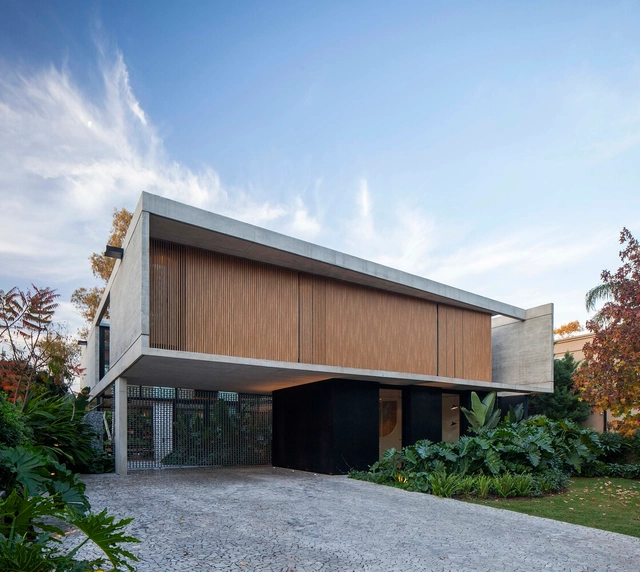
Oval House / Jorgelina Tortorici & Asociados + Nicolás Lanza


https://www.archdaily.com/1022638/oval-house-jorgelina-tortorici-and-asociados-plus-nicolas-lanzaPilar Caballero
Artist Studios and Creative Workspaces: 8 Latin American Projects that Blend Work, Living, and Exhibition Spaces
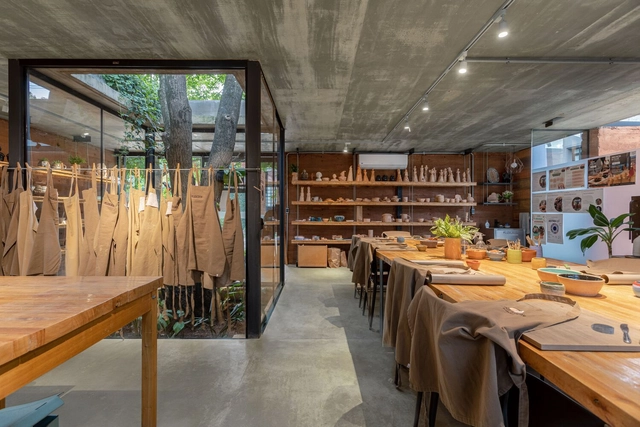
In recent years, working from home has become increasingly common, creating a need for domestic spaces that accommodate both professional and personal life. This is especially true for artists, where the integration of living and working spaces is essential. Often, these spaces must also serve as areas for exhibiting artistic production, such as paintings, sculptures, ceramics, and more.
This fusion of work and living environments has influenced architectural and interior design trends, prioritizing flexibility, multifunctionality, and aesthetics that foster both creativity and comfort. Open-plan layouts, modular furniture, and adaptable lighting solutions are now key elements in designs that support the seamless coexistence of work and personal life.


https://www.archdaily.com/1026607/artist-studios-and-creative-workspaces-8-latin-american-projects-that-blend-work-living-and-exhibition-spacesPaula Pintos
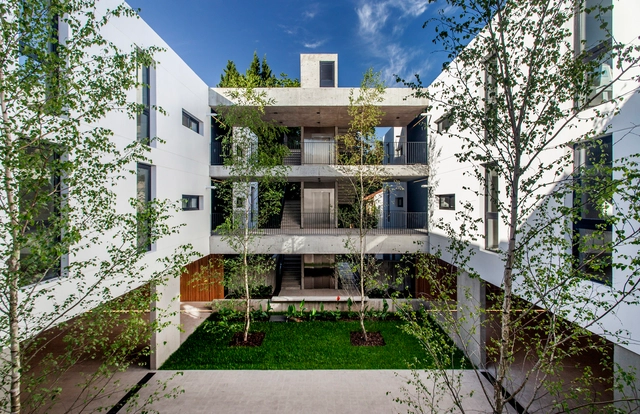
Alvear AV Residence / Estudio V2 Arquitectos


https://www.archdaily.com/1023815/alvear-av-residence-estudio-v2-arquitectosAndreas Luco