Charles Darwin's theory of natural selection sought to explain the origin and survival of species on the planet. In short, it points out that the fittest organism survives and can reproduce itself, perpetuating useful variations for each species in a given place. Adaptation is, therefore, a characteristic that favors the survival of individuals in a context. In the construction world, we could draw some parallels. Could adaptation be an important quality to increase the useful life and efficiency of a building over time, considering the changes and demands of society, as well as technologies and lifestyles?
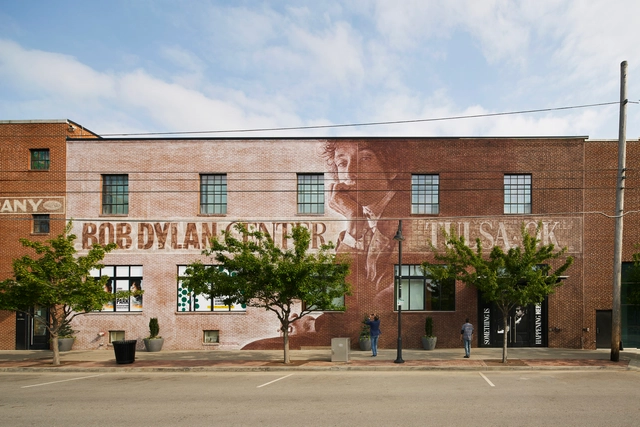
Olson Kundig has announced the opening of its new Bob Dylan Center, a warehouse-turned-museum that gives visitors exclusive access to the cultural treasures found in The Bob Dylan Archive®. Led by design principal Alan Maskin, the center showcases Bob Dylan's worldwide cultural significance, featuring a collection of more than 100,000 items spanning nearly 60 years of Dylan’s career, from handwritten manuscripts and correspondence, to films, videos, artwork, and original studio recordings.
OMA /Jason Long revealed its latest adaptive reuse project in Detroit, transforming a former bakery and warehouse into mixed-use art, education and community space. Developed in collaboration with Library Street Collective, the project provides new headquarters for two local non-profits, PASC and Signal-Return, while creating a mix of artist studios, galleries, community-serving retail and gathering spaces. Dubbed “LANTERN”, the development is set to become an “activity condenser.”
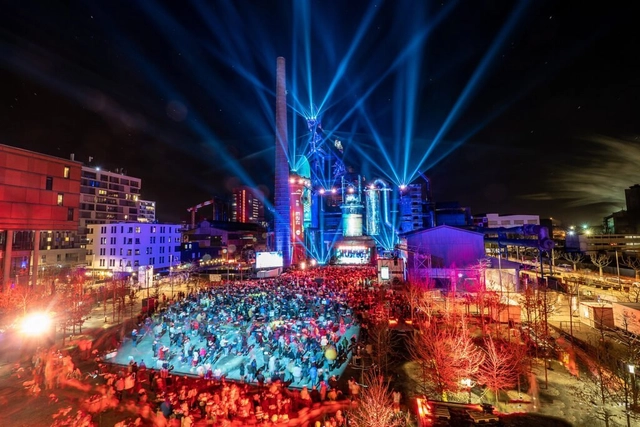
For quaint riverfront views, historical fortifications, and castles, head to Luxembourg. For sky-high remnants of the steel industry, there’s the country’s second largest city, Esch-sur-Alzette. Suffering, until recently, from the 1970’s steel manufacturing exodus, Esch, 10 miles to the northeast of the border of France, is emerging as an unexpected cultural mecca, where industrial infrastructure is being converted en masse into cultural and learning space. This rebirth is being celebrated thanks to a generous flow of cash via its designation as Esch2022: Esch-sur-Alzette European Capital of Culture 2022 (Kaunas, Lithuania and Novi Sad, Serbia, also named European Capital of Cultures this year, share the designation for 2022). For Esch, the title comes with $54.8 million in funds from EU, national, local, and private sources.
As the city continues to evolve and transform, dead edges in the cityscape begin to emerge, subsequently reducing the level of activity in our built environment. These 'dead edges' refer to the areas that lack active engagement, they remain empty and deprived of people, since they no longer present themselves as useful or appealing. As the Covid-19 pandemic draws to an ultimate close, the first issue we may face post-pandemic is to revive our urban environment. A kiss of life into a tired and outdated cityscape...
The focal element in creating an active and healthy urban environment is by increasing vitality through placemaking. Creating diverse and interesting places to reside, thrive, and work. Here are five regenerative strategies that animate the cityscape and ultimately produce resilient, attractive, and flexible environments.
In this powerful new visual from Spirit of Space, we are introduced to Ricardo Bofill’s headquarters ‘The Factory’ or La Fábrica, Taller de Arquitectura. Once a disused and decaying cement factory from the turn of the century, with 30 silos, machine room, and galleries, it is now a significant transformative project, satisfying the Architect's longing for space via adaptive reuse.
A haven in the urban sprawl, engulfed by a floury of palm, olive, and eucalyptus trees. Spirit of Space visits the former hive of activity, now a tranquil mid-city refuge, an immense contrast to the industrial grime that used to reside here. Through moving pictures and multi-sensory experiences it explores the Brutalist form; a concrete shell… a skeleton intertwined with nature itself.
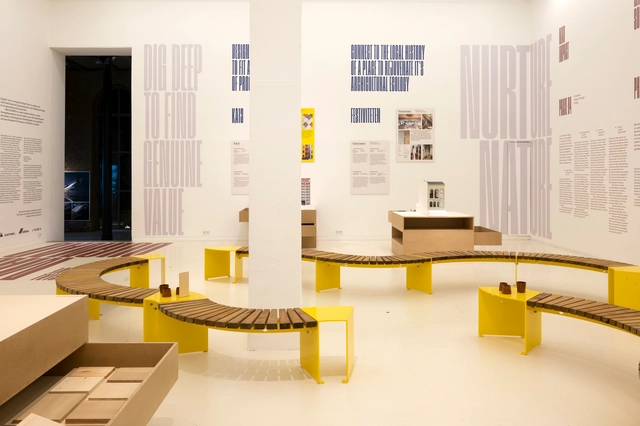
In a new exhibition at AEDES Architecture Forum in Berlin, Norwegian architecture firm Mad arkitekter showcases four examples of sustainable architecture, stressing the importance of collaboration and cross-disciplinary for achieving climate goals. On view through until March 10, Mad About Dugnad – Work Together, Build Better echoes the Norwegian tradition of "dugnad", which refers to community solidarity towards achieving a common goal, a key concept in creating solutions for a sustainable future.
California, as with most American states, has a housing crisis. Unlike the rest of the country, it is actually working to ameliorate the situation, with private and public initiatives that critics can’t help but label inadequate. The Bay Area made accessory dwelling units legal by changing zoning laws, but that has hardly made a dent. Some cities are now pushing for additional upzoning to give developers more room to bring new buildings to market at lower rents. There are all sorts of studies, university sponsored or underwritten by the industry, that recommend more-or-less radical fixes for a seemingly unfixable problem. Environmentalists are naturally cast as villains because they don’t condone greenfield developments. And Californians are tough on their elected officials, as the current governor learned last year.
https://www.archdaily.com/975506/new-construction-is-not-always-the-answerMark Alan Hewitt
Over the past year, established practices have continued to champion the transformation of existing structures, with adaptive reuse and renovations increasingly becoming a defining aspect of contemporary architecture From the renovation of landmark structures to the adaptive reuse of obsolete facilities, the idea of giving new life to existing buildings has been embraced as the premise for a more sustainable practice, but also as a means of reinforcing the urban and cultural identity of cities. Discover 8 designs and recently completed projects that showcase a new common practice of reusing existing building stock.
Adaptive reuse is the sustainable face of architecture. This visionary process of architectural alchemy allows cities to thrive and remain relevant, without forgetting their past.
The dawn of the Anthropocene has thrown the idea of adaptive reuse into the limelight: effectively the pinnacle of urban regeneration and revitalization. It utilizes the presence of existing buildings with historic and cultural value and re-purposes them to be functional. Essentially a form of architectural salvage; a sustainable and viable means of rebuilding.
Recent events such as the pandemic has highlighted inequalities in our cityscape, the inadequate segments in a state of disuse and disrepair. Adaptive reuse can replenish these areas and create new cultural hotspots, encouraging activity and creating vibrant and healthy mixed-use environments.
Below is a diverse selection of cultural hotspots using Adaptive Reuse
It's not uncommon to see housing complexes integrate commercial spaces at the ground level, but the challenge of mediating between the private and public realm on a smaller scale, especially with the rise of the home office, has forced architects to explore all aspects of the structure, from the topography it sits on, to the direction of light and wind, to the design and organization the domestic space. This interior focus explores different design solutions that show how architects and interior designers transformed their projects from a living space into a mixed-use typology, taking into account privacy, flexibility, functionality, and predefined spatial requirements.
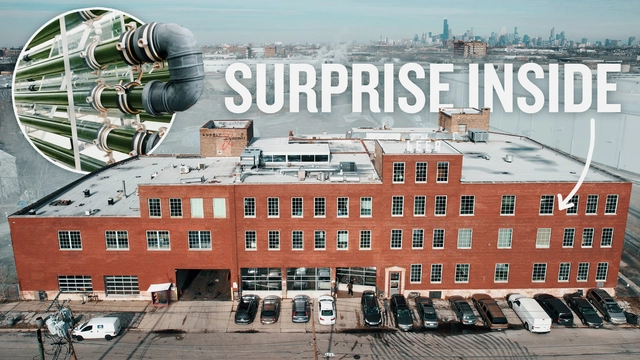
Adaptive Reuse is an important aspect of managing a sustainable existence. Buildings contain massive amounts of embodied energy and the more we can adapt and repurpose them, the better. Buildings are also repositories of collective memories and histories. As we modify them, these layer in new and interesting ways. This video explores the topic through the case study of ‘The Plant,’ a food incubator in Chicago housed within a former pork processing facility. The building’s location and existing infrastructure made it a perfect candidate for its new purpose. John Edel, the founder of the Plant, has also made every effort to showcase the building’s history and to honor its heritage throughout the process of adaptation.
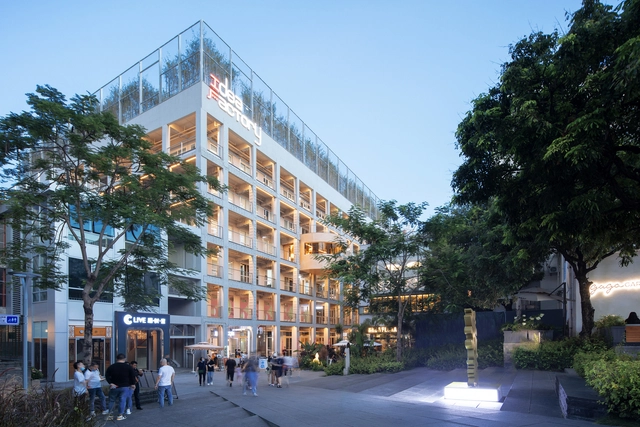
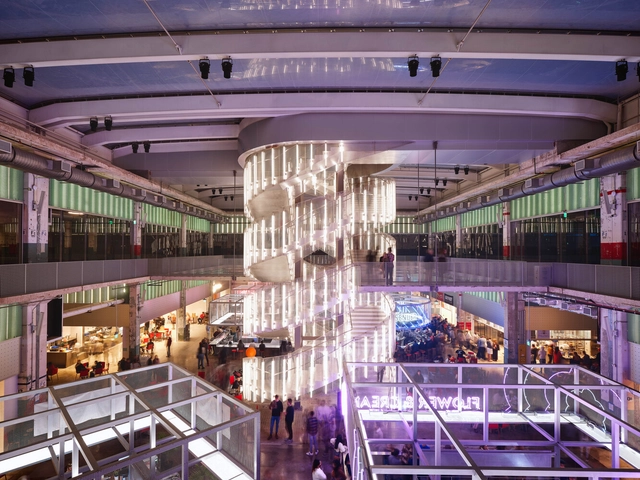
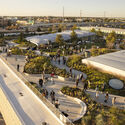
MVRDV has recently completed the Idea Factory, transforming a disused factory into a creative hub with an important community-oriented focus. Located in Shenzhen's urban village of Nantou, the adaptive reuse project refurbishes the existing structure to accommodate offices while adding a new layer of public space. The latter takes the form of a rooftop bamboo landscape packed with activities and amenities that provides a new leisure space for the historically disadvantaged neighbourhood.
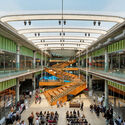
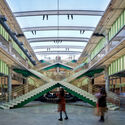
The first phase of the POST Houston redevelopment project is nearing completion, and the finished areas are now open to the public. Through adaptive reuse and precise interventions, Jason Long and OMA New York have transformed the historic Post Office mail sorting warehouse into a new public destination and cultural venue for Houston, featuring a diverse collection of programs meant to evolve and adapt to the needs of the city.
















.jpg?1645540015 "La Fábrica, Ricardo Bofill Taller de Arquitectura. Image Courtesy of Ricardo Bofill")
.jpg?1645655249 "Courtesy of Ricardo Bofill")
_%C2%A9_Richard_Powers.jpg?1645655222 "La Fábrica, Ricardo Bofill Taller de Arquitectura. Image © Richard Powers")
.jpg?1645655255 "Courtesy of Ricardo Bofill")