-
Architects: Bent Architecture
- Area: 184 m²
- Year: 2020
-
Manufacturers: Sculptform, Academy Tiles, Australian Hydronics, Beacon Lighting, Brightgreen, +23
-
Professionals: MTO Engineers P/L


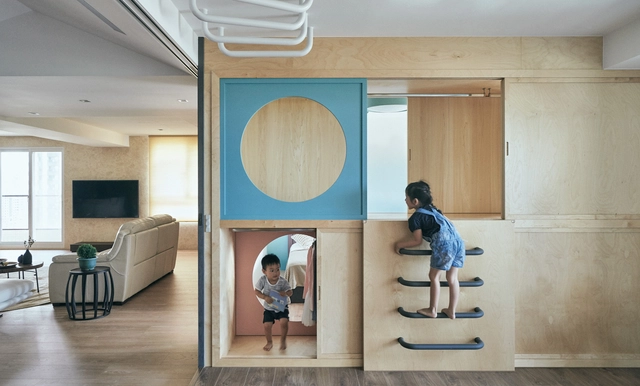
Maria Montessori began to develop her educational method at the beginning of the 20th century. In general terms, the method is a scientific pedagogy that promotes an education that positively contributes to the development of children's brains, respecting their individuality and stimulating their autonomy, self-esteem, and self-confidence.
Although the method was created in the last century, science is currently beginning to test much of the information investigated by Maria Montessori. For this reason, it is increasingly being applied to architecture for children’s educational spaces, improving the quality of children's learning and development and providing them with better tools for their future lives.
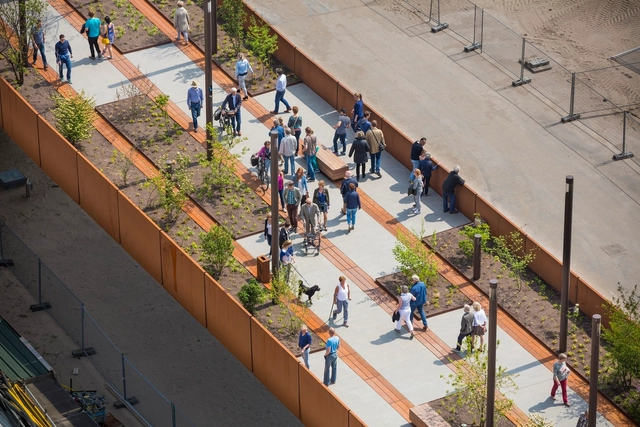
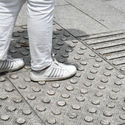
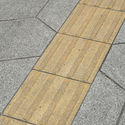
Accessibility is one of the most important considerations in architecture, ensuring that the built environment caters to people of all abilities. However, popular conceptions of what disability and accessibility look like remain limited, and often encompass only physically disabled people such as wheelchair users. Among architectural designers especially, it is common to visualize accessibility as adding ramps, wide corridors, and elevators. However, disability can take many different forms, some less visible than others; accordingly, accessibility in architecture means much more than accommodating just wheelchair users. For the visually impaired, incorporating specific tactile elements in architecture and urban design can vastly improve the navigability of a foreign space. In this article, we talk about tactile paving specifically, including its different forms, its history, and its means of implementation.
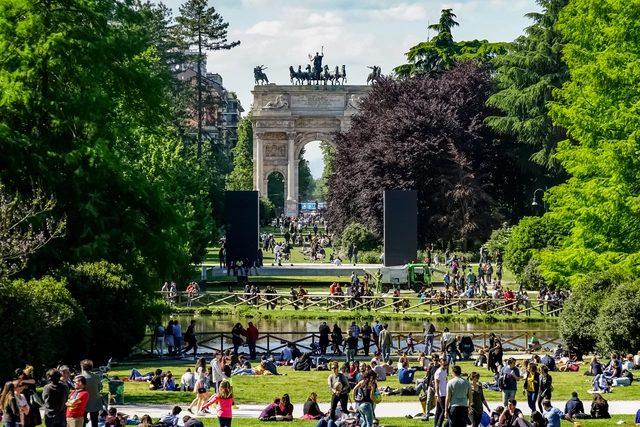
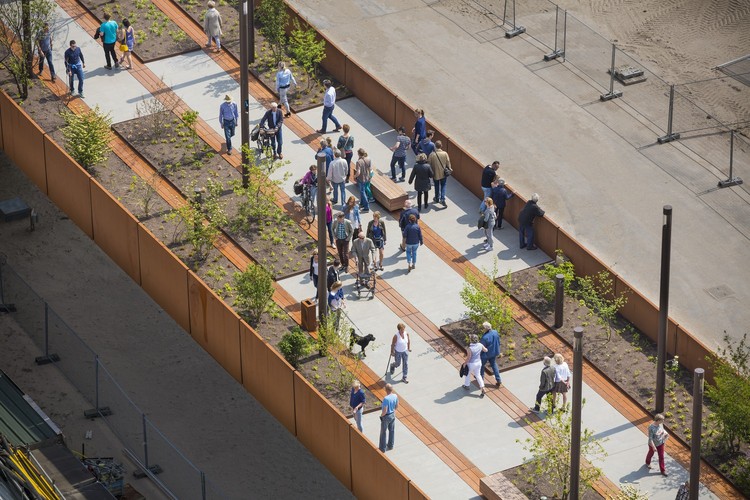
Systematica has just released a case study on access to green areas and the public realm in the city of Milan. Focusing on the availability of these gathering spaces for residents, the research, particularly relevant in this time of the pandemic, also highlights open and not crowded public spaces, convenient for a safe social life.
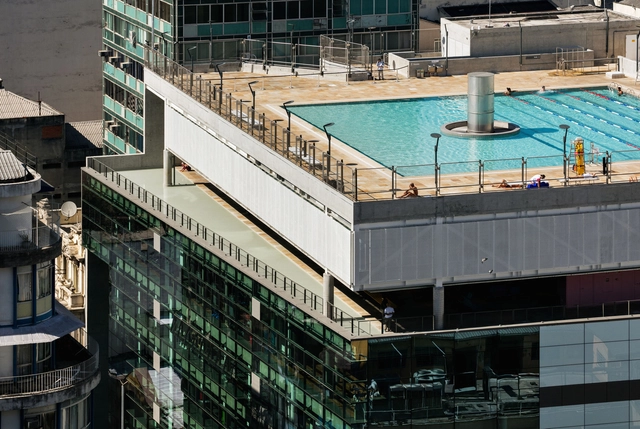
Accessibility is often approached as a field related to disability, whether physical or mental. When it comes to architectural design, it always comes up as a peripheral consideration of the project and not as something fundamental. However, there are other barriers.
In this edition of Editor's Talk, editors from ArchDaily Brazil share their thoughts on what they understand as accessibility and whether it's possible to create a neutral architecture.

As the trend of migration from rural to urban areas continues, it is estimated that by 2050, one billion people with disabilities will live in cities. Many of these urban centers, with cores dating back hundreds or even thousands of years, are currently ill-equipped to respond to this demand. There is, therefore, an immediate challenge for architects, urban planners, and city officials to address the inaccessibility of historic cities, from uneven cobblestones to narrow, stepped alleys, creating an urban realm that offers universal mobility without detracting from their historic charm.
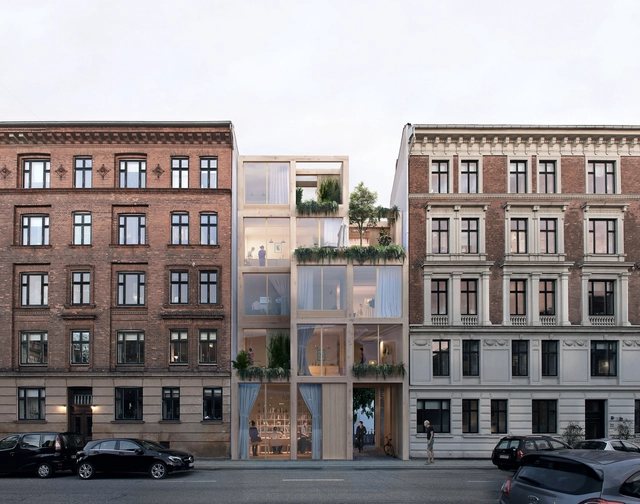
Major cities are facing major crises. The United Nations estimates that by 2050, almost one billion people with disabilities will live in cities, representing 15% of total city dwellers. With urban landscapes awash with inaccessible subways, shops, and bathrooms, the UN has declared that poor accessibility represents a major challenge for cities. At the same time, most cities around the world are struggling to provide safe, respectable, affordable housing for their citizens, with rent accounting for more than 50% of some incomes. The World Economic Forum recently warned that “a world in which only a few can afford housing is not sustainable.”

With a very bold and pioneering move, the UK for the first time is prioritizing cyclists and pedestrians. The city is making pressures on skyscrapers by issuing new rules on the design of the high-rises in order to prevent the creation of wind tunnels.
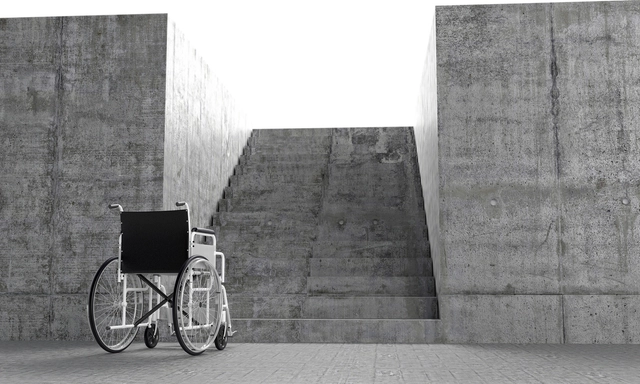
When famed architect Michael Graves contracted a mysterious virus in 2003, a new chapter in his life began. Paralyzed from the chest down, the pioneer of Postmodernism would be permanently required to use a wheelchair. Graves could have been forgiven for believing that having fought for his life, having been treated in eight hospitals and four rehab clinics, and needing permanent use of a wheelchair, that his most influential days as an architect were behind him. This was not the case. To the contrary, he would use this new circumstance to design trend-setting hospitals, rehab centers, and other typologies right up to his death in 2015, all with a new-found awareness of the everyday realities of those in wheelchairs, and what architects were, and were not doing, to aid their quality of life.
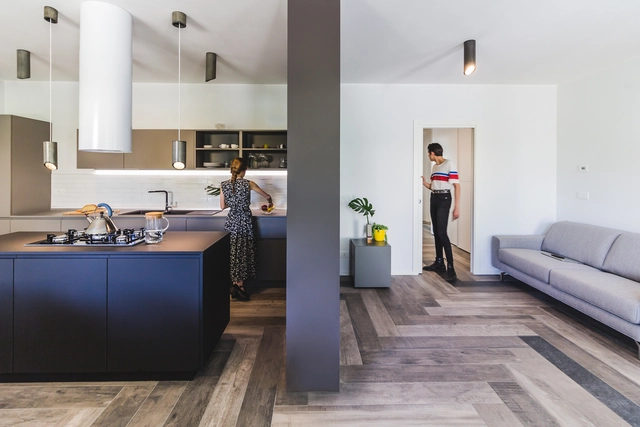
The design of spaces for people with visual disabilities is an important issue when it comes to talking about accessibility. Architects who adopt the principles of universal design understand that the needs of a blind client are the same as those of all people.
Inclusive design is vital in order for all users to be able to develop comfortably and to correctly understand the various functions of a space. Given the need for our cities to promote integration, we present three exemplary projects for a blind user; a house, a building and a public space.

In architectural spheres, “accessibility” is often directed at the end-user, and the imperative act of designing spaces, buildings, and entire cities along the principles of “universal design.” An increasingly central aspect of architecture, spurred by legislation such as the 1990 Americans with Disabilities Act (ADA), the ethos of accessible architecture was well captured by architect Ronald Mace, quoted in a 1997 New York Times editorial asking “if we’re not designing for human beings, who are we designing for? Let’s design all things, all the time, for everyone. It’s where we’re headed.”
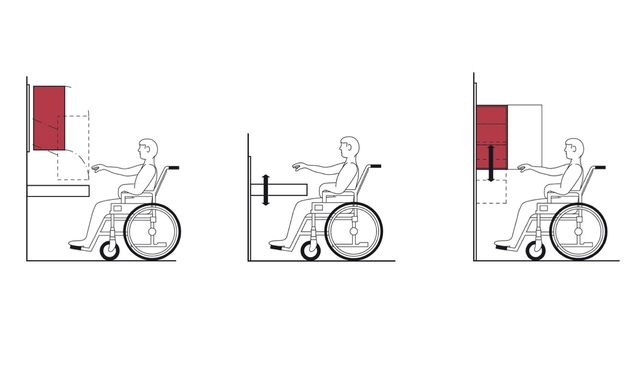
Universal accessibility in architecture refers to the capacity that all people have to access and inhabit a space regardless of their cognitive and physical capacities, and it is a subject that cannot be dismissed. Although little modifications can make a difference, it is ideal for the spaces to be thought out according to universal design guidelines from the beginning.
In the case of the kitchens, a series of new technologies that increase the comfort and efficiency of our daily spaces have made an appearance. Thus, multiplying its functions and allowing better use of the available surface. Let's take a look at the latest innovations presented by Häfele.
Architects' general ignorance about the needs and requirements of people with special needs is worrisome. Beyond complying with mandatory regulations (different in each country), the quality of life for different-abled people depends on specific and daily factors that go beyond a railing or a ramp, and are often left in the hands of professionals who have never dealt with such issues.
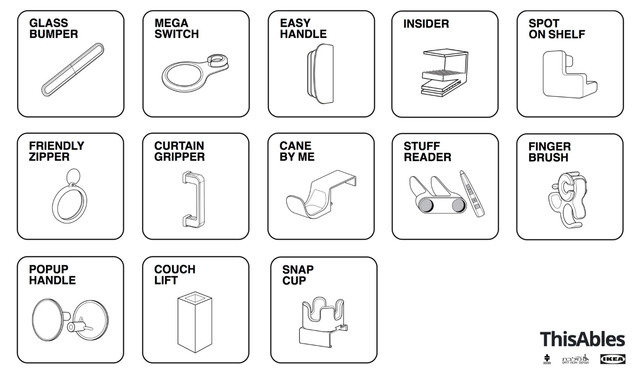
This Ables, a project developed by IKEA and the non-profit organizations Milbat and Access Israel, provides an excellent resource for how to create an equitable design in the smallest and simplest of details. From door handles that are can be opened with a forearm to a couch lift that enables users to sit down and get up easily, these 13 products are available to the general public on ThisAbles.com. Some products can even be 3D-printed independently.
See the video below for more details of the project.
This article was originally published on Common Edge as " Why Architects Still Struggle With Disability Requirements 28 Years After Passage of the ADA".
The recent death of President George H.W. Bush occasioned assessments of his administration’s legislative achievements, one of which was the far-ranging Americans with Disabilities Act (ADA), a civil rights act signed into law in 1990. The law included accommodations for people with disabilities in buildings. In the ensuing decades the ADA has had a significant impact on the design and construction of the built environment in the U.S. To gauge the impact of ADA, how it has evolved, common misconceptions about ADA, and its role in promoting social equity in architecture, I spoke with Peter Stratton, Senior Vice President and Managing Director of Accessibility Services at Steven Winter Associates, who works with architects and others in the construction industry on the application of the ADA design standards. (I worked at the Connecticut-based Winter firm between 1996 and 2006; Stratton was a colleague.)

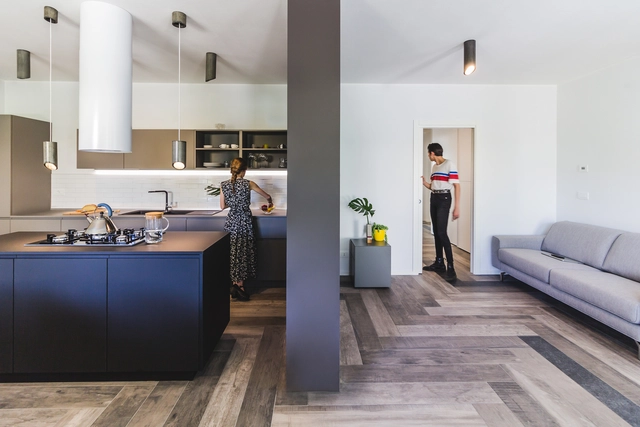
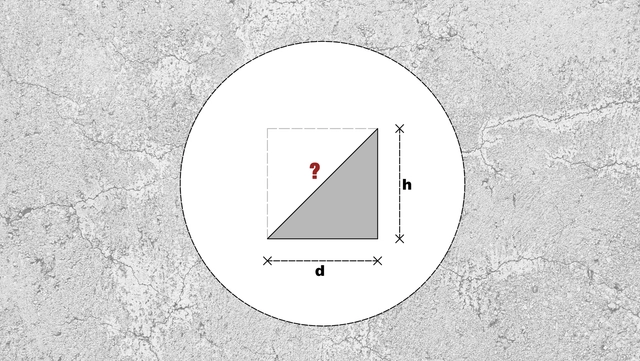
We already know that the ramp, aside from its different design possibilities, allows—without forgetting the notion of promenade architecturale—its users to overcome physical barriers in the urban and architectural context.
Although it basically consists of a continuous surface with a particular angle of slope, it is necessary to point out the many constructive specifications, which of course may vary due based on the standards of different governing bodies. The following clarifications are intended to assist and determine the appropriate dimensions for comfortable and efficient ramps for all, based on the concept of universal accessibility.
To what extent can the slope of a ramp be modified? How can we determine its width and the space needed for maneuvering? What considerations exist regarding the handrails? Here we review some calculations and design examples for different ramps, below.
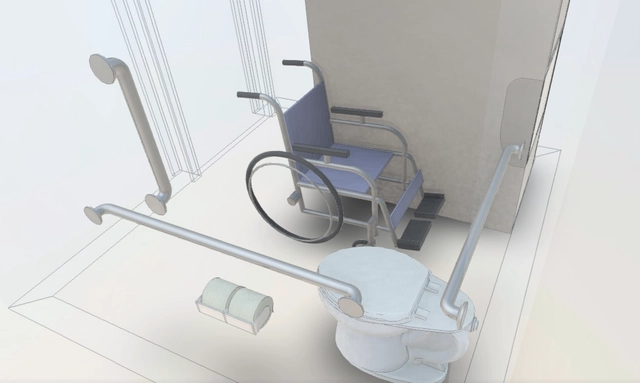
As the profession becomes more aware of the variety of users who will use their architectural creations it is necessary to consider certain basic rules. In the end, the idea is that a building or space can be used comfortably, effectively and (if necessary) quickly by all users. Today the use of BIM technology encourages the incorporation of pre-modeled products in projects, which facilitates the processes. However, if pre-modeled products are not inclusively designed, there is an increased possibility of overlooking these accessible considerations–especially when their architects have no experience or are unaware of accessible design guidelines.
Bradley Corporation USA, a manufacturer of plumbing fixtures and bathroom accessories, has developed standard models of bathrooms for people with disabilities, delivering the basic requirements that must be incorporated according to the guidelines specified by organizations such as the ADA and the ANSI. Below we present an example of an accessible bathroom for a single person, incorporating, among other things, a touchless handwashing sink (all-in-one: soap, water, and hand dryer) and a series of safety bars. Before including it in your project, don't forget to check the local regulations of your country/region.