Sydney. Bilbao. Nouméa? They are cities recognized, popularized, and revitalized by a single foreign intervention of modern architecture. The phenomenon by which this occurs, often dubbed the “Bilbao Effect” in reference to Frank Gehry’s iconic museum, is one of the most fascinating and sought-after contributions of modern architecture to economic development.
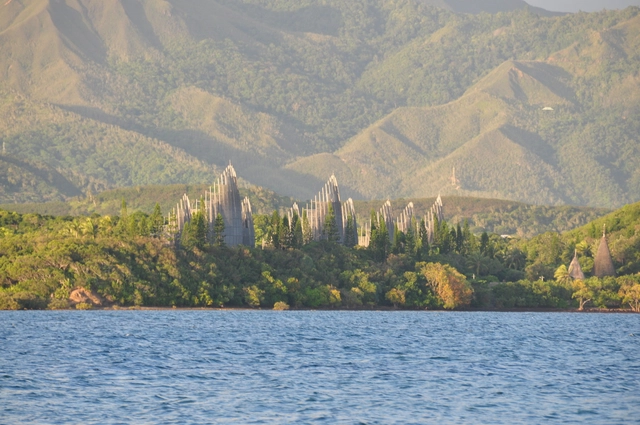
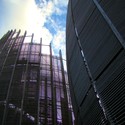
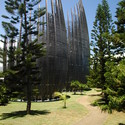
The latter of these locations—the capital of the Pacific island cluster of New Caledonia—may seem a misfit on this list to those who have still not heard of it, now sixteen years after the completion of Renzo Piano’s Tjibaou Cultural Center, but it most certainly is not: the transformative economic effect of this project on the city of Nouméa has been no less dramatic than that of any opera house or museum of greater renown. Since the Center's completion, New Caledonia has found itself in the international architectural spotlight, as the graceful, ephemeral design of the building's iconic shells has brought fame and business in equal parts to its island and to Piano’s firm.
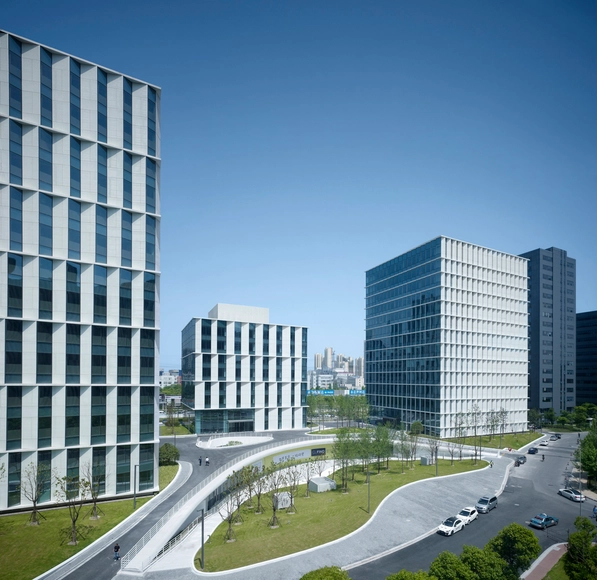
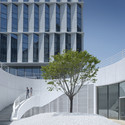
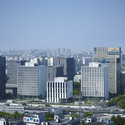
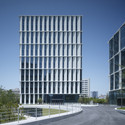
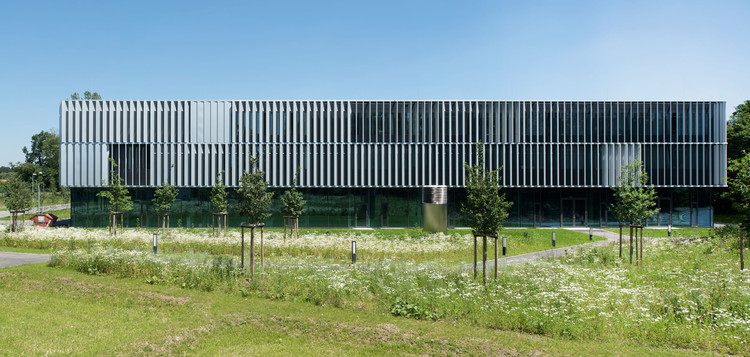
Ennead Architects has designed a new research and development community for Shanghai. Located on the city's western edge, as part of a new district being planned around one of Shanghai’s largest future public parks, Taopu Sci-Tech City will be a vibrant and well connected research district that engages its context by establishing a multilayered pedestrian network.
“Our design goal was to create something greater than a single building; our goal was to create a memorable and connected civic district,” said Peter Schubert, a partner at Ennead International.






.jpg?1438388067&format=webp&width=640&height=580)








.jpg?1438656856 "© Shin Do Keun")

.jpg?1438656874 "© Shin Do Keun")
.jpg?1410204566 "© Flickr user Eustaquio")
















.jpg?1438387233 "© Young Chae Park")
.jpg?1438387361 "© Young Chae Park")
.jpg?1438386944 "© Young Chae Park")
.jpg?1438387398 "© Young Chae Park")
.jpg?1438388067)