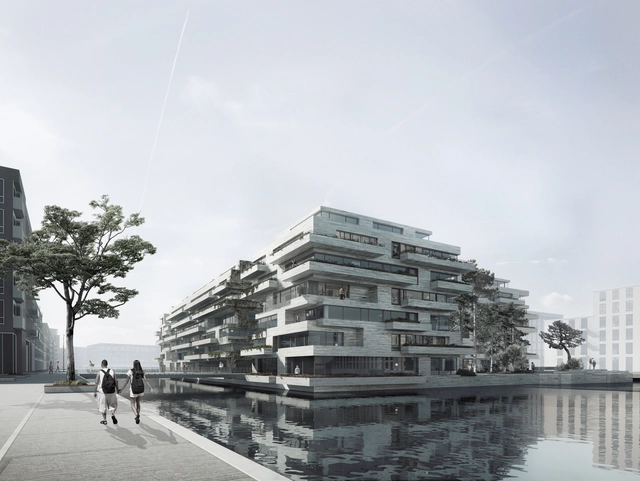
Courtesy of COBE, Vilhelm Lauritzen Architects and Sted
Danish firm Vilhelm Lauritzen Architects has lead a team comprised of COBE, Sted, and Rambøll in the design of a brand new island in Copenhagen's harbor. Situated in the Kronløb water basin in Nordhavn, the monolithic presence of the Kronløb Island references the geological processes by which the topography of Denmark was formed. The floating new district will include parking facilities, housing, and public spaces.
“The annals say: when the monks of Clonmacnoise / Were all at prayers inside the oratory / A ship appeared above them in the air. / The anchor dragged along behind so deep / It hooked itself into the altar rails.”[1]
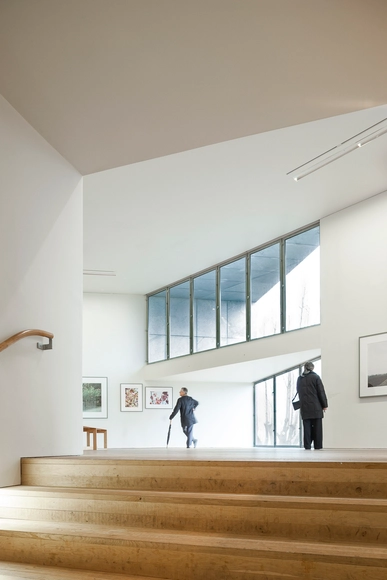
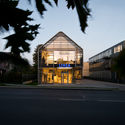
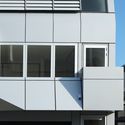
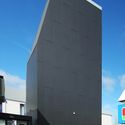
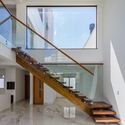
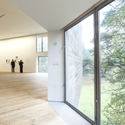
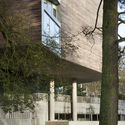
These words by Irish poet Seamus Heaney have had a profound impact on the work of architects Sheila O’Donnell and John Tuomey, who cited the poem as one of their inspirations for the Glucksman Gallery – an exhibition space commissioned by the University of Cork in the early millennium. Named for its patron Lewis Glucksman (a Wall Street trader and philanthropist), the Glucksman Gallery was completed in 2005 and nominated for the Stirling Prize that same year. Thanks to its outstanding site-specific design, the building has since become one of the most celebrated works of contemporary Irish architecture.
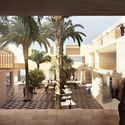
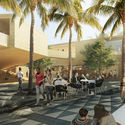
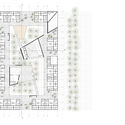
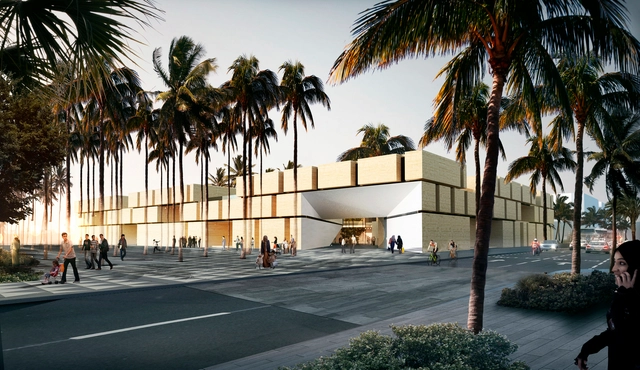
Urban Agency and OUALALOU+CHOI have drawn heavily from local inspiration for the design of a new adult education center in south-west Morocco. The isolated site is set against a harsh environmental backdrop, and in response the proposal only uses 10 000 of the allocated 22 000 square meters to create a compact building centered around an internal courtyard. This will allow it to be expanded upon in the future, as the building fulfills its intent as a world class education facility.
The project uses the traditional "Medersa" (first universities) as precedent, incorporating a dynamic internal courtyard and a simple exterior envelope. The Medersa, known for their "social, cultural and climatic ingenuity," not only foster communal activity in their internal spaces but are protected from harsh sun, winds and sandstorms, creating a climatically controlled interior zone.





.jpg?1473802221&format=webp&width=640&height=580)
_Alexandra_Kononchenko_(3).jpg?1473641008&format=webp&width=640&height=580)































.jpg?1473802221)


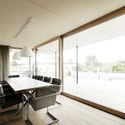
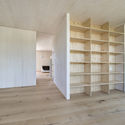

_Alexandra_Kononchenko_(4).jpg?1473641179 "© Alexandra Kononchenko/EASA")
_Miguel_Angel_Maure_Blesa_(3).jpg?1473641073 "© Alexandra Kononchenko/EASA")
_Alexandra_Kononchenko_(6).jpg?1473641131 "© Alexandra Kononchenko/EASA")
_Alexandra_Kononchenko.jpg?1473641032 "© Alexandra Kononchenko/EASA")
_Alexandra_Kononchenko_(3).jpg?1473641008)