
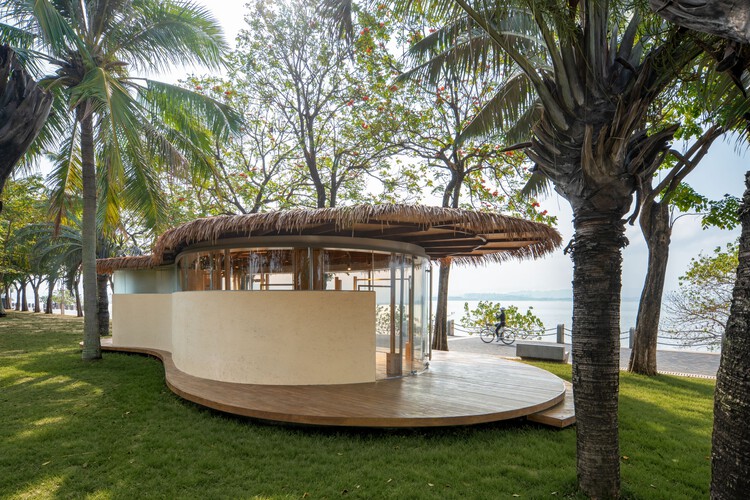
A Leaf Canopy by the Sea / Studio 10


https://www.archdaily.com/1183655/a-leaf-canopy-by-the-sea-studio-10韩爽 - HAN Shuang
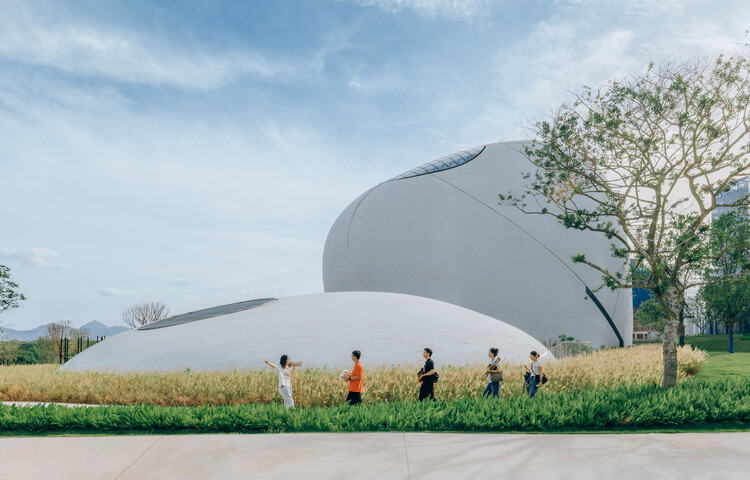
MAD Completes Shenzhen Bay Culture Square, a Coastal Design Museum and Public Park in China

MAD / Ma Yansong's Shenzhen Bay Culture Square exhibition hall and park project began in 2018, with the project completed in 2020. The 188,000 m² building sits on a site area of approximately 51,000 m² along the city's waterfront, at the heart of Houhai, Nanshan District, the headquarters hub of Shenzhen's Greater Bay Area. The masterplan for the site, which includes the Creative Design Hall, the Shenzhen Science and Technology Museum, and a vast public green space, was announced by MAD in 2020 and was expected to be completed in 2023. After eight years, the project, led by Ma Yansong, Dang Qun, and Yosuke Hayano, is now complete and is intended to serve as a cultural facility for design and cultural exchange.


https://www.archdaily.com/1182207/mad-completes-shenzhen-bay-culture-square-a-coastal-design-museum-and-public-park-in-chinaAntonia Piñeiro
UK’s 2018 Civic Trust Awards Announced! Tsinghua Ocean Center Designed by OPEN Architecture Wins
.jpg?1520927101&format=webp&width=640&height=580)
On the morning of March 10, 2018 (Beijing time), at the 2018 Civic Trust Awards ceremony held at Manchester's iconic Old Trafford stadium (home of Manchester United),
Established in the UK in 1959, this prestigious award is highly regarded,
https://www.archdaily.com/1113669/uks-2018-civic-trust-awards-announced-tsinghua-ocean-center-designed-by-open-architecture-wins韩爽 - HAN Shuang
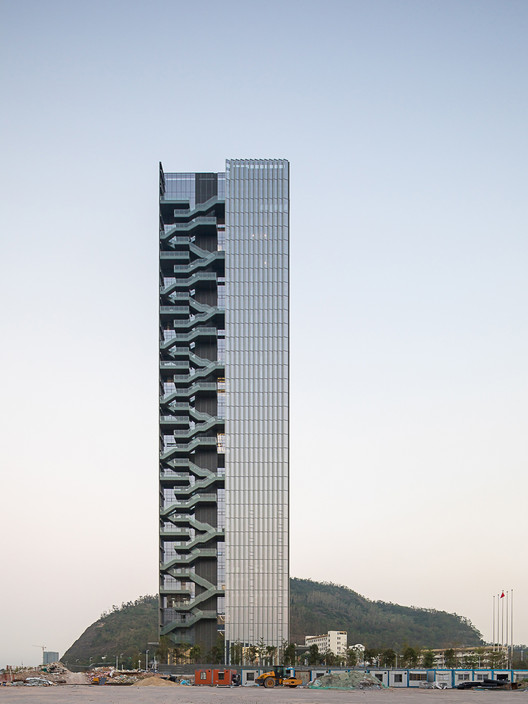
Shenzhen Nankai Building / Cube Design


https://www.archdaily.com/1082943/shenzhen-nankai-building-cube-design舒岳康 - SHU Yuekang
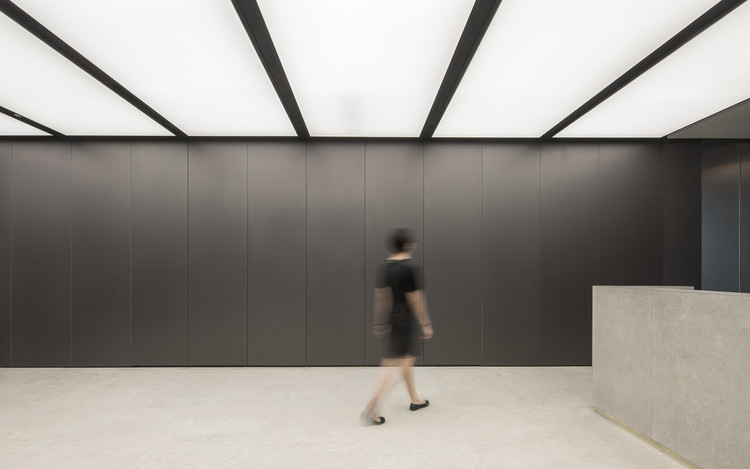
Zhanbo Investment Interior Design / Jing Studio


https://www.archdaily.com/1082952/zhanbo-investment-interior-design-jing-studio舒岳康 - SHU Yuekang
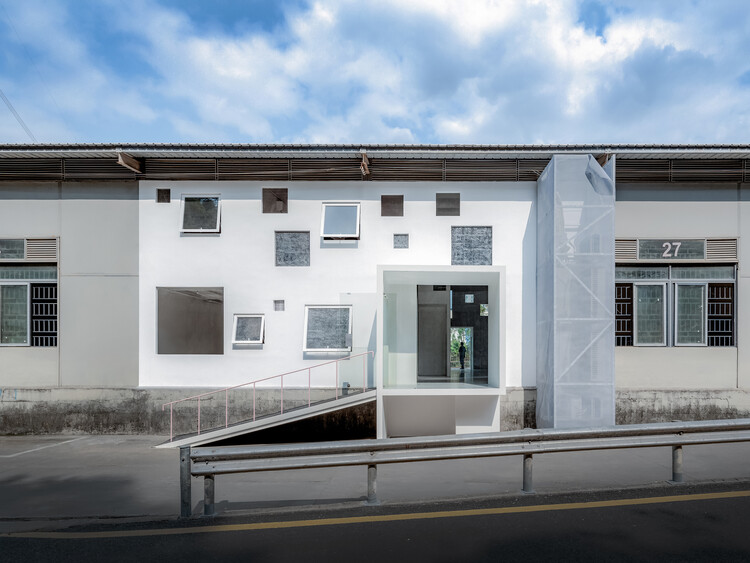
Apelron Contemporary / Aether Architects + Archigress


-
Architects: Aether Architects, Archigress
- Area: 320 m²
- Year: 2026
https://www.archdaily.com/1041614/apelron-contemporary-aether-architects-plus-archigress韩爽
Leisure Architecture: 13 Projects Shaping Togetherness Across Generations

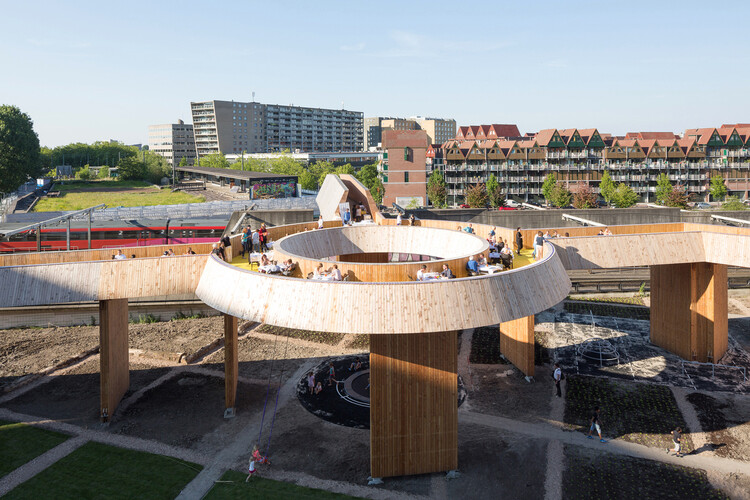
Leisure spaces are often where different generations cross paths. Without formal programs or assigned roles, they allow people to move, pause, and remain together, each engaging space in their own way. In a built environment increasingly shaped by specialization and separation, these shared spatial grounds have become less common, giving leisure-oriented architecture a renewed relevance.
Discussions around public space have repeatedly pointed to the value of openness and flexibility in supporting collective life. Reflecting on how people read, inhabit, and adapt space, Architect Herman Hertzberger speaks of architecture not as a set of instructions, but as a framework of possibilities—one that invites interpretation rather than prescribing behavior. As he puts it, "what we should make in architecture is something like competence, possibility – something that people can freely handle in their own way." Rather than attempting to create interaction, architecture shapes the conditions that make togetherness possible.


https://www.archdaily.com/1037475/leisure-architecture-13-projects-shaping-togetherness-across-generationsDaniela Andino
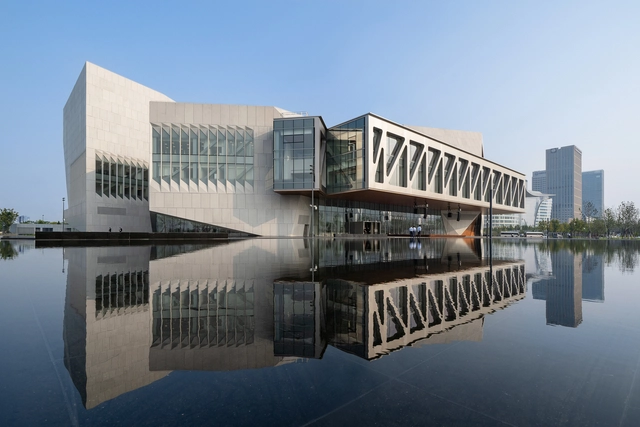
Tianjin Juilliard School / Diller Scofidio + Renfro


-
Architects: Diller Scofidio + Renfro
- Area: 32500 m²
- Year: 2021
-
Manufacturers: Parklex Prodema
-
Professionals: Tillotson Design Associates, Hargreaves Jones, Jaffe Holden Acoustics
https://www.archdaily.com/960166/tianjin-juilliard-school-diller-scofidio-plus-renfroPaula Pintos
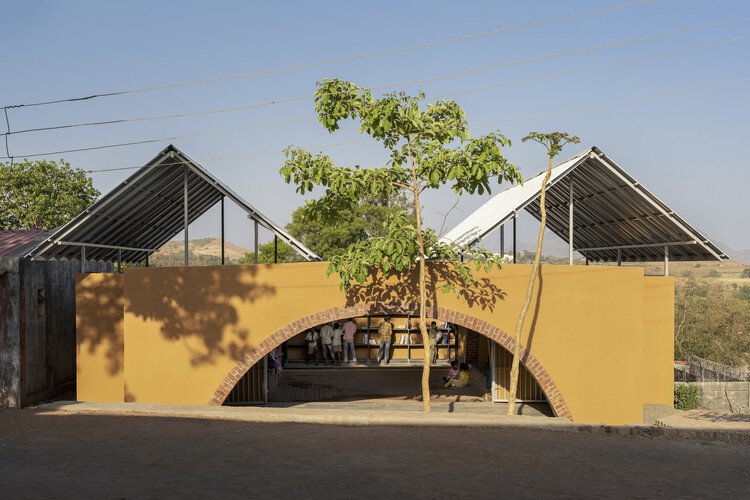
Time-Space to Read, Gather, and Care: 7 Community Libraries in Remote and Peripheral Settings
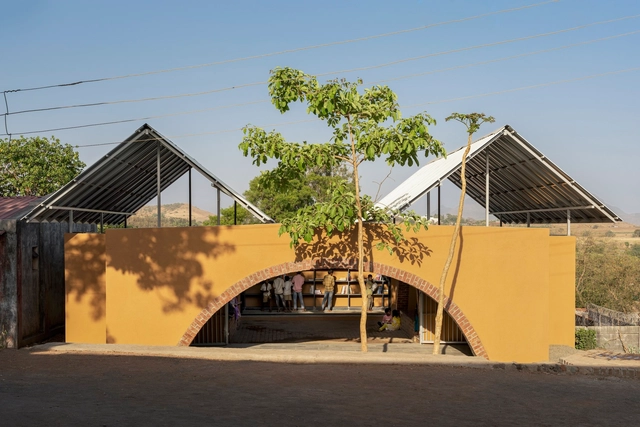
In many parts of the world, remoteness is not only defined by distance. It may describe a mountain settlement far from infrastructure or an urban and suburban neighborhood on the margins of visibility and opportunity. Across these diverse contexts, the library has been one of the most vital typologies—a space where architecture embodies the modes of accessibility, inclusivity, and community care.


https://www.archdaily.com/1035559/time-space-to-read-gather-and-care-7-community-libraries-in-remote-and-peripheral-settingsMiwa Negoro
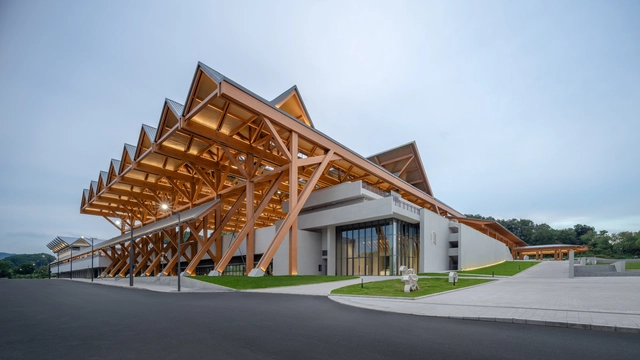
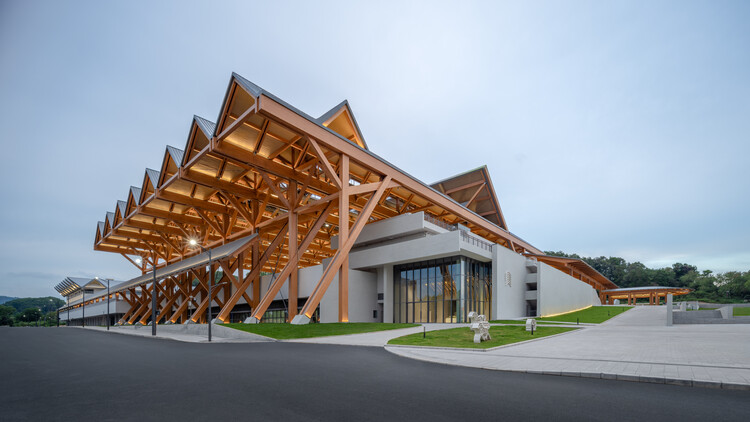
Shenzhen Guangming International Equestrian Center / Tanghua Architects


https://www.archdaily.com/1033509/shenzhen-guangming-international-equestrian-center-tanghua-architectsPilar Caballero
Courtyardism: A Vision for a More Balanced Urban Future in the Greater Bay Area by Wang Weijen Architecture
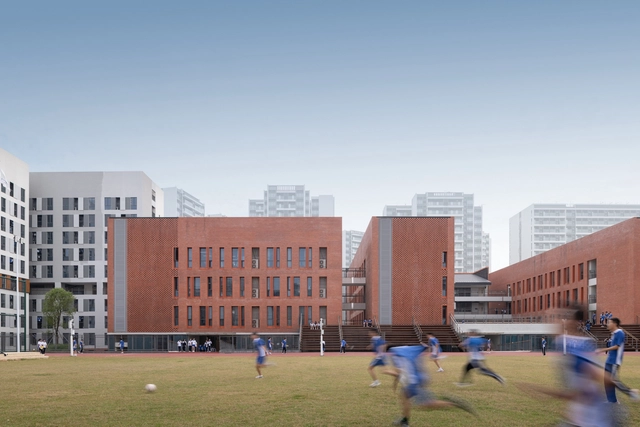
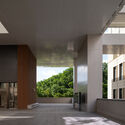
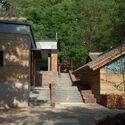
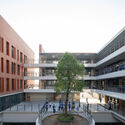
Situated in one of the fastest-developing regions over the past decade—the southern part of China, including Hong Kong and the Greater Bay Area—urban growth has been driven by an overwhelming wave of commercial ambition. Projects here are often designed for maximum density, height, and efficiency, resulting in developments of enormous scale that can easily span several acres. Prioritizing transit-oriented development, these complexes frequently take the form of sprawling malls built directly above major transportation hubs. Designed to disorient and prolong foot traffic to encourage economic activities, these mega-structures have become commonplace in cities like Hong Kong and Shenzhen.
While this typology of megastructures offers clear advantages—economic efficiency, high development returns, and convenience for transit users—it almost invariably ignores its urban context and environment. These developments often turn a blind eye, deliberately so, to their environmental footprint and the city's walkability. At such overwhelming scales, the human walking experience is diminished, if not outright neglected. Pedestrians become interiorized—trapped within the insulated world of these complexes.


https://www.archdaily.com/1031397/courtyardism-a-vision-for-a-more-balanced-urban-future-in-the-greater-bay-area-by-wang-weijen-architectureJonathan Yeung
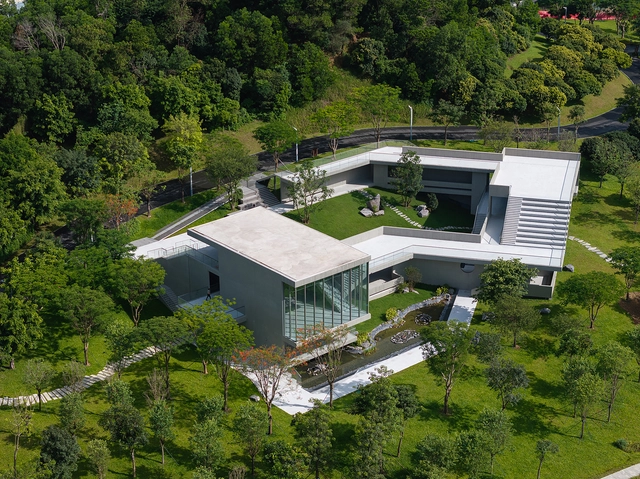
Sunshine Loft and Moon Pavilion / NODE Achitecture & Urbanism


-
Architects: NODE Achitecture & Urbanism
- Area: 833 m²
- Year: 2024
https://www.archdaily.com/1025200/sunshine-loft-and-moon-pavilion-node-achitecture-and-urbanism韩爽
Qiaochengbei Park Visitor Center / Atelier XI
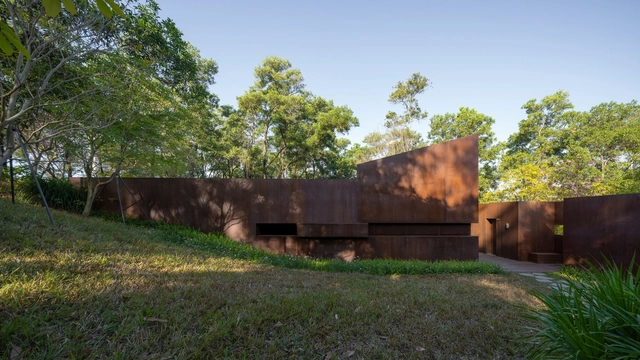


-
Architects: Atelier XI
- Area: 467 m²
- Year: 2023
-
Manufacturers: An Steel, Dasso, Formica
https://www.archdaily.com/1019607/qiaochengbei-park-visitor-center-atelier-xiAndreas Luco
The Qinghuayuan Intergenerational Community Center Renovation / ATELIER XI
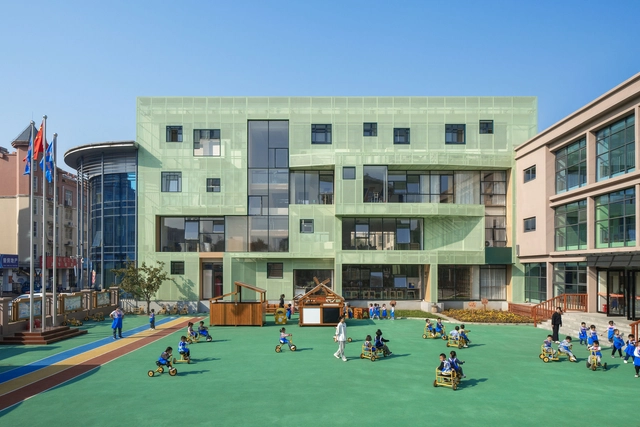


-
Architects: ATELIER XI
- Area: 2000 m²
- Year: 2023
-
Manufacturers: Chuangwei, Nippon Paint, Xixiang
-
Professionals: Pengsen Construction
https://www.archdaily.com/1016307/the-qinghuayuan-intergenerational-community-center-renovation-atelier-xiPilar Caballero
Soft Square in Changshou Village / ZXD Architects
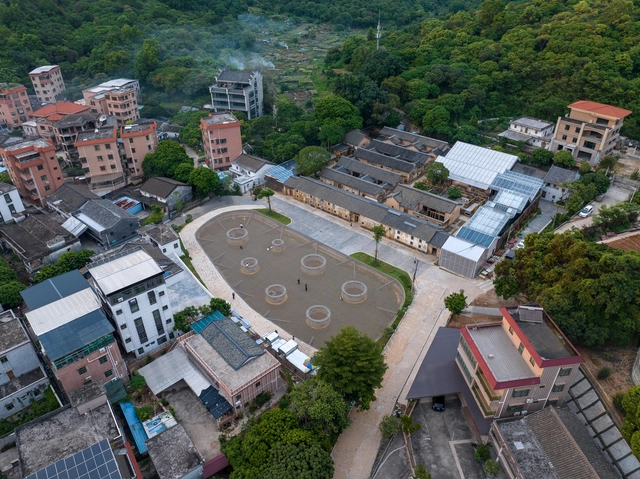


https://www.archdaily.com/1020235/soft-square-in-changshou-village-zxd-architectsValeria Silva
Xin'an Haibei Kindergarten Renovation / Atelier Diagonal
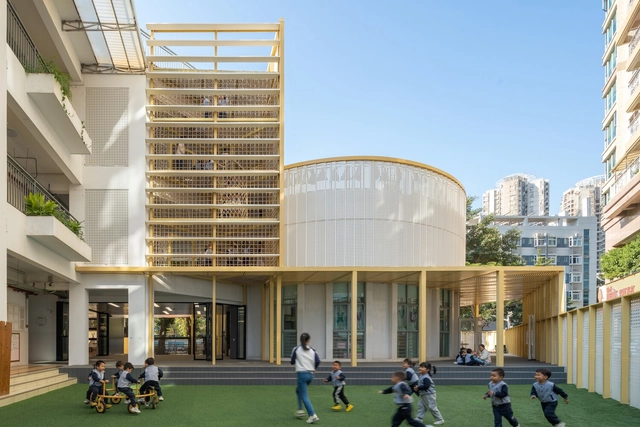


-
Architects: Atelier Diagonal
- Area: 1260 m²
- Year: 2023
-
Manufacturers: Guangdong Boer Si New Building Materials Co., Ltd., Songxia Brand , Yile Brand Coatings
https://www.archdaily.com/1014517/xinan-haibei-kindergarten-renovation-diagonal-architectural-designValeria Silva
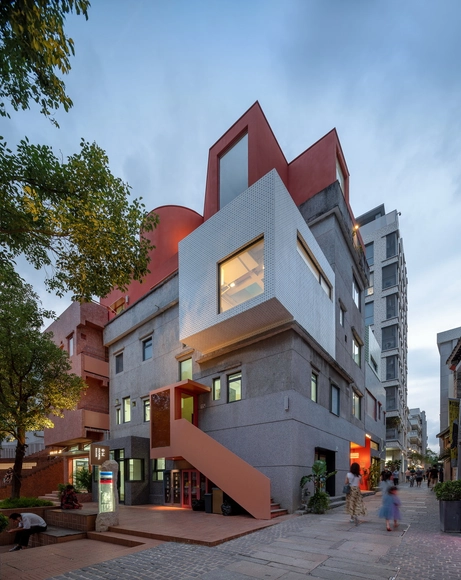
Nantou Hybrid Building / MENG YAN | URBANUS


-
Architects: MENG YAN | URBANUS
- Area: 1090 m²
- Year: 2023
-
Professionals: Pag Facade Systems Co., Limited, GD-Lighting Design
https://www.archdaily.com/1013607/nantou-hybrid-building-urbanusPilar Caballero
How Can Architecture be Designed to Reflect Human Behavior?
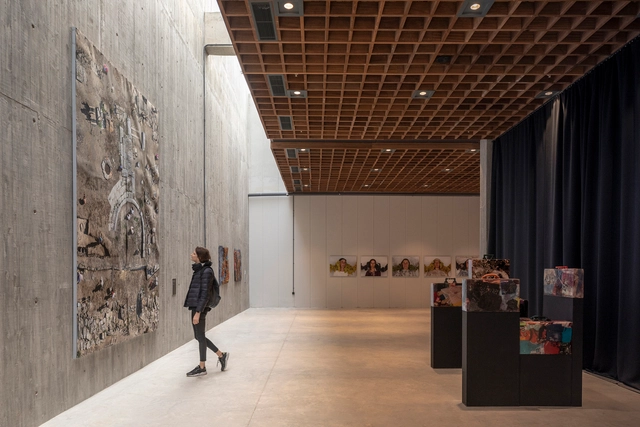
Architecture is the design of spaces for human occupation. Despite architects’ skill in designing spaces to influence human behavior there often is a shortfall in anticipating and reacting to occupants’ behavior. To create environments that boost well-being, productivity, and social engagement, a symbiotic relationship between buildings and human behavior must be fostered. The intersection of architectural and anthropological studies forms an insightful framework for the design of physical spaces informed by human behavior and cultural context.
https://www.archdaily.com/1013253/how-can-architecture-be-designed-to-reflect-human-behaviorAnkitha Gattupalli