

-
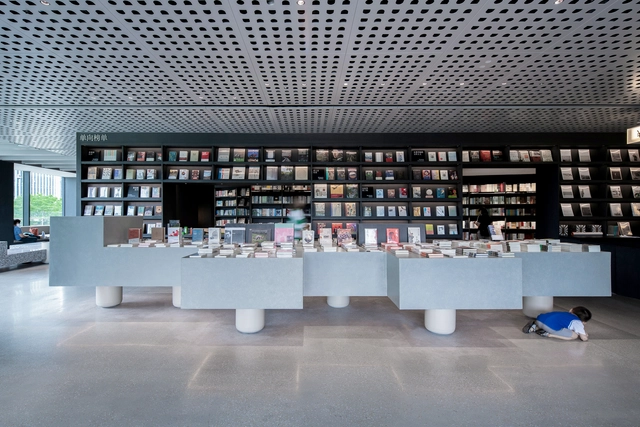
Architects: 11ARCHITECTURE
- Area: 650 m²
- Year: 2023
-
Manufacturers: Jing Pin, Onico
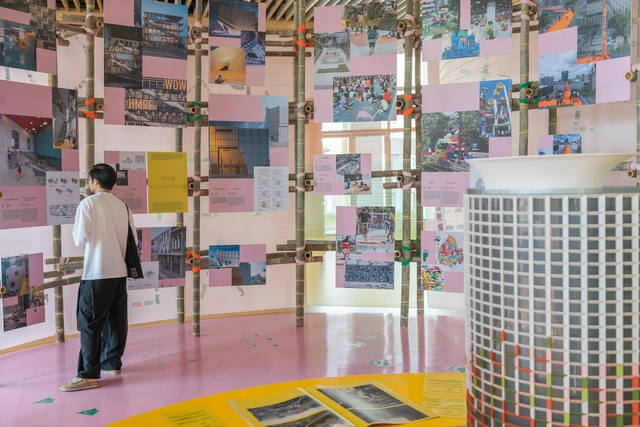
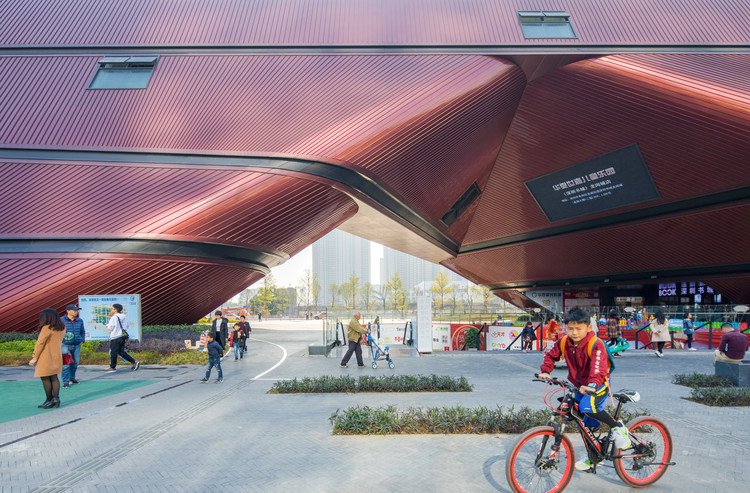
“ReviveR,” a new exhibition by MVRDV opened at the Shenzhen Women & Children’s Centre, focused on the different narratives surrounding its hosting building, from the role of play and social interaction, to the importance of fun environments for people of all ages, along with the need to reduce carbon emissions by applying principles of circularity. The exhibition is on display in the building’s 5th-floor auditorium from December 6, 2023, until February 28, 2024.
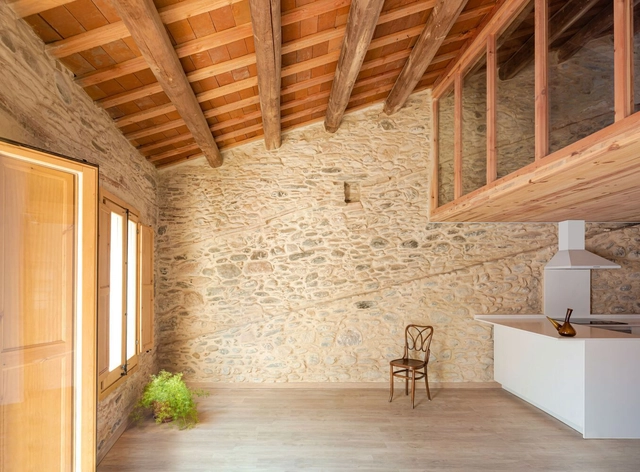
Exploring materiality, contextuality, and approach, our editors developed thought-provoking articles seeking to question and describe some of the aspects that make any Architecture, a good one.
Discover in this piece a selection of editorial writings that aim to answer this interrogation, grouped under the themes of cities, materials, history, context, and Interior Spaces. Moreover, find at the end an excerpt from the ArchDaily book.
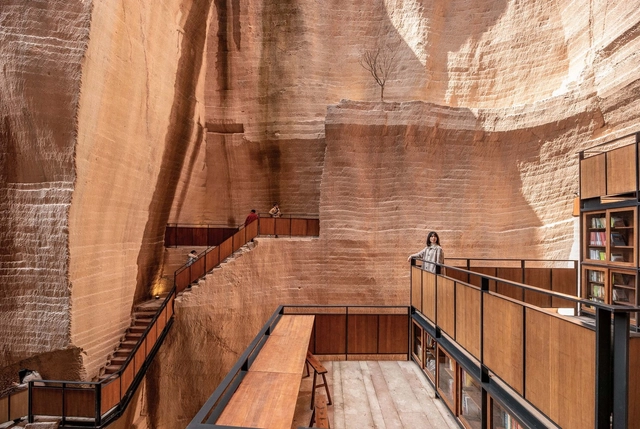
If the last pandemic year was a perfect occasion to reflect and debate on wellness and digitalization, this 2022 was a tremendous opportunity to deepen and comment on some other of the most pressing issues in architecture: from carbon neutral construction to the democratization of design. Along this line, with each of the different topics that ArchDaily develops each month, we asked an open question for you -our dear readers- to actively join in with the contribution of your experiences and knowledge.
After reading and compiling a huge number of messages received, from construction professionals, students, and architecture enthusiasts, it is time to present a summary of the main positions on each topic. Thank you very much for your opinions and we look forward to your comments for 2023!

25 practices, sole practitioners, and startups from 5 continents and 18 countries have been chosen as part of the 2023 New Practices, the latest edition of the global annual survey by ArchDaily. Ongoing since 2020, the review detects and showcases those who are taking architecture in its new direction under unstable times and demanding challenges.
ArchDaily's New Practices has invited not only designers to apply but those practicing within the broadest definition of architecture and its exercise to share their innovative, fresh, and forward-thinking mission with us. As a result, the 2023 edition features designers, landscape architects, researchers, curators, activists, writers, and three ground-breaking startups—the modular construction U-Build, Urban Beta with their Beta Port building system, and the "Google Doc of Space Design" Rayon—thus joining previously highlighted firms: AEC-industry-oriented management software Monograph, energy transition startup Baupal, online design platform and marketplace CANOA, and 3D-printed housing company ICON.
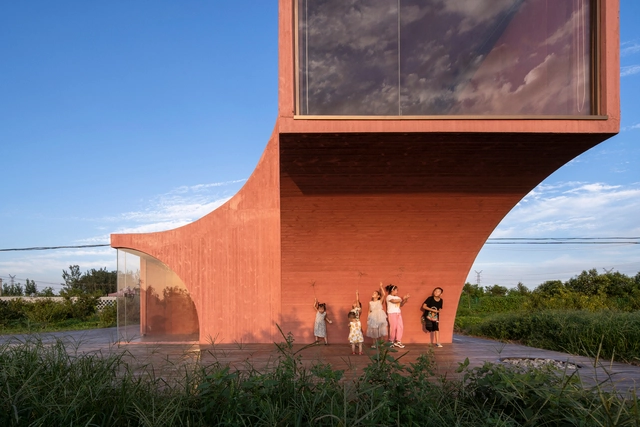
In collaboration with the publisher gestalten, we have recently published our first book: The ArchDaily Guide to Good Architecture. This milestone was an opportunity to look back at the more than 40,000 projects curated over the last 15 years, drawing out their contributions to answer an ambitious question: What is good architecture?
We wanted you—our dear readers—to also confront this question through an open call for opinions. After reading through a vast number of responses from construction professionals, students, and architecture enthusiasts alike, it was surprising to find a widespread consensus: above all, good architecture does not forget why and for whom it exists. Read some of the key responses below.
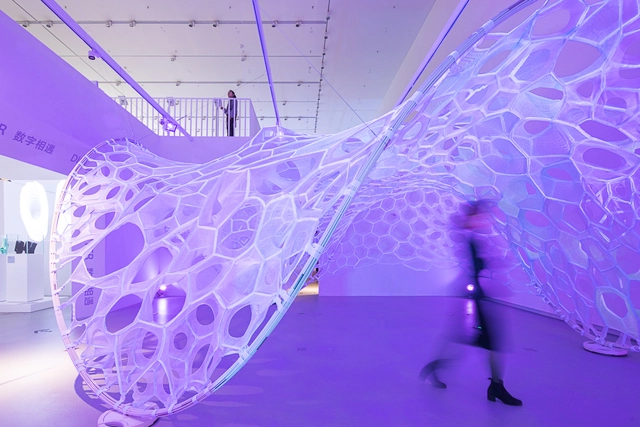
Architecture in its broadest sense concerns itself with the uprooting of structures that are permanent, cementing themselves within the greater cultural context and history of its humanity, however, where do we place the creation of structures that are designed with the intention to be disassembled. How much meaning and value can these structures hold, knowing they were never designed to last, but to simply take up space for a moment?
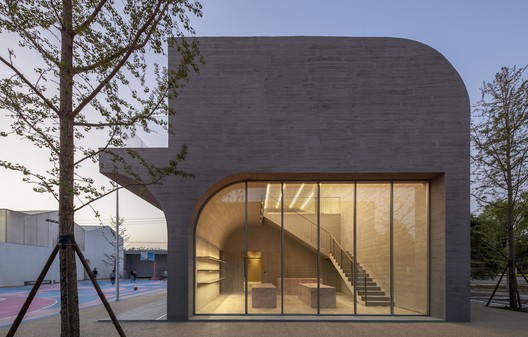
Founded in 2017, Studio 10 is an interdisciplinary design practice based in Shenzhen and Hong Kong. We are dedicated to providing highly customized, high-quality, boutique architectural, interior, product, and other creative design services. Our design and research span both the world's highest-density urban environments and low-density rural areas. As a multidisciplinary studio, we view architecture and space as the ultimate, omnipresent medium between people and their natural, social, and cultural environments. In our practice, architecture and space are not only shelters within the environment and media for perceiving our surroundings, but also catalysts and generators for rural and urban community revitalization and environmental improvement. Through constant reflection, we aim to leverage architecture and space to promote economic, cultural, and social progress, seeking an enduring balance and harmony between humanity and the environment.
To reconnect humanity with nature, we explore unorthodox treatments of form and materials in our designs, reflecting a desire to humanize architecture. By reintroducing pre-industrial and pre-digital craftsmanship into the design process, architecture and space become a hybrid of rationality and intuition. We also constantly explore recyclable, recycled, and repurposed natural and industrial materials, advocating for environmental awareness and sensitivity through their innovative and defamiliarized application.
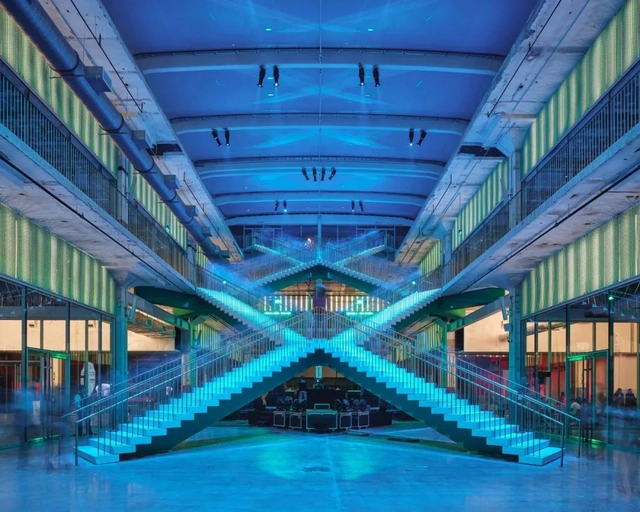
Against the backdrop of a global culture steeped in consumerism, every aspect of our lives is being consumed. As the physical medium of consumer behavior, commercial architecture is undeniably a vital link in this consumer society. "Insta-worthy" spaces—embodying trends, spectacle, and the culture of the gaze—are a direct manifestation of this influence. Yet, looking back at architectural history, we must also acknowledge that the rise of consumerism has largely driven architectural development. The influx of capital and the keen interest of real estate developers have, in some ways, granted architects more opportunities to realize their creative ideals within commercial projects.
Whether in cities or rural areas, "consumer architecture" functioning as public space often serves as the most prominent gathering point. To explore how to create comfortable, inviting commercial spaces, this article presents a curated collection of the best "consumer architecture" of 2021, offering design inspiration for your next project.
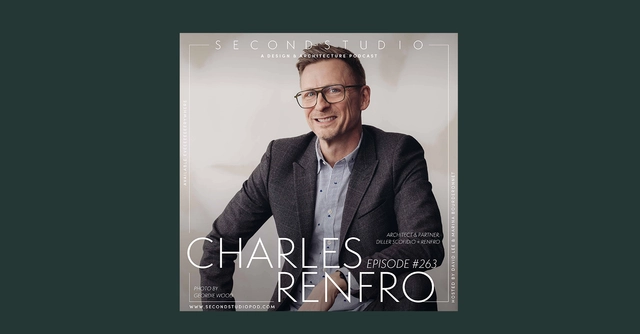
The Second Studio (formerly The Midnight Charette) is an explicit podcast about design, architecture, and the everyday. Hosted by Architects David Lee and Marina Bourderonnet, it features different creative professionals in unscripted conversations that allow for thoughtful takes and personal discussions.
A variety of subjects are covered with honesty and humor: some episodes are interviews, while others are tips for fellow designers, reviews of buildings and other projects, or casual explorations of everyday life and design. The Second Studio is also available on iTunes, Spotify, and YouTube.
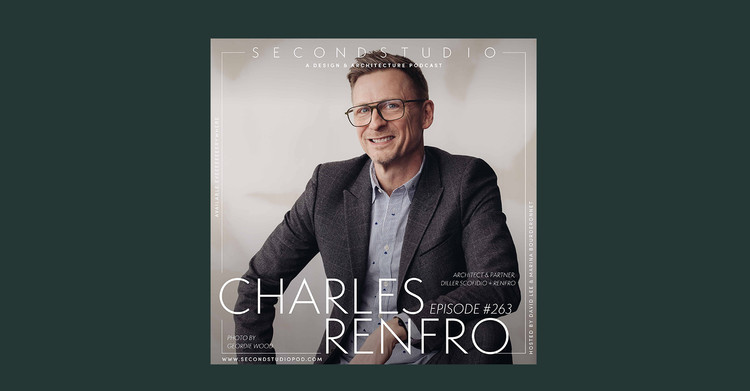
This week David and Marina are joined by Charles Renfro, Partner at Diller Scofidio + Renfro, to discuss Charles’ childhood and early interests in architecture, his education and linking ideas of sexual freedom with architecture, joining Elizabeth Diller and Ricardo Scofidio, becoming a partner at his office, his design philosophy, how New York has changed, and more.

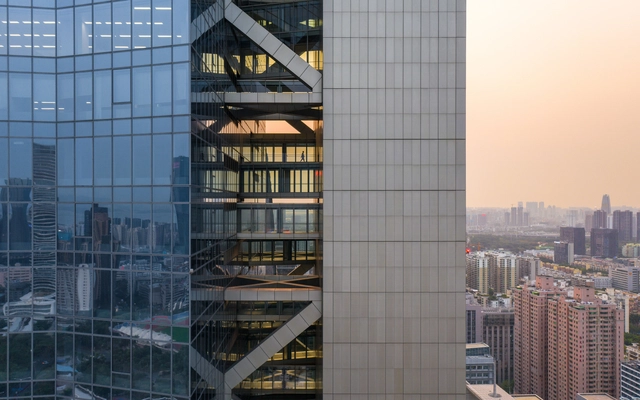
With its Shenzen project, design firm Morphosis reimagines the skyscraper typology, maximizing the flexibility of the floor plan through a detached-core scheme that shifts circulation, services and amenities to the building's exterior. Using a pioneering structural system, the project's spatial configuration diversifies the interiors' functional possibilities while reshaping the circulation routes within the building, with glass sky-bridges and large-scale steel braces knitting the core to the tower's main body. Completed in 2018 with a gradual opening that continues into 2021, the 359.8-metre tower is currently the tallest detached-core building in the world.

Founded in 2017, Studio 10 is an architectural-focused, multi-disciplinary design studio based in Shenzhen and Hong Kong.
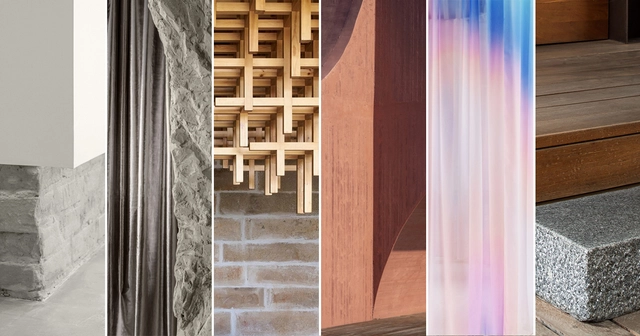
It is difficult to start any retrospective text on 2020 without sounding too cliché. While facing an invisible enemy that changed everyone’s lives, this past year has taught us that humanity is more fragile than we ever imagined. At Archdaily, it’s our job to synthesize how the buildings and the world we live in will be impacted by COVID-19 not only in the short term but in the distant future as well. Has our perception of the built environment changed this year? And has our relationship with the tectonics of buildings changed with all of the obstacles we’ve faced along the way?
.jpg?1601500052&format=webp&width=640&height=580)
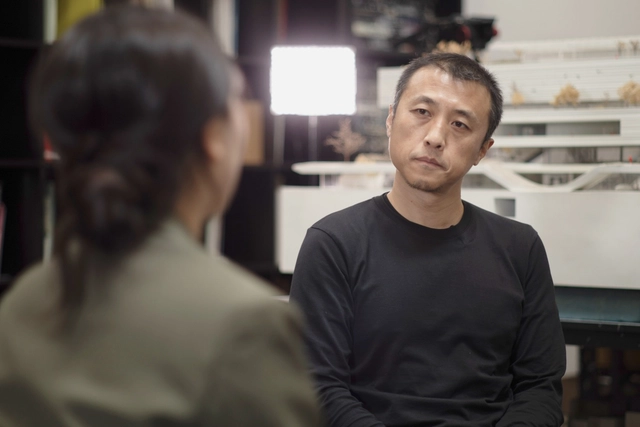
Introduction: This interview is part of the “Echoes for the Future” exhibition, which primarily features video interviews with architects. In 2008, architect Che Fei and international curator Yao Jing co-initiated a series of interviews themed “The Beijing Olympics in Architectural Discourse.” In 2018, we revisited the same nine architects, bridging the fields of media, research, and education to illuminate reflections on the built environment and future visions. For this first installment, we delve into the “past, present, and future” of Li Hu, founding partner of OPEN Architecture.
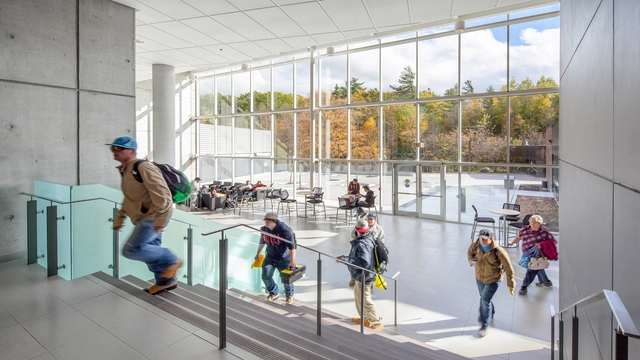
The American Institute of Architects Committee on Architecture for Education has announced the winners of this year’s Education Facility Design Awards. The eight winners and two merit honors were awarded this year’s best educational facilities that not only demonstrate excellence in contemporary architectural design but also further education in innovative ways and serve as an inspirational learning space. This year’s projects are designed for students of all ages, from childhood facilities to higher education buildings.
“Education continues to evolve, and the projects from this year’s Education Facility Design Awards program—presented by the AIA and the Committee on Architecture for Education—represent the state-of-the-art learning environments being developed in today's learning spaces. These projects showcase innovation across the entire learning continuum, displaying how architects are creating cutting-edge spaces that enhance modern pedagogy.”
Read more about the winners below.




.jpg?1601500052&format=webp&width=230&height=230&crop=true)
.jpg?1601500081&format=webp&width=230&height=230&crop=true)
.jpg?1601500484&format=webp&width=230&height=230&crop=true)
.jpg?1601500631&format=webp&width=230&height=230&crop=true)
.jpg?1601500052)




-03.jpg?1524108231&format=webp&width=230&height=230&crop=true)
