

-
Architects: Braaksma & Roos architectenbureau, CIVIC architects, Inside Outside, Mecanoo
- Area: 7000 m²
- Year: 2019
-
Professionals: Arup, Binx Smartility, Braaksma & Roos architectenbureau, Donkergroen, Inside Outside, +7
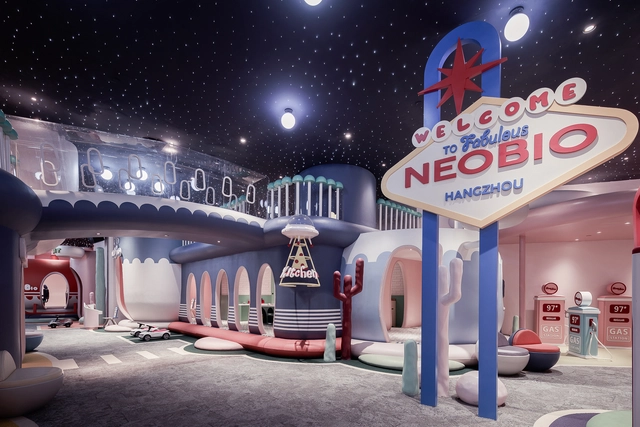
It's no secret that post-modernism has, in recent years, experienced something of a revival. The much-maligned movement's exhuberant and joyful take on architecture is perhaps a solace in difficult moments. Or, for the more jaded among us, perhaps it simply lends itself to Instagram.
That said, it's not quite the postmodernism that took off in the 60s. Post postmodernism is also concerned with history and context, but with contemporary spins made possible by new technologies. Installations and other temporary typologies also bring with them a fresh perspective, preserved forever on the internet for our vicarious enjoyment. But perhaps most crucially, it is no longer so wholly a reaction against the hegemony of modernism; something that the original postmodernists were fixated with. Today's postmodernism can be at once joyful and reserved, vernacular and high-tech.

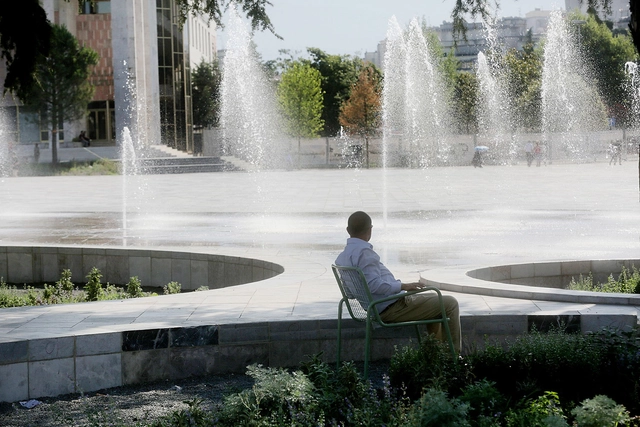
Brussels-based architecture firm 51N4E have won first prize for their Skanderbeg Square project in Tirana, Albania. The European Prize for Urban Public Space is a biennale competition that promotes creating, restoring, and improving public spaces within European cities, and have chosen this year’s winners for their impressive transformation of the city’s central square.
51N4E’s restructuring and renovation of the Skanderbeg Square is a result of winning an international architecture competition back in 2008. After the project was paused in 2010 for administrative changes, and resumed in 2015, the end result is a series of urban interventions, “inviting public and semi-public neighboring functions to spread into the exterior space”.
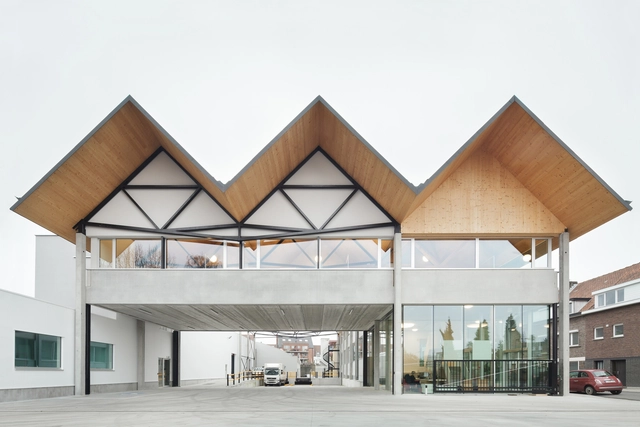
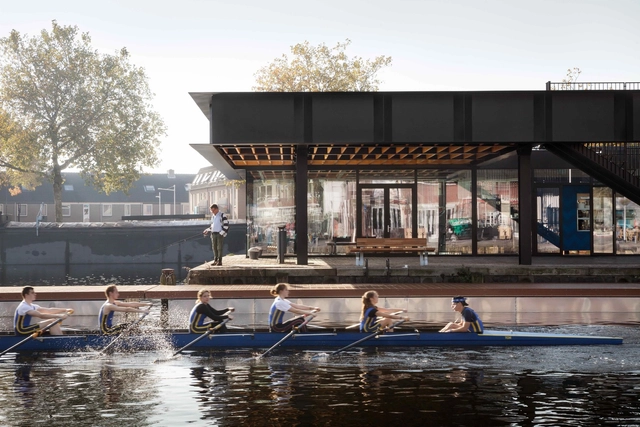
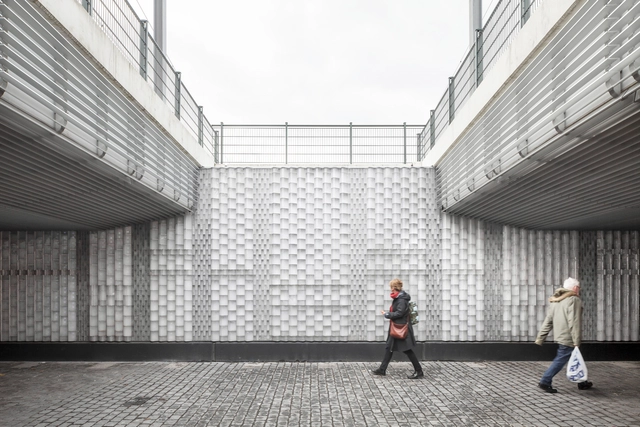

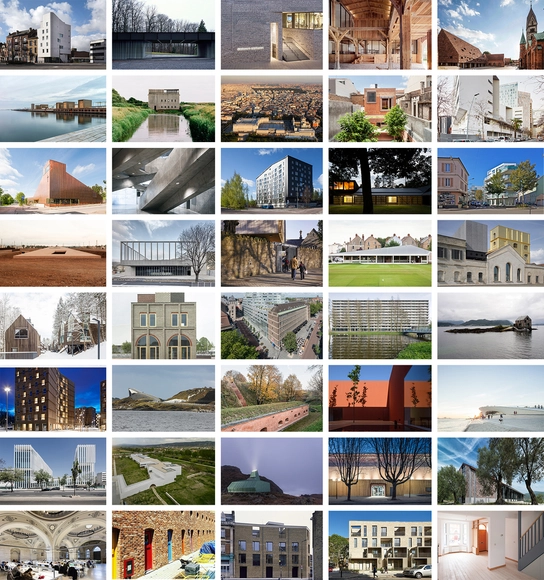
The European Commission and the Mies van der Rohe Foundation have announced the 40 shortlisted works that will compete for the 2017 European Union Prize for Contemporary Architecture – Mies van der Rohe Award. The jury has chosen from 355 nominated works and the shortlist highlights the opportunities and the trends of today’s European territory: cities, housing, heritage, and memory. The five finalists will be announced in mid-February and the winner and the Emerging Architect in mid-May.
A third of the works tackle the challenge of contemporary architecture in relation with built heritage and a third of the work tackles the contemporary challenges of housing. The management of the historic urban landscape will be among the priorities highlighted by the ‘European Year of Cultural Heritage' in 2018.
"I would want the shortlisted schemes to demonstrate an interest in making places, in exploring convention and known typologies, in celebrating the pleasures of everyday use by a consideration of detail and an unspoken resistance to the current global tendency towards a self-referential architecture, one that belies context and the act of inhabitation." - Stephen Bates, Chairman of the Jury.
Seen the shortlist after the break.
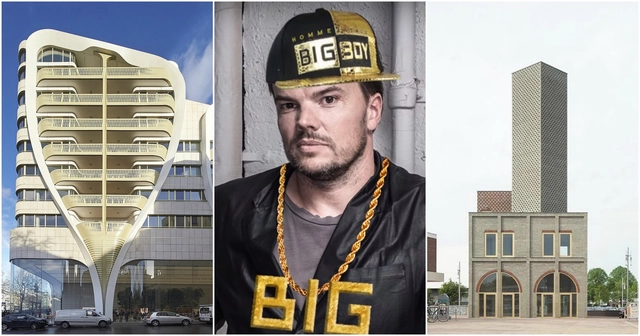
In the past two weeks, the topics of discussion in the ArchDaily comments section have been incredibly diverse: from a debate over a light-hearted approach to getting the architectural job of your dreams, to a serious argument over the exploitation of young workers in the industry; and from criticism of a Zaha-like “melted yellow cheese” design to a favorable analysis of an intellectual postmodernist landmark. Read on to find out what our readers had to say.