

-
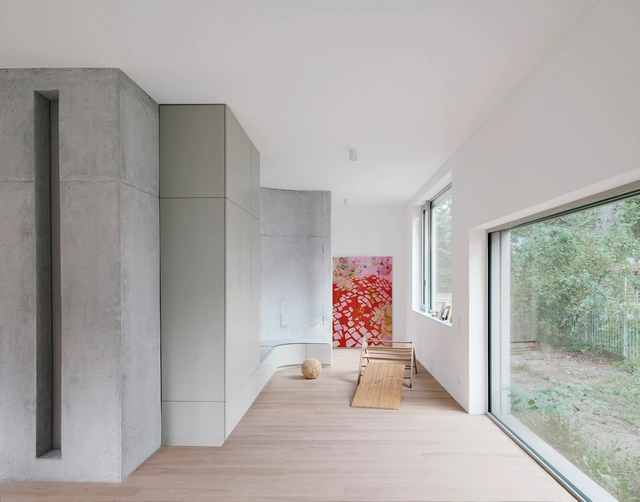
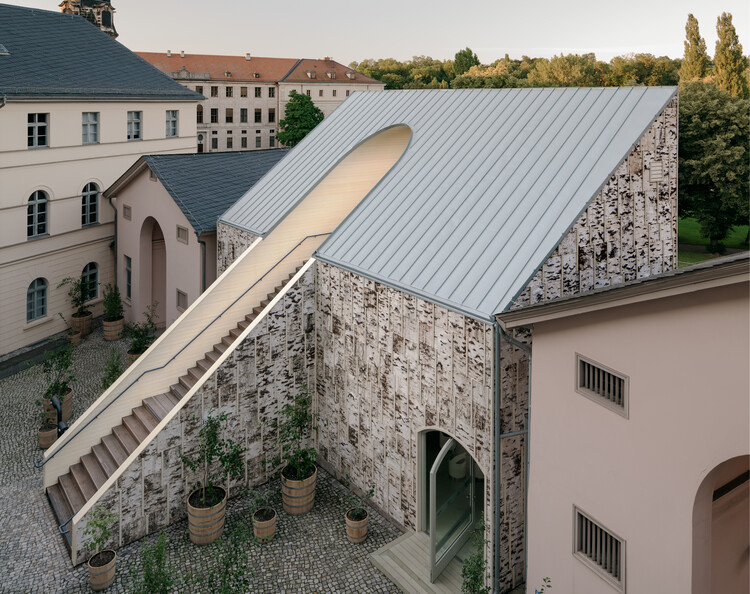
Architects: Helga Blocksdorf Architektur
- Area: 380 m²
- Year: 2021
-
Professionals: Shivani Shankar Chakraborty, Pichler Ingenieure GmbH


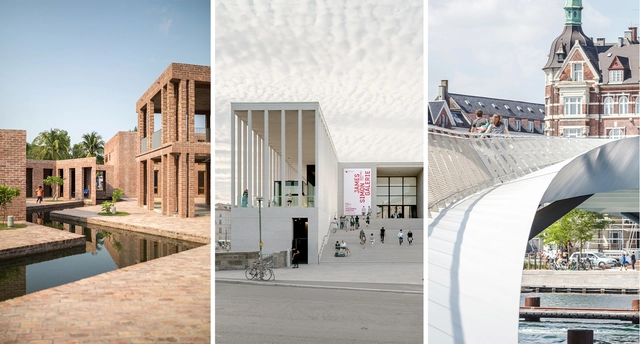
The Royal Institute of British Architects (RIBA) has announced its shortlist for the 2021 International Prize, a prestigious biennial award that celebrates the world’s best new projects that “champion buildings that change the world and positively impact the community around them". The jury has selected three projects from a list of 16 projects in 11 countries, and will announce the winner on Thursday 2nd December.


The Royal Institute of British Architects has announced the 54 winners of the 2021 RIBA National Awards, highlighting the UK's best new architecture. Ranging from single homes and housing schemes to educational facilities, cultural buildings, sports venues and medical centres, this year's projects illustrate a growing preoccupation with restoration and adaptive reuse, as well as a significant investment in education and culture. Inaugurated in 1966, the awards provide insight into UK's architectural environment and the economic trends shaping the AEC industry.
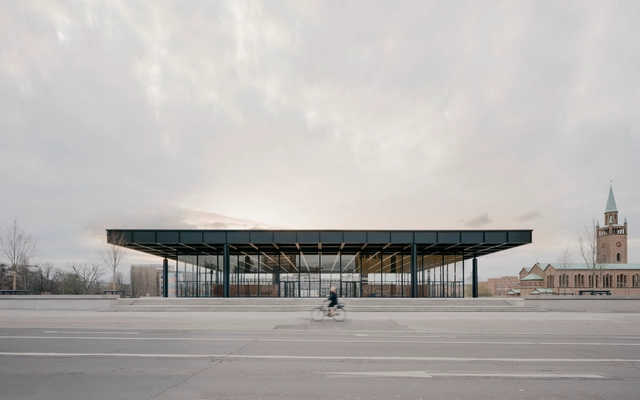
The Neue Nationalgalerie, designed by Mies van der Rohe, reopened to the public after an extensive renovation project carried out by the practice of David Chipperfield. In this video created by Mies van der Rohe House, Chipperfield shares his thoughts on the design language of Mies van der Rohe while also discussing the qualities of Neue Nationalgalerie and the future role of architectural monuments. The interview is part of the film and exhibition project Mies Goes Future, which invites artists, architects, and historians to explore the work of the renowned Modernist architect as a source of inspiration for contemporary practice.
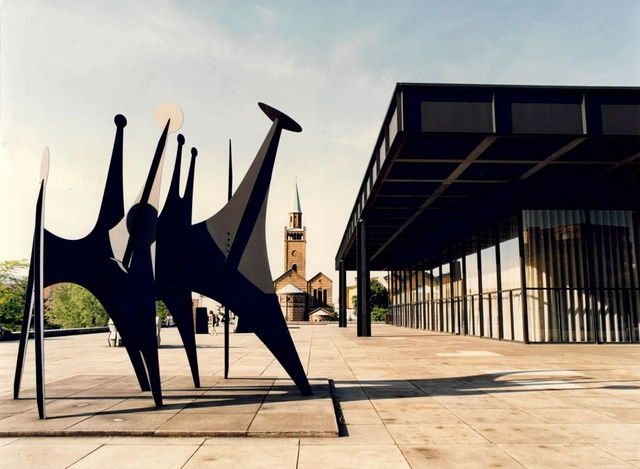
After being closed for six and a half years for a renovation by David Chipperfield Architects, the Berlin museum reopened Sunday, August 22.

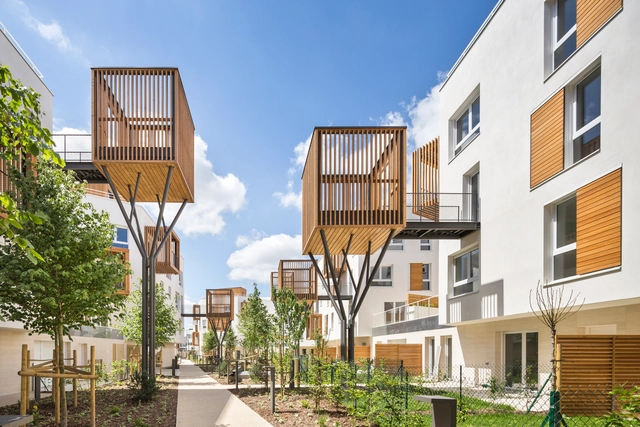
“We need a new spatial contract." This is the call of Hashim Sarkis, curator of the Venice Biennale 2021, as an invitation for architects to imagine new spaces in which we can live together. Between a move towards urban flight and global housing crises, the growth of more low-rise, dense developments may provide an answer in the countryside. Turning away from single family homes in rural areas and suburbs, modern housing projects are exploring new models of shared living in nature.
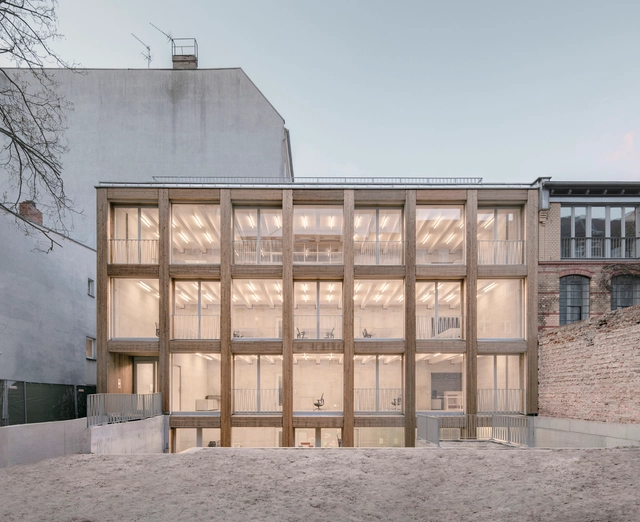

Architecture is shaped by its environment and natural forces. Inherently, the discipline focuses on the design of objects over systems, on formal morphology over networks or ecologies. However, no building exists outside its context; every structure is sited among ever-changing climates and cultural conditions. How designers respond and connect to these larger systems can radically change the nature and quality of their work. Often, it is the greatest constraints that produce novel solutions.
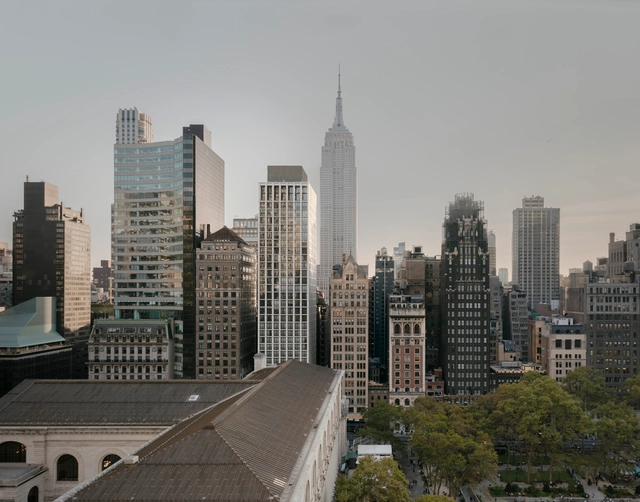
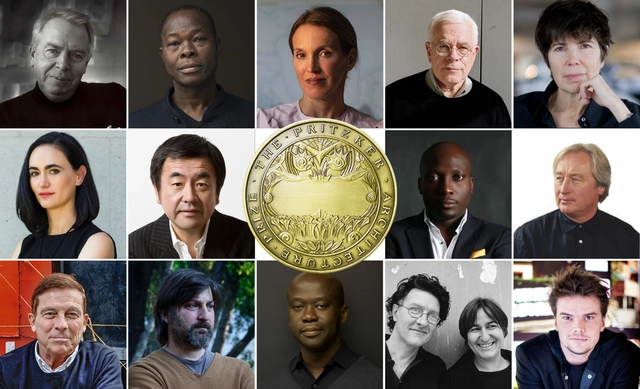
Since the winner(s) of the Pritzker Prize 2021 will be announced on Tuesday, March 16th, we have asked our readers who should win the most important award in the field of architecture.
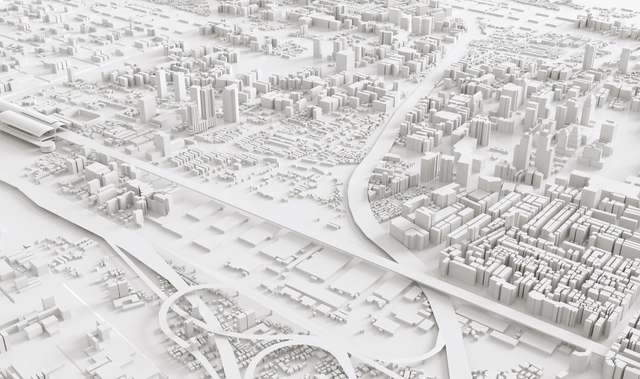
Imagine having a blank canvas on which to master-plan a brand new city; drawing its roads, homes, commerces, and public spaces on a fresh slate and crafting its unique urban identity. Every urban planner has fantasized about designing a city from scratch and luckily for some, this dream is morphing into concrete opportunities.
Over the last two decades, new, master-planned cities have emerged from the ground up at an unprecedented scale, the majority of which have been created in Asia, the Middle East, Africa, and Latin America, with currently over 150 new cities in the making. This new type of urban development has shown to be particularly seductive in emerging markets, where they are sold as key parts of the strategy to leapfrog from agriculture and resource-based systems to knowledge economies by attracting foreign capital and boosting economic growth.

.jpg?1637053142&format=webp&width=230&height=230&crop=true)
.jpg?1637053340&format=webp&width=230&height=230&crop=true)
.jpg?1637053381&format=webp&width=230&height=230&crop=true)




.jpg?1611288061&format=webp&width=230&height=230&crop=true)


