

-
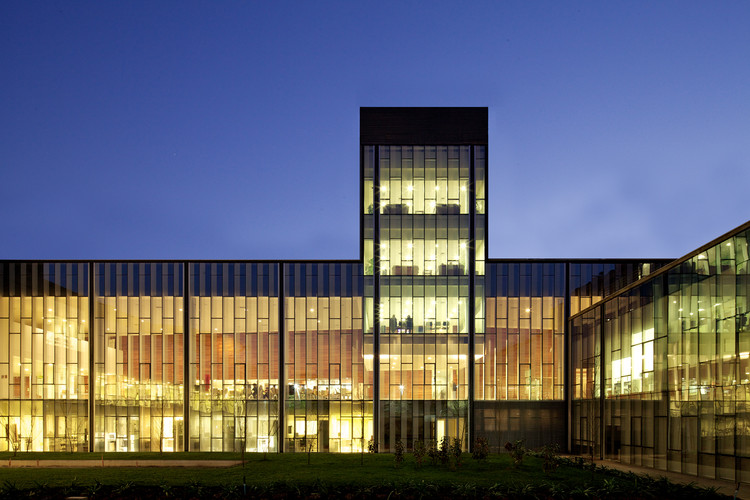
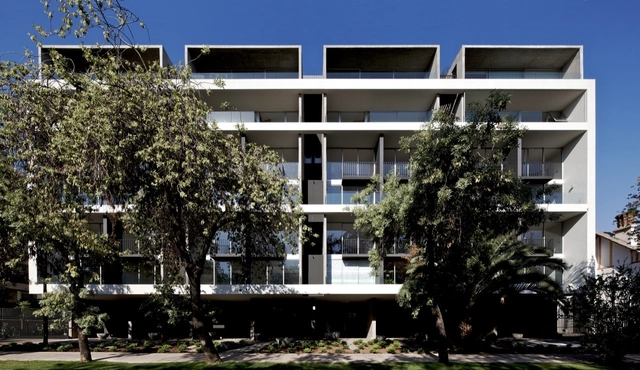
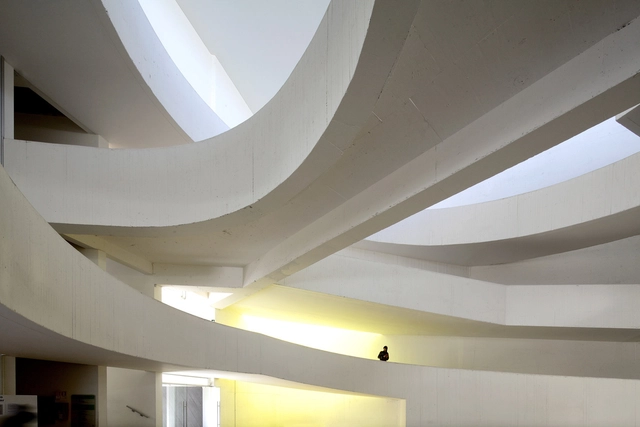
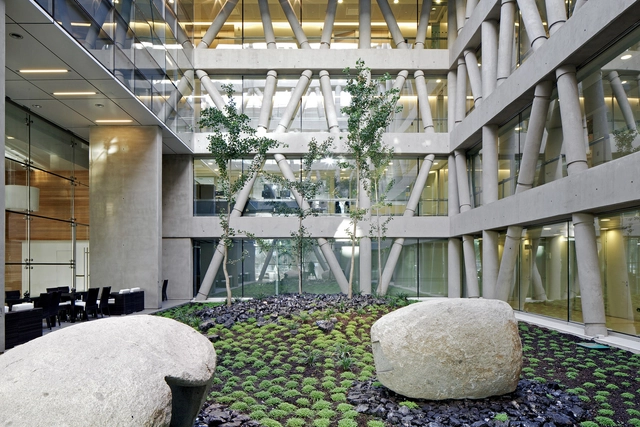
Architects: Browne Swett Arquitectos
- Area: 8107 m²
- Year: 2013
-
Professionals: Delta Acústica, EBCO, IBLOCK, R.G. Ingenieros Asociados LTDA


In case you missed it, we’re re-publishing this popular post for your material pleasure. Enjoy!
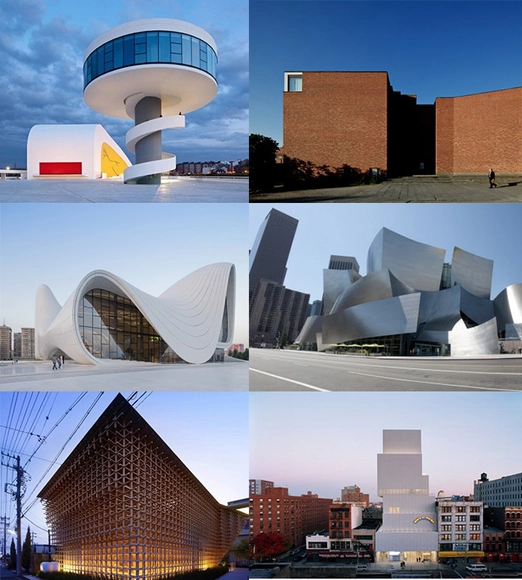
To celebrate the recent launch of our US product catalog, ArchDaily Materials, we've coupled six iconic architects with what we deem to be their favourite or most frequently used material. From Oscar Neimeyer's sinuous use of concrete to Kengo Kuma's innovative use of wood, which materials define some of the world's best known architects?

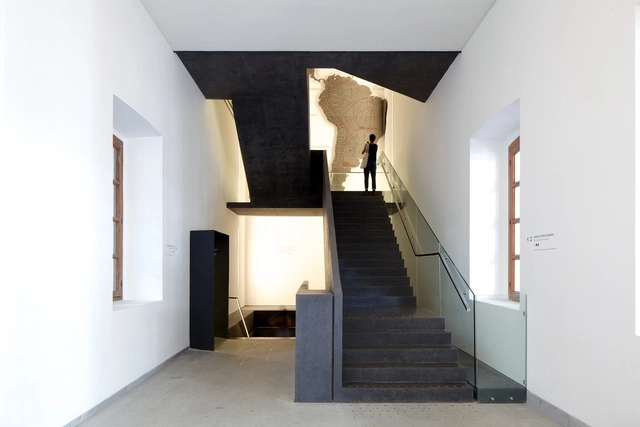


Still rebuilding after the catastrophic tsunami of 2011, Toyo Ito, Kazuyo Sejima, and other notable Japanese architects, have teamed up on the "Home for All" project to provide community-focused housing to disaster-stricken communities. While the architect-driven initiative seems to be a success, Edwin Heathcote of the Financial Times asks in this exquisitely well-written article: are a set of "starchitects" the right team for the job? (Spoiler: Yes)
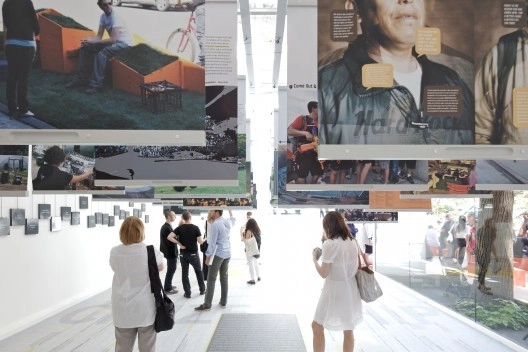
The U.S. Department of State has selected Storefront for Art and Architecture and PRAXIS Journal to organize the US Pavilion at the 2014 Venice Architectural Biennale, “Fundamentals,” curated by Rem Koolhaas.
The US exhibition, titled, OfficeUS: Criticism by Remaking, will be curated by Eva Franch i Gilabert, Ana Miljački and Ashley Schafer.
More info on the US Pavilion, after the break...
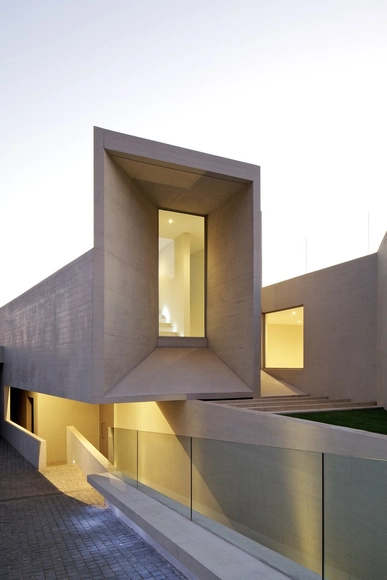
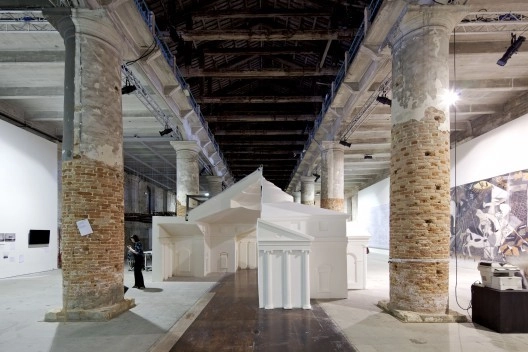
BD Online reports that the British Council has shortlisted two teams who will compete for the honor of curating the British Pavilion at the 2014 Venice Architecture Biennale. With Rem Koolhaas at the helm of this year's Biennale (June 7 - November 23), the selected theme will be: ‘Absorbing Modernity: 1914-2014.’


At 71, the 2013 Pritzker Prize winner Toyo Ito is not content with settling down just yet, at least not architecturally-speaking. Where many architects have established distinct styles, Ito is known for constantly shifting, experimenting, questioning and developing his approach to architecture. As one member of the Prtizker jury put it "he has been working on one project all along - to push the boundaries of architecture. And to achieve that goal, he is not afraid of letting go what he has accomplished before.”
In this video entitled Learning from Laureates - which comes courtesy of the good folks at ARCHITECT magazine - fellow experimentalist and Pritzker Prize recipient (not to mention 2013 AIA Gold Medalist) Thom Mayne gets to grips with Ito's motivation. The pair of laureates converse via Skype examining the drive behind Ito's evolutionary approach, before getting down to discussing how they think architecture is being affected by society's biggest change yet - the advent of the post-digital age.
See more of Ito's work along with some of our previous coverage after the break...
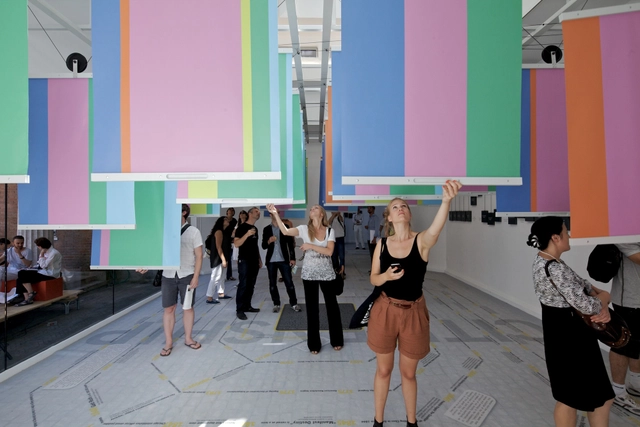
Spontaneous Interventions: Design Actions for the Common Good, the official U.S. representation at the 13th International Architecture Exhibition at the Venice Biennale (2012), will travel to Chicago in May 2013, and is seeking new projects—urban interventions realized in U.S. cities in the past two years—with an emphasis on those based in Chicago and the Midwest region. The exhibition will be on view through Summer 2013. The exhibition in Chicago will feature a site-specific adaptation of the original exhibition design and will include many of the projects featured in Venice alongside dozens of new projects selected as a result of this open call for submissions. Submissions are due no later than March 6th. For more information, please visit here.

Global architecture underwent a seismic shift in the 20th Century. Governments, keen to mitigate the impoverishing effects of rapid urbanization and two world wars embarked on ambitious social housing programs, pairing with modernists who promised that design could be the solution to social inequality and poverty. Today, the problems inherent in these mid-century tower blocks are well documented and well known, and these modernist solutions to poverty are often seen as ill-conceived failures.
If the 20th century was all about designing to solve social problems, then the 21st century has been about the exact opposite – not designing to solve social problems. These days, it is much more common to see architects praising the social order and even aesthetic of illegal slums, which in many cases provide their residents with a stronger community and higher quality of life than did many formal social housing projects of the past. The task of architects (both today's and tomorrow's) is to develop this construction logic: to use design and, rather counter-intuitively, non-design to lift these urban residents out of their impoverished conditions.
More on the social potential of non-design after the break...

San Rocco have been announced as the recipients of the inaugural Icon Award for Emerging Architectural Practice of the Year.
However, San Rocco is not your typical architectural practice. Departing from the traditional model, San Rocco is a collaboration of firms with different disciplines; Instead of buildings, they are known for their publishing projects.