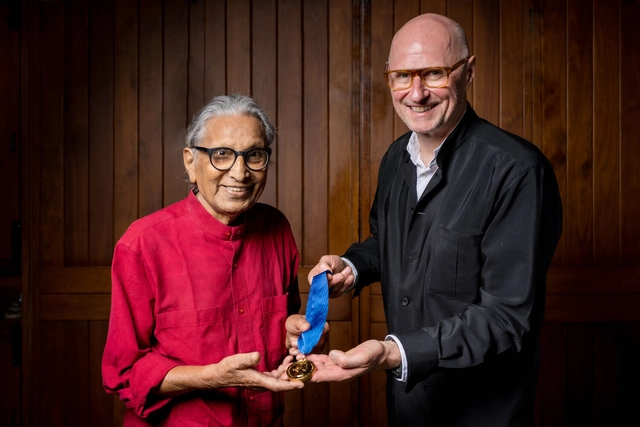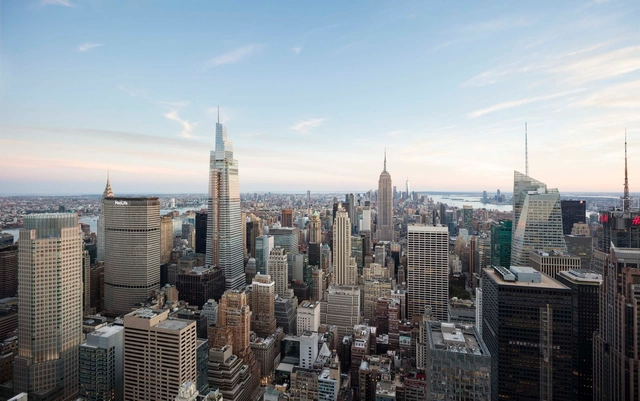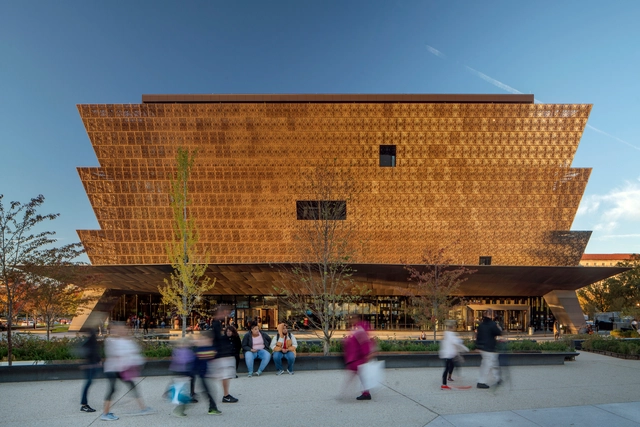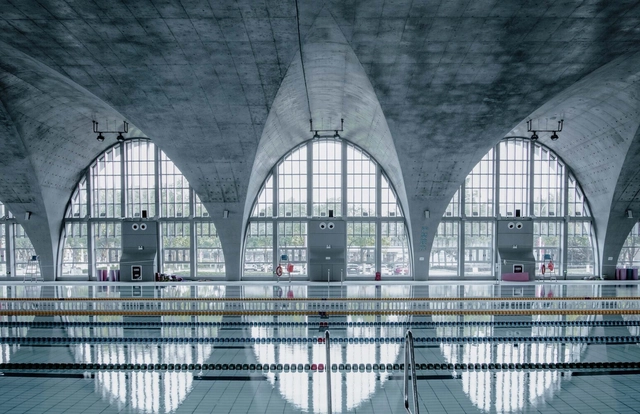
Designer Paul Wellington, based in Milwaukee, United States, is the author of Black Built: History and Architecture in the Black Community, a book that documents more than 40 works of architecture around the country by Black architects that have had a direct impact on communities of color. He’s now working on a new book that will focus on Black women architects in a field dominated by white males. I spoke with Wellington about the new book, what he learned through his research on Black architects and their work, and the future of increasing the ranks of Black architects in the U.S.
https://www.archdaily.com/949665/hidden-figures-the-historic-contributions-of-black-architects-in-the-united-statesMichael J. Crosbie
Architecture draws together influences in art, culture and daily life. When designing for local communities and sourcing regional materials, architects often take inspiration from vernacular traditions. Utilizing traditional materials and resources from the area where a building is located, they draw from local climates and a history of building and ideas. Building sites around the world are diverse locations shaped by new construction technologies, past techniques, and changing conditions of cultural life.
Skating and ice rinks combine temperature, atmosphere and structure together. Between sports and leisure, these spaces are designed around experience and time as some of the most interactive public spaces. As an architecture of recreation and play, skating centers also host a variety of sports. Today, the architecture of skating encompasses a range of programs and formal approaches that define some of the most iconic and social activities.
More than 5000 new projects published throughout 2021 make ArchDaily the largest online architecture library in the world. ArchDaily Curatorial Team researches, contacts offices, prepares, and delivers the built projects in the world on a daily basis, with the objective of providing inspiration, knowledge, and tools to our users who take part in the creation of better built environments.
https://www.archdaily.com/974013/best-architectural-projects-of-2021Clara Ott
Residential architecture is one of the most popular categories among our readers. In 2021 we published more than 3,800 projects, featuring houses from different regions of the world and offering a variety of solutions, materials, contexts, environments, scales, and typologies. Providing a broad source of inspiration for those seeking references for their own residential project.
https://www.archdaily.com/973682/best-houses-of-2021Clara Ott
Since its inauguration in the 1960s, every year more than 10 million tourists visit the Hollywood Walk of Fame in hopes of experiencing the glitz and glamour of Los Angeles’ most famous attraction. To this day, its 18 blocks of terrazzo floors remain in a good state, revealing the longevity and durability of a material able to withstand heavy foot traffic over the course of the century.
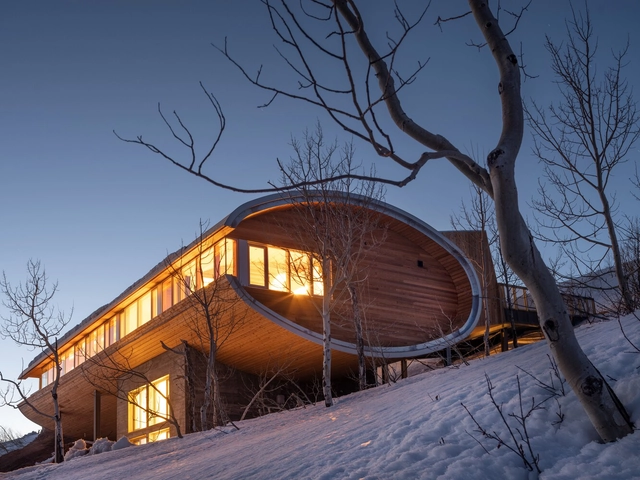
Time magazine has released the World’s Greatest Places Of 2021, selecting 100 destinations from around the globe. With revitalized riverfronts, affordable artistic incubators, and superlative city-states, the list is a tribute to the built and natural environment that found a way “to adapt, build and innovate”, amidst the challenges of the past year.
Encompassing the world’s longest pedestrian suspension bridge, London’s Design District, new repurposed spaces in Helsinki, Historic gems in South Korea, and Hanoi’s renewed life in the old quarter, the World’s Greatest Places Of 2021 has a considerable selection of architectural destinations.
Costa Rica’s new modern homes are built to float above the landscape. This wave of elevated housing is designed to minimize environmental impact while working with varied terrain. Aiming to become a carbon-neutral country, Costa Rica is transforming its housing market as it experiences a growing demand for more residential buildings.
Martin C. Pedersen talks with Ron Rochon, managing partner at Miller Hull, about Carbon and the role of architectural firms in eliminating emissions. Discussing the EMissions Zero initiative, the current shortcomings of carbon offsets, and the way forward, the piece also questions the possibility of setting goals with the absence of an internationally, agreed-upon carbon cap.
Cities are so deeply rooted in the history of mankind that we hardly ask ourselves why we live in them or what the reason is for us to group together in urban settlements. Ciro Pirondi, Brazilian architect, points out that we live in cities because we like to have someone to talk to, while Paulo Mendes da Rocha classifies the city as “the supreme work of architecture.” The city is the world that man builds for himself. These are immense collective constructions, palimpsests, and collages of stories, achievements, and losses.
Earth has been mostly urban since 2007. By 2050, the percentage of people living in cities should reach 70%. In the coming years, megacities with more than 10 million inhabitants are expected to multiply, mainly in Asia and Africa, and often in still-developing countries. Such a projection raises questions about sustainability and climate change that cities inevitably catalyze. It also raises questions about how cities can provide an adequate quality of life for its inhabitants, and how they can prosper and develop in contexts that are often not ideal. How can urban spaces benefit their population and vice versa? While old centers will require transformations and updates, city peripheries will require new homes and public facilities, in addition to adequate infrastructure. How can this process help urban centers become more intelligent, using the technology already available to benefit their inhabitants in a creative and efficient way?
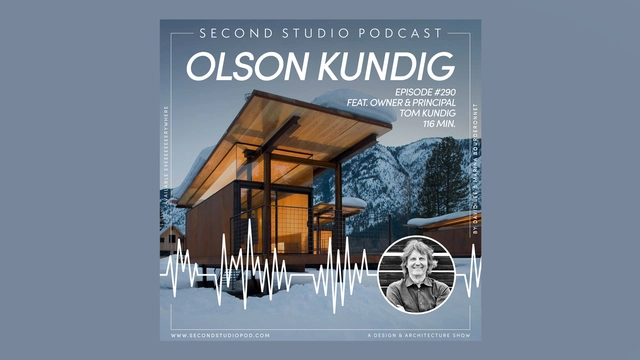
Olson Kundig has unveiled the design of 760 Ralph McGill Boulevard, a new mixed-use high-rise development situated along Atlanta’s BeltLine. Led by project developer New City, LLC, the 1.1 million-square-foot structure will include office and retail spaces organized around a central plaza. The project expands local civic and cultural amenities, and introduces a new flexible and functional workplace that also serves the surrounding community.
Hawaii has become a place that defines paradise. From pristine beaches and a warm climate to natural scenery and active volcanoes, the islands are home to incredible landscapes and culture. With indigenous and modern building styles, the state’s architecture is intimately tied to the environment. Reinterpreting historic building techniques and traditions, contemporary Hawaiian architecture balances a desire to honor the past while celebrating new experiences and modern culture. This has led to the formation of incredible spaces to live and dwell.
Few places have embraced sustainable design practices like California. Experiencing dramatic droughts, wildfires and environmental issues, the state has started to create new policies and initiatives to promote environmentally-conscious design solutions. From eco-districts and water management strategies to net-zero building projects, the Golden State is making strides to reshape its future. Forming long-term visions and procedures through the lens of physical resource consumption, California is working to better integrate its economic development plans with sustainable building methods.
Manufacturers: AutoDesk, 12th Avenue Iron, Activated Designs, Benjamin Moore, Bentley Mills, +8Hank Studios, Olson Kundig, Paris Ceramics, Quarry SE, Stone Source, Stonehard, Tom Kundig Collection by 12th Avenue Iron, United Tile-8