-
Architects: Mola Kunst
- Area: 254 m²
- Year: 2021


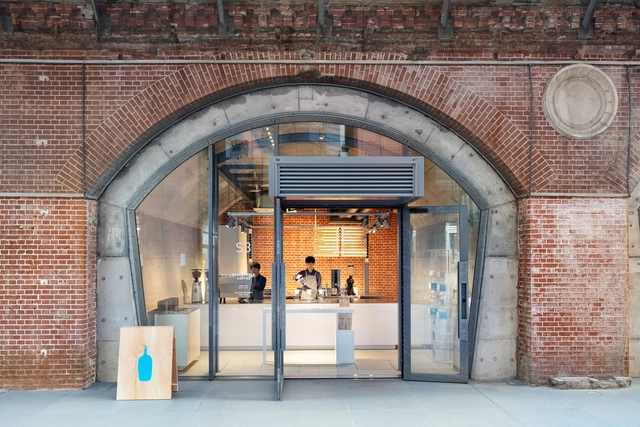
The interior design of a coffee shop can make-or-break an establishment. With an inviting design, you can transform drinking a simple cup of coffee into a wonderful experience. However, when you only have a few square meters and various machines and properties to distribute, finding an efficient configuration is not easy.
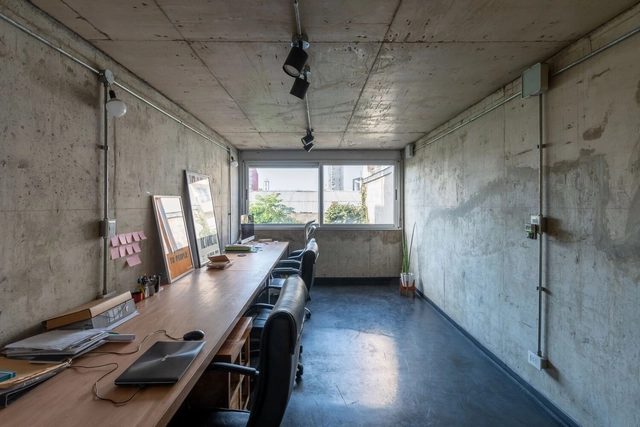
Pipes, wiring and ducts of different materials in walls, ceilings and roofs make up all the spaces we walk through and inhabit. They represent the set of networks and equipment necessary for the development of life in our buildings, providing services such as water, electricity or gas, among many others. According to the regulations in each country and the use defined in each space, the installations can be left visible, giving a certain character and aesthetic to interior spaces.

_Simone_Bossi.jpg?1629234719&format=webp&width=640&height=580)
Architectural photography has developed into its own art form, and it might be as important as the built work itself. We consume architecture not only physically and spatially in a building but also through photographs. A good image reportage work can give the viewer a feeling of the atmosphere, senses, and design intentions the project may spark, without actually being in the place. Photography is also a way of documenting the project's process, the use of materials, lighting, and architectural elements, and as a result, tell a complete story behind a building.
To celebrate World Photography Day, we've gathered a list of 25 architectural photographers from around the world who are worth knowing - and following on Instagram. These emerging photographers have been selected for their ability to capture architecture each in their own unique ways. Get to know them!
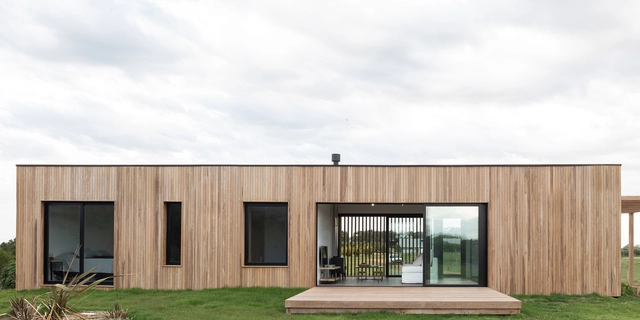
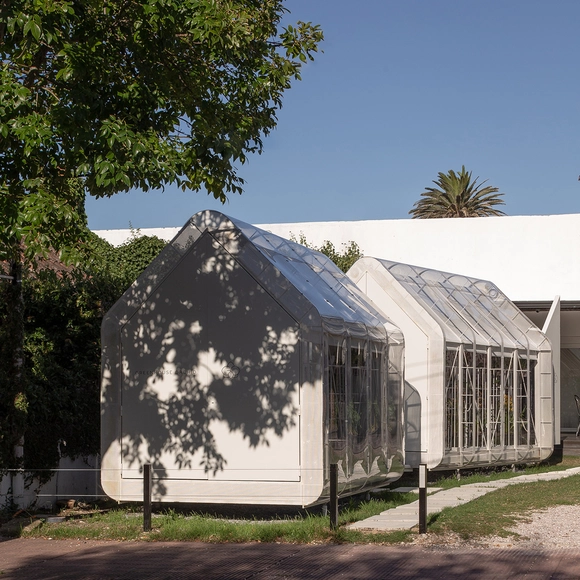
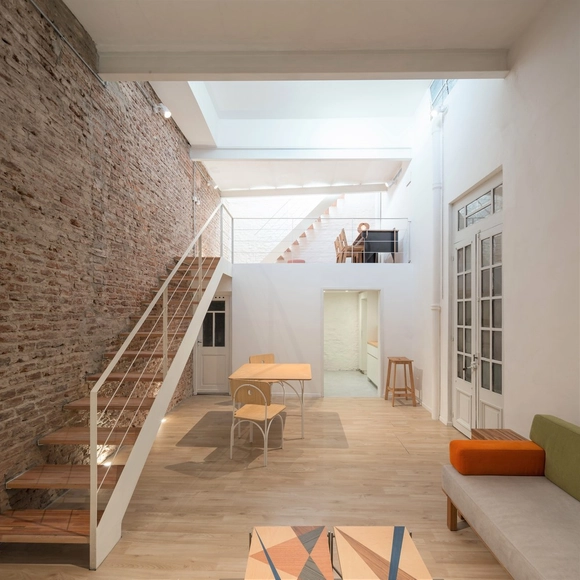
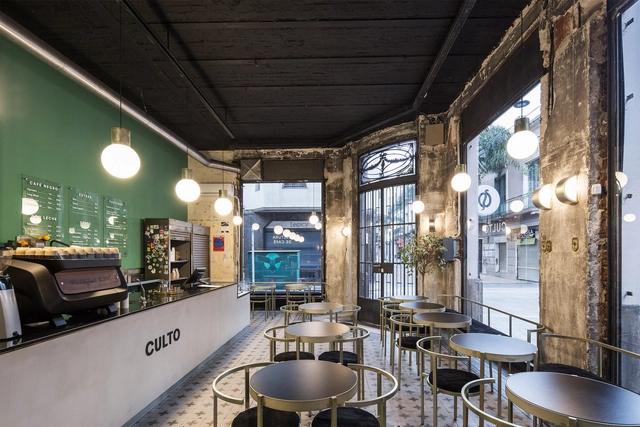

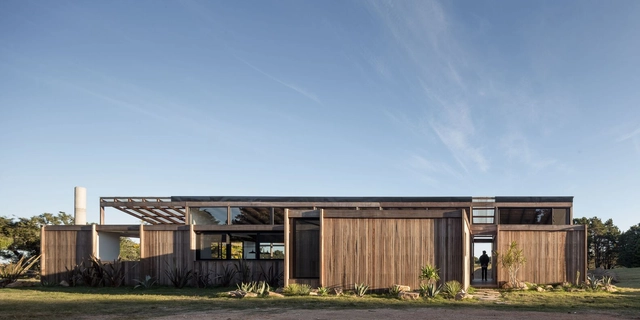
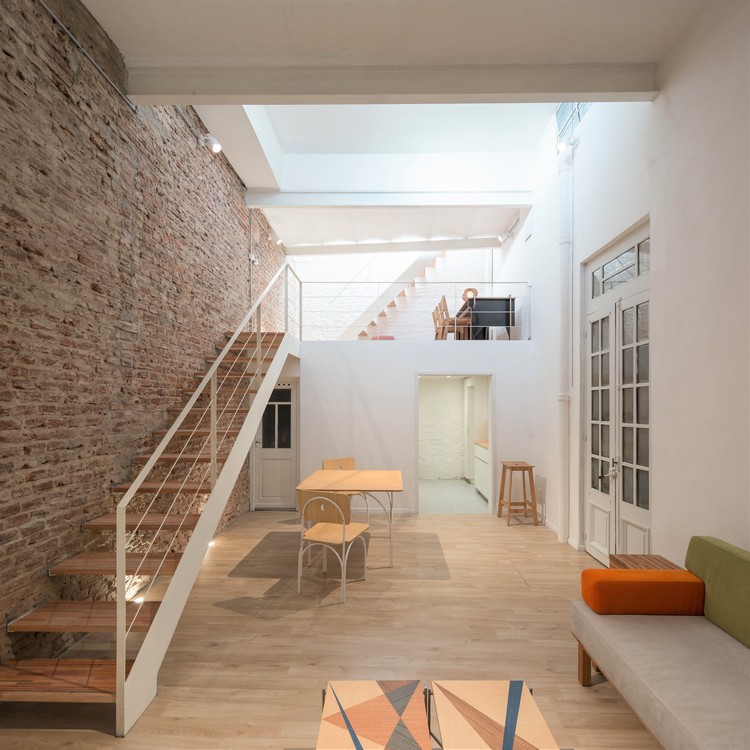
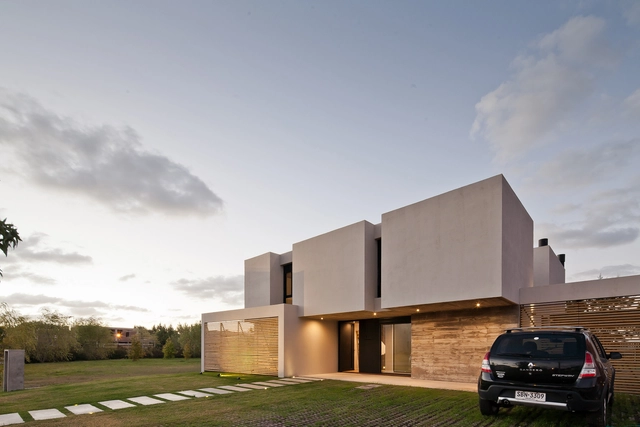
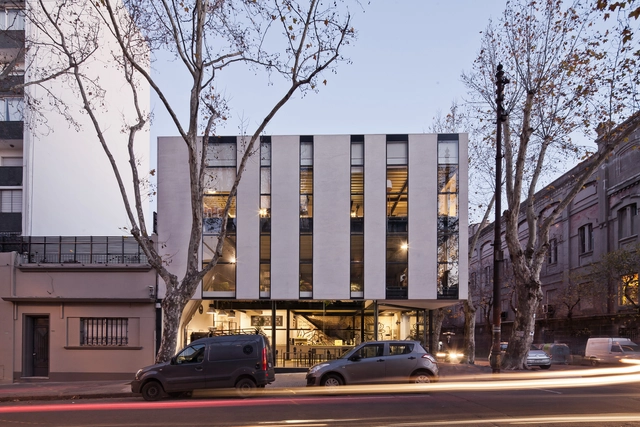
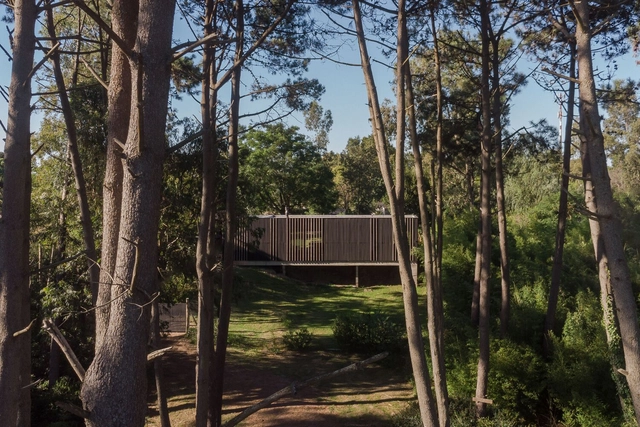
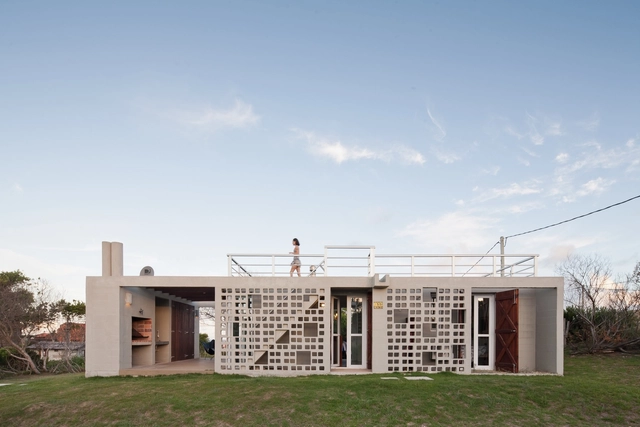
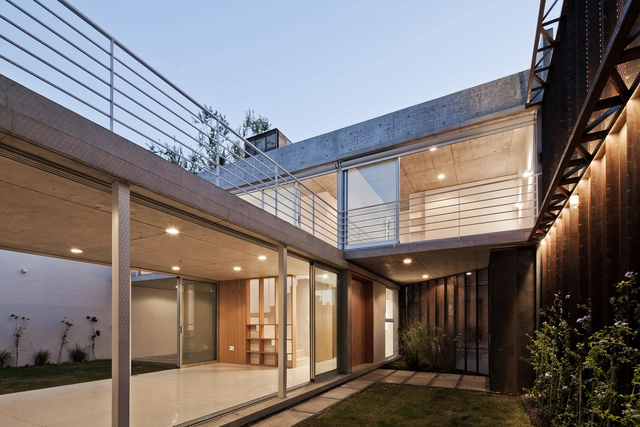
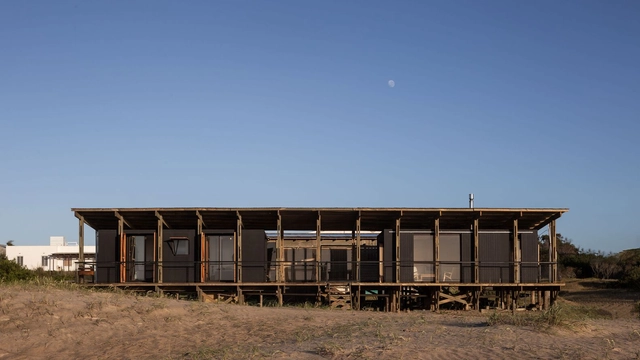
Countries that are part of the so-called “global south” have undergone many transformations in their cities and urban contexts in recent years due to the economic and social challenges they face. Urban growth, sustainable development, quality of life and health in emerging cities, and the development of their own cultural identity have been some of the issues that local architecture had to incorporate.
Young architects have understood the importance of making an architecture that is deeply rooted in their own territory while giving this architecture a clear local identity. By generating new typologies and using their own resources and materials, they have presented innovative, site-specific, and, above all, solutions with a new fresh focus towards what represents them as creators of this architecture.
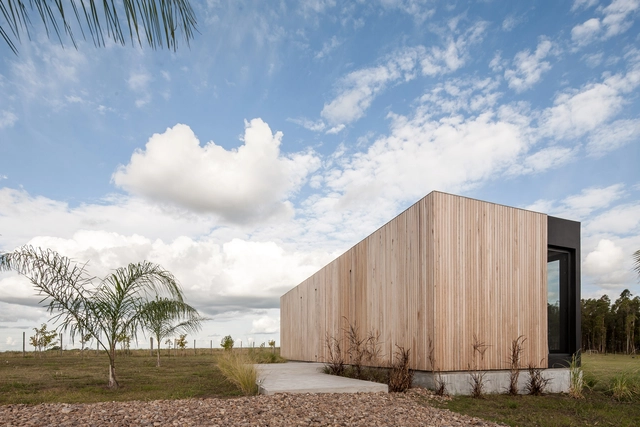




_Maria_Gonzalez.jpg?1629145604&format=webp&width=230&height=230&crop=true)
_Trie%CC%A3%CC%82u_Chie%CC%82%CC%81n_01.jpg?1629145656&format=webp&width=230&height=230&crop=true)
_Alex_shoots_buildings.jpg?1629229852&format=webp&width=230&height=230&crop=true)
_Leonid_Furmansky.jpg?1629230142&format=webp&width=230&height=230&crop=true)
_Simone_Bossi.jpg?1629234719)