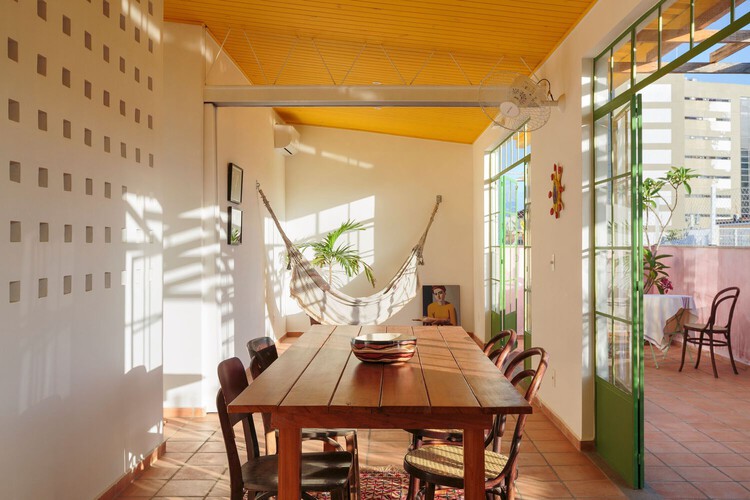
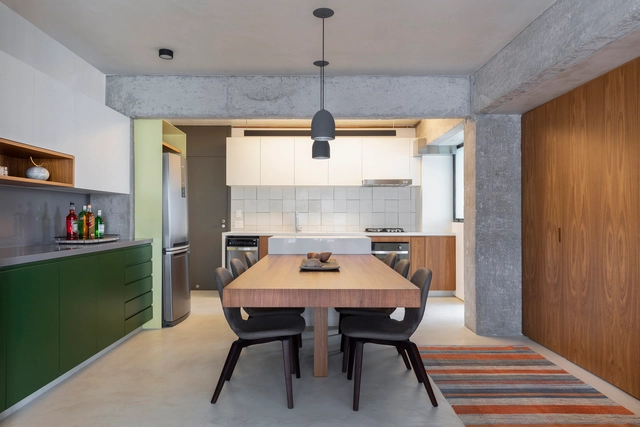
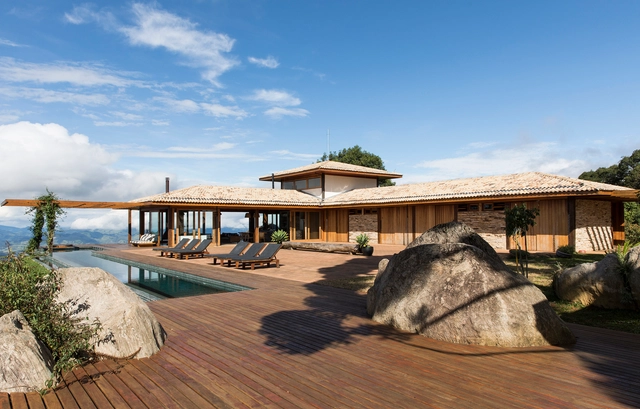
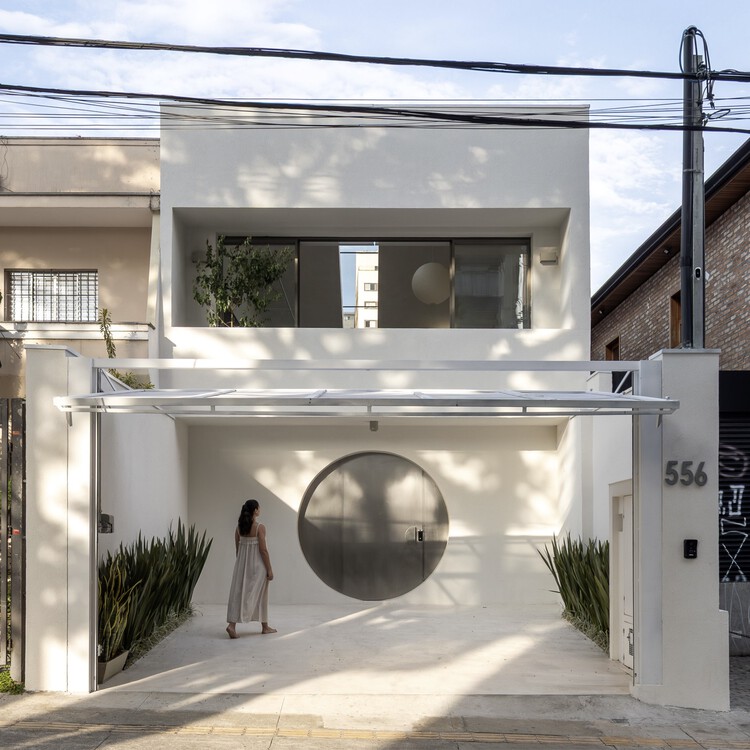
A color has a biography. A color can have an origin, but it can also transform. It can move between materials and disciplines, from a local practice into architecture, from something ordinary into something symbolic. It can lose one association and acquire another, or persist without anyone consciously thinking of it as cultural. Its life unfolds through the conditions in which it is produced, used, repeated, and inhabited. As these conditions change, so do the meanings a color can carry.
The interior is a place where these histories converge. A color inside a room can carry traces of a territory, a material practice, a climate or a history of inhabitation. Its presence does not necessarily depend on an intention to represent any of these things.
Color can become part of a place through the continuity of materials and ways of living, acquiring significance beyond the surface on which it appears.