


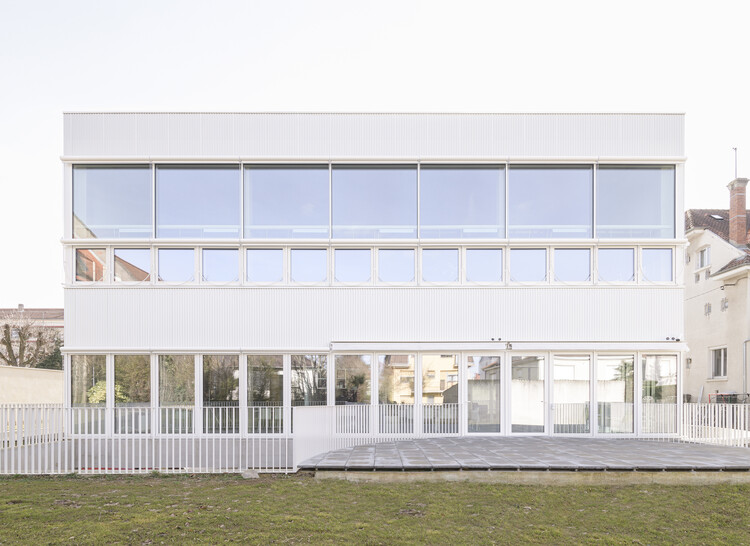


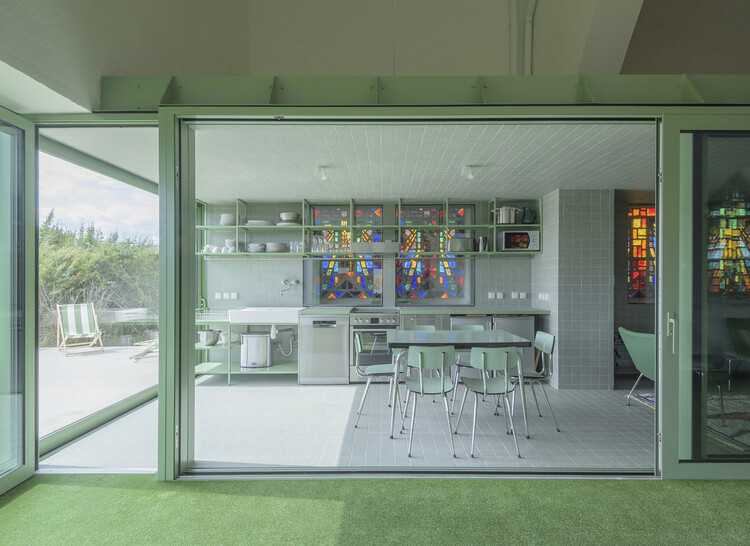
STATION-SERVICE / GENS


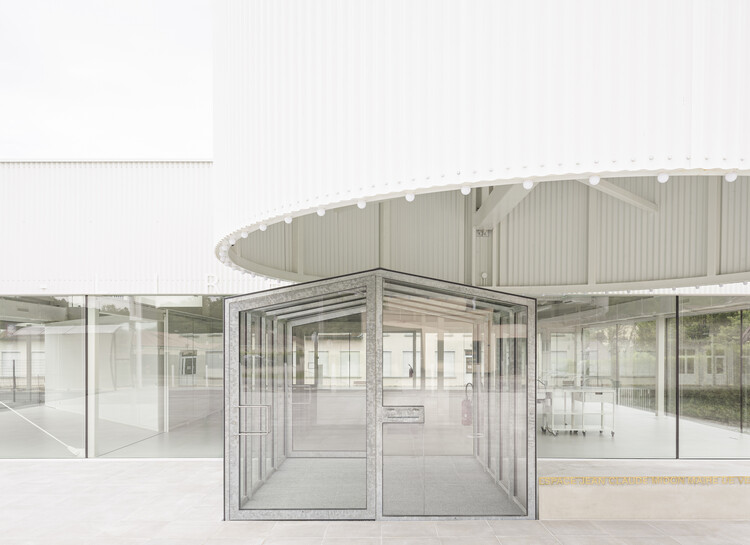
https://www.archdaily.com/1186133/station-service-gensCristina Popescu
Redefining Contemporary Rituals: Architectural Approaches in 17 Crematorium Projects
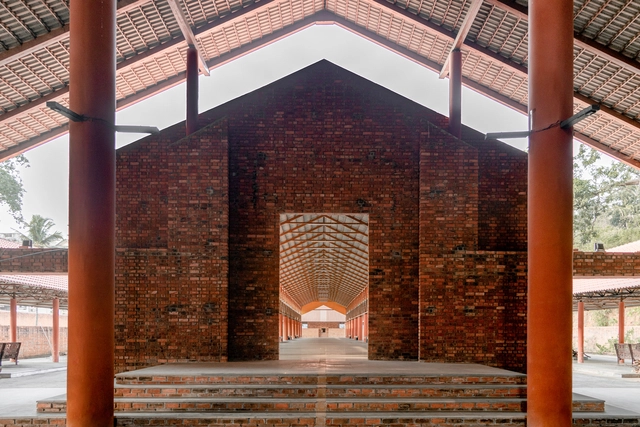
As people take greater control over the rituals surrounding their deaths, cremation has become an increasingly popular option worldwide. This shift has prompted the thoughtful design of spaces that address the profound emotions tied to cremation, life and death, and stillness. Architects are increasingly grappling with the question of what role architecture plays in these rituals.


https://www.archdaily.com/933355/the-architecture-of-the-crematorium-in-10-projectsNiall Patrick Walsh
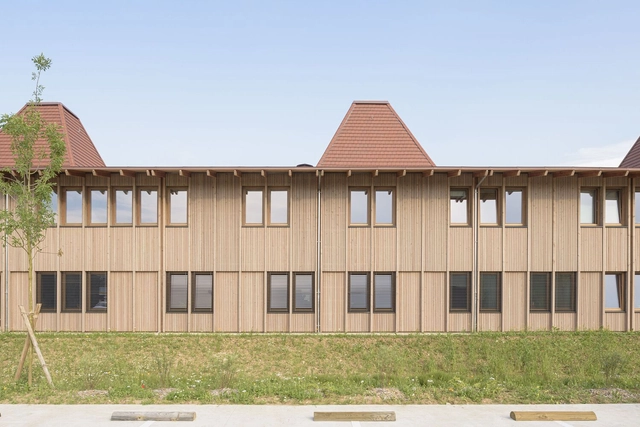
Moselle and Madon Community Headquarters / Studiolada


-
Architects: Studiolada
- Area: 2000 m²
-
Manufacturers: Alfred Klein, Apic, Avenna, Drouot Bat, Europ Revêtements, +3
-
Professionals: Barthes Bois, Oak Ingénierie, Fluid’Concept, AJA, Amàco, +14
https://www.archdaily.com/1023885/moselle-and-madon-community-headquarters-studioladaPilar Caballero
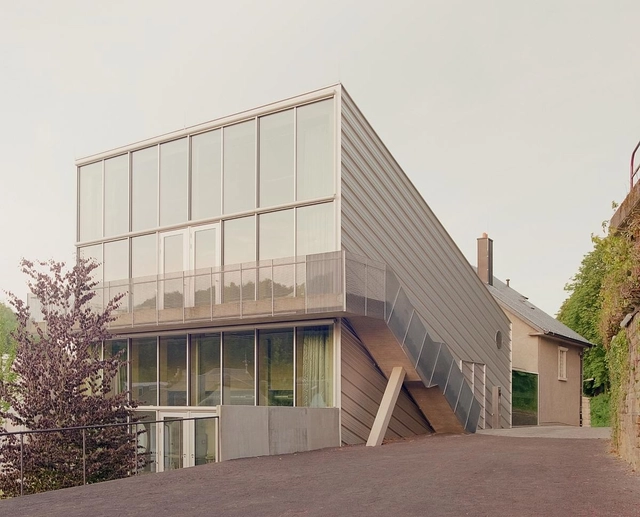
Spektrum Immersive Arts and Tourism Center / 2001 TBSI


-
Architects: 2001 TBSI
- Area: 660 m²
- Year: 2024
-
Professionals: NJOY Architecture Inside, Schroeder & Associés
https://www.archdaily.com/1017886/spektrum-immersive-arts-and-tourism-center-2001-tbsiHana Abdel
Health Municipal Clinic in Audun-Le-Roman / Studiolada


https://www.archdaily.com/1000868/health-municipal-clinic-in-audun-le-roman-studioladaPilar Caballero
Rethinking Traditional City Planning: 14 Projects from Emerging Practices in Europe
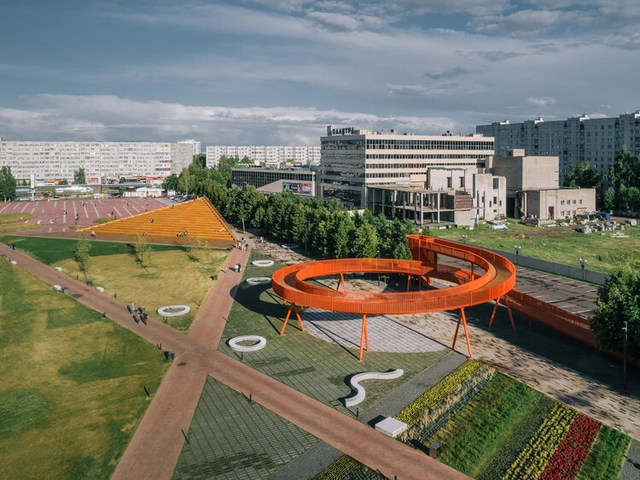
In the architectural world, unestablished practices are often overlooked, yet, by challenging the traditional dogmas of the industry, they can have a significant impact on the built environment. The Young European Architecture Festival (YEAH!) explores the work of these upcoming architectural offices, looking at how they share ideas visions and experiences at the European level. The event is divided in two sections: Habitats, exploring ideas of domesticity and the residential typology, and Hybrids, initiatives that are rethinking the traditional systems of city planning.
The following represents a selection of projects by emerging architectural practices selected by YEAH! For the Hybrids category. Many of these initiatives are challenging the ideas of public space, but in doing so, they are also shedding light on the larger social structures at play in these spaces. The selection includes community spaces, schools, transportation hubs, and even projects initiated by the architects themselves, who have noticed deficiencies in their environment and are working to not only correct them but to enhance their presence and empower the local community through them.


https://www.archdaily.com/992594/rethinking-traditional-city-planning-14-projects-from-emerging-practices-in-europeMaria-Cristina Florian
OSB Panels in Interiors: From a Humble Material to a Design Feature

From its outer skin to its structural framing system, a building is made out of many layers. Just like a human body, many of those layers – which tend to be the most crucial, functional components – remain unseen by the public, covered with aesthetic features. Among all the hidden elements, all buildings include sheathing, the outer casing that construction crews place to serve several key purposes: protect the floor, walls, roofs and ceilings, fortify the structure against internal and external forces, and cover the entire framework, giving the building a solid shape.
Wood is the most common material for sheathing, with Oriented strand board (OSB) panels usually being the top choice. Why? Made by compressing and gluing cross-oriented strands of wood together with heat-cured adhesives, OSB boards are lightweight, flexible, strong, versatile and fully recyclable. They also stand out by resisting deflection, warping and distortion, apart from offering some thermal and acoustic insulation. However, besides their good performance and mechanical properties, OSB is especially known for being cheaper than other alternatives, drastically saving both costs and time. In fact, this structural panel can be $3 to $5 less expensive than plywood, which explains why it is often considered its low-cost substitute.
https://www.archdaily.com/979946/osb-panels-in-interiors-from-a-humble-material-to-a-design-featureValeria Montjoy
Textured Fiber Cement: A More Sensory Architectural Experience
| Sponsored Content
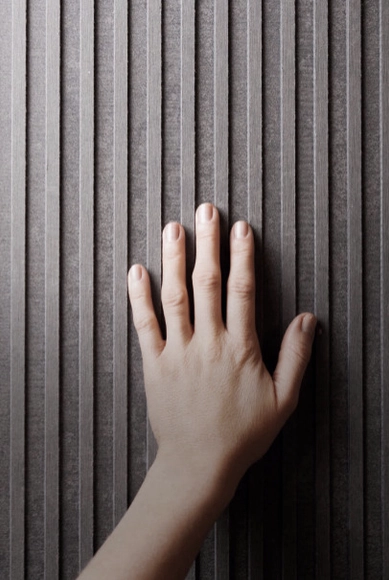
Claude Monet and Vincent van Gogh used the impasto technique extensively in their paintings. Both applied thick layers of oil paint over the canvas, usually one shade at a time, and it was up to the viewer's brain to mix the colors and create the desired effects. When dry, the paint forms reliefs and textures on the canvas, evoking a sense of movement. Even without being able to touch the screen, the texture of the brushstrokes gives a three-dimensionality to the painting, something that can only be fully observed by seeing the artwork live, looking at it from more than one angle and actually experiencing it.
In his famous book “The Eyes of the Skin: Architecture and the Senses,” Juhani Pallasmaa points to "a predilection in favor of vision and in detriment of the other senses in the way architecture was conceived, taught and criticized, as well as the consequent disappearance of sensory and sensual characteristics in arts and architecture." According to the author, "an architectural work is not experienced as a series of isolated retinal images, but in its fully integrated material, corporeal, and spiritual essence."
https://www.archdaily.com/964876/textured-fiber-cement-a-more-sensory-architectural-experienceEduardo Souza
COUR Funeral Home / GENS
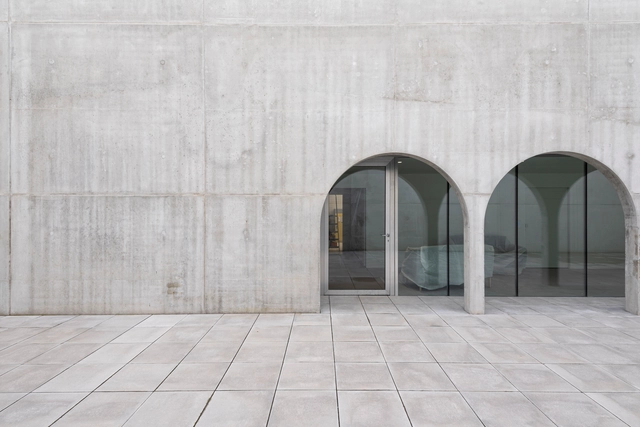


-
Architects: GENS
- Area: 542 m²
- Year: 2020
-
Professionals: TERRANERGIE
https://www.archdaily.com/959418/cour-funeral-home-gensPaula Pintos
From Barns to Homes: Adaptive Reuse Projects in Europe's Rural Landscapes
.jpg?1605191876&format=webp&width=640&height=580)


.jpg?1605191876)
The barn, closely related in nature to silos and sheds, is an essential building typology in rural and agricultural landscapes. Featuring highly simple and functional design solutions, barns serve specifically as storage spaces for large volumes of livestock feed and are commonly characterized by high ceilings, generous spans, and relative spatial flexibility, protecting hay and grain from the sun, rain, moisture, and animals.
https://www.archdaily.com/1124132/from-barns-to-homes-adaptive-reuse-projects-in-europes-rural-landscapesBelén Maiztegui
From Barns to Houses: Contemporary Adaptation of Agricultural Architecture in Europe
.jpg?1605120958&format=webp&width=640&height=580)


.jpg?1605120958)
Much like silos and raised granaries, the barn is an essential building typology in agricultural storage. Their designs are typically simple and functional. Specifically serving as storage facilities for large volumes of raw materials, they are characterized by high ceilings, wide spans, and relative flexibility, protecting agricultural products—such as cereals, fruits, grains, straw, and hay—from the sun, rain, moisture, and pests.
https://www.archdaily.com/1123921/from-barns-to-houses-contemporary-adaptation-of-agricultural-architecture-in-europeBelén Maiztegui
Hangar / GENS
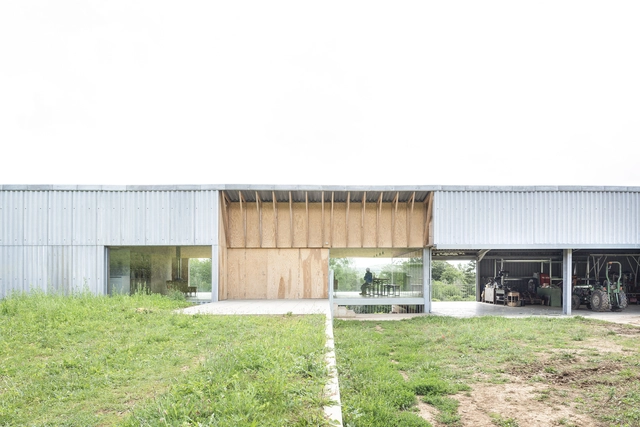


-
Architects: GENS
- Area: 676 m²
- Year: 2020
-
Professionals: TERRANERGIE
https://www.archdaily.com/949450/hangar-gensPaula Pintos
Hangar Individuel House / GENS


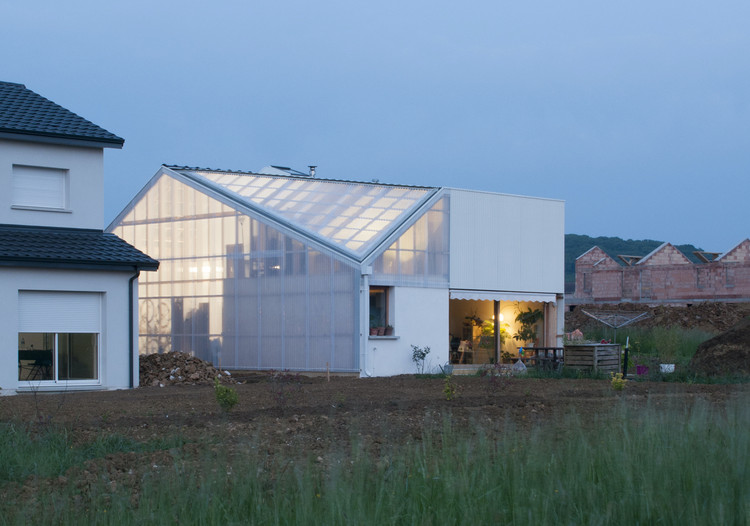
https://www.archdaily.com/947986/hangar-individuel-house-gensPaula Pintos
Housing for the Elderly: Examples of Independent and Community Living

Architecture is constantly changing and adapting to new needs, which are linked to social, economic, technological, political, and demographic changes. In this sense, the aging population is one of the most outstanding changes of the 21st century: The increase in life expectancy and the decrease in fertility rates mean that the older population is increasingly numerous. How can architecture help to provide a better quality of life, promote the autonomy, dignity, and well-being of the elderly?


https://www.archdaily.com/941691/housing-for-the-elderly-examples-of-independence-and-community-livingClara Ott
Groupwork Architects Investigate the Sustainable Advantage of Structural Stone
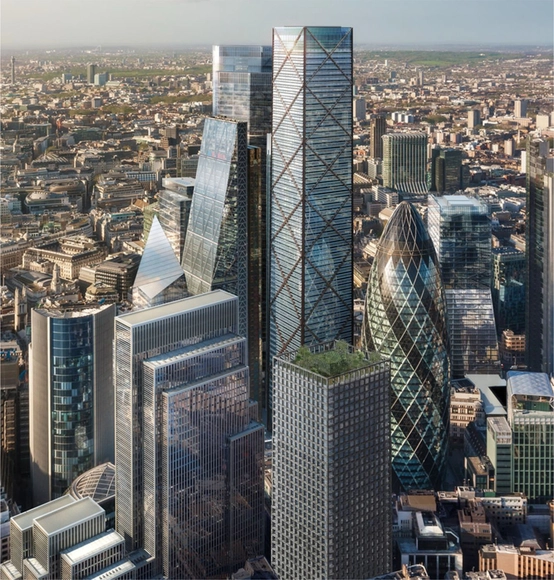
Groupwork, in collaboration with Jackson Coles, Eight Associates, Webb Yates, The Stonemasonry Company and Polycor, is investigating the possibilities to build large commercial buildings in stone, through the Stone Tower Research project and The New Stone Age exhibition.


https://www.archdaily.com/935384/groupwork-architects-investigate-the-sustainable-advantage-of-structural-stoneChristele Harrouk
Plainfaing Tourist Office (88) / Studiolada
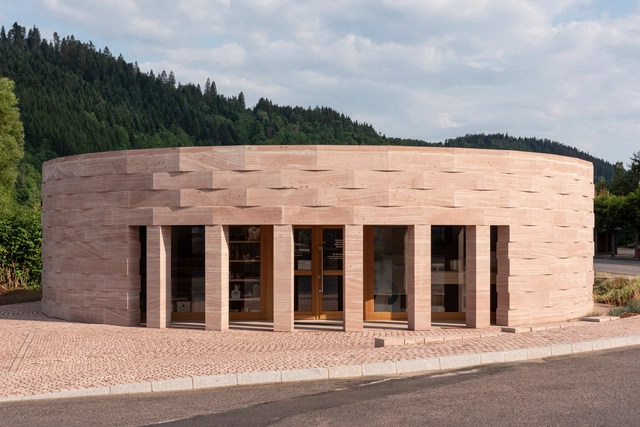


-
Architects: Studiolada
- Area: 160 m²
- Year: 2019
-
Manufacturers: Altan, Il était un arbre
-
Professionals: Barthes Bois, Fluid’Concept, Sigma
https://www.archdaily.com/930434/plainfaing-tourist-office-88-studioladaPaula Pintos