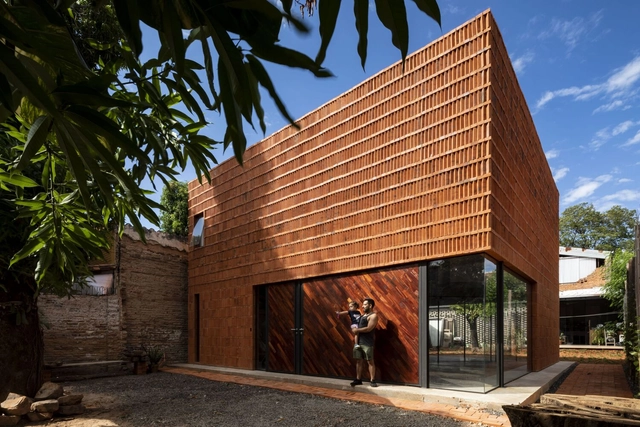


-
Architects: Oficina de arquitectura X
- Area: 125 m²
- Year: 2022
What design strategies or new technologies can be integrated into architectural design without compromising the environment? In recent years, renewable energy has been gaining significant momentum worldwide, and photovoltaic solar energy is one of many showing exponential growth.
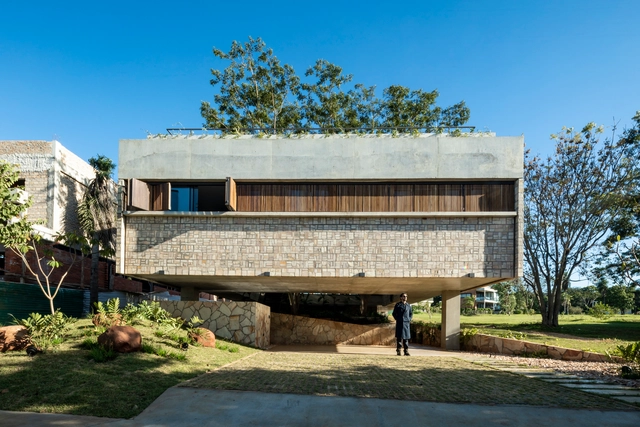
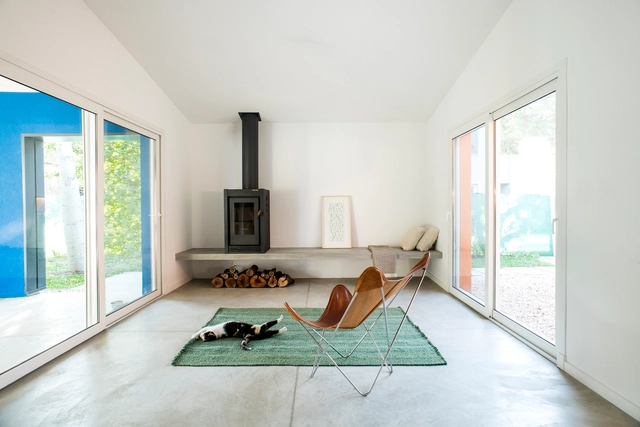
Originating as protection against low temperatures around 3,500 years ago, carpets and rugs have, over time, evolved into a true art form, reaching a high level of specialization by the 16th century. Rugs, carpets, and tapestries of various shapes, colors, textures, and patterns are integrated into different areas of the home to meet users' needs and enhance spatial comfort, sometimes extending far beyond their original purpose.

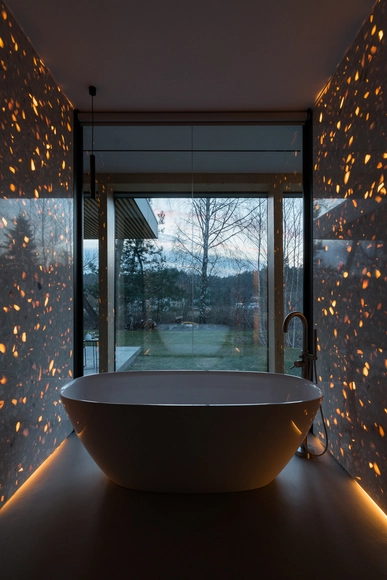
If, on the one hand, bathrooms have a certain rigidity when we think about the layout and their spatial arrangement, it is in the floor and wall coverings that this logic is inverted. With the wide variety of models and patterns available on the market, ceramic tiles and porcelain tiles are often used to give quality and identity to space. At the same time, the ease of access to ceramic and porcelain tiles, as well as their ease of installation, end up conditioning our choices, making it difficult to think of other finishing possibilities for these areas.
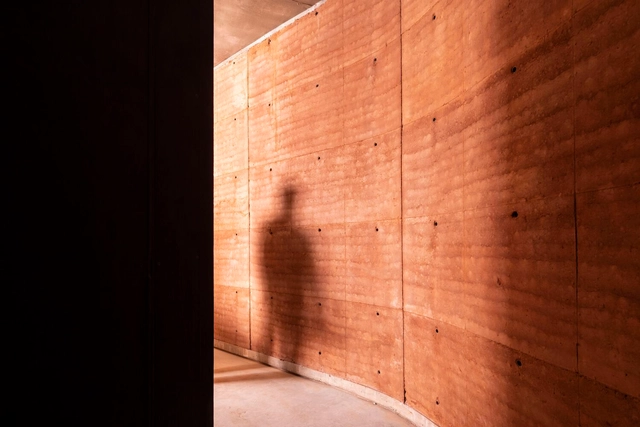
The concept of aesthetics goes back to the Greek civilization and refers to perception through the senses. Despite being a philosophical concept, in architecture, aesthetics is used to translate architectural ideologies and concepts from the set of constructive elements, forms and materials, being intrinsically linked to the physical shape of a building and, therefore, bound to a social, economic and political context. In addition to a discussion of tastes, architectural aesthetics is a source of historical reading and analysis.


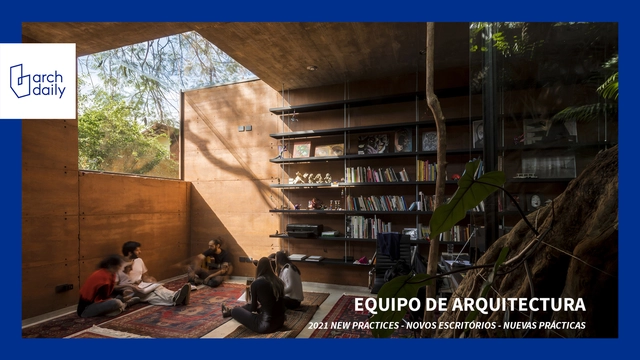
Equipo de Arquitectura was founded by Horacio Cherniavsky and Viviana Pozzoli in 2017. From Paraguay, their works such as Earth Box or Intermediate House translate the vision of an architecture that deals with the primitive and essential. One that constantly seeks to integrate the existing natural environment with the artifice, the built. In particular, bringing material sincerity as a design ethic.
Selected by ArchDaily as one of the Best New Practices of 2021, we conducted the following interview to tell us more in detail about all their inspirations, motivations and ways of working.
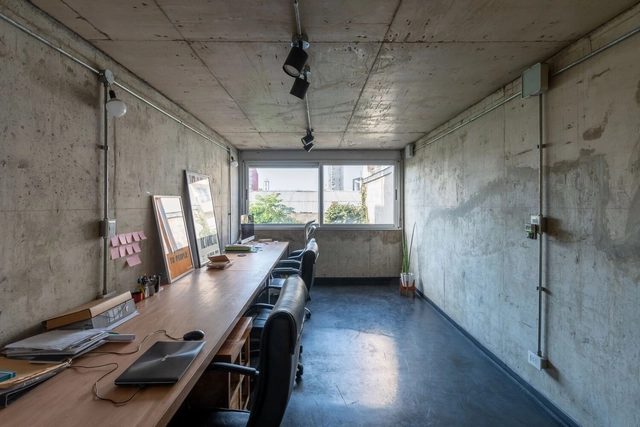
Pipes, wiring and ducts of different materials in walls, ceilings and roofs make up all the spaces we walk through and inhabit. They represent the set of networks and equipment necessary for the development of life in our buildings, providing services such as water, electricity or gas, among many others. According to the regulations in each country and the use defined in each space, the installations can be left visible, giving a certain character and aesthetic to interior spaces.

As our world evolves at an unprecedented pace, the challenges that come with it are becoming more and more complex. The questions faced by the cities and networks of our global world, the physical and virtual environments where our evolution takes place, are making architecture more relevant than ever.
The issues of the built environment are no longer exclusive to the incumbents who build and design it and have become transversal questions in our society. From the citizens who question the quality of their public spaces to the self-trained builder erecting a tiny house in the woods, to the homeowners using an app to codesign their interiors during lockdown, we want to have a saying and we want to take action. Why does architecture have to be so uncertain, so distant?
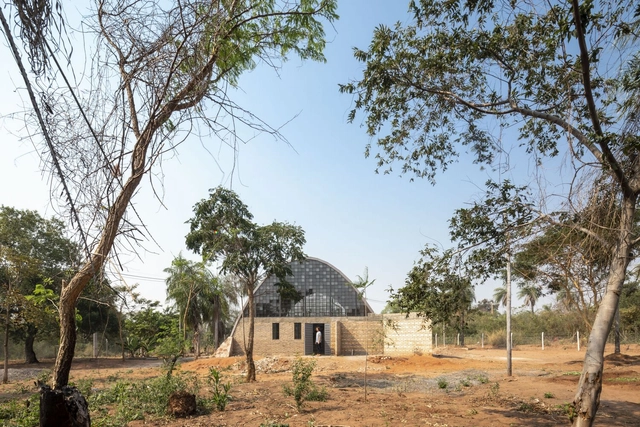
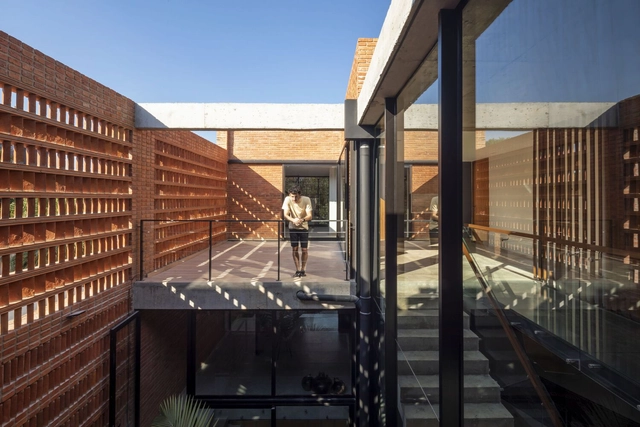
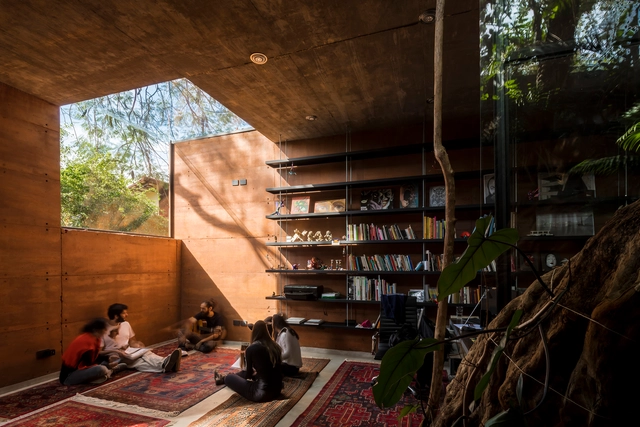

On November 20, the 2020 Panamerican Architecture Biennial of Quito (BAQ 2020) announced the winners of the present edition. Every other year, the BAQ "invites to discuss contemporary production of the built environment, aiming to improve the practice of our profession" in the Americas.


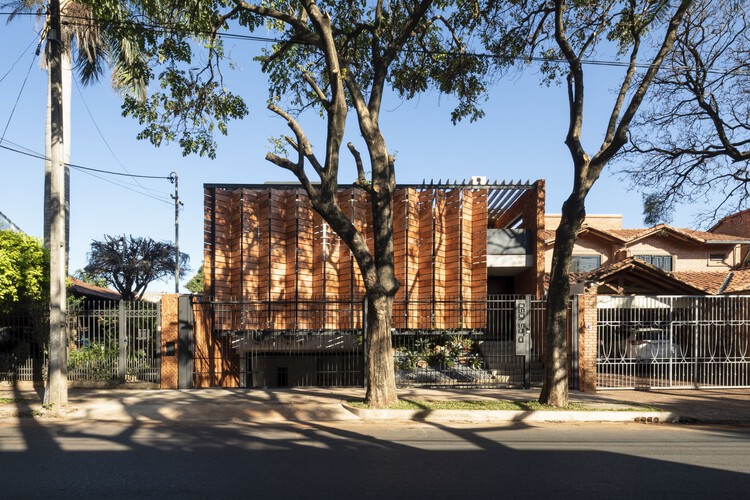


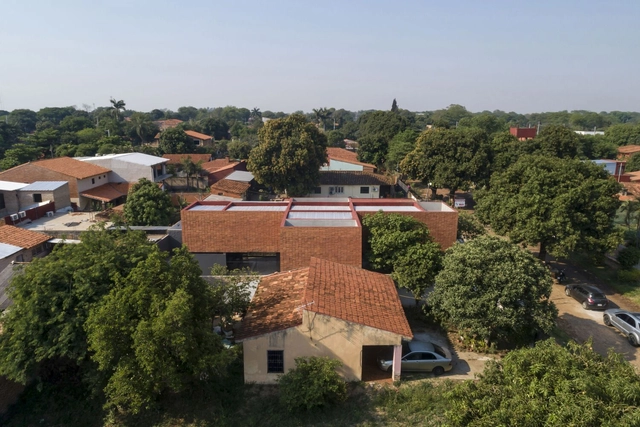


.jpg?1532301546&format=webp&width=230&height=230&crop=true)


