.jpg?1559207593&format=webp&width=640&height=580)
.jpg?1559207947&format=webp&width=230&height=230&crop=true)
.jpg?1559207882&format=webp&width=230&height=230&crop=true)
.jpg?1559207058&format=webp&width=230&height=230&crop=true)
.jpg?1559208195&format=webp&width=230&height=230&crop=true)
.jpg?1559207593)
-
Architects: Sidell Pakravan Architects
- Area: 3000 ft²
- Year: 2018
-
Manufacturers: Bonelli, Henrybuilt, La Cantina
-
Professionals: Lemma Construction



As we have seen throughout the history of architecture, ephemeral installations and pavilions are important tools for talking about specific moments in architecture in an almost immediate way. While it is true some pavilions have been so relevant that they broke with their ephemeral quality to become permanent, such as the German Pavilion in Barcelona, designed by Ludwig Mies van der Rohe and Lilly Reich, most are documented in photographs, plans and experiences to be rewritten in future projects.
_5738.jpg?1556027783&format=webp&width=640&height=580)
Although ancient buildings carry compelling architectural presence, demolition or radical change is often their fate. While some architects prefer to introduce thoroughly new structures, others choose to honor the works of historic architects, who built the basis and foundations of structures that helped shape up cities today.
For the refurbishment of Paris’ Hotel Fouquet Barrière, located one block facing Avenue des Champs Elysées, Edouard François was selected to renovate the entire property, including offices, spa services, façade, and courtyards. François’ design strategy was rather unambiguous, using only two keywords as reference: “COPY-EDIT”; a reinterpretation of the “old” through contemporary technologies and modified material.
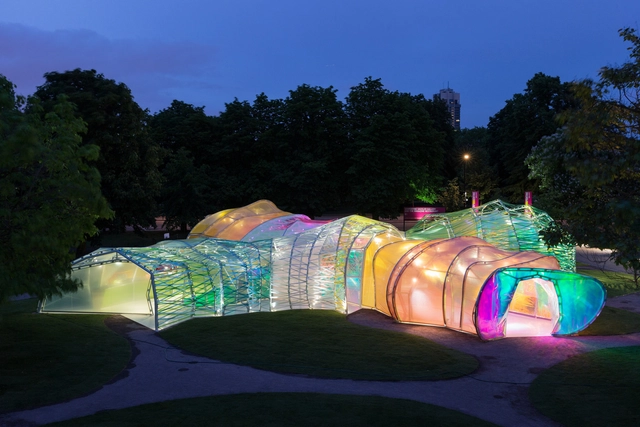
The 2015 Serpentine Pavilion, designed by SelgasCano, is to be relocated to Los Angeles where it will offer free public programs throughout the summer. Organized by Second Home, a London-based social business supporting creativity in cities, and the Natural History Museums of Los Angeles County (NHMLAC), the initiative will use the structure as a flexible, multi-purpose social space hosting programs intersecting art, design, science, and nature.
.jpg?1556185607&format=webp&width=230&height=230&crop=true)
.jpg?1556185648&format=webp&width=230&height=230&crop=true)

.jpg?1556185635&format=webp&width=230&height=230&crop=true)

_0819.jpg?1555075404&format=webp&width=640&height=580)
Over the past few days, exceptional products have been exhibited at the Salone del Mobile, ranging from furniture pieces and light fixtures, to textiles and finishes. As part of Milan Design Week, the Salone saw impressive collaborations with architects and the use of never-seen-before materials, all displayed at the Milan Fairgrounds, while some projects — too grand and imposing for a constraint exhibition — took place at the second part of the event, the Fuorisalone.
Take a look at some of the most remarkable outdoor installations at the Milan Design Week 2019 captured by the lens of architectural photographer Laurian Ghinitoiu.
_.jpg?1553955025&format=webp&width=640&height=580)
Under heavy bombing, buildings seem to have only one fate: destruction. Severely damaged during the Spanish Civil War, the 13th-century Gothic Church of Vilanova de la Barca (Lleida, Spain) remained abandoned since 1936.
It was only almost 80 years later that the remnants of the structure – parts of the naves, the west façade and the apse towards the east– went through a restoration and refurbishment process. This time, however, the building was not meant to be used as a church but as a multi-purpose hall.
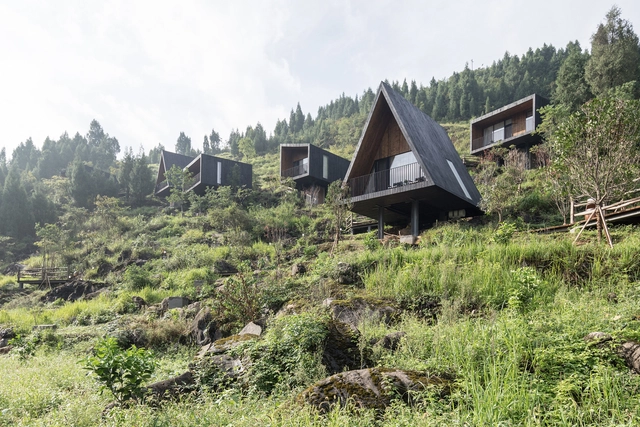
Enquanto meio de representação da arquitetura, a fotografia apresenta qualidades indiscutíveis. Com ela, é possível apresentar a um público distante obras erguidas em qualquer lugar do mundo, de vistas gerais a espaços internos e pormenores construtivos - ampliando o alcance e, de certo modo, o acesso à arquitetura.
Entretanto, como qualquer outra forma de representação, não é infalível. Na medida que avanços tecnológicos permitem fazer imagens cada vez mais bem definidas e softwares de edição oferecem ferramentas para retocar e, por vezes, alterar aspectos substanciais do espaço construído, a fotografia, por sua própria natureza, carece de meios para transmitir aspectos sensoriais e táteis da arquitetura. Não é possível - ao menos não satisfatoriamente - experienciar as texturas, sons, temperatura e cheiros dos espaços através de imagens estáticas.
_7061.jpg?1550506965&format=webp&width=640&height=580)
As industry has shifted over the past century, in format, location, and type, the manufacturing and industrial spaces scattered across the western world have been repurposed. You have no doubt seen these structures, though perhaps without realizing. The large windows, high ceilings, and open floor plans optimized for factory work now mark the territory of the “creative class”. Such spaces have been disproportionately appropriated by creative industries such as arts and architecture; think of Herzog + de Meuron’s renovation of the Tate Modern (from a former power station) or the recent collaborative transformation of a locomotive yard into a library in the Netherlands.

The Serpentine Galleries, Google Arts & Culture and trustee David Adjaye have released a call for augmented reality (AR) architecture proposals to run alongside the 2019 Serpentine Pavilion this summer. Applicants are asked to propose "imaginary city spaces and speculations on the built environment to be developed and experienced” in AR onsite at the galleries. The call invites applicants to consider AR as a digital layer that offers new opportunities to design, visualize and experience.

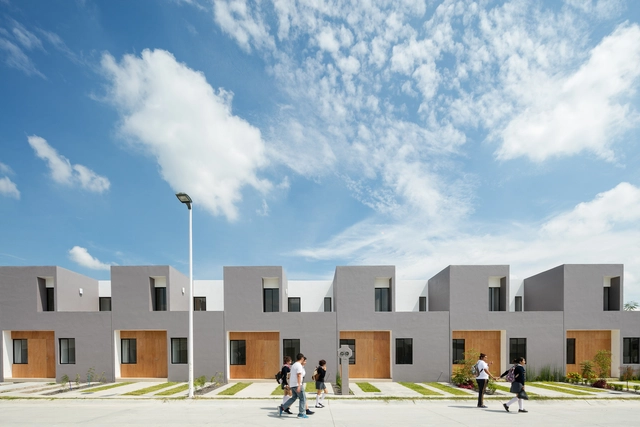
The Architectural League of New York has announced the winners of it's 2019 Emerging Voices, an award given annually to eight individuals/practices based in the US, Canada, or Mexico. The Emerging Voices program, which is now in its 37th year, seeks to spotlight the distinctive design voices with the potential to influence the field of architecture.
The Emerging Voices award program has long been considered one of the most prestigious in North American architecture; a large portion of the 250 awarded practices are now well-known internationally.
.jpg?1548680939&format=webp&width=640&height=580)
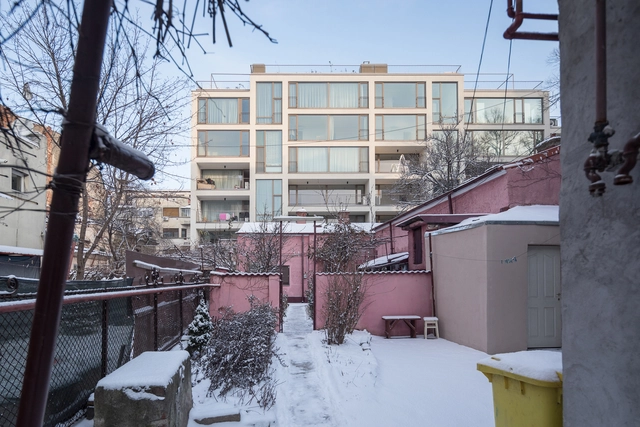
Occidentului Street is fairly typical for Bucharest - a combination of villas, wagon-houses, inter and post-war structures. ADN BA's Occidentului 40, recognized in the EU Mies Prize's 2019 shortlist, is a masterclass in architectural detail and subtlety. The volume is composed of blocks, each responding to the heights and rhythms of the surrounding context.
.jpg?1545878015&format=webp&width=640&height=580)
The practice of acclaimed Swiss architect duo Christ and Gantenbein will join together on stage to discuss past and future projects.
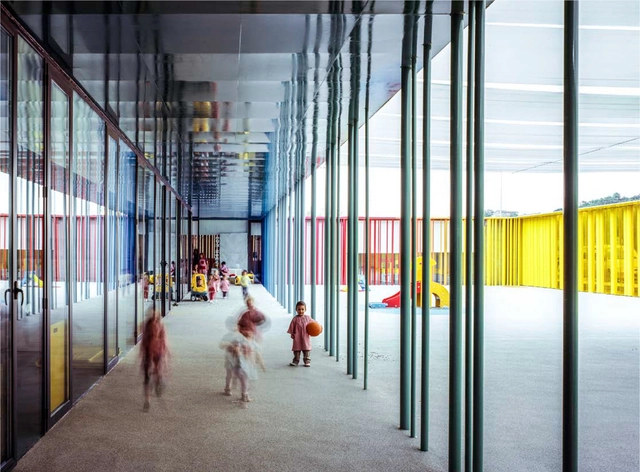
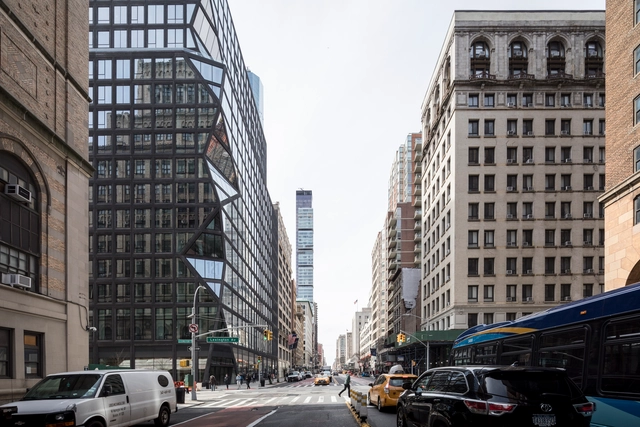
For those in the northern hemisphere, the last full week in January last week kicks off with Blue Monday - the day claimed to be the most depressing of the year. Weather is bleak, sunsets are early, resolutions are broken, and there’s only the vaguest glimpse of a holiday on the horizon. It’s perhaps this miserable context that is making the field seem extra productive, with a spate of new projects, toppings out and, completions announced this week.
The week of 21 January 2019 in review, after the break:
.jpg?1545830119&format=webp&width=640&height=580)
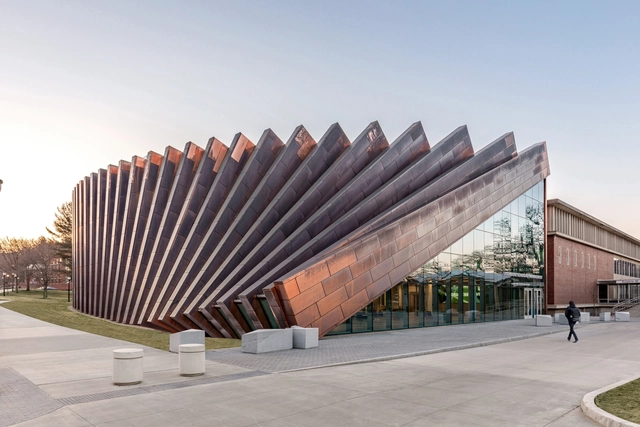
On the surface, designing a new art museum for Harvard University is a brief so straightforward that it sounds like part of university curriculum itself. The program lends itself to the type of light and airy spaces architects dream of creating; the campus site promises both steady and engaged traffic. But, for all the apparent advantages, the road to realizing Harvard’s Art Museums was a deceptively complex one - one that ultimately took six years to see realized.


_5498.jpg?1556027648&format=webp&width=230&height=230&crop=true)
_5957.jpg?1556027812&format=webp&width=230&height=230&crop=true)
_5926.jpg?1556027680&format=webp&width=230&height=230&crop=true)
_7973.jpg?1556027669&format=webp&width=230&height=230&crop=true)
_5738.jpg?1556027783)


_0942.jpg?1555075486&format=webp&width=230&height=230&crop=true)
_0885.jpg?1555075448&format=webp&width=230&height=230&crop=true)
_1081.jpg?1555075537&format=webp&width=230&height=230&crop=true)
_1351.jpg?1555075661&format=webp&width=230&height=230&crop=true)
_0819.jpg?1555075404)
_.jpg?1553955147 "© Laurian Ghinitoiu")
_.jpg?1553955015 "© Laurian Ghinitoiu")
_.jpg?1553955174 "© Laurian Ghinitoiu")
_.jpg?1553955102 "© Laurian Ghinitoiu")
_.jpg?1553955025)


.jpg?1548681022&format=webp&width=230&height=230&crop=true)
_(1).jpg?1548680915&format=webp&width=230&height=230&crop=true)
.jpg?1548680888&format=webp&width=230&height=230&crop=true)
.jpg?1548680878&format=webp&width=230&height=230&crop=true)
.jpg?1548680939)


.jpg?1545830295&format=webp&width=230&height=230&crop=true)
.jpg?1545830180&format=webp&width=230&height=230&crop=true)
.jpg?1545830625&format=webp&width=230&height=230&crop=true)
.jpg?1545830360&format=webp&width=230&height=230&crop=true)
.jpg?1545830119)