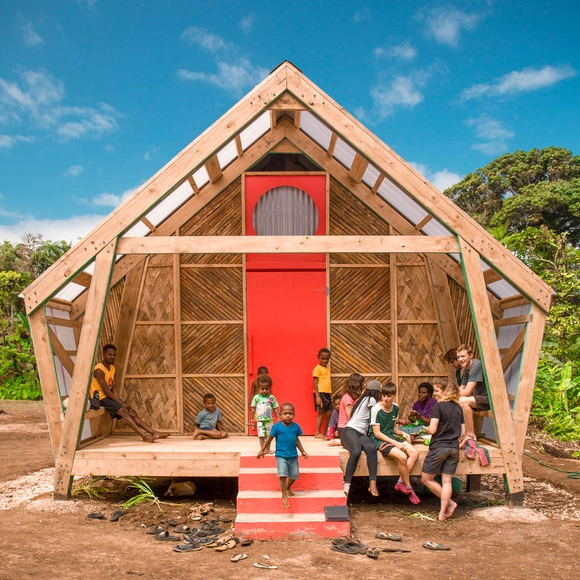
Architecture holds power beyond the creation of buildings - it is a practice that shapes how people live, interact, and thrive within their communities. Architecture can also be a tool for social innovation. Through an understanding of human-centered processes, participatory design, and social sciences, practitioners can address societal challenges such as loneliness, inequality, and public health to equip spaces as vehicles for social equity and engagement. Architecture's role in shaping the future of communities is a direct response to human needs and activated social change.
Moving away from top-down approaches, contemporary practices embrace more inclusive and participatory models and design processes. Participatory planning, a notion that prioritizes involving the entire community in the decision-making process, has earned widespread recognition and popularity globally. Cities across the world have interpreted participatory planning to fit their unique needs, using technology and government resources to expedite and enhance the process.
With the construction sector getting back into full swing and major upcoming projects being announced, a larger workforce is getting ready to take on these colossal works. Accordingly, on-site presence and inspections are critical and essential to creating good architecture and constitute significant learning instances for architects or engineers looking to build expertise. But despite all these new endeavors that promise new technologies, a more sustainable future, and better ways of living, one old issue prevails the presence of gender discrimination on the construction site.
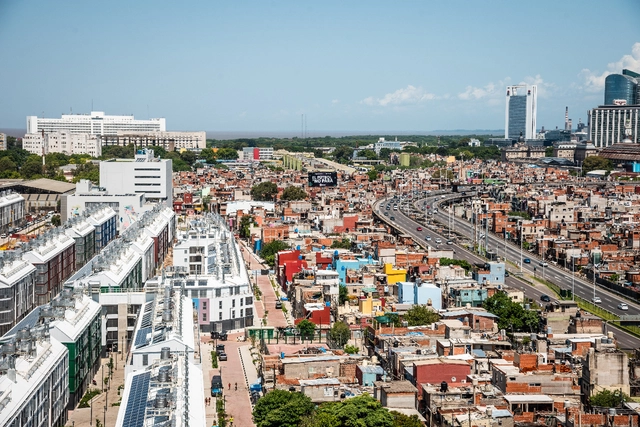
Housing Upcycle Program, Barrio Mugica of Buenos Aires. Image Courtesy of Special Project Unit Barrio Padre Carlos Mugica, Buenos Aires City Government
Organized under six categories: Open Category, Improving Energy Efficiency, Adequate, Safe & Affordable Housing, Participatory, Land-Use Efficient & Inclusive Planning, Access to Green & Public Space, and Utilizing Local Materials, the jurors picked a winner per section, yet were unable to identify an overall winner in the open category and chose instead to recognize six projects as Highly Commended, honoring in total 5 laureates and 15 commendations.
Four emerging architecture studio profiles from Italy, Switzerland, UK, USA, India, and Brussels have been chosen by New Generations, a European platform that analyses the most innovative emerging practices at the European level, providing a new space for the exchange of knowledge and confrontation, theory, and production. Since 2013, New Generations has involved more than 300 practices in a diverse program of cultural activities, such as festivals, exhibitions, open calls, video interviews, workshops, and experimental formats.
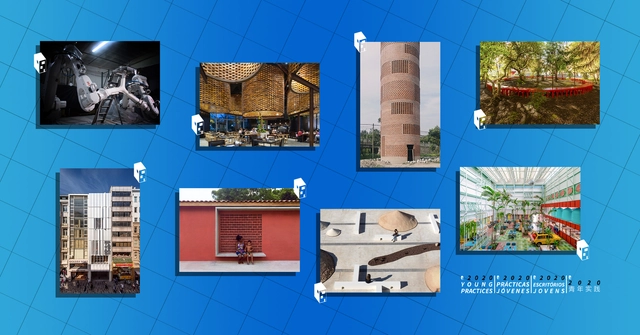
ArchDaily is proud to announce the 2020 Young Practices selection. This premier edition highlights emerging offices that are providing innovative approaches, proposals, and solutions to some of the main challenges Humankind is facing right now. From climate crisis to racial and gender issues. From technological disruption to social cohesion. These challenges are shaping the evolution of architecture, leading the discipline towards a new society and a new economy.
Chosen from over 350 submissions from 72 countries and 215 cities, all over the world, the selected firms reflect the sequential changes architecture has been navigating through over the last twenty years, with the rise and latter consolidation of new technologies, tools, formats, topics, scales, and interdisciplinary approaches.
Through the past few months, the importance of community interaction and mental well-being has been felt by all. Yet, the need for a support system and constant reassurance has been a recurrent issue for much longer for forcibly displaced populations. Adding to the current health fears these communities, estimated at nearly 70.8 million ( 25.9 refugees only) around the world, struggle with traumas, mental health issues and have much difficulty in adapting to temporary or permanent foreign settings.








.jpg?1656364895 "Co-creation of Urban Spaces by the Nobogonga River. Image Courtesy of Co.Creation.Architects, Jhenaidah Citywide People's Network, Platform of Community Action and Architecture (POCAA), Community Architects Network (CAN)")


.jpg?1645781972&format=webp&width=230&height=230&crop=true)
.jpg?1645781751&format=webp&width=230&height=230&crop=true)
.jpg?1645782629&format=webp&width=230&height=230&crop=true)







_Ahmed_Hossam_Saafan.jpg?1589841779&format=webp&width=640&height=580)
_Thomas_Noceto.jpg?1589908222&format=webp&width=230&height=230&crop=true)
_Rizvi_Hassan.jpg?1589841727&format=webp&width=230&height=230&crop=true)

_Katie_Edwards.jpg?1589908688&format=webp&width=230&height=230&crop=true)
_Ahmed_Hossam_Saafan.jpg?1589841779)