

-
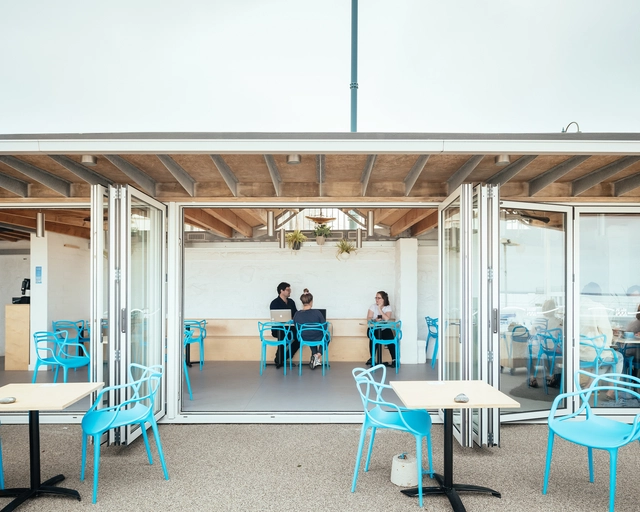
Architects: ScottWhitbyStudio
- Area: 266 m²
- Year: 2021
-
Manufacturers: ESW
-
Professionals: WebbYates Engineers, Catliing Construction
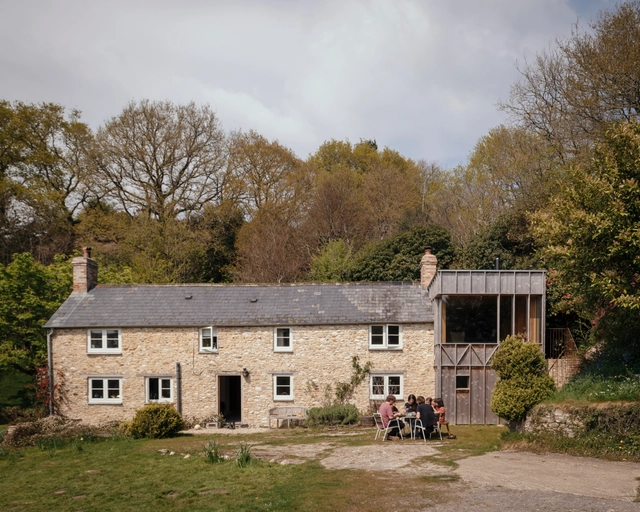
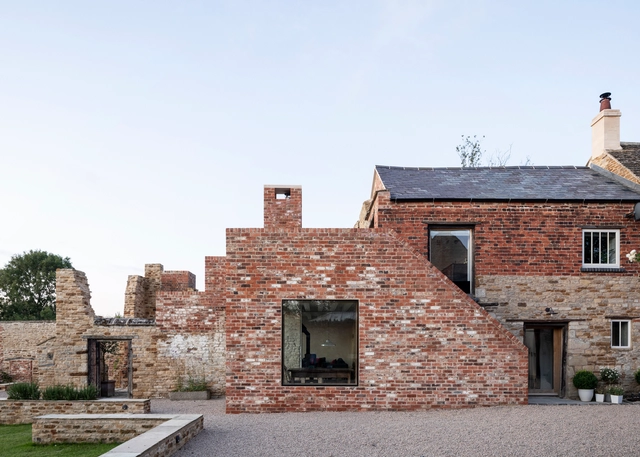
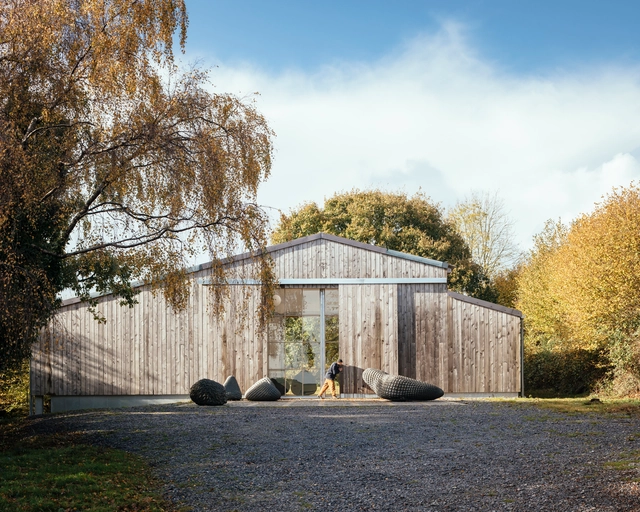
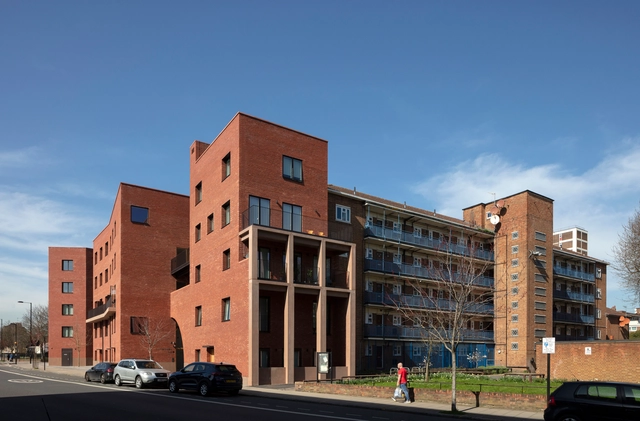
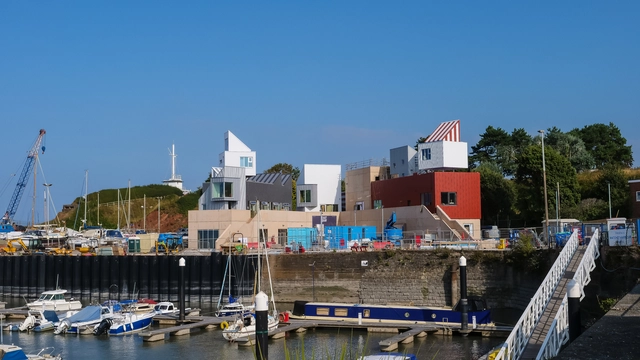
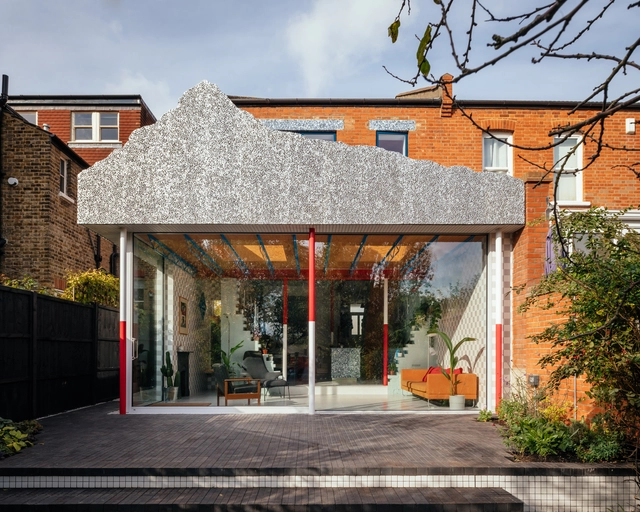
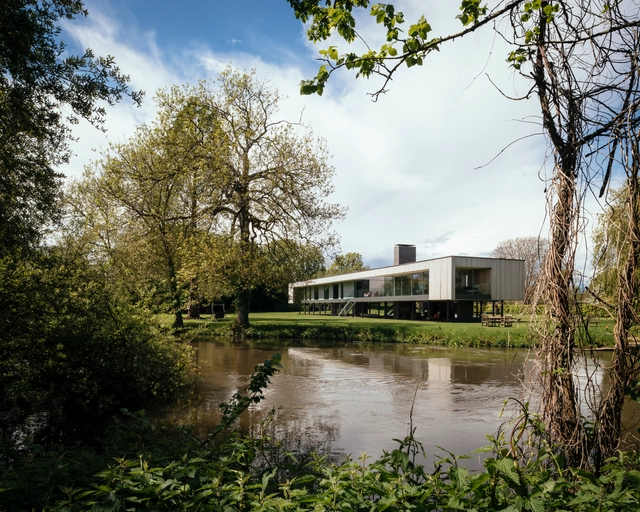
The Royal Institute of British Architects (RIBA) has announced the 29 winners of the 2022 RIBA National Awards for architecture. Ranging from net-zero carbon office buildings to family homes, schools and education facilities, urban developments and cultural buildings, this year’s projects provide an insight into the key trends that shape UK’s architectural and economic environment. Many projects focused on uniting communities, by creating spaces as a result of a collaboration between the local residents and the architects, or by offering unique venues for musical or cultural events. The future of housing was also addressed, with projects illustrating a vision for modern rural living or creating new city blocks centered around community gardens. Another area of interest was the restoration and adaptation of existing buildings, be it a 900-year-old former dining hall of the Cathedral or an iconic 1950s Modernist house.
_2.jpg?1653224708&format=webp&width=640&height=580)
Syrian architects Marwa Al-Sabouni and Ghassan Jansiz bring an Arabic-inspired architectural element to the seafront of Hove as part of this year’s Brighton Festival. The temporary pavilion is built in the shape of the traditional arcade called The Riwaq. Conceived as a place that brings people together, the installation will host free cultural and community events, all organized as part of England’s largest annual multi-arts festival. Established in 1967, the Brighton Festival celebrates music, theatre, dance, art, film, literature, debate, and outdoor events in various locations across Brighton, Hove, and East Sussex.
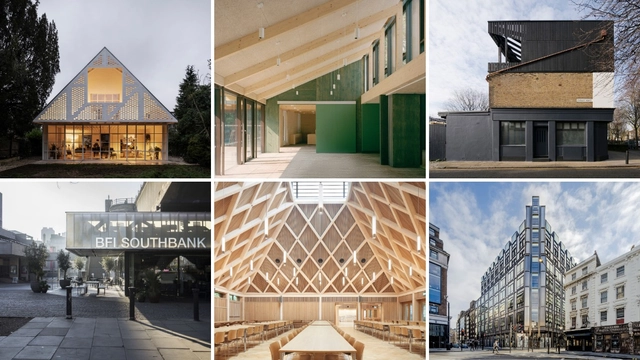
The Royal Institute of British Architects (RIBA) has announced the winning projects for the 2022 RIBA London architecture awards. The list of 42 buildings includes projects ranging from a sustainable council housing development to a cookery school for children, showcasing the best architectural interventions in London over the past two years. The projects were selected by a regional jury, who visited all 66 shortlisted projects. RIBA London Award winners will now be considered for a highly-coveted RIBA National Award in recognition of their architectural excellence, which will be announced in June.
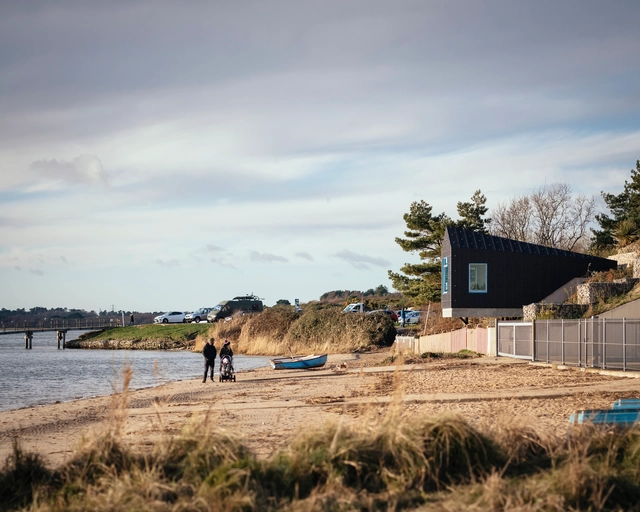


Functionality, good ventilation, comfortable lighting, and access to views are some of the important required characteristics that make for human comfort in inhabited or occupied spaces. Nonetheless, those elements are becoming harder to achieve within smaller city dwellings. Architects and individuals, therefore, turn towards design solutions to create more agreeable and personalized settings.
An initial solution to upscale and widen spaces is to reduce the amount of standard solid partitions or walls and replace them with alternative means of spatial separation.

The Royal Institute of British Architects (RIBA) has announced the shortlisted projects for the 2022 RIBA London architecture awards. The list of 68 buildings includes projects ranging from individual houses to schools and office towers in the city centre, showcasing the best architectural interventions in London over the past two years. All designs will be assessed by a regional jury, and the winning projects will be announced later this spring. Subsequently, Regional Award winners will be considered for the RIBA National Award.

For more than a century, a street market known as ‘The Blue’ was the beating heart of Bermondsey in Southeast London. On Saturdays gone by, hundreds flocked to the historic neighborhood, a site with roots reaching back to the 11th century when it was once a pilgrimage route to Bermondsey Abbey. Market punters used to sample goods from more than 200 stalls that famously sold everything under the sun. “You can buy anything down The Blue” was the phrase everyone went by.



.jpg?1653224549&format=webp&width=230&height=230&crop=true)
.jpg?1653224741&format=webp&width=230&height=230&crop=true)
.jpg?1653224579&format=webp&width=230&height=230&crop=true)
.jpg?1653224564&format=webp&width=230&height=230&crop=true)
_2.jpg?1653224708)


