

-
Architects: DSDHA
- Area: 6000 m²
- Year: 2022
-
Professionals: FFLO, Stace Project Management, Arup, Spiers Major, DP9, +2
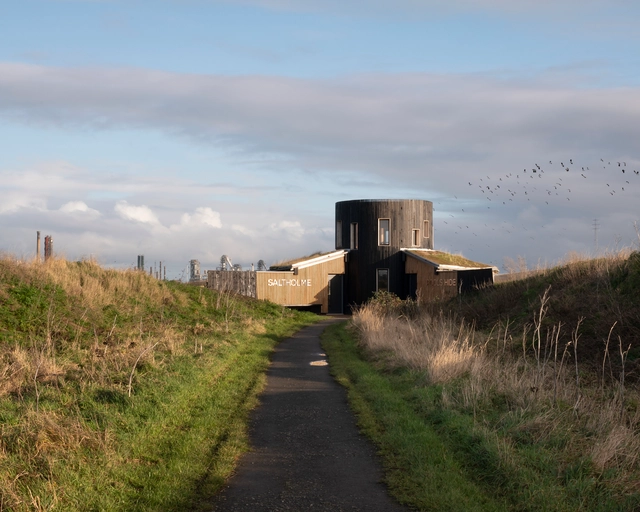
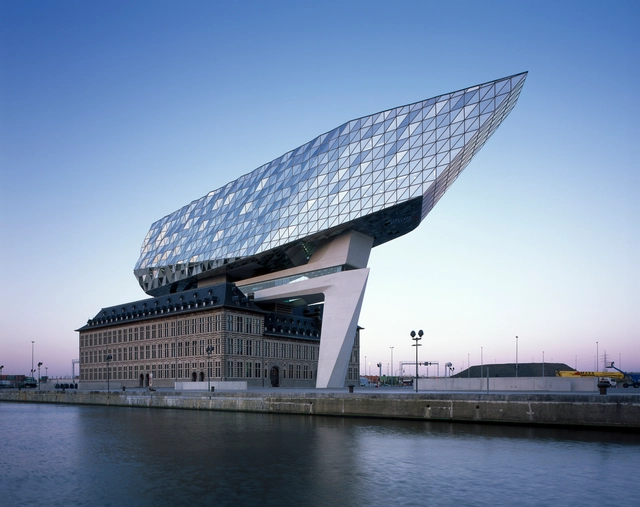
As cities grow and evolve, the question of preserving, rehabilitating, or adapting historic sites arises. The intervention in such buildings requires a delicate balance between honoring their heritage and meeting contemporary demands. Often, the most innovative and radical solutions emerge when architects attempt to renew a building while maintaining its original footprint and as many features as possible. They then create modern extensions that either harmonize or contrast with the original structure. This approach not only revitalizes the building but also celebrates the synergy between the past and present, including materials, construction technology, architectural movements, stories, and overall building quality. The layering of both old and new elements through harmony or contrast requires an intelligent and sensitive approach that gives the building a unique aesthetic and a new meaning.
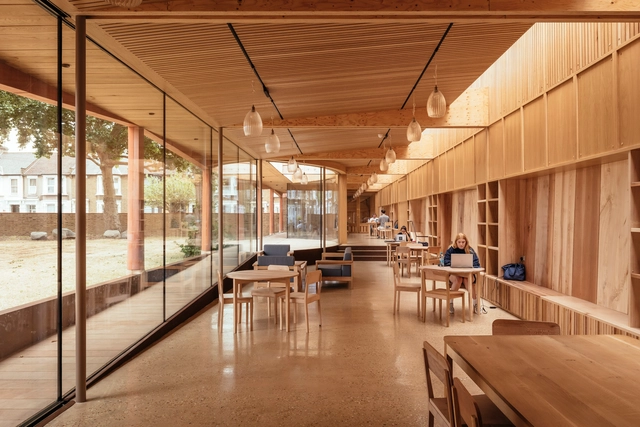
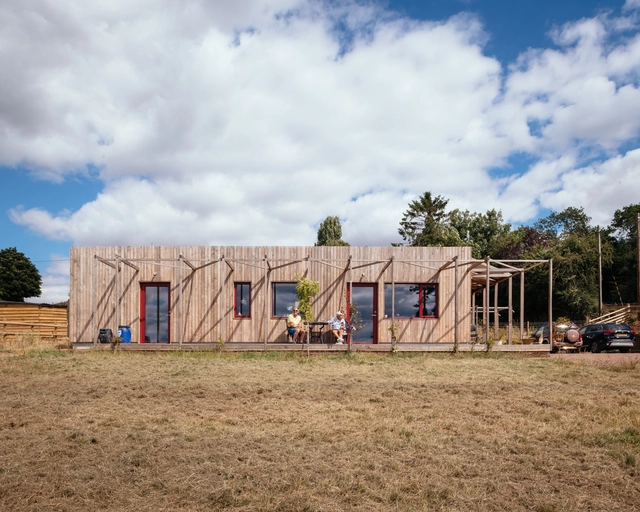
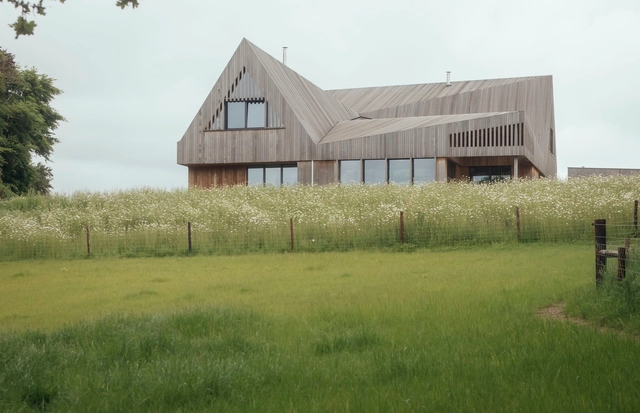
A few years ago, the architects at Studio Bark, in collaboration with Structure Workshop and Cut and Construct, began to develop the idea of a circular kit of parts designed so that anyone with reasonable DIY skills could build their own structure. This is U-Build, a modular system made of wood panels crafted with the precision of a computer-controlled cutting machine (CNC). The panels are delivered to the construction site in a compact box, ready to be assembled, stacked, and screwed to shape the walls, floors, and ceilings. Only a few tools are needed, such as a rubber mallet, a drill, a tape measure, and a level.
While this system allows the construction of various types of buildings, its high level of customization finds particular utility and effectiveness in housing projects of all scales. From a tiny house for a couple opting for simplicity to an off-grid cabin in the woods, a Georgian cottage extension, and a 3-bedroom efficiency home, U-Build has brought extraordinary prefabricated wooden homes to life.
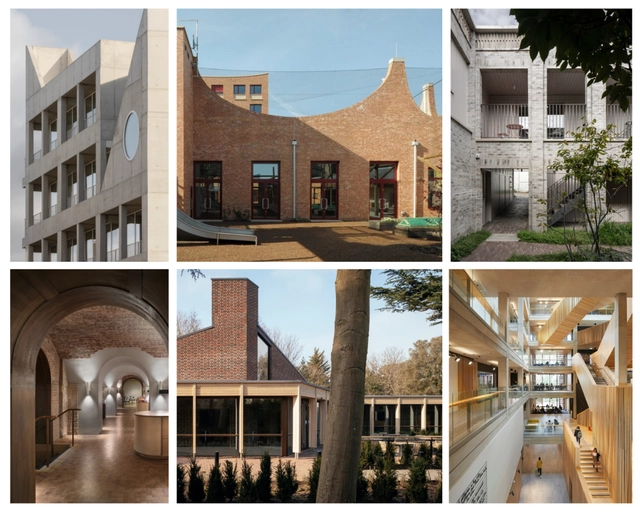
The Royal Institute of British Architects (RIBA) has announced the six projects selected for the shortlist of the 2023 RIBA Stirling Prize. The annual award is one of the United Kingdom's most prestigious recognitions in the field of architecture, judging projects on a range of criteria, including design vision, innovation, originality, and the capacity to engage and delight the occupants and visitors. Sustainability and accessibility are also crucial conditions for the selection. This edition’s shortlist includes projects by architects such as Apparata, Sergison Bates Architects, and Adam Khan Architects, featuring for the first time at the Stirling Awards Shortlist, as well as practices that have previously won, Witherford Watson Mann Architects and Feilden Clegg Bradley Studios.
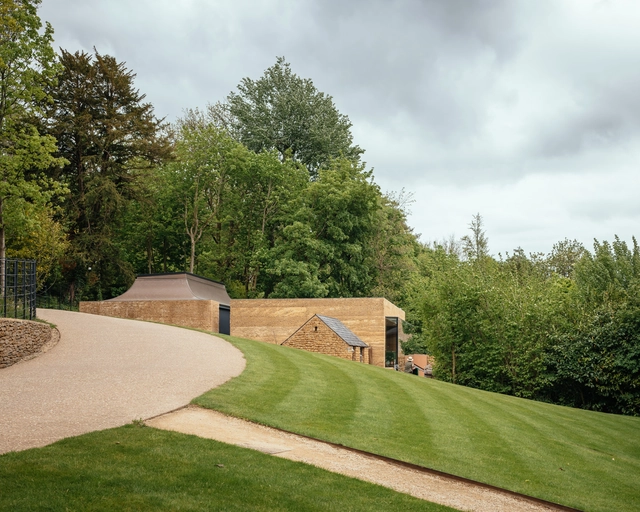
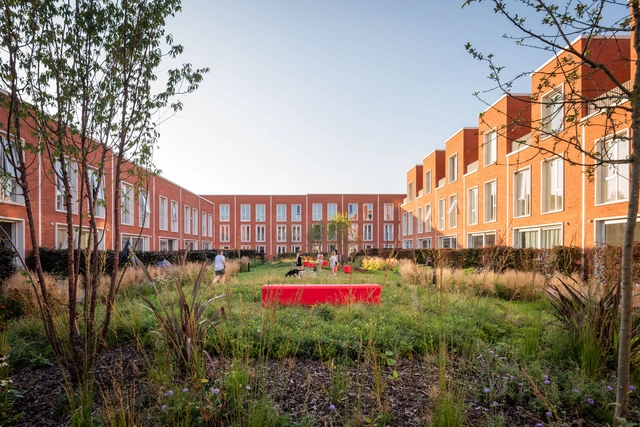
The Royal Institute of British Architects (RIBA) has announced the 30 winners of the 2023 RIBA National Awards for Architecture, providing an insight into the country’s architecture, design, and social trends. Among the key themes observed this year, the need to rebuild communities and to find sustainable ways of practicing stand out as the main concerns of the participant architects. The response to these themes is varied, ranging from buildings that aim to offer opportunities for collaboration for students to creating stimulating social spaces for the elderly or providing creative programs at a neighborhood scale. All the projects selected have been in use for at least one year and have provided data regarding their environmental performance. Examples of sustainable design include both new buildings, following the Passivhaus certification, and renovation of existing structures.
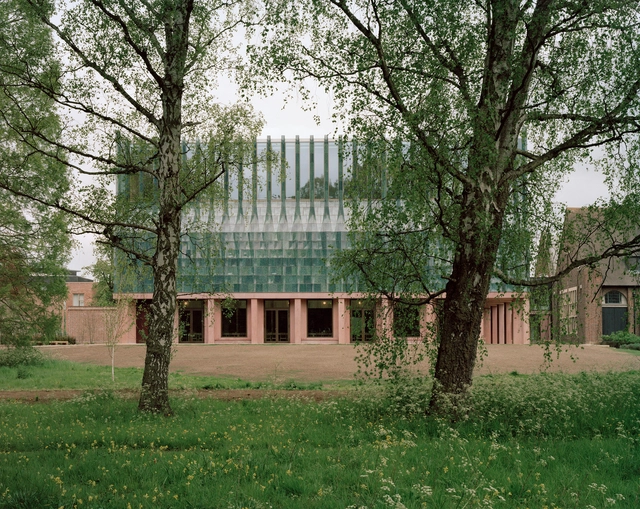
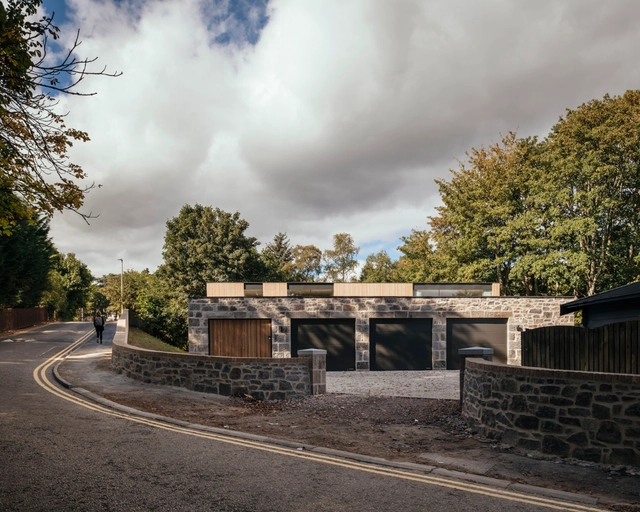
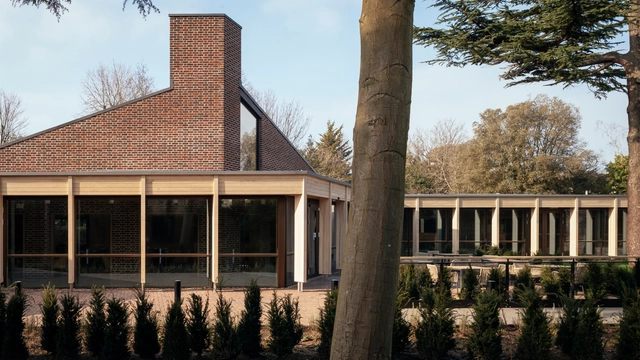
Every year since 1996, the Royal Institute of British Architects (RIBA) has hosted the RIBA London Awards to celebrate outstanding works of architecture from across the United Kingdom. This year, the list of winners includes 52 buildings ranging from a senior day-care center in Blackheath to a cultural hub in Greenwich and a subtle intervention in Hackney’s de Beauvoir conservation area. All RIBA London Awards winners will be considered for the RIBA National Award, scheduled to be announced on June 22nd.

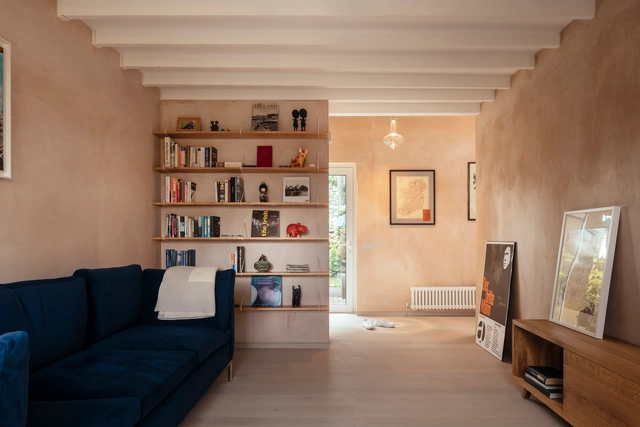
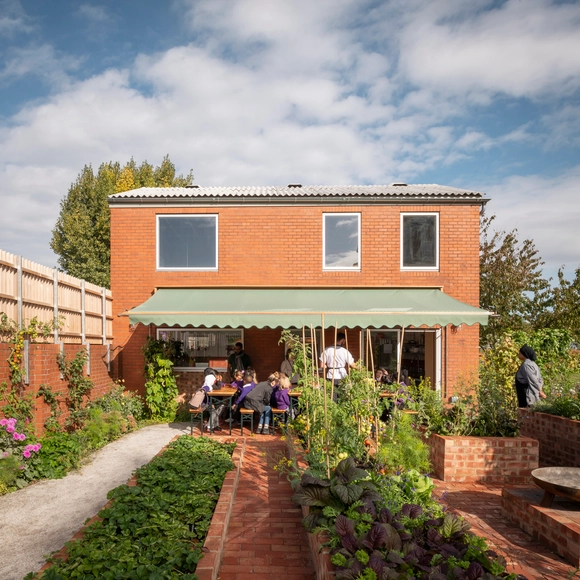
The Royal Institute of British Architects (RIBA) has announced the Hackney School of Food, designed by Surman Weston, as the winner of the Stephen Lawrence Prize 2022. The award aims to encourage new architectural talent and to reward projects with a budget of less than £1 million. RIBA has also awarded the Neave Brown Award for Housing 2022 to the Hackney New Primary School and 333 Kingsland Road by Henley Halebrown. The award is given in honor of social housing pioneer Neave Brown (1926-2018) and it recognizes affordable housing initiatives in the UK.